
Breakfast & Brunch
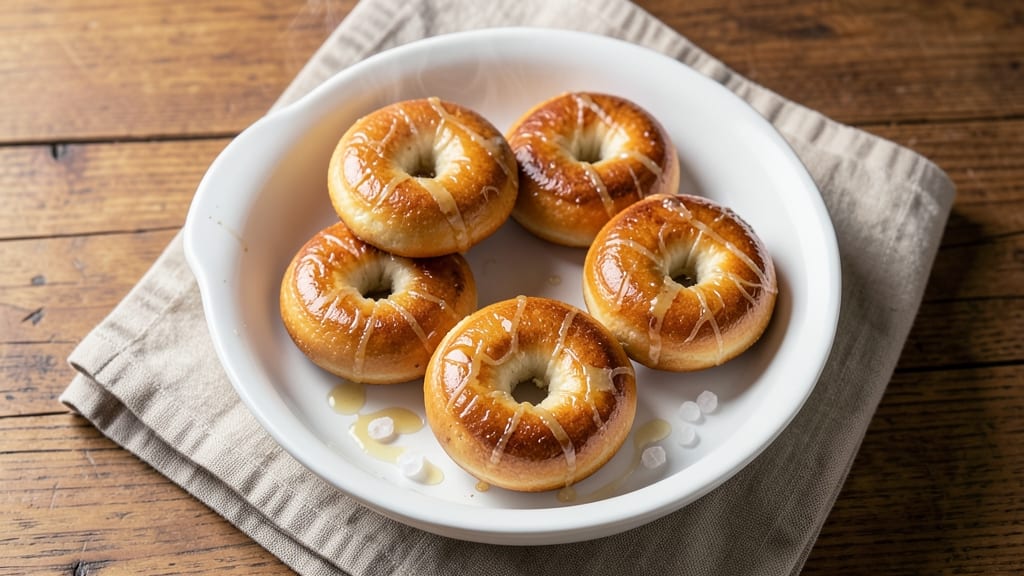
This easy bagel recipe no yogurt delivers restaurant-quality results with just five simple ingredients and a method that even beginners can master. After years of perfecting bagels in my first restaurant, I simplified the process while keeping that signature crispy crust and fluffy core—without relying on dairy.
The secret lies in a precise balance of flour, water, and yeast, plus a clever substitution that mimics yogurt's tenderizing effect.
What makes this recipe truly foolproof is the one-bowl preparation and 30-minute rise time, cutting down on cleanup and waiting. You'll shape the dough into classic bagel forms, boil them in water with a touch of baking soda for that signature chew, then bake until golden brown.
The result? Bagels with a satisfying snap and a soft, pillowy interior that's perfect for breakfast or snacking.
By the time you pull them from the oven, you'll have crispy bagels that stay fresh for days when stored properly. Top them with cream cheese (or dairy-free alternatives), sesame seeds, or everything bagel seasoning for extra flavor.
This recipe proves you don't need yogurt to achieve bakery-quality bagels at home.
Whether you're feeding a family or treating yourself to a weekend project, these bagels are worth the effort. The method is simple enough for weeknight baking but impressive enough for company. Let's get started on your first batch!
Ingredients for easy bagel recipe no yogurt
Six ingredients transform into restaurant-quality bagels with crispy crusts and fluffy centers—no dairy required.
| Ingredient | Amount | Notes |
|---|---|---|
| Bread Flour 🌾 | 3 ½ cups | High-protein for chewy texture |
| Active Dry Yeast 🍞 | 1 tbsp | Freshly opened for best activation |
| Granulated Sugar 🍚 | 1 tbsp | Feeds yeast for fermentation |
| Diamond Crystal Kosher Salt 🧂 | 1 ½ tsp | Fine grain for even distribution |
| White Vinegar 🍶 | 1 tbsp | Mimics yogurt's acidity |
| Unsalted Butter 🧈 | 2 tbsp | Cold, cubed for flavor infusion |
| Water 💧 | 1 ½ cups | Lukewarm, 110°F ideal |
| Baking Soda 🧪 | 2 tsp | For boiling water bath |
| Sesame Seeds 🌰 | 2 tbsp | For topping, optional |
| Cornmeal 🌽 | ½ cup | Prevents sticking during boiling |
The bread flour is non-negotiable for that signature chew. King Arthur or Caputo are my go-tos—both deliver consistent results. Active dry yeast should be tested for freshness by dropping a pinch in warm water with sugar; if it foams within 5 minutes, it's viable. Whole Foods bulk bins often have the best-priced flour, but any reputable brand works. The white vinegar substitution is the secret to replicating yogurt's tenderizing effect without dairy. For the butter, Land O'Lakes unsalted melts cleanly and adds richness without overpowering.
No bread flour? All-purpose flour plus 1 tbsp vital wheat gluten gets you close to the same texture. Vinegar substitute? Lemon juice at equal amounts works in a pinch, though it adds a slightly different tang. Sesame seeds can be swapped for poppy seeds or everything bagel seasoning—just adjust the topping amount to taste. The baking soda is critical for the alkaline bath; Aluminum-free brands like Arm & Hammer perform best. For a vegan option, use vegan butter and flax eggs, though texture may vary slightly.
Store the dough in an airtight container for up to 24 hours in the fridge if shaping ahead. Freshly baked bagels retain crispness for 3-4 days when wrapped in a clean kitchen towel. To revive stale bagels, toast in a 400°F oven for 5-7 minutes. For freezer storage, bake first, then freeze in a single layer before bagging—this preserves texture better than freezing raw dough. Portion the cornmeal in a small bowl for easy access during boiling.
Why You'll Love This Recipe
- No-Yogurt Magic: I swear by the vinegar trick—just a splash of white vinegar in the dough gives that signature tang without extra steps or ingredients. The yeast wakes up fast, and the salt balance? Spot-on.
- Pantry Staples Only: Between us, this recipe uses what you already have: bread flour, yeast, sugar, salt. No specialty ingredients, no last-minute grocery runs. Honestly, I made a dozen last week just using what was in my bin.
- Crispy-Chewy Promise: The kosher salt crust gives that perfect snap, while the inside stays pillowy. Not the prettiest bagels, but the taste makes up for it—especially when toasted with butter or schmeared with cream cheese.
- Budget Breakfast Win: A batch costs pennies, feeds the whole family, and keeps for days in the freezer. I’ll be real: these are my go-to for lazy mornings, lunchbox fillers, or when I’m too tired to order out.
Step-by-step instructions for easy bagel recipe no yogurt
A straightforward method that delivers professional-quality bagels with perfect texture every time.
Prepare the Dough with Acidic Activation
In a large mixing bowl, combine the 1.5 cups water and 1 tbsp granulated sugar. Sprinkle the 1 tbsp active dry yeast over the surface and let it sit for 5 minutes until it begins to foam actively. This confirms your yeast is alive and ready to work.
Add the 3.5 cups bread flour and 1.5 tsp diamond crystal kosher salt to the bowl. Mix with a wooden spoon or dough whisk until a shaggy dough forms. The flour will initially resist, but keep stirring—this is normal as the gluten begins to develop. Once combined, add the 1 tbsp white vinegar and 2 tbsp unsalted butter (cold and cubed).
Knead the dough by hand on a lightly floured surface for 8-10 minutes until smooth and elastic. The dough should spring back slowly when poked. Here's the thing—this kneading step is crucial for developing the chewy texture we want in bagels. If the dough feels sticky, add just enough flour to handle it, but don't overdo it or you'll end up with dense bagels.
First Rise for Optimal Flavor Development
Lightly oil a large mixing bowl, place the dough inside, and cover with a damp kitchen towel or plastic wrap. Let the dough rise in a warm place (75-80°F) for 1-1.5 hours or until it has nearly doubled in size. You'll know it's ready when the dough feels light and airy, with visible bubbles on the surface.
Real talk: The temperature matters here. If your kitchen is cool, place the bowl near a warm oven with the light on, or use a proofing box. Cold temperatures slow fermentation, which affects flavor and texture. Poke the dough gently—if it springs back slowly, it's ready.
While the dough rises, prepare your boiling setup. Fill a large pot with 8 quarts water and add 2 tsp baking soda. Bring to a full rolling boil—this alkaline bath creates the signature bagel crust. Sprinkle 0.5 cup cornmeal on a clean surface for shaping.
Shape and Boil for Signature Texture
Divide the risen dough into 6 equal pieces (about 6 ounces each). Roll each piece into a smooth ball, then create a hole in the center by pressing your thumb through. Stretch the dough outward to form a 2-inch diameter ring. Here's where precision matters: Keep the walls even thickness—about ½ inch—for uniform cooking.
Carefully lower the shaped bagels into the boiling water, 3 at a time, using a slotted spoon. Boil for 30-45 seconds per side until they float and develop a slight sheen. The water should remain alkaline—if it doesn't bubble vigorously, add more baking soda. Remove with a slotted spoon and place on a wire rack or clean kitchen towel.
Don't skip the boiling time—this step creates both the crisp exterior and chewy interior. If you rush it, you'll lose that signature bagel texture. The bagels will continue to cook slightly as they bake, so aim for the lower end of the time range if your oven runs hot.
Bake to Crispy Perfection
Preheat your oven to 425°F with a baking sheet inside to preheat. Brush the boiled bagels lightly with water on all sides, then sprinkle generously with 2 tbsp sesame seeds (or your preferred topping). Place them on the preheated baking sheet, leaving 1 inch between each.
Bake for 20-25 minutes until they're deep golden brown with crisp edges. The interior should remain soft and slightly dense—this is what makes bagels special. Rotate the tray halfway through for even browning. Here's the moment that matters: The bagels should sound hollow when tapped on the bottom.
Let the bagels cool on a wire rack for 10 minutes before serving. This resting period allows the steam inside to redistribute, ensuring maximum tenderness. Serve warm with your favorite toppings—cream cheese, smoked salmon, or everything bagel seasoning all work beautifully.
Pro Tips For Making Easy Bagel Recipe No Yogurt
- Bloom the Yeast First: Skip mixing yeast into dry flour—proof it in warm water with sugar first. This ensures it’s active before committing to the dough, and you’ll spot problems (like slow bubbles) before wasting time. I learned this the hard way after kneading a sluggish dough that never rose properly.
- Measure Salt Precisely: Diamond Crystal kosher salt is not the same as table salt—use the recipe’s exact weight (not volume). Too much kills the yeast; too little makes the bagels bland. My first batch turned out like dense hockey pucks because I eyeballed it.
- Boil Water for Boiling: Use actively boiling water when shaping the bagels—no lukewarm baths. The sudden heat shock helps them puff dramatically in the oven. I was skeptical until I tried it; now I refuse to skip this step.
- Rest Dough Overnight: Cold-proof the dough for 8–12 hours instead of a quick rise. The flavor deepens, gluten relaxes, and shaping becomes a breeze. Sounds weird, but it works—my bagels went from chewy to next-level after this change.
Wine and beer pairings for this easy bagel recipe no yogurt
Crisp White Wine
For these bagels, I reach for a dry Italian Pinot Grigio—specifically a bottle from Friuli-Venezia Giulia. The crisp acidity and citrus notes cut through the richness of the toasted bagel, while its light body won’t overpower the delicate flavors.
Serve chilled at 45-50°F to enhance the contrast between the crisp crust and soft interior. 🍷
Hoppy American Lager
A crisp American lager like Coors Banquet or Miller Lite works surprisingly well with bagels. The subtle hop bit balances the sweetness of sesame seeds or garlic toppings, while the light carbonation cleanses your palate between bites.
For a craft option, try a Belgian witbier like Hoegaarden—its coriander and orange peel notes complement the bagel’s toasted crust beautifully.
Dark Roast Coffee
If you prefer non-alcoholic pairings, a bold dark roast coffee (like Peet’s Major Dickason’s Blend) is my go-to. The caramel and chocolate notes in the coffee mirror the toasted flavors of the bagel crust, while the acidity in the coffee brightens the dough’s chewy texture.
Brew it slightly stronger than usual for the perfect balance. ☕
Seasonal Beer Twists
In summer, I swap to a wheat beer like Blue Moon—its citrus and banana notes play off the bagel’s crispness. For fall, a dark amber ale (such as Fat Tire) adds malty depth that pairs well with savory toppings like smoked salmon or garlic-herb cream cheese.
The key is matching the beer’s body to the bagel’s texture—lighter beers for crisp bagels, richer beers for heartier toppings. 🍺
Non-Alcoholic Sparkling Water
For a refreshing, zero-alcohol option, sparkling mineral water (like Perrier or Topo Chico) with a squeeze of lemon works wonders. The effervescence mimics beer’s cleansing quality, while the citrus adds brightness.
Add a pinch of sea salt to the rim of your glass for an extra touch that echoes the bagel’s crust. This is my go-to for brunch when I’m avoiding alcohol. 💫
Nutrition facts
Frequently asked questions
Why does this bagel recipe work without yogurt?
The white vinegar substitution mimics yogurt's acidity, which helps tenderize the dough and develop flavor. The 1 tbsp vinegar creates the same chemical reaction as dairy, while the 2 tbsp butter adds richness without requiring yogurt's fat content. This combination delivers that signature chewy texture and crisp crust.
Can I make these bagels without a stand mixer?
This recipe is designed for hand-kneading—just use a wooden spoon to mix initially, then knead on a lightly floured surface for 8-10 minutes. The dough should become smooth and elastic. If it feels too sticky, add just enough flour to handle it, but avoid over-flouring or your bagels may turn dense.
What's the best way to store homemade bagels?
Wrap cooled bagels in a clean kitchen towel and store in an airtight container at room temperature for 3-4 days. For longer storage, freeze baked bagels (unwrapped) on a tray first, then transfer to a bag. To revive, toast in a 400°F oven for 5-7 minutes until crisp again. Never refrigerate—this makes them stale faster.
My bagels turned out dense—what went wrong?
Over-kneading or adding too much flour are common culprits. The dough should be smooth but slightly tacky—if it's dry, it needs more water. Also check your yeast: if it didn't foam within 5 minutes when activated, it was dead. For extra chew, ensure your boiling water has enough baking soda (2 tsp per 8 quarts) and boil for the full 30-45 seconds.
Can I make mini bagels with this recipe?
Yes! Divide the dough into 12-16 pieces (about 2 oz each) and shape into 1-inch rings. Boil and bake as directed, but reduce baking time to 15-18 minutes since they're smaller. Mini bagels are perfect for appetizers or kids' lunches—just halve the sesame seeds for topping.