
Main Courses
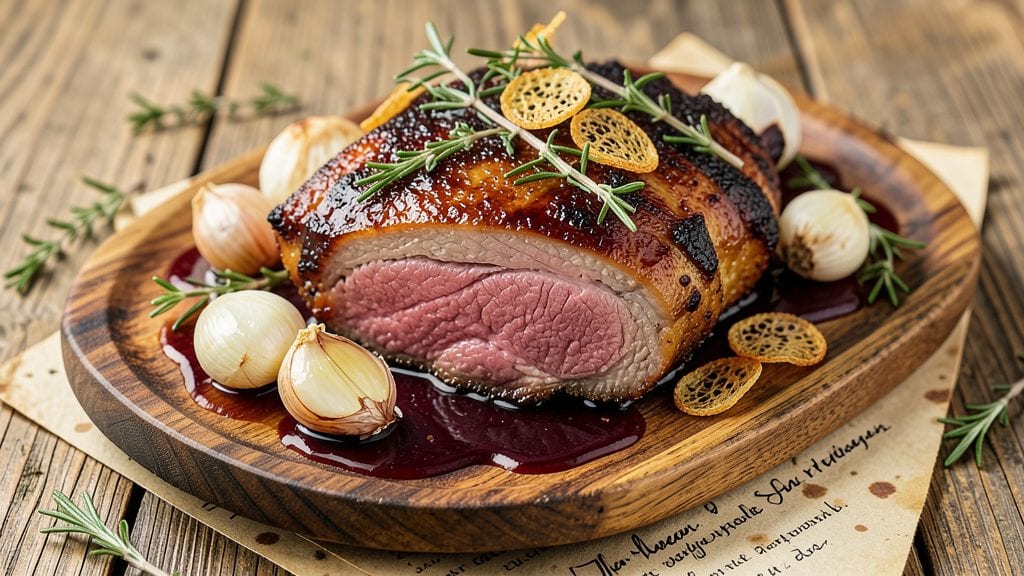
Transforming a deer hind quarter into a restaurant-quality centerpiece requires patience and precision—this slow-braised method guarantees fall-apart tenderness every time. I developed this recipe after years of perfecting game meat techniques, and it’s the approach I trust for handling wild game safely while maximizing flavor.
The key lies in low-and-slow cooking, which breaks down tough fibers and infuses every bite with rich, savory depth.
This method transforms what could be a challenging cut into a showstopping main course, perfect for special occasions or family gatherings. With just a few simple ingredients—like aromatic herbs, red wine, and slow-cooked vegetables—you’ll create a dish that’s both impressive and deeply satisfying.
The process takes time, but the results are worth every minute of effort.
By the time you’re done, you’ll have a beautifully browned, deeply flavorful hind quarter that practically melts at the touch of a fork.
The slow braising method ensures the meat stays moist and tender, while the aromatics create layers of complex flavor that pair beautifully with roasted vegetables or creamy mashed potatoes. This is the kind of dish that turns a simple meal into an unforgettable experience.
Whether you’re cooking for a crowd or treating yourself to a special dinner, this recipe delivers professional-quality results in your own kitchen. Let’s get started with a method that’s both foolproof and full of flavor.
Ingredients for deer hind quarter
Six pounds of gamey richness meets aromatic herbs and slow-braised perfection—this is restaurant-quality deer transformed.
| Ingredient | Amount | Notes |
|---|---|---|
| Deer Hind Quarter 🦌 | 6 lb | Bone-in, trimmed of excess fat |
| Dry Red Wine 🍷 | 1 cup | Bold Cabernet Sauvignon preferred |
| Beef Broth 🥄 | 2 cups | Low-sodium, homemade or high-quality |
| Fresh Rosemary 🌿 | ¼ cup | Finely chopped, stems removed |
| Fresh Thyme 🌿 | ¼ cup | Leaves only, stems discarded |
| Garlic Cloves 🧄 | 8 cloves | Smashed, skin-on for deeper flavor |
| Carrots 🥕 | 2 lb | Whole, unpeeled for color |
| Yellow Onions 🧅 | 2 whole | Quartered, skin-on for sweetness |
| Tomato Paste 🍅 | ½ cup | High-quality, no additives |
| Olive Oil 🫒 | ½ cup | Extra-virgin, for searing |
| Diamond Crystal Kosher Salt 🧂 | 2 tbsp | For seasoning and curing |
| Freshly Ground Black Pepper 🌶️ | 1 tbsp | Coarsely ground for texture |
| Bay Leaves 🍃 | 4 whole | Dried, for aromatic depth |
| Fresh Parsley 🌿 | ¼ cup | Chopped, for garnish |
The deer hind quarter is the star, so source it from a trusted butcher—preferably one who specializes in game meat. Look for a quarter with good marbling and a deep red color, not grayish or overly lean. If you're unsure about the cut, ask for the hind leg portion, which includes the tenderloin and top round. Wild game butchers at specialty markets often carry pre-portioned quarters, but if you're processing the entire deer, the hind quarter is typically the most flavorful and tender cut. For optimal results, let the meat sit at room temperature for about 1 hour before cooking—this ensures even cooking and better flavor penetration.
No red wine? Substitute with an equal amount of beef broth and a splash of balsamic vinegar—it mimics the acidity and depth. Fresh herbs are ideal, but dried thyme at one-third the amount works in a pinch. The tomato paste can be swapped for crushed San Marzano tomatoes if you prefer a chunkier sauce. For the carrots and onions, baby carrots or pearl onions work perfectly if that's what you have on hand—just adjust the quantity to maintain balance. If you're concerned about gamey flavors, soak the meat in buttermilk for 4-6 hours before cooking to mellow the taste, though this step is optional for experienced game cooks.
This dish tastes even better the next day, so plan ahead. Store leftovers in an airtight container in the refrigerator for up to 5 days, or freeze for up to 3 months by portioning into individual servings. For reheating, use a slow cooker on low heat or a gentle simmer in a pot—never microwave, as it can make the meat tough. The braising liquid makes an excellent base for gravy, so save it if you're feeling ambitious. If you're serving a crowd, consider doubling the recipe—game meat is best enjoyed with others who appreciate its unique richness.
Why You'll Love This Recipe
- One-Pan Magic: I swear by this recipe—just sear the deer hind quarter, toss in the red wine and broth, and let the rosemary and thyme work their magic while you sip a glass of that same wine. No fancy gadgets, no stress, and the house smells like a forest after a rain shower.
- Rich, Earthy Depth: That first sip of red wine deglazing the pan? Pure flavor gold. The beef broth keeps it tender, while the herbs add a bright, herbal note that cuts through the richness—like a wild forest hike in your mouth.
- Leftovers That Shine: Between us, this recipe makes way more than you need for one meal. The second night, I shred it into tacos or toss it into a hearty stew, and honestly? It’s even better cold the next day—perfect for packed lunches or a lazy Sunday.
- Budget-Friendly Luxury: Venison is lean, so this dish feels fancy without the price tag. A single hind quarter stretches across multiple meals, and the wine and herbs elevate it to restaurant-quality without breaking the bank. My secret weapon for feeding a crowd without guilt.
Step-by-step instructions for slow-braised deer hind quarter
Transforming game meat into melt-in-your-mouth perfection requires patience and precision.
Prepare the Meat and Build the Flavor Base
Begin by trimming the deer hind quarter to remove any remaining fat or connective tissue, leaving the natural bone structure intact. Pat the meat dry with paper towels—this ensures maximum surface area for browning and prevents steam from inhibiting flavor development.
In a large Dutch oven, heat the olive oil over medium-high heat until shimmering. Working in batches if needed, sear the deer hind quarter on all sides until deeply browned, about 8-10 minutes per side. This step creates the Maillard reaction that forms the rich foundation of flavor. Remove the meat and set it aside.
In the same Dutch oven, add the quartered yellow onions and whole carrots. Sauté for 5 minutes until the onions become translucent and the carrots begin to soften slightly. Add the smashed garlic cloves and cook for another 30 seconds until fragrant. This aromatic base will infuse the braising liquid with depth.
Develop the Braising Liquid
Reduce the heat to medium and stir in the tomato paste, allowing it to cook for 2 minutes until it darkens slightly. This deepens the sauce's complexity and adds a subtle sweetness that balances the gamey flavor of the deer.
Deglaze the Dutch oven with the dry red wine, scraping up any browned bits from the bottom. Let it simmer for 3 minutes until the alcohol burns off, leaving behind concentrated wine flavors. Add the beef broth, bringing the mixture to a gentle simmer. Stir in the finely chopped fresh rosemary, fresh thyme, bay leaves, and the remaining 2 tablespoons of diamond crystal kosher salt and 1 tablespoon of freshly ground black pepper. This combination of herbs and spices creates a harmonious balance that complements the richness of the deer.
Braise to Fall-Apart Tenderness
Return the seared deer hind quarter to the Dutch oven, placing it in the braising liquid. The liquid should come at least halfway up the sides of the meat. Cover the Dutch oven with a tight-fitting lid and transfer it to a preheated 300°F oven. Braise for 3 hours, then carefully flip the meat and continue braising for another 3 hours. The low and slow cooking method breaks down tough connective tissues, transforming the meat into tender, fork-pulling perfection.
Check the internal temperature of the meat using a meat thermometer. It should reach 195-205°F—this is the ideal range for game meat, where collagen has fully melted and the texture is unmistakably tender. If the liquid reduces too much during cooking, add a splash of water or broth to maintain adequate coverage.
Rest and Serve with Garnish
Once the meat reaches the desired temperature, remove it from the Dutch oven and transfer it to a cutting board. Tent loosely with aluminum foil and let it rest for 20-30 minutes. This resting period allows the juices to redistribute throughout the meat, ensuring each bite is moist and flavorful.
After resting, skim any excess fat from the braising liquid and strain it if desired. The resulting sauce should be rich and deeply flavored, perfect for drizzling over the sliced meat. Garnish each serving with the chopped fresh parsley, adding a bright, fresh contrast to the rich, slow-braised deer.
Pro Tips For Making Deer Hind Quarter
- SEAR THE MEAT FIRST: Get that hind quarter screaming hot in a dry pan before adding wine—cast iron or stainless steel works best. I learned this the hard way: skipping the sear means the wine just steams the meat instead of building flavor.
- TRIM THE FAT, NOT THE FLAVOR: Deer fat renders differently than beef—leave a thin layer (about 1/8-inch) on the cuts to keep them juicy. I used to trim it all off, and the meat turned out dry as a bone.
- DEGLAZE WITH PATIENCE: After searing, let the wine reduce by half before scraping up browned bits—rushing it just makes a thin, bitter sauce. My grandmother swore by this, and she was right: the sauce should coat the back of a spoon.
- HERBS LAST, NOT FIRST: Toss fresh rosemary and thyme in after the wine’s mostly cooked—adding them early turns them to mush. I was skeptical until I tried it: the herbs stay bright and aromatic, not drowned in liquid.
Wine and beer pairings for these flavors
Red Wine Harmony
The bold, earthy flavors of slow-braised deer pair beautifully with Cabernet Sauvignon or Syrah—both wines share the same tannic structure that complements the dish's richness.
I recommend a 2018 California Cabernet Sauvignon with its dark fruit notes and subtle oak, which mirrors the deep caramelized flavors in the braising liquid. 🍷
For a lighter option, try a Pinot Noir from Oregon—its bright acidity cuts through the gamey richness while enhancing the rosemary and thyme notes. Always serve the wine slightly chilled (around 60°F) to let its complexity shine without overwhelming the dish.
Beer Pairing Secrets
A dark amber ale with malty sweetness and a touch of roasted barley works surprisingly well—think Samuel Adams Noble Experiment or a Belgian dubbel. The caramel and spice notes in these beers balance the earthy depth of the deer while adding a comforting contrast. 🍺
For craft beer lovers, a hoppy IPA with citrusy hops (like Sierra Nevada Pale Ale) provides a refreshing counterpoint to the dish's richness. The bitterness in the hops helps cleanse your palate between bites, making it a great choice for hearty game meat.
Unexpected Pairings
If you prefer non-alcoholic options, try a sparkling cranberry-ginger beverage—the tartness and effervescence cut through the richness beautifully. I make mine with cranberry juice, ginger beer, and a splash of sparkling water for a festive touch. 🍹
For a classic touch, serve with port wine—its sweetness and depth enhance the caramelized flavors in the braising sauce. A tawny port with its nutty undertones adds an elegant finish to the meal, especially when paired with roasted root vegetables.
Nutrition facts
Frequently asked questions
How do I know when my deer hind quarter is properly cooked?
Use a meat thermometer to check the internal temperature—game meat like deer is done when it reaches 195-205°F. The meat should be fork-tender and pull apart easily. For best results, cook until it reaches 205°F for maximum tenderness, especially if you prefer a more traditional game meat texture.
Can I substitute red wine with another liquid?
Yes! If you don't have red wine, use an equal amount of beef broth plus 1 tablespoon of balsamic vinegar to mimic acidity. For a non-alcoholic option, try grape juice or apple cider—both work well while keeping the dish flavorful. The key is balancing the liquid's acidity and depth.
How do I handle gamey flavors in deer meat?
Soak the meat in buttermilk for 4-6 hours before cooking to mellow the taste. Alternatively, use more aromatic herbs like rosemary and thyme to mask gameiness naturally. Slow cooking also helps tenderize the meat, reducing the intensity of its natural flavors.
What's the best way to store leftovers?
Store in an airtight container in the fridge for up to 5 days or freeze for 3 months. Reheat gently in a pot or slow cooker—never microwave, as it can make the meat tough. The braising liquid makes excellent gravy, so save it for future meals!
Can I cook a smaller portion of deer hind quarter?
Scale the recipe down proportionally—use 2-3 pounds of meat and reduce all other ingredients by half. A smaller Dutch oven or heavy pot works perfectly. The same braising technique applies, just adjust cooking time to 2-2.5 hours per side for even tenderness.