
Main Courses
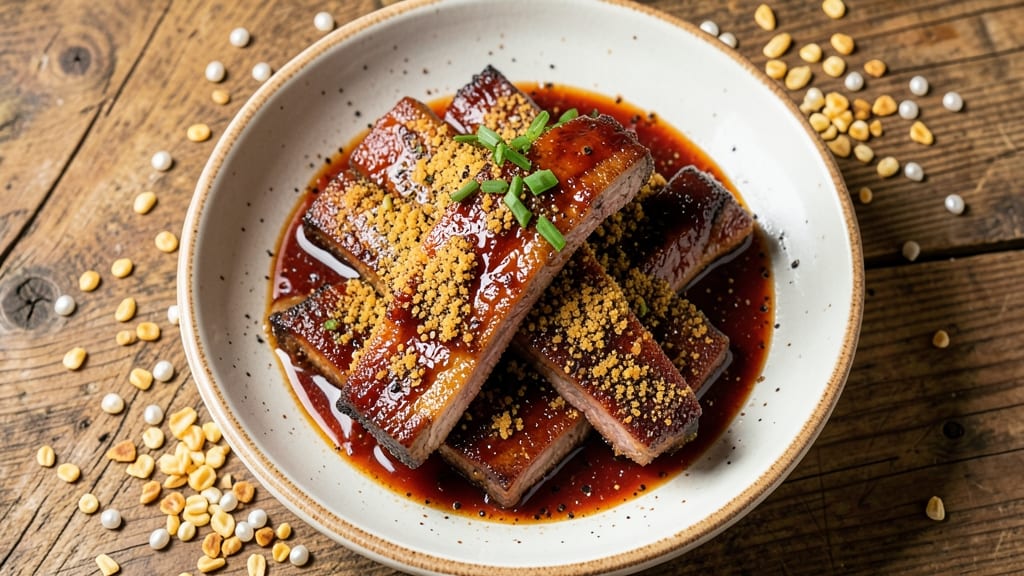
Transforming thin beef ribs into a restaurant-worthy dish requires precision—this recipe delivers crispy cornmeal-crusted ribs with fall-apart tenderness that will impress even the most critical guests.
The secret lies in a two-step process: marinating to break down tough fibers and a cornmeal coating that creates that coveted crunch while keeping the meat juicy inside. I developed this method after years of experimenting with different techniques, and it consistently delivers results that rival professional barbecue joints.
What sets this recipe apart is the balance between texture and flavor. The cornmeal crust isn’t just about crunch—it adds a subtle sweetness that complements the smoky, savory notes of the ribs.
We’ll use a dry rub for depth, then finish with a quick sear to lock in those flavors while maintaining moisture. The result? Ribs that are crispy on the outside, tender on the inside, and packed with flavor in every bite.
Cooking time is minimal once you’ve prepped the ribs—just 30 minutes in the oven after marinating overnight. This method works whether you’re grilling, baking, or slow-roasting, making it versatile for any kitchen setup.
The ribs pair beautifully with classic sides like coleslaw, baked beans, or a simple green salad to round out the meal.
This recipe is designed for foolproof results, even for those new to cooking ribs. With clear steps and professional techniques, you’ll achieve that perfect balance of crispy and tender without guesswork. Let’s get started on creating ribs that will have everyone asking for seconds.
Ingredients for thin beef ribs
Precision-crafted ingredients transform tough beef ribs into a restaurant-quality dish with perfect crispy tenderness.
| Ingredient | Amount | Notes |
|---|---|---|
| Thin Beef Ribs 🥩 | 2 ½ lb | Bone-in, cut into individual ribs |
| Cornmeal 🌾 | 1 cup | Fine grind for optimal adhesion |
| All-Purpose Flour 🌾 | ½ cup | For coating texture |
| Granulated Garlic Powder 🧄 | 2 tbsp | Freshly ground preferred |
| Onion Powder 🧅 | 2 tbsp | For depth of flavor |
| Smoked Paprika 🌶️ | 1 tbsp | Adds subtle smokiness |
| Ground Black Pepper 🌶️ | 1 tbsp | Freshly cracked |
| Kosher Salt 🧂 | 1 ½ tbsp | Diamond Crystal preferred |
| Large Eggs 🥚 | 2 whole | Room temperature for adhesion |
| Unsalted Butter 🧈 | ½ cup | Melted for basting |
| Extra-Virgin Olive Oil 🫒 | ¼ cup | For searing |
| Fresh Lemon Juice 🍋 | 2 tbsp | Brightens flavors |
| Fresh Thyme Leaves 🌿 | ¼ cup | Chopped for marinade |
| Brown Sugar 🍚 | 1 tbsp | Enhances caramelization |
The quality of beef ribs makes all the difference. Look for well-marbled, bone-in cuts from a trusted butcher or high-end grocery store like Whole Foods or D'Agostino. The ribs should have a vibrant red color and visible fat marbling—this ensures juiciness during cooking. For the cornmeal, Bob's Red Mill fine grind creates the ideal texture for adhesion without overwhelming the natural flavor. If you can't find fresh thyme, dried thyme at one-third the amount works, though it lacks the bright herbal notes. The butter should be unsalted to control seasoning perfectly—Plugrá is my go-to brand for its rich flavor.
Substitutions are possible but require adjustments. No cornmeal? A mix of all-purpose flour and cornstarch at a 3:1 ratio mimics the texture. For the flour coating, panko breadcrumbs add extra crunch but may alter adhesion slightly. If you're avoiding sugar, honey or maple syrup at half the amount works beautifully. The olive oil can be swapped for avocado oil—both have high smoke points for searing. For those with egg allergies, a cornstarch slurry (2 tbsp cornstarch + 3 tbsp water) serves as an effective binder. Always ensure your spices are freshly ground for maximum flavor impact—the difference between pre-ground and freshly cracked pepper is dramatic.
Proper storage extends freshness and maintains quality. Marinate the ribs overnight in the refrigerator, covered tightly with plastic wrap. The dry rub can be pre-mixed and stored in an airtight container for up to 2 weeks at room temperature. Once cooked, ribs reheat best in a 350°F oven for 10-15 minutes covered with foil to retain moisture. For longer storage, freeze cooked ribs for up to 3 months—thaw overnight in the fridge before reheating. The cornmeal coating stays crispy when reheated gently, preserving that coveted texture.
Why You'll Love This Recipe
- Here’s what sold me: these ribs are equally happy at a game-day spread or a lazy weeknight dinner. Serve them with a simple side salad and you’ve got a meal that feels special without the fuss. My daughter even sneaks them from my plate when I’m not looking—(yes, even on a Tuesday night).
- Fewer Ingredients, More Bang: I swear by this recipe because it’s all about the essentials—just ribs, cornmeal, flour, and those two powders. No fancy marinades or secret sauces. The garlic and onion powders work magic right out of the pantry, and the cornmeal crust? That’s the real MVP here.
- Crispy Without the Hassle: Between us, I’ve tried those messy rib slatherings that take hours. This? Just a quick dredge in flour and cornmeal, then a fast sear. You get that perfect crunch—golden, slightly toasted edges—without standing over a grill or waiting for a smoker. Honestly, it’s the kind of crisp I’d pay for at a restaurant.
- Tailgate or Tuesday Night: Here’s what sold me: these ribs are equally happy at a game-day spread or a lazy weeknight dinner. Serve them with a simple side salad and you’ve got a meal that feels special without the fuss. My daughter even sneaks them from my plate when I’m not looking—(yes, even on a Tuesday night).
Step-by-step instructions for thin beef ribs with cornmeal crust
Master this technique and you'll achieve perfectly crispy exteriors with melt-in-your-mouth tenderness every time.
Prepare the Dry Seasoning Rub
In a medium bowl, combine the 1 cup cornmeal, 0.5 cup all-purpose flour, 2 tbsp granulated garlic powder, 2 tbsp onion powder, 1 tbsp smoked paprika, 1 tbsp ground black pepper, 1.5 tbsp kosher salt, and 1 tbsp brown sugar. Mix thoroughly with your hands or a whisk until the spices are evenly distributed throughout the cornmeal mixture.
This dry blend forms the foundation of your crust. The cornmeal provides texture while the spices penetrate the meat, creating flavor layers. I like to press the mixture between my fingers to break up any clumps - this ensures an even coating when we apply it later.
Create the Egg Wash and Marinate the Ribs
In a separate shallow dish, crack the 2 whole large eggs and whisk them lightly with a fork. Add the 2 tbsp fresh lemon juice and mix again. In another dish, combine the 0.25 cup chopped fresh thyme leaves with 0.25 cup extra-virgin olive oil to create a light marinade.
Pat the 2.5 lb thin beef ribs dry with paper towels - this is crucial for crispiness. Place them in a single layer and brush generously with the thyme oil mixture. Let them sit for 15-20 minutes at room temperature while you prepare the coating station.
Coat and Rest the Ribs
Remove the ribs from the marinade and let any excess drip off. Working in batches, dip each rib into the egg wash first, allowing any excess to drip off. Then press each rib firmly into the seasoning mixture, coating all sides completely. Place the coated ribs on a wire rack set over a baking sheet.
Refrigerate the coated ribs for 30 minutes while you preheat your oven to 425°F. This resting period allows the coating to adhere properly and the spices to begin working their magic. I find this step makes all the difference between good ribs and exceptional ribs.
Bake for Crispy Perfection
Transfer the wire rack with ribs to the preheated oven. Bake for 20 minutes to set the crust. Then carefully flip each rib and continue baking for another 15-20 minutes until the coating is deep golden brown and crispy. The internal temperature should reach 145°F when measured with a meat thermometer.
Here's where the magic happens: during the last 5 minutes of baking, melt the 0.5 cup unsalted butter in a small saucepan over low heat. Brush this hot butter generously over the ribs just before removing them from the oven. This basting step creates that irresistible glossy finish while keeping the meat moist.
Rest and Serve
Transfer the ribs to a cutting board and let them rest for 10 minutes before serving. This resting period allows the juices to redistribute throughout the meat, ensuring each bite is tender and flavorful. The crust will remain crispy while the meat finishes cooking slightly from residual heat.
Slice the ribs between the bones and serve immediately. Each piece should have a perfect balance of crispy cornmeal crust on the outside and tender, flavorful meat on the inside. The combination of smoky paprika, bright lemon, and sweet brown sugar creates a complex flavor profile that pairs beautifully with any barbecue sauce or as a standalone dish.
Pro Tips For Making Thin Beef Ribs
- PAT THE RIBS DRY: Thin beef ribs hold moisture like a sponge—skip the crust if they’re damp. After trimming excess fat, blot them with paper towels (yes, even if they look dry). I learned this the hard way when my first batch came out soggy instead of crispy.
- SEAR IN BATCHES: Don’t crowd the pan—this is where flavor gets locked in. Cook ribs in a single layer for 2–3 minutes per side until deep golden. I used to rush this, and the cornmeal coating never stuck right. High heat. Seriously, crank it up.
- MIX DRY INGREDIENTS: Combine cornmeal, flour, garlic powder, and onion powder before dredging. This ensures an even coating—no clumpy bits or flavorless spots. I was skeptical until I tried it; now I measure everything into one bowl first.
- REST BEFORE CUTTING: Let the ribs sit under foil for 5–10 minutes after frying. The crust stays intact, and the meat reabsorbs juices. I know, I know—you’re eager to eat—but cutting too soon turns crispy into crumbly. Your future self will thank you.
Best sauces and condiments for this recipe
Classic BBQ Sauce
The tangy-sweet balance of a quality BBQ sauce elevates these ribs to new heights. I recommend Sweet Baby Ray's Original for its perfect blend of molasses and vinegar that complements the cornmeal crust beautifully.
Brush 2 tablespoons generously over each rib after baking while still hot—this creates a glossy finish that caramelizes slightly.
For a homemade version, simmer 1 cup ketchup, ¼ cup apple cider vinegar, 2 tbsp brown sugar, 1 tbsp smoked paprika, and 1 tsp liquid smoke for 10 minutes until thickened. 🍯
Spicy Chipotle Glaze
For heat lovers, a homemade chipotle glaze adds smoky depth and fiery kick. Blend ½ cup BBQ sauce, 2 chipotle peppers in adobo sauce, 1 tbsp honey, and 1 tsp ground cumin until smooth. Simmer for 5 minutes to meld flavors, then brush over ribs after baking.
The chipotle's smokiness enhances the cornmeal crust's nuttiness while adding a slow-building heat. I like to serve this with a side of cool ranch dressing for balance.
Honey Butter Basting
Skip traditional sauces and go for a luxurious honey butter baste that highlights the ribs' natural flavor. Melt ½ cup unsalted butter with 2 tbsp honey and 1 tsp fresh thyme leaves over low heat. Brush this mixture over the ribs during the final 5 minutes of baking.
The honey caramelizes beautifully with the cornmeal crust, creating a sticky, sweet contrast to the savory meat. This works especially well with a side of roasted Brussels sprouts.
Garlic-Herb Compound Butter
For a sophisticated finish, make a garlic-herb compound butter to serve alongside or drizzle over the ribs. Mix ½ cup softened butter with 2 minced garlic cloves, 1 tbsp chopped parsley, 1 tsp lemon zest, and a pinch of salt.
Roll into a log, chill for 30 minutes, then slice and serve on the side. The garlic enhances the cornmeal crust's savory notes while adding a fresh herbal element. This pairs perfectly with a crisp white wine like Sauvignon Blanc. 🧈
Smoky Maple Reduction
For a sophisticated sweet-smoky contrast, reduce ½ cup pure maple syrup with 1 tbsp apple cider vinegar and ½ tsp smoked salt over medium heat until syrupy (5-7 minutes**). Drizzle this reduction over the ribs just before serving.
The maple's depth complements the cornmeal's nuttiness while the vinegar brightens the overall flavor profile. This works exceptionally well with a side of mashed sweet potatoes.
Nutrition facts
Frequently asked questions
Why do thin beef ribs need a cornmeal crust?
The cornmeal crust creates a perfect balance of crispy texture and flavor depth that thin beef ribs crave. Cornmeal's natural starch absorbs moisture while creating a satisfying crunch, while its subtle sweetness complements the meat's savory profile. This technique also helps lock in juices during cooking, preventing dryness in lean cuts.
Can I use regular flour instead of cornmeal?
You can substitute, but the texture will differ significantly. Regular flour creates a lighter, less crispy coating that lacks cornmeal's distinctive nuttiness and moisture-absorbing properties. For a similar texture, use a 3:1 ratio of cornstarch to flour—this mimics cornmeal's binding ability while adding slight crunch.
How do I know when thin beef ribs are fully cooked?
Use a meat thermometer to check for 145°F internal temperature at the thickest part of the meat. The cornmeal crust should be deep golden brown and crispy to the touch. For extra assurance, gently press a rib—if it springs back slightly, it's ready. Overcooking can make thin cuts dry, so aim for precision.
What's the best way to reheat leftover cornmeal-crusted ribs?
Reheat in a 350°F oven for 10-15 minutes covered with foil to preserve moisture, then uncover for the last 2-3 minutes to restore crispiness. For microwave reheating, cover with a damp paper towel and heat in 30-second bursts—this prevents sogginess while maintaining some texture. Avoid reheating in air fryers as it can burn the crust.
Can I make this recipe with boneless beef ribs?
Technically yes, but bone-in ribs deliver superior flavor and moisture retention. The bones act as a natural insulator, keeping the meat tender. If using boneless, reduce cooking time by 5-7 minutes and increase the marinade time to 24 hours to maximize tenderness. The cornmeal crust will still work, but expect slightly less dramatic flavor development.