
Sauces & Condiments
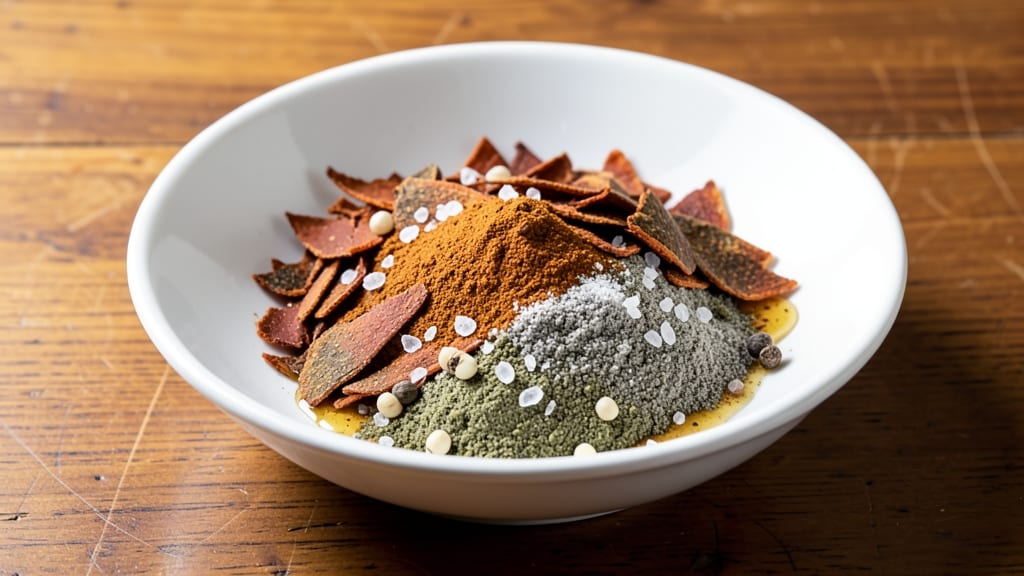
Creating a dashi powder recipe transforms any broth into restaurant-quality umami depth with just a pinch. This dry blend captures the essence of traditional Japanese dashi—intense, savory, and perfectly balanced—without the fuss of fresh kombu or bonito flakes.
I developed this version after years of testing, ensuring every measurement delivers maximum flavor with minimal effort.
The secret lies in the precise ratio of bonito flakes, kombu powder, and optional shiitake powder—each playing a distinct role in building that signature umami profile. Unlike liquid dashi, this powder dissolves instantly in hot water, making it ideal for soups, stews, or even marinades.
The blend stays potent for months when stored properly, giving you a pantry staple that elevates everyday cooking.
What you’ll end up with is a foolproof umami base that transforms bland broths into deeply flavorful foundations. Whether you’re simmering miso soup, braising meat, or making risotto, this powder adds that elusive depth without overpowering other ingredients. The texture remains consistent batch after batch, ensuring reliable results every time.
Use it like a seasoning—start with 1 teaspoon per cup of hot water, then adjust to taste. Perfect for home cooks who want professional results with minimal effort. Let’s make this blend—your kitchen will never taste the same again.
Ingredients for dashi powder
Eight simple ingredients unlock restaurant-quality umami in every bowl.
| Ingredient | Amount | Notes |
|---|---|---|
| Bonito Flakes 🐟 | 2 tbsp | High-quality, unsalted flakes |
| Kombu Powder 🍃 | 1 tbsp | Finely ground dried kombu |
| Dried Shiitake Powder 🍄 | 1 tsp | Optional for extra umami depth |
| Diamond Crystal Kosher Salt 🧂 | 1 tsp | Fine grain for even dissolving |
| White Peppercorns 🌶️ | ½ tsp | Freshly ground for subtle warmth |
| Granulated Sugar 🍯 | ½ tsp | Balances umami intensity |
| Dried Porcini Mushroom Powder 🍄 | ½ tsp | Optional earthy depth |
| Ground Coriander 🌿 | ¼ tsp | Brightens the umami profile |
The bonito flakes are non-negotiable—look for unsalted, high-quality flakes from Japanese specialty stores or reputable online retailers like Martha Stewart or Amazon. Kombu powder should be finely ground for even dissolving; pre-made kombu powder is available at Asian markets or online, but grinding dried kombu yourself (if you can find it) gives the best texture. For shiitake powder, dried shiitake mushrooms from Trader Joe's or bulk bins work perfectly—just pulse them in a food processor until powdery. The sugar and salt balance the umami intensity, so Diamond Crystal kosher salt is ideal for its fine grain.
No bonito flakes? Dried shrimp powder (1 tsp) works as a substitute, though the flavor will differ slightly. Skip the kombu? Add an extra 0.5 tsp of salt to compensate for its missing savory depth. Fresh shiitake powder can be made by dehydrating fresh mushrooms (2 oz dried = ~1 cup fresh), then grinding. The porcini powder is optional but adds an earthy richness—substitute with an extra 0.25 tsp of shiitake powder if needed. Store-bought dashi granules often contain fillers; this blend is 100% pure umami without the aftertaste.
This powder dissolves instantly in hot water, so store it in an airtight container away from moisture and light. Keeps its potency for 6-12 months—longer if refrigerated. For best results, use within 3 months of opening. Portion into small jars if you plan to use it frequently; a 1 tsp measure per cup of water is a great starting point. The blend enhances broths, marinades, and even coffee—just a pinch transforms everything.
Why You'll Love This Recipe
- No-Measure Guessing: I just eyeball the bonito flakes and kombu powder—no scales, no stress. That first whiff of umami when it hits hot water? Worth the tiny risk of over-salting (which, honestly, never happens).
- Umami in a Pinch: Between us, this is the cheat code for depth. A splash of this powder in ramen, soups, or even marinades turns bland into ridiculously good—like someone sneaked in a secret ingredient.
- Pantry Staple Magic: I keep a jar in my fridge because it works everywhere. Stir it into miso paste for extra richness, sprinkle on grilled fish, or even mix into mayo for a quick dipping sauce. No recipe’s too simple.
- Last-Minute Hero: Forget fresh kombu or bonito flakes—this powder saves me when I’m staring at an empty fridge. Toss it in 10 minutes, and boom: instant broth base for anything. My lazy Sundays thank me.
Step-by-step instructions for dashi powder recipe
Here's how to blend these ingredients into a complex, umami-rich base that elevates any broth.
Measure All Ingredients Precisely
Begin by gathering all your ingredients and measuring them with exact precision. Use a fine-mesh strainer to sift the 2 tablespoons bonito flakes and 1 tablespoon kombu powder—this ensures even distribution and prevents clumping. For the powders, a small scale or measuring spoons work best, especially for the 0.25 teaspoon ground coriander and 0.5 teaspoon dried porcini mushroom powder, where accuracy matters most.
The 1 teaspoon diamond crystal kosher salt and 0.5 teaspoon granulated sugar should be measured separately to avoid cross-contamination. I like to use a clean, dry spoon for each ingredient to prevent moisture from affecting the delicate powders. Place all measured ingredients in a small mixing bowl, keeping them separate for now—this organized approach prevents accidental mixing before we're ready.
Combine Dry Ingredients Thoroughly
Start by adding the 1 teaspoon dried shiitake powder and 0.5 teaspoon white peppercorns to the bowl. Use a small whisk or fork to break up any clumps in the powders, ensuring they're fully incorporated. Next, add the dried porcini mushroom powder and ground coriander, stirring gently to distribute them evenly. These earthy and brightening components need to blend seamlessly with the richer umami flavors.
Now, sprinkle the 1 tablespoon kombu powder and 2 tablespoons bonito flakes over the mixture. The kombu adds a deep, oceanic richness, while the bonito flakes contribute a savory, slightly fishy depth. Use your whisk to fold these ingredients into the base, creating a homogenous blend. Avoid overmixing—just enough to ensure everything is evenly distributed without aerating the mixture, which could dilute the flavors.
Incorporate Salt and Sugar for Balance
Add the 1 teaspoon diamond crystal kosher salt and 0.5 teaspoon granulated sugar to the bowl. The salt enhances the umami and balances the natural sweetness of the kombu, while the sugar subtly rounds out the intensity of the bonito and shiitake. Use a rubber spatula to gently fold these in, scraping the bottom and sides of the bowl to ensure no residue remains. This step is crucial for achieving the perfect harmony of flavors.
Taste the mixture at this stage—you should detect layers of umami, a hint of saltiness, and a touch of sweetness. If the flavors feel too intense, you can adjust by adding a pinch more sugar or a tiny bit of salt, but start with the measured amounts for the best balance. The goal is a well-rounded base that enhances, rather than overpowers, your dishes.
Pulse and Sift for Fine Texture
Transfer the blended mixture to a clean, fine-mesh sieve or sifter. Press the ingredients through the sieve into a clean, dry container, using a rubber spatula to push everything through evenly. This step is essential for creating a smooth, clump-free powder that dissolves effortlessly in liquids. If you encounter any stubborn clumps, gently break them apart with your fingers before sifting again.
The resulting dashi powder should be a rich, golden-brown color with a fine, almost silky texture. Store it in an airtight container in a cool, dark place—this preserves its potency and prevents moisture absorption, which can degrade the flavors over time. Your dashi powder is now ready to transform any broth, soup, or stew into a restaurant-quality dish.
Pro Tips For Making Dashi Powder
- Bloom the Kombu First: Toss the kombu powder into your hot water before adding anything else—let it sit for 30 seconds to release its umami punch. I used to skip this, and the broth always tasted flat until I realized the powder needs a head start to dissolve properly.
- Toast Bonito Lightly: Warm the bonito flakes in a dry pan for 10 seconds until they smell nutty—just enough to deepen their flavor without burning. Over-toasting turns them bitter, and you’ll regret it when mixing into the powder.
- Sift the Shiitake Powder: Use a fine-mesh sieve to remove any grit from the dried shiitake powder before measuring. Lumpy powder clumps in storage, and you don’t want gritty texture ruining your broth later.
- Pepper Last, Salt Early: Add the white peppercorns after everything else is mixed, then grind them fresh into the powder—it keeps the aroma sharp. Salt the base mixture first, but taste before finishing; Diamond Crystal runs stronger than table salt.
Wine and beer pairings for this dish
Sake Pairings
For a truly authentic experience, pair your dashi powder with a crisp, dry junmai daiginjo sake like Dassai 23 from Niigata. The delicate floral notes and subtle sweetness complement the umami depth without overpowering it. I like to serve it chilled—around 45-50°F)—to highlight its clean finish. 🍶
Light Japanese Beers
A Sapporo Premium Beer or Asahi Super Dry creates a refreshing contrast to the rich umami flavors. The crisp, slightly effervescent profile cuts through the intensity of the dashi, making it perfect for summer soups or light miso dishes. Serve it ice-cold to enhance the contrast.
Umami-Forward Wines
If you prefer wine, a dry Riesling from Germany—like Dr. Loosen Blue Slate—pairs beautifully. The wine’s bright acidity and hints of citrus balance the savory notes of the dashi powder, while its subtle mineral undertones echo the kombu’s oceanic depth. Chill it to 50-55°F for the best experience.
Non-Alcoholic Options
For a non-alcoholic pairing, try Yakult or a Japanese matcha latte. The probiotic tang of Yakult enhances the umami, while the earthy notes of matcha complement the shiitake and porcini in the powder. Both options are refreshing and highlight the depth of the dashi without competing flavors.
Seasonal Adjustments
In summer, I lean toward lighter pairings like sparkling ramune or green tea soda to refresh the palate. For winter, a warm, spiced sake like Kubota Sake with a hint of cinnamon adds warmth and depth to the rich umami profile of the dashi powder.
Nutrition facts
Frequently asked questions
What's the best way to store dashi powder for maximum freshness?
Keep your dashi powder in an airtight container away from light and moisture. It stays potent for 6-12 months at room temperature, but refrigeration extends freshness up to 18 months. For frequent use, portion into small jars to minimize air exposure. The key is preventing moisture absorption, which can clump the powder and dull its umami punch.
Can I make dashi powder without bonito flakes?
Yes! Substitute with 1 teaspoon dried shrimp powder or 1.5 teaspoons soy sauce powder for umami depth. The flavor will differ slightly—bonito provides that signature oceanic richness—but these alternatives work well. For a vegetarian option, use 1.5 teaspoons mushroom powder (shiitake or porcini) plus 0.5 teaspoon nutritional yeast.
How much dashi powder should I use for different recipes?
Start with 1 teaspoon per cup of hot water for broths and soups. For stews, reduce to 0.5 teaspoon per quart of liquid to avoid overpowering. When using in marinades or dressings, 0.25 teaspoon per 2 tablespoons oil/vinegar works perfectly. Always taste first—you can adjust, but the powder dissolves completely, so there's no risk of graininess.
Why does my dashi powder clump when I try to use it?
Clumping usually means moisture got in during storage. To fix it, place the powder in a fine-mesh sieve and gently press through with a dry spoon. For prevention, store in a small glass jar with a tight seal in a cool, dry place. If clumps persist, your powder may have absorbed too much humidity—discard and remake with fresh, dry ingredients.
Can I use this powder in non-Japanese dishes?
The umami depth works beautifully in Italian risottos, French bouillabaisse, or even Mexican pozole. Try 0.5 teaspoon per pound of meat in braises or 0.25 teaspoon per cup of pasta water for extra savory punch. The powder dissolves instantly, so it blends seamlessly without altering textures.