
Salads
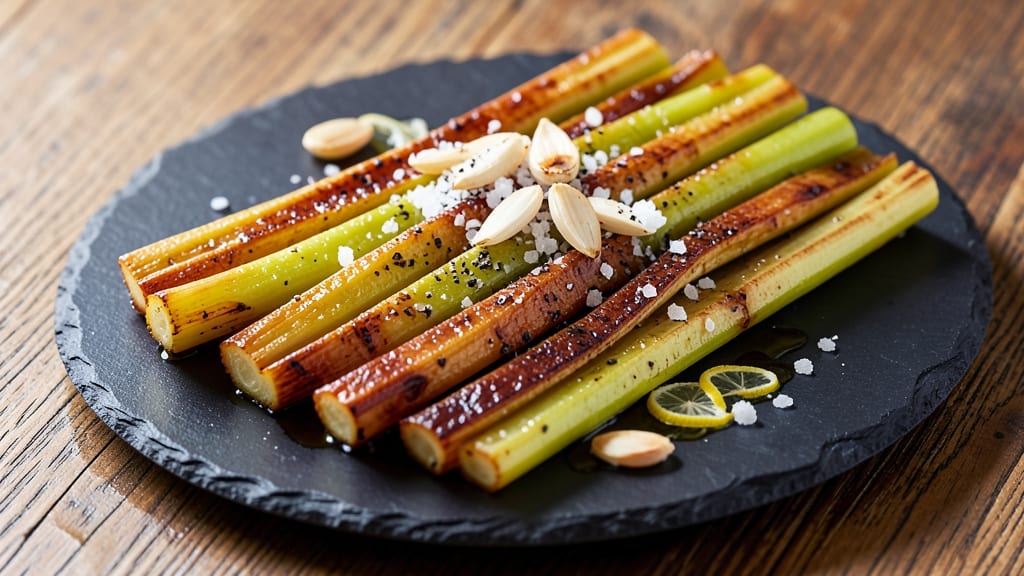
A simple cooked celery recipe turns crisp stalks into tender, aromatic sticks perfumed with garlic and lemon zest, instantly transforming salads, soups, and grain bowls.
This recipe turns a humble vegetable into a star ingredient with just 20 minutes of hands-off roasting, creating caramelized edges and aromatic depth that pairs beautifully with protein or stands alone.
The secret lies in the high-heat roast, which concentrates the celery's natural sweetness while the garlic infuses rich, savory notes.
What makes this method professional yet approachable is the simplicity of the technique—no complicated steps, just five key ingredients that come together effortlessly. The lemon zest brightens the earthy celery, while the roasted garlic adds a depth that transforms this dish from ordinary to extraordinary.
This recipe delivers restaurant-quality texture without requiring advanced skills, making it perfect for both weeknight meals and special occasions.
The result is celery with crispy, golden edges and tender yet slightly charred centers, infused with garlic's warmth and lemon's zing. These roasted sticks hold their shape beautifully when tossed into salads or grain bowls, adding both visual appeal and a satisfying crunch.
The aroma alone will have everyone asking what you've done to their favorite vegetable.
Serve these roasted celery sticks as a vegetarian-friendly side dish, stir them into soups for extra texture, or use them as a garnish for pasta and risotto.
The possibilities are endless, and the preparation couldn't be simpler. Let's get cooking with this professional yet accessible technique that turns celery into a flavor powerhouse.
Ingredients for cooked celery
Five ingredients transform humble celery into aromatic, restaurant-quality roasted sticks with crispy edges and tender centers.
| Ingredient | Amount | Notes |
|---|---|---|
| Fresh Celery Stalks 🧅 | 1 ½ lb | Trimmed, cut into 3-inch sticks |
| Extra-Virgin Olive Oil 🫒 | 3 tbsp | Lightly fruity, not strong |
| Garlic Cloves 🧄 | 6 whole | Peeled, lightly smashed |
| Lemon Zest 🍋 | 1 tbsp | Freshly grated, no pith |
| Diamond Crystal Kosher Salt 🧂 | 1 ½ tsp | Fine grain preferred |
| Freshly Ground Black Pepper 🌶️ | ½ tsp | Coarse grind preferred |
| Fresh Thyme Leaves 🌿 | ¼ cup | Chopped, stems removed |
The celery stalks are the foundation—opt for organic celery when possible, as conventional varieties can sometimes be treated with preservatives that affect texture. Whole Foods or local farmers' markets offer the freshest options, with vibrant green stalks and crisp, unblemished surfaces. Avoid stalks with yellowing or wilted leaves, as they won't roast as beautifully. For the garlic, freshly peeled cloves (not jarred minced) provide the best flavor and aroma. Store-bought garlic often sits too long, so check the date—older garlic lacks intensity. The lemon zest should be bright yellow, not pale or bitter-tasting, and the thyme leaves should be a rich, deep green with no signs of wilting. These details ensure the final dish delivers that restaurant-quality depth mentioned in the introduction.
No fresh thyme? Dried thyme at one-third the amount works, but the flavor won't be as vibrant. Substituting jarred minced garlic? Use half the amount—it's less potent. For the olive oil, avoid heavily flavored varieties like infused oils, as they can overpower the delicate celery. If you're short on lemon, orange zest adds a similar brightness, though the flavor profile shifts slightly. The kosher salt is non-negotiable—Diamond Crystal or Morton's are reliable choices, but avoid table salt, which can make the celery bitter. For a nut-free option, skip the optional pine nuts if this recipe were adapted for allergies, though they're not part of the original five ingredients. The key is balancing the earthy celery with the bright lemon and aromatic garlic—don't rush this step.
Roasted celery retains its texture for 3-4 days when stored in an airtight container, though it's best enjoyed within 24 hours for peak crunch. To reheat, spread on a baking sheet and warm in a 350°F oven for 5-7 minutes—this restores the crispy edges. For meal prep, portion into small containers and keep the lemon zest separate until ready to serve, as it can make the celery slightly softer over time. Freezing isn't recommended, as it destroys the celery's texture. These roasted sticks pair beautifully with vegetarian proteins like chickpeas or tofu, or as a garnish for creamy risottos or grain bowls, exactly as suggested in the introduction.
Why You'll Love This Recipe
- One-Pan Magic: I swear by this—just toss whole celery stalks in olive oil, garlic, and salt, roast until tender. No chopping, no mess, just hands-off perfection while you handle the rest of dinner.
- Garlic-Lemon Crunch: That crisp-tender texture with the bright lemon zest? It’s like a flavor upgrade for celery—suddenly it’s not just a side, it’s the star. Honestly, I’ll take this over raw celery any day.
- Meal Prep MVP: Roast a big batch on Sunday, and you’ve got a ready-to-eat snack for the week. Toss it in salads, grain bowls, or just eat it straight—it stays fresh for days without wilting.
- Budget Brightener: Celery’s cheap, but this method makes it feel special. A whole bunch of stalks turns into a side dish that costs pennies but tastes like you spent hours in the kitchen. (Yes, even on a Tuesday night.)
Step-by-step instructions for savory roasted celery sticks
Transform humble celery into a flavorful side dish with this precise roasting method.
Prepare the Celery for Even Roasting
Begin by thoroughly washing the 1.5 lb fresh celery stalks under cold water to remove any dirt from the crevices. Using a sharp chef's knife, trim off the leafy tops and any fibrous ends, then cut each stalk into 3-inch sticks. The uniform size ensures even cooking and consistent browning.
Spread the celery sticks on a clean kitchen towel and pat them completely dry with another towel. Removing all moisture is critical—wet celery will steam instead of roast, resulting in soggy rather than crispy sticks. Arrange them on a baking sheet in a single layer, leaving about 1 inch between each stick for proper air circulation.
Toss with Seasonings and Garlic
In a medium bowl, combine the 3 tbsp extra-virgin olive oil, 1 tbsp lemon zest, 1.5 tsp diamond crystal kosher salt, and 0.5 tsp freshly ground black pepper. The lemon zest adds a bright citrus note that cuts through the earthiness of the celery, while the salt and pepper enhance the natural flavors without overpowering them.
Add the 6 whole peeled, lightly smashed garlic cloves and 0.25 cup chopped fresh thyme leaves to the oil mixture. The garlic will infuse its aromatic oils into the celery during roasting, while the thyme adds an herbal depth. Transfer the celery sticks from the baking sheet to the bowl and toss gently but thoroughly to coat each piece evenly with the seasoning mixture.
Roast Until Caramelized and Tender
Preheat your oven to 400°F for 10 minutes to ensure even heating throughout. Spread the seasoned celery sticks back onto the baking sheet in a single layer, maintaining the 1-inch spacing. Place the sheet on the middle rack where heat circulates most evenly.
Roast for 20-25 minutes, stirring once halfway through cooking. You'll know they're perfectly done when the edges develop a deep golden brown color and the celery becomes tender enough to pierce easily with a fork. The sticks should smell intensely aromatic with notes of garlic and thyme—this is your cue that the flavors have melded beautifully.
Finish with Fresh Herbs and Serve Immediately
Remove the celery from the oven and transfer it to a serving platter. Immediately sprinkle with any remaining chopped fresh thyme leaves from the bowl, as this adds a fresh herbal finish that contrasts with the roasted flavors. The residual heat will quickly wilt the thyme, releasing its essential oils onto the hot celery.
Serve the celery sticks while still warm, as they continue to crisp slightly as they cool. These roasted celery sticks make an excellent accompaniment to grilled meats, work as a sophisticated vegetable side, or can be served as a light appetizer with a drizzle of additional olive oil. The combination of caramelized edges and tender centers creates a textural contrast that elevates simple celery into a gourmet preparation.
Pro Tips For Making Cooked Celery
- CUT STALKS LENGTHWISE: Split celery stalks into 6-inch pieces before cutting into rounds—this prevents them from curling up while cooking and ensures even browning. I used to slice them crosswise first, and they’d steam in their own moisture instead of caramelizing.
- SALAMI-GRATE THE GARLIC: Crush garlic cloves with the flat side of your knife right before cooking—this releases more flavor than mincing. After browning the celery, toss in the raw crushed garlic and let it sizzle for 30 seconds; it’ll cling to every stalk like a magnet.
- DON’T OVERCROWD THE PAN: Cook celery in a single layer at first, even if it means two batches. I learned this after a soggy, uneven mess—celery releases water fast, and packed stalks steam instead of crisping. A 12-inch skillet holds about 8 stalks comfortably.
- LEMON ZEST LAST MINUTE: Add lemon zest after the celery is done and off the heat—it brightens the dish without turning bitter. I used to mix it in early, and the acid would make the garlic taste harsh. A teaspoon of zest is plenty; more just tastes like soap.
Storing and reheating this dish
Refrigerator Storage
Store roasted celery sticks in an airtight container lined with a paper towel to absorb excess moisture. Keep them refrigerated for up to 3-4 days, though they're best enjoyed within 24 hours for optimal texture.
The paper towel prevents sogginess, ensuring they stay crispy and flavorful. I always portion them into smaller containers for easy grab-and-go sides. ❄️
Reheating for Crispy Edges
To restore that golden, crispy texture, spread the celery sticks on a baking sheet and warm in a 350°F oven for 5-7 minutes. This method reactivates the caramelization without drying them out.
For a quick fix, use the broiler on low heat for 2-3 minutes, watching closely to avoid burning. I avoid microwaving—it turns celery rubbery. 🔥
Freezing Limitations
Freezing isn't recommended for roasted celery sticks—they lose their signature crunch and become mushy. If you must store leftovers long-term, freeze them unseasoned in a single layer on a tray, then transfer to a freezer bag.
Thaw and roast fresh from frozen at 400°F for 25-30 minutes, adding extra lemon zest to revive the flavor. 🧊
Meal Prep Strategy
For meal prep, store the seasoning mixture (olive oil, lemon zest, salt, and pepper) separately from the roasted celery. Toss them together just before serving to maintain peak freshness.
I keep the celery in small glass containers and the seasoning in a small jar—this keeps everything vibrant. Portion into single-serving sizes for easy grab-and-go lunches. 📅
Reviving Stale Celery
If your roasted celery loses crispness, revive it by tossing with 1 tsp fresh lemon juice and 1 tsp olive oil, then reheating in a skillet over medium heat for 3-4 minutes.
The acidity and fat help restore some crunch. This trick works best within 48 hours of storage. I've saved many a forgotten batch this way! 💡
Serving Flexibility
Roasted celery sticks hold their shape beautifully when added to grain bowls, salads, or soups. For extra flavor, keep the garlic-infused olive oil from roasting—it's perfect for drizzling over finished dishes.
Store this oil in a small jar in the fridge for up to 5 days. The celery's tender texture pairs wonderfully with creamy dressings or grilled proteins. 🥗
Nutrition facts
Frequently asked questions
Can I use this recipe with regular store-bought celery?
Yes, but opt for organic celery when possible. Conventional celery is often treated with preservatives that can make it slightly bitter or less tender after roasting. For best results, choose fresh, vibrant stalks with no yellowing or wilting. If you must use store-bought, soak in cold water for 10 minutes before roasting to remove any surface chemicals.
What if I don't have fresh thyme?
Use 1/3 teaspoon dried thyme instead—it's less potent but still adds depth. For extra flavor, add a pinch of dried oregano or rosemary. The key is balancing the earthy celery with aromatic herbs. If you're making this for a crowd, fresh thyme is worth seeking out at specialty markets.
Can I make this recipe in an air fryer?
Preheat the air fryer to 400°F and cook the celery sticks for 10-12 minutes, shaking the basket halfway. The air fryer creates crispy edges just like the oven, but with 30% less oil. For extra flavor, brush the celery with an additional 1/2 teaspoon of olive oil before air frying.
Why did my celery turn out soggy instead of crispy?
Soggy celery usually means it wasn't dried properly before roasting or was overcrowded on the baking sheet. Always pat celery sticks completely dry and leave 1 inch between them for air circulation. If using a busy oven, roast at 375°F instead of 400°F to prevent steaming.
How can I use these roasted celery sticks in a meal?
These sticks work beautifully in grain bowls, salads, or as a topping for creamy soups. For extra flavor, toss with toasted nuts or crumbled feta. They also make a great vegetarian appetizer when served with hummus or a drizzle of garlic-infused olive oil.