
Breakfast & Brunch
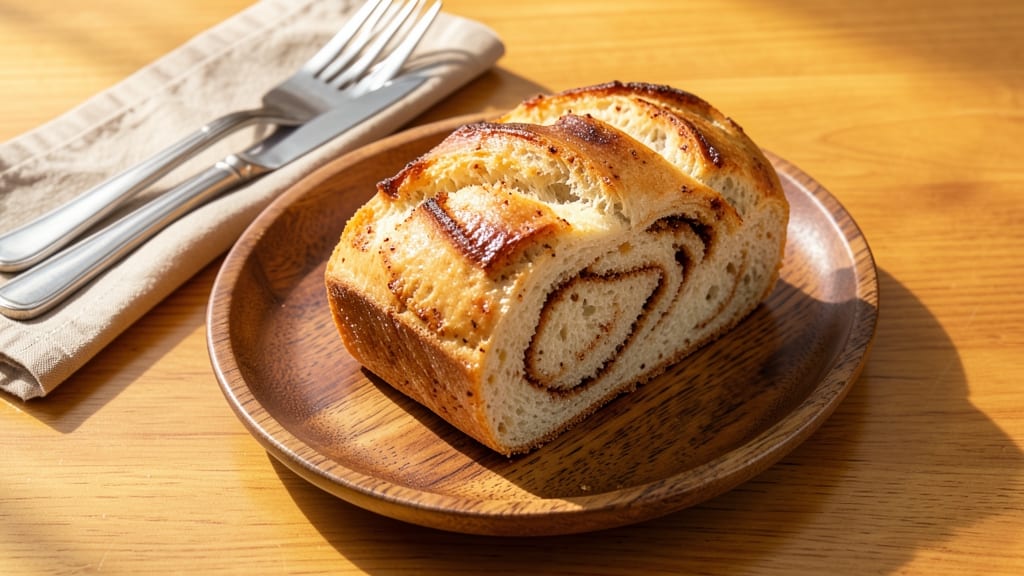
This cinnamon brioche bread recipe delivers the perfect balance of buttery richness and flaky layers that make every slice irresistible.
The secret lies in the dough's slow fermentation, which develops deep flavor and tender crumb, while the cinnamon swirls add warmth and texture that transform simple toast into a decadent treat.
I've baked this recipe for holiday breakfasts and family gatherings, and it never fails to impress—even skeptics become converts after the first bite.
The process begins with a foolproof brioche dough that requires patience but rewards with restaurant-quality results. We'll activate the yeast properly, knead until silky smooth, and let it proof overnight for maximum flavor development.
The cinnamon-sugar swirls are layered in just the right amount to create pockets of sweetness without overwhelming the buttery richness of the bread itself.
By the time it emerges from the oven, you'll have golden, pull-apart loaves with crisp edges and a tender, airy interior. The aroma alone will have everyone gathering in the kitchen, and the first taste will confirm why this recipe becomes a household staple.
Whether you serve it warm with butter, use it for French toast, or enjoy it as a breakfast centerpiece, this brioche delivers perfection every time.
For best results, follow the precise timing for proofing and baking—these steps make all the difference in achieving that ideal texture. The recipe includes optional finishing touches like an egg wash or extra cinnamon sugar, but even the basic version will exceed expectations.
Let's get started on creating your signature brioche that becomes a family tradition.
Ingredients for cinnamon brioche bread
Buttery dough, cinnamon swirls, and flaky layers—this brioche needs just 13 ingredients for restaurant-quality results.
| Ingredient | Amount | Notes |
|---|---|---|
| All-Purpose Flour 🌾 | 4 cups | Sifted for light texture |
| Unsalted Butter 🧈 | 1 cup | Cold, cubed, European preferred |
| Large Eggs 🥚 | 3 whole | Room temperature for even mixing |
| Granulated Sugar 🍚 | ½ cup | For dough sweetness |
| Active Dry Yeast 🍞 | 0.03 oz | 1 packet (2 1/4 tsp) |
| Whole Milk 🥛 | ½ cup | Warmed to 110°F |
| Diamond Crystal Kosher Salt 🧂 | ½ tsp | Adjust to taste |
| Ground Cinnamon 🌶️ | ¼ cup | Pure Ceylon preferred |
| Light Brown Sugar 🍚 | ¼ cup | Packed, for swirls |
| Granulated Sugar 🍚 | ¼ cup | For swirls, fine grain |
| Vanilla Extract 🍯 | 1 tsp | Pure Madagascar preferred |
| Large Egg Yolk 🥚 | 1 whole | For egg wash |
| Coarse Sugar 🍚 | ⅛ cup | For topping, optional |
The butter is non-negotiable here. European-style unsalted butter (like Plugrá or Kerrygold) melts beautifully and gives that signature richness. If you can only find regular butter, reduce the salt in the dough by half. The flour should be bread flour if possible—King Arthur or Caputo are my go-tos—but all-purpose works in a pinch. For the yeast, fresh yeast from the refrigerated section (like Saf-Instant) is more reliable than old packets that might be past their prime. And that cinnamon? Ceylon ground cinnamon has a sweeter, more delicate flavor than regular cassia—worth the splurge for this recipe.
No vanilla extract? Vanilla bean paste works just as well, or even a vanilla sugar packet in a bind. The brown sugar can be swapped for white sugar if you're out, but the swirls will be slightly less moist. For a dairy-free option, whole milk substitute (like Oatly) works best—just warm it to the same temperature. The dough gets sticky, so lightly grease your hands when handling it. If your kitchen gets cold, place the dough in a warm spot (like near the oven with the light on) to help it proof faster. And that egg wash? Only use the yolk—the whites can make the bread tough.
This dough is best made a day ahead. Wrap tightly in plastic wrap and refrigerate overnight—it develops more flavor that way. The swirled loaves keep 2 days at room temperature wrapped in a clean kitchen towel, or 5 days in the fridge in an airtight container. For longer storage, freeze the shaped loaves (before baking) for up to 3 months. To reheat, wrap in foil and warm in a 350°F oven for 10 minutes. The aroma alone will have everyone thinking you're a professional.
Why You'll Love This Recipe
- No-Knead Magic: I swear by this trick—just mix the dough, let it rise overnight, and wake up to something already proofed. The butter gets folded in like a lazy Sunday, and the yeast does all the heavy lifting while I sleep.
- Buttery, Sweet Payoff: That first pull-apart bite? Warm, pillowy brioche with cinnamon-sugar swirls melting into the soft dough. The eggs and butter make it rich, but the sugar keeps it from feeling heavy—like a hug in bread form.
- Breakfast to Dessert: Serve it toasted with jam for breakfast, slathered in butter for dinner sandwiches, or sliced into cinnamon rolls. Honestly, I’ve even used the leftover dough to make garlic knots—because why not?
- Budget-Friendly Luxury: A single batch costs less than takeout but feels like a bakery treat. The dough keeps for days in the fridge, and you can freeze slices for quick toast. My wallet and my taste buds win.
Step-by-step instructions for cinnamon brioche bread
Here's the method for creating that signature buttery swirl and irresistible flakiness.
Activate the Yeast and Prepare the Dough Base
In a small bowl, combine the 0.5 cup warm whole milk (about 110°F) with the 0.03 oz active dry yeast and 0.5 cup granulated sugar. Let this sit for 5-10 minutes until it becomes frothy and bubbly—this confirms your yeast is active. If it doesn't bubble, start over with fresh yeast.
In a stand mixer fitted with the dough hook attachment, combine the 4 cups all-purpose flour and 0.5 tsp diamond crystal kosher salt. Mix on low speed just to incorporate, then add the 1 cup cold unsalted butter, cut into cubes. Mix on medium speed until the butter is fully incorporated and the mixture resembles coarse crumbs with some butter pieces still visible—this prevents gluten development that would make your brioche tough.
Mix in Wet Ingredients and Develop the Dough
Add the 3 whole large eggs and 1 tsp vanilla extract to the mixer. Mix on medium speed until the dough comes together and begins to pull away from the sides of the bowl. This should take about 3-4 minutes. The dough will be soft and slightly sticky—this is normal for brioche.
Increase the mixer speed to medium-high and knead for 4-5 minutes until the dough is smooth, elastic, and slightly tacky. The dough should pass the "windowpane test"—when you stretch a small piece, it should thin out without tearing. This ensures proper gluten development without overworking, which would make the bread dense.
Prepare the Cinnamon Swirl Filling and First Rise
In a small bowl, combine the 0.25 cup light brown sugar, 0.25 cup granulated sugar, and 0.25 cup ground cinnamon. This is your signature filling that will create those irresistible swirls. Divide the dough into 4 equal portions (about 8 oz each) and roll each into a 12-inch log on a lightly floured surface. Keep the logs separate for now.
Place each log on a parchment-lined baking sheet, cover with a clean kitchen towel, and let rise in a warm place (like a turned-off oven with the light on) for 1-1.5 hours, or until the dough has nearly doubled in size and feels light when pressed gently. The edges should pull away slowly when you press them—this indicates proper fermentation.
Assemble the Swirls and Second Rise
Preheat your oven to 350°F. On a lightly floured surface, roll each risen log into a 16-inch rectangle about 1/8-inch thick. Spread 1/4 of the cinnamon sugar mixture evenly over each rectangle, leaving a 1-inch border around the edges. This border prevents the filling from bursting out during baking.
Starting from the long side, tightly roll each rectangle into a log, sealing the edges as you go. Place the assembled logs seam-side down on a parchment-lined baking sheet. Cover with a kitchen towel and let rise for another 30-45 minutes, or until the dough has puffed noticeably and feels springy to the touch. The logs should maintain their shape when gently pressed.
Bake to Golden Perfection and Finish
Brush the risen logs generously with the 1 whole large egg yolk mixed with 1 tablespoon water for a beautiful golden finish. Sprinkle the 0.125 cup coarse sugar evenly over the tops if using. Bake in the preheated 350°F oven for 25-30 minutes, until the bread is deep golden brown and sounds hollow when tapped on the bottom.
Remove from the oven and let cool on a wire rack for 10 minutes before slicing. The interior should be tender with those signature buttery swirls visible through the flaky layers. For maximum freshness, serve warm with butter or jam—just be prepared for everyone to ask for the recipe!
Pro Tips For Making Cinnamon Brioche Bread
- Soft Butter First: DESCRIPTION: Cut that unsalted butter into tiny, pea-sized pieces before mixing—no bigger than a dime. I used to lump it in and wondered why my dough never got that tender, melt-in-your-mouth texture. Cold butter creates pockets that turn into flaky layers when baked, and skipping this step means you’re basically making brioche’s sad, dense cousin.
- Proof Until Puffy: DESCRIPTION: Don’t rush the final rise—your dough should double in size and feel light as a cloud when you poke it. I learned this the hard way by pulling it out too soon, which left me with a dense, brick-like loaf. A warm spot (like your oven with the light on) speeds this up, but resist the urge to overproof either—it’ll collapse when baked.
- Skip the Overmixing: DESCRIPTION: The moment gluten gets tough, your brioche turns into a chewy, rubbery mess. Mix just until the dough comes together—no need to knead like you’re punishing it. A few lumps? Doesn’t matter. Overworking it kills the airiness that makes brioche special, and trust me, your hands will thank you too.
- Brown the Sugar: DESCRIPTION: Lightly toast your granulated sugar in a dry pan for 2–3 minutes until it smells caramelized. This adds depth to the cinnamon flavor without altering the recipe’s structure. I was skeptical until I tried it—now it’s non-negotiable for me. Just don’t walk away; it burns faster than you think.
Make-ahead tips for leftovers
Overnight Dough Prep
The secret to deep flavor in cinnamon brioche is a slow, cold fermentation. After mixing your dough, divide it into portions, shape into logs, and place them in a lightly greased loaf pan or airtight container. Cover tightly with plastic wrap and refrigerate for 12-16 hours.
This cold proofing develops complex flavors and makes the dough easier to handle later. I always prep mine the night before—it’s a game-changer for busy mornings. 🌙
Freezer-Friendly Loaves
Shape your cinnamon brioche logs as directed, but instead of baking immediately, wrap them individually in plastic wrap, then place inside a freezer bag. Label with the date and freeze for up to 3 months.
When ready to bake, thaw in the fridge overnight, then proceed with the normal baking instructions. The texture remains just as tender—no freezer burn in sight! 🧊
Make-Ahead Swirls
Prepare the cinnamon-sugar filling ahead of time by mixing the brown sugar, granulated sugar, and cinnamon in a small bowl. Store it in an airtight container at room temperature for up to 1 week.
This saves prep time on baking day and keeps your ingredients fresh. I often make this the night before so I’m ready to assemble first thing in the morning. ✨
Room-Temp Storage
Once baked, let your brioche cool completely, then wrap each loaf in a clean kitchen towel and place in a paper bag at room temperature. This keeps it fresh for 2 days while maintaining that perfect pull-apart texture.
For longer storage, slice and freeze individual portions—just toast directly from frozen for 3-4 minutes at 375°F. 🍞
Portion Control
Divide your dough into 4 equal 8-ounce portions before shaping to ensure consistent sizing. Use a kitchen scale for precision—this prevents uneven baking where some logs might be denser than others. I weigh mine right after the first rise for foolproof results every time. 🏋️
Egg Wash Prep
Mix your egg wash (1 yolk + 1 tablespoon water) in a small bowl and cover it with plastic wrap. Store it in the fridge for up to 2 days—it’s perfect for brushing on baked goods whenever you need that golden finish.
I keep a small jar in my fridge for quick touch-ups on cinnamon rolls or brioche whenever inspiration strikes. 🥚
Nutrition facts
Frequently asked questions
Why does brioche dough need to be cold when mixing butter?
Cold butter creates pockets of fat in the dough that melt during baking, creating those signature flaky layers. If the butter melts too soon, the bread becomes dense instead of tender. Always keep your butter chilled until the very end of mixing—it should still have some firmness when added.
Can I make this without a stand mixer?
Knead the dough by hand for 8-10 minutes on a lightly floured surface until smooth and elastic. Work in a well-floured bowl to prevent sticking, and use the "fold and turn" method—push the dough away from you, fold it over, and rotate the bowl. The dough should pass the windowpane test just like with a mixer.
What if my dough doesn't rise properly?
Check your yeast first—it may be expired. Test it by mixing with 1 tsp sugar and 1/4 cup warm water—if it doesn't bubble within 5-10 minutes, replace it. Also ensure your kitchen is warm enough (ideal proofing temp is 75-80°F). If using a cold proof, give it extra time (up to 24 hours in the fridge).
How do I prevent the cinnamon filling from leaking out?
Leave a 1-inch border around the edges when spreading the filling, and roll tightly from the long side. Seal the edges by pinching them gently as you roll. For extra security, chill the assembled logs in the fridge for 30 minutes before baking. This helps the dough hold its shape better.
Can I add other flavors to this recipe?
Yes! Swap the cinnamon for 1/4 cup pumpkin pie spice or 1/4 cup orange zest + 1 tsp cardamom for seasonal variations. For a savory twist, replace the cinnamon filling with 1/4 cup grated Parmesan + 1 tbsp fresh herbs. Just adjust the sugar amount to taste—some flavors need less sweetness.