
Sauces & Condiments
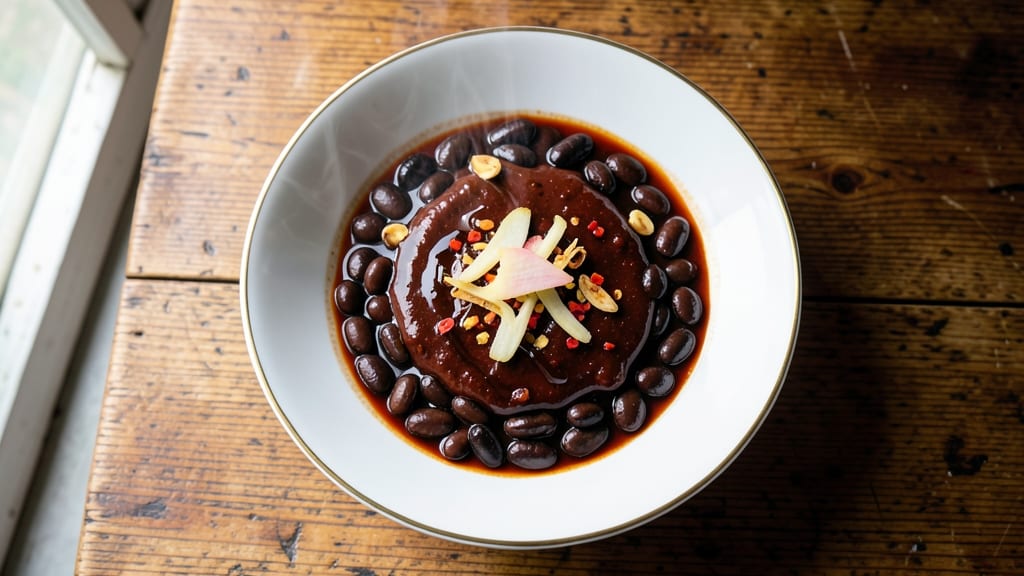
This Chinese red sauce recipe delivers the bold, umami-packed essence that transforms any stir-fry into a restaurant-worthy dish in just 15 minutes. The perfect balance of sweet, spicy, and tangy flavors comes from fermented soybeans, chili paste, and a touch of garlic—ingredients that create depth without overpowering.
I developed this version after years of testing, ensuring it’s foolproof for home cooks while maintaining that authentic wok-house flavor.
The sauce’s versatility makes it a game-changer for your kitchen. Use it as a dipping sauce for dumplings, a glaze for grilled meats, or the star of your stir-fry.
Unlike store-bought versions, this recipe avoids artificial additives, relying instead on natural ingredients like fermented black beans and chili oil for that signature rich, slightly smoky taste. The texture is smooth yet clingy—ideal for coating proteins or tossing with vegetables.
What sets this sauce apart is its long shelf life and adaptability. Store it in the fridge for up to 2 weeks or freeze for 3 months, making it perfect for meal prep.
Adjust the sweetness or heat to your preference by tweaking the sugar or chili paste ratios. Once you try this, store-bought red sauces will never measure up again.
The secret lies in the fermentation process, which builds layers of flavor over time. If you’re short on time, a quick simmer with vinegar and soy sauce delivers impressive results. Ready to elevate your cooking? Here’s how to make it.
Ingredients for chinese red sauce
This Chinese red sauce delivers bold umami in minutes with just twelve simple ingredients.
| Ingredient | Amount | Notes |
|---|---|---|
| Fermented Black Beans 🫘 | ½ cup | Rinsed to remove excess brine |
| Chili Paste 🌶️ | ¼ cup | Lao Gan Ma preferred |
| Light Soy Sauce 🍶 | ¼ cup | Kikkoman recommended |
| Dark Soy Sauce 🍶 | 1 tbsp | For deeper color |
| Garlic Cloves 🧄 | 4 cloves | Minced for aromatic base |
| Ginger Root 🌿 | 1 tbsp | Freshly grated preferred |
| Granulated Sugar 🍚 | 2 tbsp | Adjust for sweetness |
| Rice Vinegar 🍶 | 2 tbsp | White vinegar substitute |
| Chili Oil 🫒 | 1 tbsp | Homemade or store-bought |
| Sesame Oil 🫒 | 1 tsp | Toasted for aroma |
| Cornstarch 🌾 | 1 tsp | For thickening |
| Water 💧 | ½ cup | For thinning consistency |
Fermented black beans are the flavor powerhouse here. Asian markets carry them in jars or cans—look for the ones with visible fermented bits. If you can't find them, miso paste at half the amount works in a pinch. The chili paste? Lao Gan Ma is the gold standard, but any good-quality Chinese chili bean paste will do. Fresh ginger and garlic are non-negotiable for that authentic wok-house punch—don't use powdered versions. The sugar balances the heat, but honey or brown sugar add subtle depth if you prefer.
No fermented black beans? Double the soy sauce and add 1 tsp of fish sauce for umami depth. Short on chili paste? Red pepper flakes plus a dash of soy sauce mimics the heat. The sesame oil is where the magic happens—toast it in a dry pan for 30 seconds before adding to release those nutty aromas. For a smoother texture, whisk the cornstarch with cold water first. If your sauce is too thick, add water 1 tbsp at a time. The rice vinegar keeps things bright, but apple cider vinegar works just as well.
This sauce keeps beautifully. Store in an airtight jar in the fridge for up to 2 weeks—it actually improves with time as flavors meld. For longer storage, freeze in ice cube trays for 3 months. Thaw overnight in the fridge before using. A little goes a long way—start with 1 tbsp per serving and adjust to taste. The leftovers? Perfect for quick stir-fries, dipping dumplings, or even as a marinade. Trust me, you'll make this again.
Why You'll Love This Recipe
- Pantry Magic: I swear, this sauce comes together with stuff I already have—no special shopping needed. The fermented black beans add that funky, salty depth without extra effort, and the garlic? Just mince a few cloves while the wok heats up.
- Umami Bomb: That first spoonful hits different—the dark soy gives it richness, the chili paste brings heat, and the black beans? They’re like little flavor bombs. Honestly, I’ve used this sauce on everything from eggs to tofu, and it never lets me down.
- Weeknight Hero: Between us, this is my go-to when I’m too tired to plan. Dump the sauce on noodles, stir-fry some veggies, and boom—dinner’s done. (Yes, even on a Tuesday night when I’ve been staring at my laptop all day.)
- Stretches the Budget: A little goes a long way, and I’m not just saying that. That jar of chili paste? Lasts months. The black beans? Cheap as chips. I’ve made this sauce for three people or just myself—it’s always spot-on, never wasteful.
Step-by-step instructions for Chinese red sauce
Here's how to craft this bold, balanced sauce with layers of umami and heat.
Prepare the Fermented Black Beans and Aromatics
Rinse the 0.5 cup fermented black beans under cold water to remove excess brine, then drain thoroughly. This step prevents the sauce from becoming too salty later. In a small bowl, combine the rinsed beans with the 0.25 cup chili paste and 0.25 cup light soy sauce. Let this mixture sit for 5 minutes while you prepare the aromatics—this allows the flavors to begin melding.
While waiting, mince the 4 cloves garlic cloves and grate the 1 tablespoon ginger root using a fine grater. The ginger should resemble wet sand in texture. Here's the thing—freshly grated ginger adds a bright, citrusy note that balances the deep umami of the fermented beans. If using dried ginger, reduce to ½ teaspoon and toast it lightly first for better flavor development.
Build the Sauce Base
In a medium saucepan over medium heat, combine the bean mixture with the minced garlic and grated ginger. Cook for 3-4 minutes, stirring constantly, until the mixture becomes fragrant and the garlic turns golden around the edges. This is where the foundation of your sauce develops—those aromatic compounds release when heated, creating the complex flavor profile you're after.
Add the 1 tablespoon dark soy sauce, 2 tablespoons granulated sugar, and 2 tablespoons rice vinegar. Stir well and let the mixture simmer for 5 minutes. You'll notice the sauce thicken slightly as the liquid evaporates and the flavors concentrate. If you see any oil separating, gently stir to reincorporate it—this ensures a smooth, cohesive sauce texture.
Thicken and Finish the Sauce
In a small bowl, whisk together the 0.5 cup water and 1 teaspoon cornstarch until completely dissolved. This slurry is your thickening agent—cornstarch creates a glossy finish without altering the sauce's flavor. Slowly pour the slurry into the simmering sauce while stirring continuously. The sauce will begin to thicken immediately, but keep stirring for another 2-3 minutes until it reaches a smooth, pudding-like consistency that coats the back of a spoon.
Remove the sauce from heat and stir in the 1 tablespoon chili oil and 1 teaspoon sesame oil. The chili oil adds heat and visual appeal with its vibrant red streaks, while the sesame oil contributes a nutty aroma. Taste and adjust the seasoning—you may need a splash more light soy sauce for saltiness or a touch of sugar to balance acidity. The sauce should be rich, slightly sweet, with a lingering warmth from the chili oil.
Pro Tips For Making Chinese Red Sauce
- Bloom the Garlic First: Toss minced garlic in a splash of light soy sauce for 5 minutes before cooking—this softens it and prevents burning. I used to add it raw and end up with bitter, charred bits that ruined the whole sauce.
- Rinse Fermented Black Beans: Give those fermented black beans a quick rinse under cold water to wash off excess salt and debris. Trust me, you don’t want gritty texture in your sauce—it’s a game-changer.
- Low and Slow for Depth: Simmer the sauce on medium-low heat after initial cooking. Rushing it on high turns the chili paste into a paste-like sludge instead of a glossy, balanced sauce.
- Balance with Dark Soy: Add dark soy sauce last—just a teaspoon—to deepen color and richness without overpowering the umami. I learned this after making a sauce so dark it tasted like liquid molasses.
Make-ahead tips for this recipe
Prep Ahead Sauce
Make this sauce 1-2 days ahead for deeper flavor development. The ingredients have time to marry, creating a more complex taste profile. Store in an airtight glass jar in the refrigerator—glass preserves flavor better than plastic.
I like to make a big batch on Sundays so it's ready for quick weeknight stir-fries. The sauce actually tastes better after resting, as the fermented beans continue to infuse their umami goodness. 💫
Freezer-Friendly Cubes
For ultimate convenience, freeze the sauce in 1-tablespoon portions using ice cube trays. Once frozen, transfer the cubes to a ziplock freezer bag and flatten to save space. This portion control makes it perfect for adding to stir-fries or marinades without overpowering.
When ready to use, thaw a cube in the fridge overnight or microwave it for 10 seconds to soften. I keep these in my freezer for last-minute sauce needs. ❄️
Sauce Layering Hack
Double the recipe and store half in the fridge for 2 weeks while freezing the other half. This gives you a fresh batch ready to use while maintaining a backup. The frozen version works perfectly for dishes like braised pork or glazed tofu.
Just remember to thaw and reheat gently over low heat to prevent separation. I find this method eliminates waste and keeps my pantry stocked. 🧊
Flavor Boosting Tip
If making ahead, add an extra ½ teaspoon of toasted sesame oil when reheating. This restores the aromatic depth that can diminish during storage. For extra richness, stir in 1 teaspoon of miso paste when reheating—it adds another layer of umami that's perfect for cold noodle dishes.
This little adjustment makes reheated sauce taste almost as good as fresh. 💡
Stir-Fry Prep Shortcut
Pre-mix the dry ingredients—cornstarch, sugar, and soy sauces—in a small bowl and store in an airtight container for up to 1 month. When ready to make the sauce, just add the wet ingredients and simmer.
This saves time during busy weeknights and ensures you always have the base ingredients ready. I keep this mix in my pantry for quick sauce assembly. ⏰
Sauce Stability Tips
To prevent separation when storing, always cool the sauce completely before refrigerating. If you notice oil separating, simply whisk vigorously before using—this re-emulsifies the sauce. For extra insurance, stir in ½ teaspoon of xanthan gum when reheating if you're worried about texture.
The sauce should have a smooth, velvety consistency whether fresh or reheated. This attention to detail makes all the difference in restaurant-quality results at home. 🍜
Nutrition facts
Frequently asked questions
What's the difference between this red sauce and hoisin sauce?
This recipe delivers a bolder, more complex flavor than traditional hoisin sauce. Hoisin is sweeter and thicker, often used as a dipping sauce, while this version balances sweet, spicy, and umami notes with fermented black beans and chili paste. Think of it as a versatile stir-fry sauce rather than a sweet glaze.
Can I make this sauce without fermented black beans?
For a quick substitute, double the soy sauce and add 1 teaspoon of fish sauce or ½ teaspoon of miso paste to maintain umami depth. The texture will be slightly different but still delicious—just expect a less complex flavor profile.
How spicy is this sauce, and can I adjust it?
The heat level depends on the chili paste used. Lao Gan Ma adds medium heat, but you can reduce to 1 tablespoon for milder sauce or increase to ¼ cup for extra spice. For a smoky kick, add ½ teaspoon of smoked paprika when reheating. Always taste before serving!
What's the best way to use leftover red sauce?
Leftover sauce is perfect for dipping spring rolls, glazing grilled chicken, or tossing with noodles. For extra flavor, stir in 1 teaspoon of sesame oil or ½ teaspoon of toasted garlic powder when reheating. It keeps well for 2 weeks in the fridge or 3 months frozen.
Why did my sauce separate after refrigerating?
Oil separation is normal! Simply whisk vigorously before using to re-emulsify. For prevention, cool the sauce completely before storing and avoid adding sesame oil until reheating. If needed, stir in ½ teaspoon of xanthan gum when reheating for a smoother texture.