
Desserts
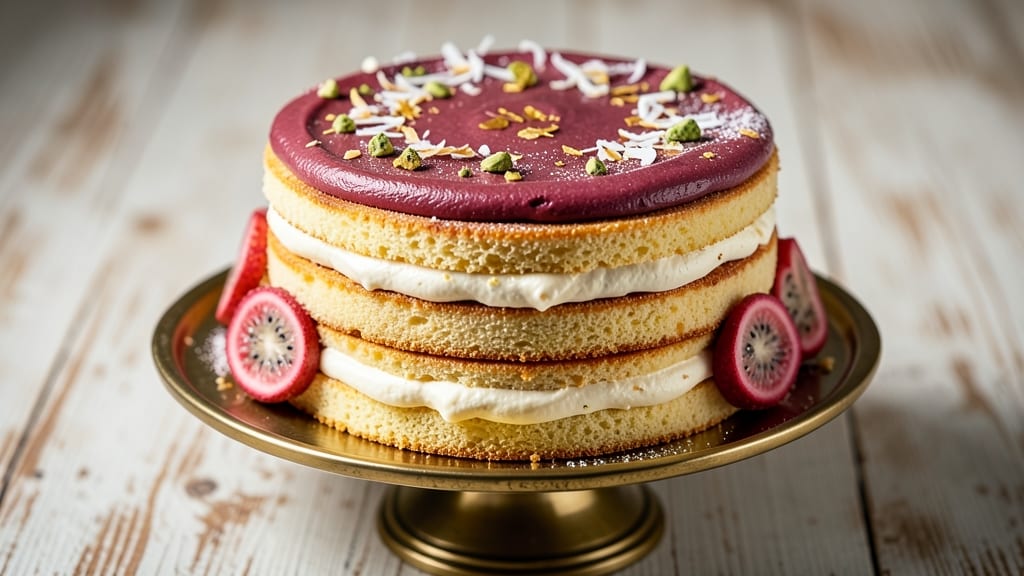
This Chinese buffet cake recipe delivers layers of fluffy sponge cake hiding a juicy fruit surprise that will delight any crowd. 🌟 The secret lies in alternating moist cake batter with layers of fresh fruit—traditional yet foolproof for home bakers.
I perfected this version after years of experimenting with textures, ensuring each slice reveals that magical hidden surprise.
The cake's signature fluffiness comes from precise measurements and a simple yet effective technique: baking in a round pan with layers of fruit sandwiched between cake batter. This method creates a tender crumb that contrasts beautifully with the juicy fruit filling, making every bite feel like a celebration.
The recipe requires just 15 minutes of prep work, followed by 30 minutes in the oven.
What you'll end up with is a visually stunning dessert that's as impressive as it is delicious—golden layers revealing hidden fruit surprises when sliced. The aroma of vanilla and citrus fills your kitchen, while the texture balances perfectly between light cake and juicy fruit.
This is the kind of dessert that turns ordinary gatherings into memorable events.
Serve it at family reunions, potlucks, or as a showstopper for any special occasion. The recipe scales easily, so you can adjust the size based on your needs. Let's create this crowd-pleasing masterpiece together!
Ingredients for chinese buffet cake
Sixteen ingredients transform into a showstopper dessert with hidden fruit surprises everyone will love.
| Ingredient | Amount | Notes |
|---|---|---|
| All-Purpose Flour 🌾 | 2 ½ cups | Sifted for light texture |
| Granulated Sugar 🍚 | 2 cups | Superfine for smooth batter |
| Unsalted Butter 🧈 | 1 cup | Room temperature, full-fat |
| Large Eggs 🥚 | 4 whole | Room temperature, separated |
| Vanilla Extract 🌸 | 2 tsp | Pure Madagascar preferred |
| Baking Powder 🧂 | 1 ½ tsp | Diamond Crystal brand |
| Salt 🧂 | ½ tsp | Fine sea salt |
| Whole Milk 🥛 | ¾ cup | Cold for best texture |
| Mandarin Orange Segments 🍊 | 2 cups | Fresh, canned drained |
| Pineapple Chunks 🍍 | 2 cups | Fresh or canned, drained |
| Lemon Juice 🍋 | 2 tbsp | Freshly squeezed |
| Powdered Sugar 🍚 | ½ cup | For dusting layers |
| Unflavored Gelatin 🍬 | 1 tbsp | Bloomed in 3 tbsp cold water |
The flour and butter are your foundation—don't cut corners here. King Arthur flour gives the best texture, but any all-purpose works. For the butter, Land O'Lakes or Plugrá are reliable choices, but avoid salted. Room temperature is key—soften it in the microwave for 40 seconds if needed. Mandarin oranges are the star of the show. Fresh is ideal (the canned kind lacks that bright pop), but if you're using canned, drain them thoroughly and pat dry. The pineapple should be firm and sweet—Dole or Del Monte are safe bets if you're buying pre-cut. For the gelatin, Knox brand blooms perfectly every time—just don't skip the blooming step.
No fresh fruit? Canned mandarin oranges and crushed pineapple work in a pinch, but drain them well—no one wants soggy cake. Short on vanilla? Almond extract at half the amount adds depth. The gelatin can be swapped for agar-agar powder at double the weight, but it'll have a slightly different texture. For a tropical twist, swap pineapple for mango or peach chunks. The powdered sugar? Domino brand dissolves smoothly—no clumping. And if you're scaling this up for a crowd, double the fruit layers but keep the cake batter proportionate to avoid a gummy mess.
This cake keeps beautifully—3 days at room temperature covered loosely, or 1 week refrigerated in layers separated by parchment. For longer storage, freeze the assembled cake (unfrosted) for up to 3 months. The secret to serving is to slice it warm—30 minutes out of the oven is perfect. The fruit layers will be juicy and vibrant, not mushy. I always serve it with a scoop of vanilla bean ice cream—the contrast is magical. And if you're making this ahead, assemble it the night before and refrigerate—flavors meld even better overnight.
Why You'll Love This Recipe
- No Fuss, One Bowl: I swear, this cake comes together faster than takeout. Just cream butter and sugar, toss in eggs and vanilla, then fold in the flour—no mixer, no stress. The secret’s in the quick mixing; overworking the batter makes it dense, but a few stirs with a spatula? Light as air.
- Sweet Butter Magic: That rich, caramelized butter flavor? It’s everything. The recipe calls for just enough to keep it tender without being greasy, and the vanilla ties it all together—warm, buttery, and just sweet enough to make you want seconds. (Yes, even on a Tuesday night.)
- Party in a Pan: Honestly, this is my go-to for potlucks or family gatherings. It’s easy to slice, feeds a crowd, and no one will guess it’s just flour, sugar, butter, and eggs. Plus, it holds up at room temp for hours—no last-minute oven stress.
- Budget-Friendly Luxury: I make this when I want something special without breaking the bank. A box of flour, a stick of butter, a handful of sugar—it’s the kind of treat that feels indulgent but won’t drain my wallet. And the leftovers? Still moist days later, wrapped in foil like a little golden treasure.
Step-by-step instructions for Chinese buffet cake
Here’s how to build layers of fluffy cake with a juicy fruit surprise—no shortcuts, just foolproof technique.
👨🍳 Step 1: Bloom the Gelatin and Prep the Fruit
Sprinkle the 1 tbsp unflavored gelatin over 3 tbsp cold water in a small bowl. Let it bloom for 5 minutes—you’ll see it thicken like jelly. While that works, drain the 2 cups mandarin orange segments and 2 cups pineapple chunks thoroughly (no excess liquid!) and toss them in a bowl with the 2 tbsp lemon juice. This brightens the fruit and keeps it from making the cake soggy.
Here’s the thing—if you skip blooming the gelatin properly, it won’t set right, and your fruit layer will turn to mush. Trust the 5-minute wait, even if it feels like forever. Once bloomed, microwave the gelatin-water mix in 10-second bursts until fully dissolved (about 20-30 seconds total). Let it cool slightly—it’ll thicken again as it sits.
🍳 Step 2: Whip the Batter to Cloud-Like Perfection
Preheat your oven to 350°F and grease three 9-inch round pans (or line them with parchment). In a stand mixer, beat the 1 cup unsalted butter and 2 cups granulated sugar on medium-high speed for 4-5 minutes until light and fluffy. Scrape the bowl often—this step is non-negotiable for that classic buffet cake texture.
Add the 4 whole large eggs, one at a time, mixing well after each. Then fold in the 2 tsp vanilla extract, 2.5 cups sifted all-purpose flour, 1.5 tsp baking powder, and 0.5 tsp salt using a spatula. Gently stir in the 0.75 cup cold whole milk until just combined. Overmixing = dense cake. Stop when the batter is smooth but still has slight streaks of flour.
🥘 Step 3: Assemble the Layers Like a Pro
Divide the batter evenly among the three pans (about 1 ⅔ cups each). Bake for 25-30 minutes until a toothpick comes out clean. Let the layers cool in the pans for 10 minutes, then transfer to a wire rack. Here’s the secret: while the cake cools, mix the dissolved gelatin with the lemon-treated fruit in a bowl. You want a thick, spoonable consistency—like a jam.
Once the first layer is cool enough to handle (but still warm), spread ⅓ of the fruit-gelatin mixture evenly over the top. Dust lightly with ⅓ of the 0.5 cup powdered sugar to sweeten. Repeat with the second layer, then the third. The powdered sugar prevents the fruit from sinking into the cake while adding that signature sweetness.
⏰ Step 4: Chill and Set for Maximum Stability
Let the assembled cake cool completely at room temperature for 1 hour, then refrigerate for at least 4 hours (overnight is best). This chilling time is critical—it lets the gelatin set properly, so your fruit layer stays intact when you slice. Patience here means no surprise puddles of fruit when you serve.
Before serving, dust the top and sides with the remaining 0.5 cup powdered sugar using a fine-mesh sieve. This creates that iconic velvety finish and hides any minor imperfections. Slice into 12 even portions—each bite should deliver fluffy cake, tangy fruit, and just the right amount of sweetness.
Pro Tips For Making Chinese Buffet Cake
- Cream Butter Cold: Take that butter straight from the fridge—no need to soften it first. Chinese buffet cake relies on a tender crumb, and cold butter creates tiny pockets that keep the texture light. (Yes, even if you’re impatient like me, resist the urge to speed this up.)
- Whisk Eggs Foamy: Beat those eggs until they’re thick, pale, and hold soft peaks—like a meringue but less stiff. Overmixed? You’ll end up with a dense cake. Under-mixed? It’ll collapse. Aim for 3-4 minutes with a hand mixer; your cake’s rise depends on it.
- Sift Flour Twice: Measure your flour in the cup, then sift it into the bowl—repeat. This prevents lumps and ensures even distribution, which keeps the cake’s layers uniform. I learned this the hard way when my first batch had weird dense spots. (Your future self will thank you.)
- Bake Until Springy: Check for doneness by pressing the center—it should bounce back slowly, not stick to your finger. Ovens run hot, so start checking at 10-15 minutes before the recipe’s suggested time. A toothpick test? Overrated for this cake—trust the touch.
Troubleshooting your chinese buffet cake
Cake Too Dense?
If your cake turns out dense instead of fluffy, the issue is likely overmixing or incorrect ingredient ratios. I’ve found that using a stand mixer on medium-high speed for the butter-sugar phase is crucial—don’t rush this step.
Also, ensure your butter is fully softened (it should dent when pressed, not be melted). Another common mistake? Using too much flour. Weigh your flour if possible—King Arthur flour is my go-to for consistent results.
If you’re baking in a high-altitude area, reduce the baking powder by ¼ tsp to prevent a heavy texture. 🌡️
Fruit Soggy or Leaking?
The gelatin is your secret weapon here, but improper handling can lead to a watery fruit layer. Always bloom the gelatin in cold water for the full 5 minutes—skipping this step means it won’t set properly.
If your fruit is still leaking after baking, the issue might be excess moisture. Drain canned fruit thoroughly and pat it dry with a paper towel before mixing with lemon juice. For extra insurance, add 1 tsp cornstarch to the fruit mixture to absorb any lingering liquid. 🍊
Cake Sticking to Pans
This is a classic baking frustration, but it’s easily avoidable. Grease your 9-inch round pans generously with butter or baking spray, then dust with flour (tap out excess). I swear by Wilton Non-Stick Pan Release for stubborn recipes. If your cake still sticks, it might be underbaked.
Test with a toothpick—it should come out clean. For a foolproof method, line your pans with parchment paper circles cut to fit, then grease the parchment. This ensures easy release every time. 🧈
Fruit Layer Not Setting?
If your fruit layer remains too soft or doesn’t hold its shape, the gelatin might not have set correctly. First, check that you fully dissolved the gelatin—it should be smooth and glossy, not grainy.
If it’s still too runny after chilling, try adding ½ tsp more gelatin next time. Another trick? Place the assembled cake in the refrigerator for at least 4 hours (overnight is ideal). The longer it chills, the firmer the fruit layer becomes.
For a quicker fix, you can also lightly torch the top with a kitchen torch before dusting with powdered sugar—this helps set the surface faster. ✨
Uneven Layers or Cracks
Uneven layers often happen when the cake cools too quickly or when the fruit mixture isn’t spread evenly. Let each cake layer cool in the pan for 10 minutes before transferring to a rack—this prevents cracking. When spreading the fruit, use a small offset spatula to distribute it evenly.
If you notice cracks forming, don’t panic! Simply brush them with a simple syrup (equal parts sugar and water, heated until dissolved) before dusting with powdered sugar. This adds moisture and smooths out imperfections. 💡
Nutrition facts
Frequently asked questions
Can I make this cake without gelatin?
Yes! Swap the gelatin for 2 tbsp agar-agar powder mixed with 3 tbsp water (boiled for 2 minutes then cooled). Agar-agar sets firmer than gelatin, so use slightly less fruit to prevent sogginess. The texture will be more gelatinous but still delicious.
How do I adjust the recipe for a smaller or larger cake?
This recipe scales beautifully! For a 6-inch cake, reduce all ingredients by 50% (use 1 pan). For a 10-inch cake, increase by 75% (4 pans). Keep the same ratio of cake batter to fruit—⅓ fruit per layer. Always preheat your oven to 350°F and bake until a toothpick comes out clean.
What’s the best way to store leftovers?
Store the cake in an airtight container at room temperature for up to 3 days, or refrigerate for 1 week. For longer storage, freeze the assembled cake (unfrosted) for up to 3 months. Thaw overnight in the fridge before serving. The fruit layers stay juicy when properly sealed!
Can I substitute the fruit filling?
Try mango and passionfruit for a tropical twist, or strawberries and raspberries for a berry version. For a classic touch, use lychee and canned peaches. Just ensure your fruit is well-drained and mixed with 2 tbsp lemon juice to prevent sogginess. Adjust sweetness with powdered sugar as needed.
Why does my cake have a raw center?
A raw center usually means underbaking. Check your oven temperature—calibrate it if needed. Bake for 5-10 minutes longer and test with a toothpick in the thickest part. For even baking, rotate pans halfway through. If using dark pans, reduce oven temp by 25°F to prevent over-browning.