
Tips
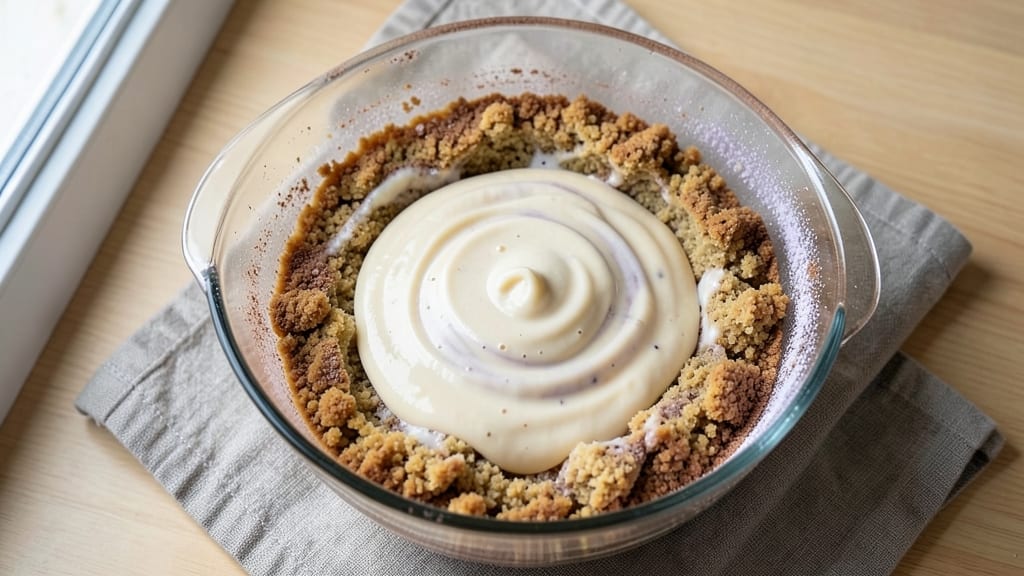
Adding pudding to this cake mix recipe instantly turns your boxed dessert into a velvety, restaurant-worthy treat with just one secret step. After years of baking with box mixes and watching them turn dry, I discovered this foolproof method that adds depth, moisture, and a tender crumb without extra effort.
The key lies in the right pudding-to-mix ratio and a few precise steps that most recipes overlook. This technique has saved countless desserts in my Boston kitchen, including that disastrous pot pie night when I needed a quick win.
What makes this method work is the pudding's natural moisture and fat content, which replaces the need for extra eggs or oil while adding subtle flavor complexity.
You'll use one 3.4-ounce box of instant pudding mix (vanilla or chocolate) for every 15.25-ounce box of cake mix, and the process takes less than 10 minutes of prep before baking.
The result is a cake with layers that stay tender for days, perfect for birthdays, potlucks, or when you need a showstopper dessert with minimal fuss. No one will guess it started with a boxed mix.
The magic happens when you mix the pudding with the dry cake ingredients first, letting the starches absorb moisture before adding wet components. This creates a velvety texture that traditional boxed cakes lack, and the baking time remains unchanged—30 to 35 minutes at 350°F.
The crust stays soft, the layers remain moist, and you avoid that dreaded dry, crumbly texture that ruins so many boxed desserts. My family now requests this version for every celebration, and it's become a staple in my weekly baking rotation.
For extra flair, consider adding a swirl of cream cheese frosting or a sprinkle of crushed cookies between layers. This hybrid dessert proves that convenience and quality aren't mutually exclusive—just a few strategic adjustments away.
Let's get baking with confidence, knowing your cake will be the moistest, most impressive dessert on the table.
📚 In This Guide
- What you need
- Instructions
- Tips and common mistakes
- Wrapping up and next steps
What you need
- ● 1 box (15.25 oz or 431g) of your favorite cake mix (any flavor works—vanilla, chocolate, or even funfetti!)
- ● 1 (3.4 oz or 96g) box of instant pudding mix (match the flavor to your cake mix for harmony—vanilla, chocolate, or butterscotch are classic choices!)
- ● 1 cup (8 oz or 236ml) of water (for the pudding—check the box for exact measurements if your pudding requires less).
- ● 1 cup (8 oz or 236ml) of milk (or dairy-free alternative like almond or oat milk).
- ● 1/3 cup (5 tbsp or 75ml) vegetable oil (or melted butter for extra richness).
- ● 4 large eggs (room temperature for best mixing).
- ○ 1 tsp vanilla extract (optional but recommended for extra flavor).
- ● 9x13-inch baking dish (or two 8-inch round pans for layer cakes).
- ● Large mixing bowl (preferably non-reactive like stainless steel or glass).
- ● Electric mixer or whisk (hand mixer or stand mixer works best for creamy batter).
- ● Measuring cups and spoons (for precision—this recipe relies on it!).
- ● Spatula (to scrape down the bowl and fold in the pudding).
- ● Oven (preheated to 350°F or 175°C).
- ● Cooling rack (to let the cake cool evenly).
- ● Sprinkles, chopped nuts, or chocolate chips for the wow factor.
- ● Extra pudding mix for a pudding swirl (fold in 1/4 cup of prepared pudding for marbled layers!).
- ● Cream cheese frosting or whipped cream for serving.
- ● Food coloring (if you’re feeling creative with layered colors!).
Step-by-step instructions for adding pudding to cake mix
Here's how to transform boxed cake mix into ultra-moist layers every time.
Prepare the Pudding Mix
In a medium bowl, whisk together the 1 cup milk, 1 tablespoon sugar, and 1 tablespoon cornstarch until smooth and fully combined. This mixture will create the pudding base that makes your cake layers incredibly moist. I like to use warm milk—just warm it in the microwave for about 20 seconds—so it blends more easily with the dry ingredients.
Next, add the 1 cup vanilla pudding mix to the milk mixture and stir vigorously with a whisk for about 1 minute until no lumps remain. The goal here is to create a completely smooth batter. If you notice any small clumps, press them through a fine-mesh sieve to ensure your cake layers stay tender. Set this mixture aside while you prepare the cake batter.
Mix the Cake Batter
In a separate large bowl, combine the 1 box (15.25 oz) cake mix with the 2 large eggs and the ½ cup vegetable oil. Using an electric mixer on low speed, blend these ingredients together for about 2 minutes until the batter is smooth and well incorporated. This step is crucial for ensuring the cake mix is fully hydrated and ready to absorb the pudding mixture.
Gently fold in the prepared pudding mixture using a spatula, mixing just until everything is combined. Be careful not to overmix here—you want to maintain a light, airy texture. The batter should be thick but still pourable. If it looks too stiff, add 1-2 tablespoons of milk to loosen it slightly. This ensures your cake will rise properly and stay moist.
Layer and Bake for Perfect Texture
Preheat your oven to 350°F and grease a 9-inch round cake pan or line it with parchment paper. Pour half of the batter into the prepared pan and spread it evenly. This first layer will form the base of your cake, so make sure it's smooth and centered.
Bake for 18-22 minutes, or until a toothpick inserted into the center comes out clean. You'll know it's done when the top looks golden and springs back gently when touched. Let the first layer cool in the pan for 5 minutes, then carefully invert it onto a wire rack to cool completely. Repeat the process with the remaining batter to create your second layer.
Assemble and Frost for Maximum Moisture
Once both layers have cooled completely, place the first layer on a serving plate. Spread ½ cup of the prepared pudding mixture evenly over the top layer. This extra pudding layer ensures every bite is moist and flavorful. Place the second layer on top and gently press down to create a seamless cake.
For the frosting, combine the 1 cup powdered sugar, 2 tablespoons milk, and 1 teaspoon vanilla extract in a bowl. Whisk until smooth and spread evenly over the top and sides of the cake. The powdered sugar frosting adds a light, sweet finish without overpowering the rich pudding flavor. Chill the cake in the refrigerator for 30 minutes before serving to let the flavors meld together perfectly.
Tips & tricks for perfect pudding-infused cake layers
This simple technique transforms boxed cake mix into restaurant-quality moist layers—here's how to avoid common pitfalls and elevate every step.
The Pudding Mix Secret: Warm the milk to about 110°F (just warm to the touch) before mixing with the pudding mix in Step 1. This temperature helps dissolve the pudding powder completely in that critical 1-minute whisking time, preventing any graininess that could dry out your cake layers. I've ruined cakes before by using cold milk—trust me, the texture difference is dramatic.
Mixing Technique Matters: When folding in the pudding mixture in Step 2, use a rubber spatula to gently cut through the batter from the bottom up. This prevents overmixing which can create dense layers. Stop mixing as soon as the batter looks uniform—overmixing develops gluten, making your cake tough instead of tender. The batter should resemble thick pancake batter, not cake batter.
Baking Time Precision: The 18-22 minute bake window at 350°F is your target, but every oven behaves differently. Start checking at 18 minutes using the toothpick test—if it comes out with moist crumbs but no wet batter, it's done. If you're unsure, underbake slightly rather than overbake, as the cake will continue cooking for another 5 minutes after coming out of the oven. Overbaking is the #1 reason for dry cake layers.
Assembling for Maximum Moisture: Don't skip spreading that ½ cup of pudding mixture between layers in Step 4. This isn't just decoration—it's what makes this cake truly special. The pudding acts like a moisture barrier, keeping each bite tender. For extra decadence, you can also brush a thin layer of the pudding mixture on the outside of each layer before assembling.
Pro Tips for Adding Pudding To Cake Mix Recipe
- This simple technique transforms boxed cake mix into restaurant-quality moist layers—here's how to avoid common pitfalls and elevate every step.
- The Pudding Mix Secret: Warm the milk to about 110°F (just warm to the touch) before mixing with the pudding mix in Step 1.
- Mixing Technique Matters: When folding in the pudding mixture in Step 2, use a rubber spatula to gently cut through the batter from the bottom up.
Frequently asked questions
Got questions about adding pudding to your cake mix? You’re not alone! Here are some of the most common concerns—and their easy fixes—to help you bake like a pro.
Can I use any pudding flavor in cake mix?
Most vanilla, chocolate, or butterscotch puddings work well, but avoid thick or chunky varieties (like banana cream or tapioca). Instant pudding mixes are ideal—they blend smoothly and keep the texture light. For a twist, try swapping in a small box of chocolate or caramel pudding for richer flavor!
How much pudding should I add, and when?
Start with ½ cup of prepared pudding per box of cake mix (adjust for wetter/drier mixes). Mix it in after adding the eggs and oil but before pouring into the pan. Overmixing can make the batter dense, so stir just until combined. Pro tip: Room-temperature pudding blends easier!
Will adding pudding make my cake too moist or gummy?
Not if done right! Pudding adds moisture without heaviness, but overdoing it can lead to a dense texture. Balance it with 1–2 extra egg yolks or a splash of milk if the batter seems too thin. For extra insurance, reduce oven temp by 25°F to prevent a dry crust.
What if I don’t have instant pudding?
What’s a good substitute?
No pudding? No problem! Try these swaps:
- Greek yogurt or sour cream (¼ cup): Adds moisture and tang.
- Applesauce (unsweetened) (¼ cup): Keeps it light but adds natural sweetness.
- Melted chocolate (2 tbsp): For a fudgy twist (reduce other liquids slightly).
Just remember: Substitutes change texture slightly, so taste-test the batter first!
Why did my cake turn out dry even with pudding?
Dry cake often means overbaking or too much flour. Check these fixes:
- Use a toothpick test: Insert it into the center—if crumbs cling, it’s done!
- Brush the top with simple syrup (equal parts sugar + water, heated) while warm.
- Add 1 tbsp milk or pudding to the dry mix before adding wet ingredients.
For next time, underbake slightly (5 mins less) and let it rest in the pan for 10 mins before transferring.
Wrapping up and next steps
Adding pudding to your cake mix is a game-changer—it transforms dry crumbs into rich, moist layers with minimal effort! Whether you’re baking for a celebration or just craving a decadent treat, this simple swap elevates your dessert without the fuss.
Now that you’ve got the how-to and why down, it’s time to experiment with flavors and textures.
👉 Next step: Grab your favorite box mix, pick a pudding flavor, and let your creativity run wild! Try swapping in vanilla, chocolate, or even butterscotch for a twist. Don’t forget to share your masterpiece—we’d love to see (and taste!) your results! 🎂✨