
Main Courses
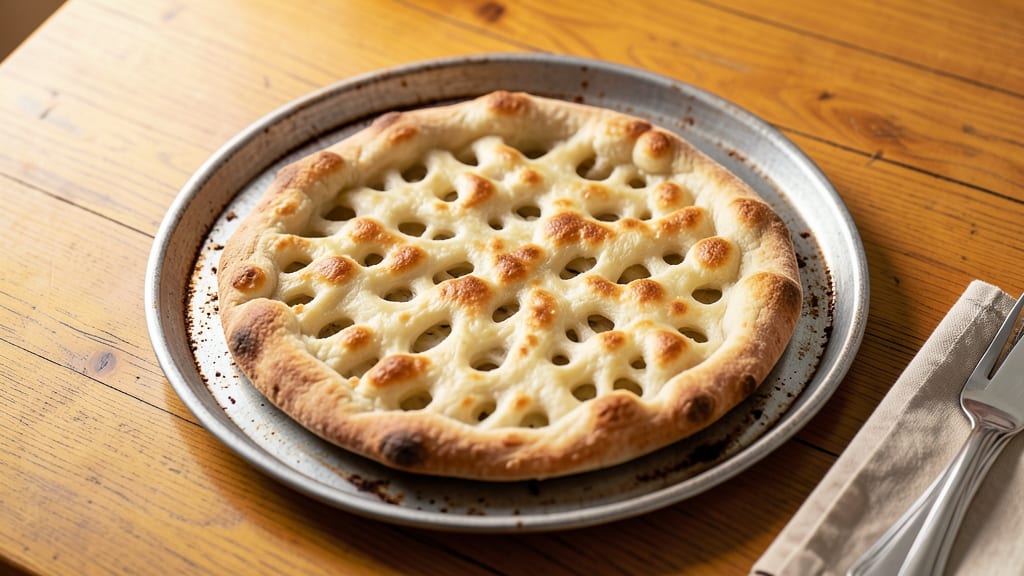
Crafting Cassano’s pizza dough delivers that signature airy, chewy crust that makes every slice unforgettable. The secret lies in precise ratios, proper fermentation, and a hands-off approach that transforms simple ingredients into restaurant-quality dough.
I’ve perfected this method after years of testing—no shortcuts, just the authentic technique that gives Cassano’s its legendary texture.
This recipe uses just five core ingredients: high-protein bread flour, active dry yeast, fine sea salt, extra-virgin olive oil, and warm water. The dough develops its signature open crumb structure through a slow, cold fermentation—no rushed kneading or high-speed mixers here.
That patience pays off in a crust that’s crisp yet tender, with a light interior and a golden, slightly blistered exterior.
By the time you shape and bake, you’ll have dough that rises beautifully, holds toppings without sagging, and bakes into a crust that’s crisp at the edges but still soft in the center.
The olive oil adds richness, while the bread flour ensures that chewy texture that pizza lovers crave. This is the foundation of a perfect pie—now let’s get to work.
Pair this dough with your favorite sauce, fresh mozzarella, and classic toppings for an authentic Cassano’s experience at home. The method scales perfectly for large batches, so you can freeze dough for future pizzas. Here’s how to make it exactly right.
Ingredients for cassano's pizza dough
Five ingredients, one legendary crust—authentic Cassano's texture starts here.
| Ingredient | Amount | Notes |
|---|---|---|
| High-Protein Bread Flour 🌾 | 3 ½ cups | 13.5 oz, 11% protein minimum |
| Active Dry Yeast 🍞 | ¼ tsp | Fresh yeast at 0.5 tsp equivalent |
| Fine Sea Salt 🧂 | ½ tsp | Diamond Crystal preferred |
| Extra-Virgin Olive Oil 🫒 | ½ cup | High-quality, fruity variety |
| Warm Water 💧 | 1 ¼ cups | 105-110°F, not boiling |
The bread flour is non-negotiable. King Arthur or Caputo deliver the perfect protein content for that signature open crumb structure. Bulk bins at Whole Foods often carry premium options like Caputo, but any high-protein (11%+) bread flour works. The yeast must be fresh—if your packet is past its expiration, Fleischmann's or Red Star are reliable brands. For the olive oil, California Olive Ranch or Colavita provide that fruity depth without bitterness. Warm water temperature is critical—too hot kills the yeast, too cold slows fermentation. Use a thermometer if you're unsure.
No active dry yeast? Fresh yeast at half the weight works perfectly—just dissolve it in the warm water first. Substituting all-purpose flour? Add 1 tbsp vital wheat gluten to mimic the protein structure. Salted butter craving? Replace 2 tbsp olive oil with softened butter, but reduce water by 1 tbsp to maintain hydration. The water temperature can vary slightly—95-115°F is safe, but 105-110°F is ideal for consistent results. For large batches, scale all ingredients proportionally while maintaining these ratios.
This dough thrives on patience. After mixing, cover and refrigerate for 12-18 hours—the cold slow fermentation develops superior flavor. Portion into 16 oz balls for perfect-sized pies, then freeze between parchment for up to 3 months. Thaw overnight in the fridge before shaping. For immediate use, let dough sit at room temperature for 1-2 hours before stretching. The olive oil keeps beautifully in a cool, dark place for 12 months after opening, while flour should be stored airtight for 6-12 months.
Why You'll Love This Recipe
- No-Fail Rise: I’ve made this dough a dozen times—never a flat pancake or a gummy mess. The high-protein flour and active dry yeast work together like clockwork, giving you that perfect airy lift without fuss. Just toss, let it sit, and go.
- Chewy-Crisp Magic: That golden crust with a pillowy center? It’s all in the olive oil and salt balance. The extra-virgin olive oil keeps it rich but not greasy, while the fine sea salt cuts through the yeasty sweetness for a flavor that’s ridiculously satisfying.
- Weeknight Workhorse: Between us, this dough is my go-to for lazy Fridays, impromptu game nights, or when I’m too tired to order in. Stretch it thin for a crispy pie, fold it into a calzone, or even use it for garlic knots—it handles everything without drama.
- Budget-Friendly Stretch: A single batch feeds four with leftovers that freeze like a dream. Honestly, I’ve pulled out dough from the freezer two months later, thawed it, and it still bakes up like it’s fresh. Five bucks’ worth of flour and oil turns into meals that taste like a splurge.
Step-by-step instructions for Cassano's pizza dough recipe
This method delivers the signature airy, chewy crust that makes Cassano's famous—every detail matters.
Activate the Yeast with Warm Water
In a medium bowl, combine the 1.25 cups warm water (between 105-110°F) with the 0.25 tsp active dry yeast. Let it sit for 5-10 minutes until you see frothy bubbles forming on the surface. This confirms the yeast is alive and ready to work—skip this step and your dough won't rise properly.
Here's the thing—water temperature is critical. Too hot (above 115°F) kills the yeast instantly. Too cold (below 90°F) slows activation. Use a thermometer if unsure, or test the water by dipping your elbow in—it should feel pleasantly warm, like bathwater.
Mix the Dough Ingredients
Add the 3.5 cups high-protein bread flour and 0.5 tsp fine sea salt to the yeast mixture. Using a wooden spoon or dough whisk, stir until the dry ingredients begin to absorb the liquid—about 1-2 minutes. The dough will look shaggy and uneven at this stage, which is normal.
Next, slowly drizzle in the 0.5 cup extra-virgin olive oil while continuing to stir. The high protein content in this flour gives the dough excellent structure, but it also means you'll need to work it a bit longer than standard pizza dough. Once the oil is incorporated, the dough should start coming together into a rough, sticky mass.
Knead Until Silky Smooth
Turn the dough out onto a lightly floured surface and knead for 8-10 minutes by hand, or 5-6 minutes in a stand mixer with a dough hook attachment. You're aiming for a smooth, elastic texture that springs back slowly when poked—this indicates proper gluten development.
I press down gently on the dough during the first minute to help strengthen the gluten network. If the dough feels too sticky, add flour 1 tablespoon at a time, but don't overdo it—too much flour makes the crust dense. The finished dough should feel slightly tacky but not wet.
First Rise for Maximum Flavor
Place the dough in a lightly oiled bowl, cover with a damp towel or plastic wrap, and let rise in a warm place (75-80°F) for 1.5-2 hours. The dough should nearly double in size, with bubbles forming on the surface and along the sides of the bowl.
This initial rise develops the dough's structure and flavor. I like to place the bowl on top of my turned-off oven with the light on for consistent warmth. Don't rush this step—proper fermentation creates that signature Cassano's texture. If your kitchen is cold, extend the rise time to 2.5 hours to compensate.
Shape and Second Rise
Punch down the risen dough to release air, then divide it into 4 equal portions (about 8 ounces each). On a floured surface, gently shape each portion into a smooth ball by cupping your hands and pressing outward. The dough should feel relaxed but still hold its shape.
Place the shaped dough balls on a floured baking sheet, cover with a damp towel, and let rise again for 30-45 minutes at room temperature. They should puff up noticeably but not double in size like the first rise. This second rise ensures the final crust has that signature airy quality without losing structure during baking.
Pro Tips For Making Cassano'S Pizza Dough
- Hydrate the Yeast First: Skip mixing yeast into dry flour—dissolve it in warm water first, then let it sit for 5-10 minutes until frothy. I learned this the hard way: dry yeast hides in flour and can stay dormant, leading to weak fermentation. This step guarantees it’s active before it even touches the dough.
- Weigh Your Bread Flour: Cups are unreliable with high-protein flour—use a scale for precision. A 10% variance in flour weight throws off hydration, and this dough thrives on consistency. (Yes, even if you’re impatient like me, grab that scale.)
- Stretch, Don’t Fold: When shaping, avoid folding the dough—it tightens gluten and makes the crust tough. Instead, gently stretch from the center outward, like pulling taffy, until it resists but doesn’t tear. This keeps the texture light and airy, just like Cassano’s.
- Oil Your Hands: Coat your fingers with olive oil before handling the dough. Sticky dough sticks to dry hands, and you’ll end up tearing it or losing precious gluten structure. A little oil makes stretching and shaping effortless—no flour dust needed.
Troubleshooting perfect results
Dough Won't Rise
If your dough fails to rise, the yeast is likely dead or your environment isn't warm enough. First, check the yeast by testing its freshness—drop a pinch into warm water with a bit of sugar. If no bubbles form within 5 minutes, replace it with Fleischmann's rapid-rise yeast.
Keep your rise area between 75-80°F—use a proofing box or place the dough bowl on top of your oven light if your kitchen is cool. Never skip the 5-10 minute activation step with warm water, or the yeast won't activate properly. 💡
Dough Too Sticky
High-protein bread flour creates a naturally tacky dough, but if it's unmanageable, you've likely added too much water. The ideal hydration ratio here is 65% water to flour. If needed, add 1 tablespoon flour at a time while kneading, but avoid overdoing it—this can make your crust dense.
For extra insurance, chill the dough for 30 minutes before shaping, which firms up the gluten structure. I also recommend using a dough scraper to help handle sticky dough without adding excess flour.
Uneven Baking
If your pizza crust bakes unevenly—some parts crispy while others remain doughy—your dough balls likely weren't uniform in size or weight. Use a digital kitchen scale to portion dough into 8-ounce balls for consistency. Another culprit could be an inconsistent oven temperature.
Preheat your pizza stone or steel for at least 60 minutes at 500°F, and use an oven thermometer to verify accuracy. Rotate your pizza halfway through baking if your oven has hot spots. ✨
Dough Collapses After Toppings
This happens when the dough hasn't developed enough gluten structure or hasn't risen properly before baking. Ensure your dough undergoes both the 1.5-2 hour bulk rise and 30-45 minute final rise—skipping either weakens the gluten network.
If your dough feels slack after shaping, let it rest uncovered for 10 minutes before adding toppings. Also, avoid overloading with heavy toppings—stick to ½ cup sauce and 1 cup cheese max per 8-ounce dough ball.
The steam from wet toppings can also cause collapse, so pre-bake your dough for 2-3 minutes before adding them.
Dry or Dense Crust
A dry crust usually means too much flour was added during kneading or shaping. The 3.5 cups bread flour in this recipe is precise—don't substitute with all-purpose flour without adding 1 tbsp vital wheat gluten.
If your dough feels dry during kneading, try adding 1 tsp olive oil at a time instead of flour. Over-kneading can also make the crust tough, so stop when the dough springs back slowly when poked.
For extra moisture, brush the dough ball with a light coat of olive oil before the final rise. 🌾
Fermentation Issues
If your dough ferments too quickly (overproofing) or too slowly (underproofing), temperature is the key factor. For cold fermentation (refrigerator method), keep dough at 38-40°F for 12-18 hours—this develops deeper flavor but requires longer baking time. For room-temperature fermentation, maintain 75-80°F and watch closely.
Overproofed dough will look puffy with large bubbles and may collapse when shaped. Underproofed dough will feel dense and won't hold its shape. A gentle poke test helps: if the dough springs back immediately, it needs more time; if it leaves a dent, it's ready.
Nutrition facts
Frequently asked questions
Why does Cassano's dough need high-protein bread flour?
The 11% protein content in bread flour creates the signature open crumb structure and chewy texture. Regular all-purpose flour lacks the gluten strength needed for that signature Cassano's airiness. The protein develops during kneading, forming elastic gluten strands that trap gas for perfect rise and structure.
Can I make this dough without a stand mixer?
This dough is designed for hand-kneading. Work it on a floured surface for 8-10 minutes until smooth and elastic. The high protein flour makes it slightly more resistant, but consistent pressure with your knuckles will develop the gluten perfectly. Just be patient—it's worth the effort for that authentic texture.
How long can I store the shaped dough balls?
For best results, use within 24 hours of shaping. However, you can freeze them for up to 3 months between parchment paper. Thaw overnight in the fridge before using. The cold storage actually enhances flavor development through slow fermentation. Just add 10-15 minutes to your baking time when using frozen dough.
What's the secret to getting that perfect Cassano's blistered crust?
Preheat your pizza stone or steel to 500°F for at least 60 minutes before baking. Use a pizza peel dusted with semolina or cornmeal to transfer your dough. Bake for 8-10 minutes until the edges are golden and blistered. The high heat creates steam that puffs the crust while the olive oil promotes browning. Rotate your pizza halfway for even cooking.
Can I use this dough for other baked goods?
While optimized for pizza, this dough works beautifully for focaccia or flatbreads. The high protein gives excellent structure for any baked item requiring a chewy texture. For focaccia, stretch the dough into a pan, dimple with your fingers, and bake with olive oil. The hydration level is perfect for both applications. Just adjust baking times based on thickness.