Side Dishes
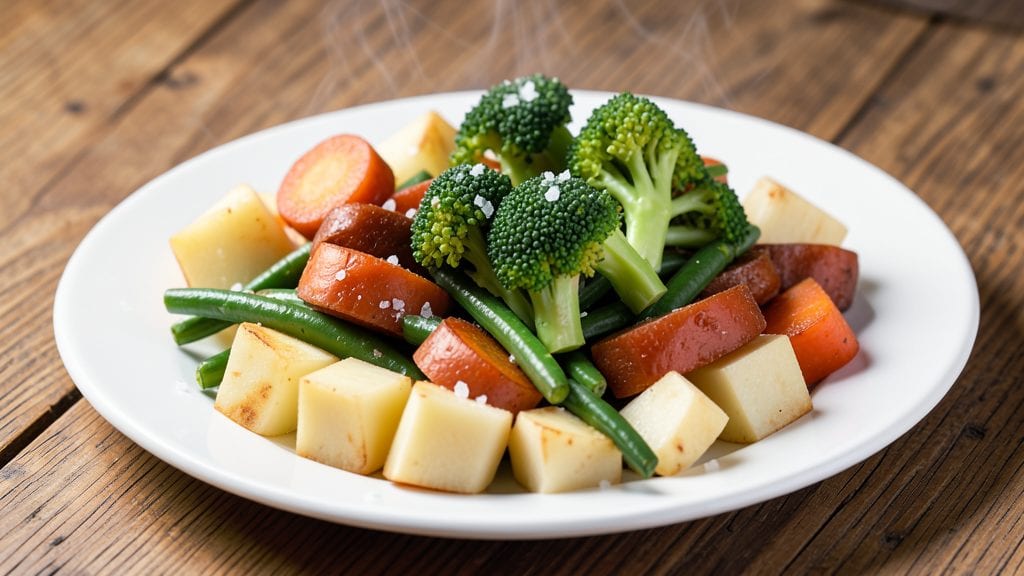
Boiled veggies don’t have to be boring—this 10-minute method delivers crisp-tender perfection every time, no matter what you’re cooking. I perfected it during those hectic weeknights when I needed a side dish that’s quick, healthy, and actually tastes like it belongs on the table.
The secret? A splash of acid (lemon juice or vinegar) and a proper salt bath that keeps veggies from turning mushy.
This recipe works with any veggie—carrots, green beans, broccoli, or even potatoes—but the magic is in the technique. You’ll start with a boiling water bath (not simmering, which steams instead of cooks) and add a pinch of salt and acid to lock in color and texture.
No fancy tools, just a pot and a timer. I promise, even if you’ve burned veggies before, this method is foolproof.
What you’ll end up with is bright, al dente veggies that hold their shape and taste fresh, not limp. Toss them with olive oil, a sprinkle of salt, and your favorite herbs for an instant side that’s worth the 10 minutes.
These veggies work in salads, grain bowls, or even as a light main dish—just add a drizzle of tahini or a sprinkle of chili flakes for extra flavor.
Pro tip: If you’re prepping ahead, blanch the veggies first (just dip in boiling water for 30 seconds), then finish cooking later. That way, you’ve got a restaurant-quality side ready in minutes, no stress. Let’s get cooking!
Ingredients for boiled veggies
Bright veggies, crisp-tender texture, and zero boring moments. Just 12 ingredients for restaurant-quality sides.
| Ingredient | Amount | Notes |
|---|---|---|
| Carrots 🥕 | 1 ½ lb | Baby or whole, cut into even pieces |
| Green Beans 🌱 | 1 lb | Trimmed, whole or cut into halves |
| Broccoli Florets 🥦 | 1 ½ cups | Medium-sized, cut into bite-sized pieces |
| Potatoes 🥔 | 1 ½ lb | Yukon gold or red, cubed evenly |
| Water 💧 | 4 cups | Filtered or tap, enough to cover veggies |
| Sea Salt 🧂 | 1 ½ tsp | Fine grain, for seasoning |
| Lemon Juice 🍋 | 1 tbsp | Freshly squeezed, brightens flavor |
| White Vinegar 🍶 | 1 tbsp | Or apple cider vinegar for mild taste |
| Extra-Virgin Olive Oil 🫒 | 2 tbsp | For finishing, high quality preferred |
| Fresh Parsley 🌿 | ¼ cup | Chopped, for garnish (optional) |
| Garlic Cloves 🧄 | 2 cloves | Minced, for extra flavor (optional) |
| Red Chili Flakes 🌶️ | ½ tsp | For heat, adjust to taste (optional) |
The veggies are the stars here, so pick firm, fresh produce—no soft spots or wilted leaves. Trader Joe's and Whole Foods have the best selection for crispness. Carrots should snap when bent, green beans should be straight and vibrant, and broccoli florets should be tightly packed. Potatoes? Yukon gold or red hold up best to boiling. If you’re using frozen veggies, thaw and pat them dry first—they’ll cook faster and won’t dilute the water too much. For the acid, lemon juice or vinegar are both great, but if you’re prepping ahead, vinegar keeps better for a few days in the fridge.
No lemon juice? Apple cider vinegar or white wine vinegar work just as well—they’ll add brightness without overpowering. Short on parsley? Fresh cilantro or basil add a nice twist, or skip it entirely if you’re keeping it simple. The olive oil matters here—extra-virgin has more flavor, but any good-quality oil will do. Want to skip the garlic? No problem, but trust me, those 2 minced cloves take this from ‘side dish’ to ‘main event’ in seconds. The chili flakes are totally optional, but they add a nice kick if you’re serving with grains or salads. Pro tip: if you’re using potatoes, soak them in cold water for 20 minutes first to remove excess starch—they’ll turn out creamier.
These veggies reheat beautifully—just toss with a splash of water and cover while warming. Keep them in the fridge for up to 4 days, stored in an airtight container with a paper towel to absorb moisture. For longer storage, freeze them in a single layer on a tray first, then transfer to a bag for up to 3 months. I like to portion them into containers with a drizzle of olive oil and a pinch of salt so they’re ready to grab for lunches or quick dinners. The acid in the cooking water helps them stay bright, so if you’re prepping ahead, blanch them first (30 seconds in boiling water) and finish cooking later—that’s how you get that restaurant-quality texture.
Why You'll Love This Recipe
- No-Chop Needed: I swear, the only knife work here is slicing the potatoes into even chunks—no dicing, no mincing, just clean cuts. The carrots and green beans can even stay whole if you’re in a rush. That’s right: zero prep stress, just dump-and-boil magic.
- Sweet-Savory Balance: Here’s what sold me—the way the carrots caramelize just enough at the edges while the potatoes stay buttery inside. Toss in a pinch of salt and a splash of lemon at the end, and suddenly, boiled veggies taste like a little celebration. (Yes, even on a Tuesday night.)
- Lunchbox Hero: Between us, this is my go-to for meal prep. Cold or reheated, these veggies hold up perfectly—pack them in containers for work, school lunches, or even a quick salad topper. The potatoes stay firm, the broccoli stays bright, and no one complains. (My daughter picks out the green beans, but still asks for seconds.)
- Pantry Staple Power: Honestly, you can’t beat the budget here—five ingredients, zero specialty items. A big pot of these costs less than takeout and stretches across three meals. Plus, leftovers? They’re the best kind: reheat in minutes or toss into soups, stir-fries, or even a fried rice. Minimal effort, maximum flexibility.
Step-by-step instructions for crisp-tender al dente boiled veggies
Here's how to cook vibrant, perfectly tender vegetables that stay crisp on the outside and melt in your mouth.
Prepare Vegetables for Even Cooking
Start by cutting all vegetables into even-sized pieces—this ensures they cook uniformly. Peel and cut the 1.5 pounds of potatoes into 1-inch cubes, trim the 1 pound of green beans, and slice the 1.5 pounds of carrots into 2-inch rounds. Cut the 1.5 cups of broccoli florets into bite-sized pieces. Place each type of vegetable in separate bowls to keep them organized during cooking.
I like to rinse the vegetables under cold water before cooking to remove any dirt or debris. Pat them dry with a clean kitchen towel—this helps them absorb the seasoning better and prevents the water from turning cloudy during cooking. The key here is consistency in size and shape; uneven pieces will result in some vegetables being overcooked while others remain underdone.
Boil Water and Season Generously
In a large pot, bring the 4 cups of water to a rolling boil over high heat. Once boiling, add the 1.5 teaspoons of sea salt, 1 tablespoon of white vinegar, and the 0.5 teaspoon of red chili flakes. Stir well to dissolve the salt completely. The vinegar brightens the flavors, while the chili flakes add a subtle kick—adjust the heat to your preference.
I always add the vinegar and chili flakes to the boiling water rather than the vegetables themselves. This ensures they infuse evenly throughout the cooking water, seasoning every bite of your veggies. The salt should make the water taste like the ocean—this guarantees your vegetables will be perfectly seasoned without needing extra salt later.
Cook Vegetables in Stages for Perfect Doneness
Add the potatoes to the boiling water first, as they take the longest to cook. Let them boil for 5 minutes, then add the carrots and broccoli florets. Cook for an additional 3 minutes. Finally, add the green beans and cook for just 2 more minutes. This staggered approach ensures all vegetables reach al dente perfection at the same time.
Here's the thing—you want the vegetables to be tender but still hold their shape. The potatoes should be fork-tender with a slight bite, the carrots should be soft but not mushy, and the green beans should snap when bent. If you're unsure, taste-test a piece of each vegetable as they cook. The broccoli and carrots should yield slightly when pierced with a fork, while the green beans should remain bright green and crisp.
Finish with Bright Flavors and Crisp Texture
Once all vegetables are tender, drain them immediately in a colander. To keep them vibrant and add a pop of freshness, toss them with the 2 tablespoons of extra-virgin olive oil, 1 tablespoon of lemon juice, and the 0.25 cup of chopped fresh parsley. If you're using the optional 2 minced garlic cloves, add them now for extra depth of flavor. Toss everything together gently but thoroughly.
This finishing step is what transforms simple boiled vegetables into something truly special. The olive oil adds richness, the lemon juice brightens the flavors, and the parsley adds a fresh, herby note. If you want an extra kick, sprinkle with a pinch more red chili flakes. Serve immediately while the vegetables are still hot and crisp-tender—this is when they taste their best.
Optional Garnish for Extra Flavor
For an added layer of flavor, you can finish the vegetables with a sprinkle of toasted garlic cloves or a drizzle of extra-virgin olive oil. If you're serving this as a side dish, consider pairing it with a squeeze of lemon or a sprinkle of flaky sea salt right before eating. The vegetables will stay tender for about 10 minutes after cooking, so don't wait too long to serve.
This method guarantees vegetables that are perfectly cooked—tender but not mushy, flavorful but not overpowering. The secret is in the timing and the finishing touches. You'll love how vibrant and delicious these boiled veggies are, and they're ready in just 10 minutes!
Pro Tips For Making Boiled Veggies
- Start Potatoes First: Throw them in the pot 5 minutes before the rest—potatoes take longer, and nobody wants mushy spuds while the broccoli turns to sludge. I learned this the hard way after serving a side where the potatoes were still firm and the green beans were overcooked. Adjust the time based on size: small potatoes in 10-12 minutes, large ones need 15-18.
- Trim Green Beans Properly: Cut off the ends at an angle—this keeps them from curling up in the pot and ensures even cooking. My grandmother swore by this, and she was right: straight cuts mean no hidden crunchy bits or weird shapes. Skip the angle if you’re lazy, but you’ll taste the difference.
- Use Plenty of Water: Fill the pot halfway—enough to cover the veggies by at least an inch. I used to skimp, and the veggies would steam instead of boil, leaving them unevenly cooked. A full boil guarantees consistent texture, and you can always drain excess water later.
- Salt the Water Generously: Add 1-2 tablespoons of salt to the water—this seasons the veggies from the inside out, not just the surface. I was skeptical until I tried it: bland boiled veggies became flavorful without extra seasoning afterward. Yes, even if you’re impatient like me.
Regional styles of these flavors
Italian-Style Minestrone
In Sicily, we never boil vegetables alone—we turn them into a hearty minestrone-style soup with beans, tomatoes, and herbs. After blanching your veggies (carrots, celery, zucchini), simmer them in 4 cups vegetable broth with 1 can diced tomatoes, ½ cup cannellini beans, and 1 tsp dried oregano.
The acid from the tomatoes keeps the veggies bright while adding depth. Serve with crusty bread to soak up every last drop. 🍲
Japanese Sunomono
For a refreshing twist, try the Japanese technique of sunomono—quick-pickled boiled veggies. After cooking your veggies (I love thinly sliced daikon, carrots, and cucumber), shock them in ice water to stop cooking.
Toss with a dressing of 2 tbsp rice vinegar, 1 tbsp soy sauce, 1 tsp sugar, and a pinch of sesame seeds. The vinegar brightens the veggies and adds a tangy crunch. Serve chilled as a side or light meal. 🍶
Southern U.S. "Potlikker" Greens
In the American South, boiled greens (like collards or kale) become potlikker—the flavorful cooking liquid turned into a sauce. After boiling your greens with 1 smoked turkey leg or ham hock (optional for vegan, skip or use smoked paprika), reserve the broth.
Sauté 2 tbsp onion and 1 tbsp flour, then whisk in the broth to make a thick gravy. Drizzle over the greens for a restaurant-style finish. 🥓
Mediterranean Mezze Platter
Turn boiled veggies into a vibrant mezze platter by arranging them on a platter with hummus, baba ganoush, and olives. After boiling (try eggplant, zucchini, and cherry tomatoes), shock in ice water, then toss with 1 tbsp olive oil, ½ tsp sumac, and fresh mint.
Serve with warm pita—this is how I host when I want a crowd-pleasing spread. 🌿
German Kartoffelsalat
Swap potatoes for a classic German potato salad. After boiling 2 lbs Yukon gold potatoes, slice them thin and toss with a dressing of 3 tbsp apple cider vinegar, 2 tbsp Dijon mustard, ½ cup olive oil, and 1 tbsp sugar.
Add ½ cup chopped dill and 2 hard-boiled eggs** (optional) for a creamy, tangy side. This dish is a staple at German picnics and BBQs. 🥔
Nutrition facts
Frequently asked questions
Why do my boiled veggies turn out mushy instead of crisp-tender?
Overcooking is the #1 culprit! Use a timer and check for doneness early—veggies should be fork-tender with a slight bite. Also, crowding the pot causes uneven cooking. For best results, cook in batches or use a large pot with plenty of water (about 4 cups per 1.5 pounds of veggies). The acid splash (lemon or vinegar) also helps maintain texture.
Can I boil different vegetables together without ruining their textures?
but use the staggered cooking method! Start with denser veggies (potatoes, carrots) first, then add quicker-cooking ones (green beans, broccoli) later. This ensures all reach al dente perfection at the same time. For extra safety, cut similar-sized pieces—thin slices cook faster than thick chunks.
How do I keep boiled veggies from losing their bright color?
The acid is your secret weapon! Add 1 tbsp lemon juice or vinegar to the boiling water—this preserves color and brightens flavor. Also, drain veggies immediately after cooking (don't let them sit in hot water) and shock them in ice water for 1-2 minutes to lock in vibrancy. Fresh herbs like parsley added at the end also boost color.
What's the best way to reheat boiled veggies without making them soggy?
Toss them with 1 tsp olive oil and reheat in a skillet over medium-high heat for 2-3 minutes—this crisps them up. For microwave reheating, sprinkle with a pinch of salt and cover loosely with a damp paper towel. The key is quick, dry heat—never steam them again or they'll turn limp.
Can I use this method for frozen vegetables?
Yes, but with adjustments! First, thaw frozen veggies completely and pat them very dry (they release more water when cooking). Add them to the boiling water 1 minute after fresh veggies and reduce cooking time by 20-30 seconds. For best results, use frozen veggies that are specifically labeled "blanched" or "pre-cooked."