
Tips
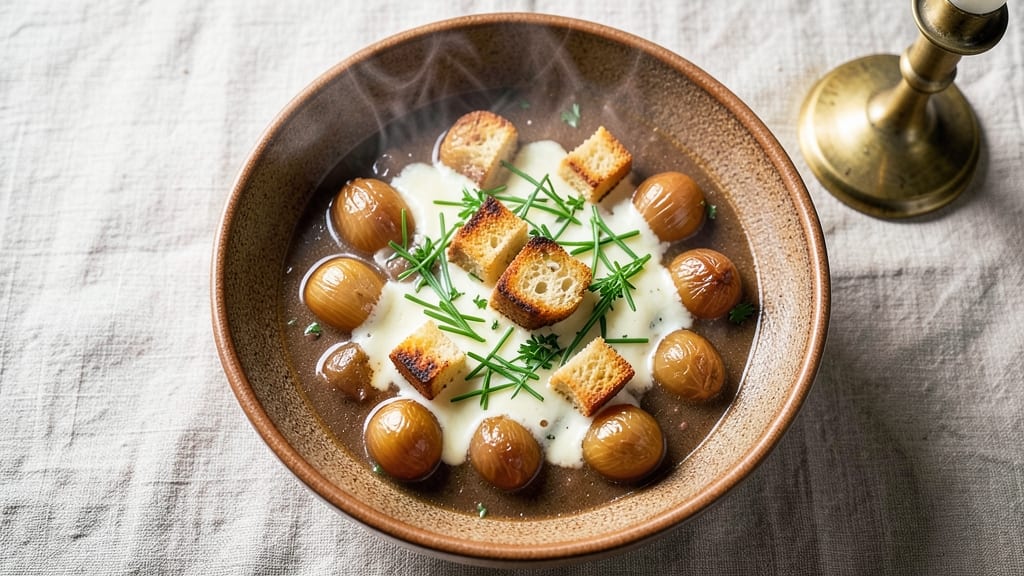
For French onion soup, the best onions are caramelized yellow onions (like Vidalia or Maui) for sweetness, or pungent red onions (like Tropea or Red Burgundy) for depth. Pearl onions add texture, while shallots balance flavor without overpowering. Choose based on desired sweetness or sharpness in the broth.
The Maillard reaction transforms onions into the golden, aromatic foundation of French onion soup, but the starting onion makes all the difference. 🔥 Sweet varieties like Maui or Vidalia develop a honeyed depth when caramelized, while sharp red onions (such as Tropea) contribute a bold, almost vinegary contrast that cuts through the richness of the broth.
I’ve found that combining both—say, a mix of yellow and red—creates a layered flavor that’s both complex and balanced, especially when finished with a splash of balsamic vinegar or fresh thyme.
Texture matters just as much as taste: pearl onions hold their shape beautifully, adding a delightful crunch, while shallots melt into the broth with a subtle, almost garlic-like nuance.
For a modern twist, try soaking sliced onions in cold water for 30 minutes before cooking to mellow their sharpness—this trick works wonders for red onions that might otherwise overpower the dish.
💡 In This Article
- Why Caramelization Affects French Onion Soup Flavor
- Onion Variety Pairing Guide for French Onion Soup
Why caramelization affects French onion soup flavor
The Maillard reaction is the chemical magic happening when onions caramelize, creating hundreds of flavor compounds that transform their taste and aroma. This reaction occurs between amino acids and reducing sugars in the onion at temperatures between 265°F and 320°F, producing those signature golden hues and deep, savory notes.
Sweet onions like Vidalia (with 10-12% sugar content) develop caramel flavors more quickly, while pungent red onions (with 8-10% sugar) create complex bittersweet compounds that add depth.
The longer you cook them, the more these reactions progress—starting with sweetness, then developing caramelized notes, and finally turning bitter if pushed too far. 🔥
Here's what's actually happening on a molecular level: The high sugar content in sweet onions like Maui onions (up to 14% sugar) accelerates the Maillard reaction, producing more sweet, fruity compounds like furaneol (similar to strawberry flavor).
Meanwhile, red onions contain higher levels of pyruvic acid, which contributes to their sharpness and creates more bitter compounds when caramelized.
The key factor is moisture control—too much liquid in the pan dilutes these reactions, while proper heat and fat (like butter or oil) create the ideal environment for maximum flavor development.
Cooking time dramatically alters the texture and flavor profile. At 10-15 minutes of caramelization, you'll get tender onions with a jam-like consistency that releases sweetness into the broth.
Push it to 20-25 minutes, and you'll develop deeper, more complex flavors with a slight bitterness that balances the richness of the soup.
What most people don't realize is that the color change from pale yellow to deep amber isn't just visual—it indicates the breakdown of onion's cell structure, releasing more flavor compounds and creating that signature French onion soup aroma that fills your kitchen.
Temperature plays a crucial role too. Cooking onions at medium-low heat (around 275°F) allows for gradual caramelization without burning, while higher heat (350°F+) can create bitter off-flavors.
The ideal method is to start with a hot pan to drive off initial moisture, then reduce heat to maintain steady caramelization. This two-stage process ensures you develop both sweetness and depth without sacrificing texture.
For maximum flavor extraction, finish with a splash of white wine or beef stock to deglaze the pan and incorporate all those beautiful caramelized bits into your soup base. ✨
Consider these key factors when choosing your onions for caramelization:
- Sweet onions (Vidalia, Maui): Best for creating a naturally sweet broth foundation that pairs beautifully with Gruyère cheese
- Red onions (Tropea, Red Burgundy): Add sharpness and complexity that cuts through rich broths and complements beef-based soups
- Shallots: Provide a subtle garlic-like sweetness that enhances without overpowering (ideal for modern variations)
- Pearl onions: Maintain their shape when cooked, adding texture contrast and a mild onion flavor
The science behind onion caramelization explains why professional chefs often use a mix of onion varieties in French onion soup. The combination creates a flavor spectrum that's both comforting and complex.
For example, starting with 2 cups yellow onions for sweetness and adding 1 cup red onions for depth creates a balanced profile that works perfectly with the umami from beef stock and the richness of melted cheese.
The result is a soup where each bite delivers a progression of flavors—first the sweetness, then the caramelized depth, and finally the sharpness that makes your palate sing. 💫
Pro tip: For restaurant-quality results, don't skip the final step of straining the onions through a fine-mesh sieve. This removes the fibrous texture while keeping all the flavorful liquid, which you can then reduce to intensify the onion essence before adding back to your soup.
This technique concentrates the caramelized flavors, giving your homemade French onion soup that professional depth that's hard to achieve otherwise.