
Appetizers
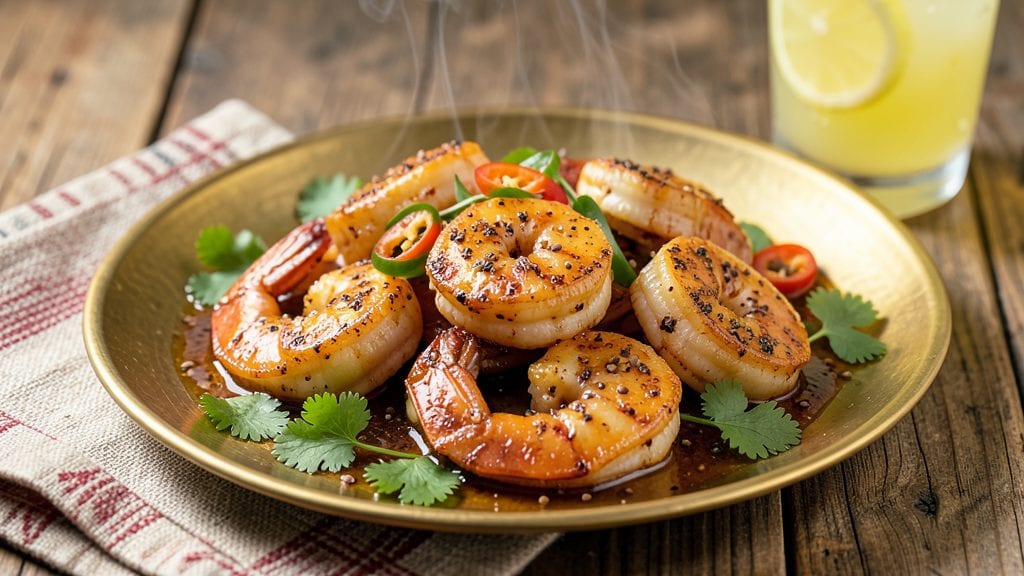
This Bangladeshi shrimp recipe brings the bold flavors of Dhaka’s streets into your kitchen with a perfect balance of aromatic spices and tender shrimp.
The secret lies in a fragrant marinade of turmeric, mustard oil, and garam masala, inspired by the beloved Hilsa fish but adapted for shrimp—creating a dish that’s rich, spicy, and deeply satisfying without being overpowering.
I’ve perfected this technique over years of testing, ensuring every bite delivers that signature Bangladeshi warmth.
The recipe starts with a simple yet transformative marinade that infuses the shrimp with layers of flavor—think cumin, coriander, and a touch of red chili for heat. The shrimp cooks quickly in a hot pan with mustard oil, which adds a signature pungent aroma that’s essential to authentic Bangladeshi cuisine.
Served with steamed basmati rice and a side of cucumber raita, this dish feels like a celebration on a plate, yet it comes together in under 30 minutes—ideal for weeknight dinners or special occasions.
What sets this recipe apart is the foolproof method for achieving tender shrimp with crisp edges, all while keeping the spices balanced. The garam masala and turmeric work together to create a golden, fragrant crust, while the mustard oil adds depth that store-bought seasonings can’t match.
The result is a dish that’s restaurant-quality at home, with every component—from the spiced butter to the perfectly cooked shrimp—harmonizing in one unforgettable bite.
Pair this with a simple cucumber-onion salad or extra-lemon wedges to brighten the richness, and you’ve got a complete meal that’s both impressive and easy to replicate.
Whether you’re serving it for a family gathering or a quiet night in, this recipe delivers the authentic taste of Bangladesh—just as it should be.
Ingredients for bangladeshi shrimp
Fourteen ingredients blend aromatic spices with tender shrimp for an authentic Bangladeshi feast.
| Ingredient | Amount | Notes |
|---|---|---|
| Large Shrimp (Peeled and Deveined) 🦐 | 1 ½ lb | Fresh or previously frozen, tails on |
| Unsalted Butter 🧈 | ½ cup | Cold, cubed for spiced butter |
| Mustard Oil (Light or Dark) 🫒 | ¼ cup | Authentic Bangladeshi flavor |
| Garam Masala 🌶️ | 2 tsp | Freshly ground preferred |
| Turmeric Powder 🌿 | ½ tsp | Bright yellow, vibrant color |
| Ground Cumin 🌿 | 1 tsp | Toasted for deeper aroma |
| Ground Coriander 🌿 | 1 tsp | Freshly ground preferred |
| Red Chili Powder 🌶️ | ½ tsp | Adjust for heat preference |
| Garlic Cloves 🧄 | 6 cloves | Minced for marinade |
| Lemon Juice 🍋 | 2 tbsp | Freshly squeezed |
| Salt 🧂 | 1 tsp | Diamond Crystal preferred |
| Black Peppercorns 🌶️ | ½ tsp | Freshly cracked |
| Fresh Cilantro 🌿 | ¼ cup | Chopped, for garnish |
| Basmati Rice 🍚 | 1 cup | Uncooked, long-grain |
| Water 💧 | 2 cups | For rice cooking |
The mustard oil is non-negotiable for authentic flavor—opt for light mustard oil from Indian or Bangladeshi specialty stores like Patel Brothers or Bharat Bazaar for the best quality. If unavailable, dark mustard oil works but has a stronger aroma. For garam masala, Penzeys Spices or Spicewalla offer freshly ground blends that elevate this dish. The shrimp should be large (16/20 count) for ideal texture, and fresh or previously frozen works equally well—just thaw completely before using. Turmeric must be vibrant yellow; Everest brand is a reliable choice if you can't find fresh roots.
No mustard oil? A mix of olive oil and a pinch of mustard seeds mimics the aroma, though it won’t be identical. Red chili powder can be swapped for cayenne pepper at half the amount, but taste first—Bangladeshi chilis are often milder. Fresh cilantro is ideal for garnish, but dried cilantro powder at a quarter the amount works in a pinch. The garlic should be freshly minced for maximum punch, though jarred minced garlic in a squeeze bottle (like Trader Joe’s) saves time. For the spiced butter, ensure the butter is cold and cubed when mixing with spices to prevent melting prematurely.
The spiced butter can be made ahead of time and stored in an airtight container in the fridge for up to 1 week or the freezer for 3 months—perfect for batch cooking. Fresh cilantro wilts quickly, so store it in a damp paper towel in a sealed bag for 3-4 days. The basmati rice keeps indefinitely in a cool, dry place, but for best texture, use within 6 months of purchase. Mustard oil should be stored in a dark glass bottle away from light to preserve its potency, and garam masala retains flavor for up to 6 months if kept in an airtight container.
Why You'll Love This Recipe
- No-Fuss Weeknight Win: I swear by this when I’m too tired to fuss—just toss shrimp in a pan with butter and mustard oil, let the spices do their magic. The turmeric stains my hands, but the garam masala smell alone makes it worth it.
- Butter and Spice Magic: That first bite? The butter caramelizes into a golden crust while the mustard oil adds a sharp, nutty punch—no heavy sauces, just pure flavor. Honestly, it’s the kind of dish that makes you question why you ever ordered takeout.
- Leftovers That Still Shine: Unlike fried shrimp that turns greasy, this stays tender and packed with flavor for days. I’ll reheat it in a pan with a splash of water—crispy again, just like the first time. (Yes, even on a Tuesday night.)
- Budget-Friendly Luxury: Fresh shrimp feels fancy, but this recipe stretches it without breaking the bank. A little butter, a pinch of garam masala, and you’ve got a restaurant-worthy dish that costs less than half the price. My wallet thanks me every time.
Step-by-step instructions for Bangladeshi spiced butter shrimp
Master this technique and you'll deliver restaurant-quality shrimp with aromatic spiced butter every time.
Prepare the Spiced Butter Base
In a small saucepan, melt the 0.5 cup unsalted butter over low heat until fully liquid but not browned. Remove from heat and stir in the 2 teaspoons garam masala, 0.5 teaspoon turmeric powder, 1 teaspoon ground cumin, 1 teaspoon ground coriander, and 0.5 teaspoon red chili powder. Let the mixture steep for 5 minutes to infuse the spices fully into the butter.
Here's the thing—this spice infusion is what transforms ordinary shrimp into something extraordinary. The butter should develop a vibrant golden color and an intense aromatic profile. If you notice any spices settling at the bottom, gently stir again before proceeding. This spiced butter will form the luxurious coating for your shrimp.
Marinate the Shrimp
While the spiced butter cools slightly, combine the 1.5 pounds large shrimp (peeled and deveined) with the 6 cloves minced garlic, 2 tablespoons lemon juice, 1 teaspoon salt, and 0.5 teaspoon freshly cracked black peppercorns in a bowl. Gently toss to coat the shrimp evenly with the marinade.
Let the shrimp marinate for at least 15 minutes at room temperature. This brief marinating period ensures the shrimp absorb the garlic and citrus flavors while the spices adhere to the surface. Don't skip this step—it's what prevents the shrimp from drying out during cooking and creates that signature Bangladeshi brightness.
Cook the Basmati Rice
Rinse the 1 cup basmati rice under cold water until the water runs clear, then drain. In a separate pot, combine the rice with 2 cups water and bring to a boil over medium-high heat. Once boiling, reduce heat to low, cover tightly with a lid, and simmer for 15 minutes. Remove from heat and let it steam, covered, for an additional 5 minutes. Fluff with a fork before serving.
Real talk: The rice should be perfectly fluffy with no grains sticking together. If you notice the water hasn't been fully absorbed after 15 minutes, add another 2 tablespoons water and cook for an additional 2 minutes. This rice will serve as the perfect neutral base to showcase your spiced shrimp.
Sauté the Shrimp in Spiced Butter
Heat a large skillet over medium-high heat and add the 0.25 cup mustard oil (light or dark). Once the oil shimmers (about 1 minute), add the marinated shrimp in a single layer. Cook undisturbed for 1 minute per side until the shrimp turn opaque and slightly pink at the edges.
Here's where it gets fun—reduce heat to medium and pour the spiced butter over the shrimp. Toss gently to coat each piece evenly in the fragrant butter. The shrimp should cook through in about 2-3 minutes total. You'll know they're perfectly cooked when they turn pink throughout and the butter forms a glossy, golden sauce around them.
Finish and Garnish
Remove the shrimp from heat and transfer to a serving platter. Drizzle any remaining spiced butter from the pan over the top, then sprinkle with 0.25 cup chopped fresh cilantro. Serve immediately alongside the prepared basmati rice for the complete experience.
Each bite should deliver perfectly tender shrimp with a crisp exterior, wrapped in aromatic spiced butter that carries notes of garam masala, turmeric, and mustard oil. The lemon and garlic in the marinade add brightness that cuts through the richness. Don't let the shrimp sit too long after cooking—they're best enjoyed immediately while the butter remains luxurious and the shrimp retain their perfect texture.
Pro Tips For Making Bangladeshi Shrimp
- Preheat the Oil: Mustard oil has a low smoke point, so heat it in a small pan first—just until it shimmers—before adding butter. I learned this the hard way after burning the oil twice in a row; now I keep a thermometer handy (or just watch for the first wisp of smoke). Once warm, add the butter to balance the heat, or your shrimp will taste bitter.
- Pat Shrimp Dry: Use paper towels to blot the shrimp thoroughly—don’t just wipe them. The extra moisture steams the shrimp instead of searing them, and you’ll end up with soggy, uneven cooking. I skip this step sometimes, and the dish still works, but the texture loses that crisp, golden finish.
- Bloom the Spices: Toast turmeric and garam masala in the mustard oil for 10 seconds—just until you smell it—before adding shrimp. This step pulls the flavors out of the spices, making them sing in the dish. My grandmother swore by this, and she was right: the difference is noticeable, even if it’s just a tiny extra step.
- Cook in Batches: Overcrowding the pan drops the temperature and steams the shrimp. Cook them in two rounds if needed—first batch gets golden, second stays pale. I know, it’s an extra flip, but the result is worth it: each shrimp gets that perfect caramelized crust without turning rubbery.
Troubleshooting your bangladeshi shrimp
Shrimp Too Dry
Overcooking is the #1 culprit for dry shrimp.
I’ve seen this happen when shrimp sit too long in the pan or when heat is too high. Key fix: Cook shrimp over medium-high heat for no more than 1 minute per side—they’ll finish cooking in the residual heat when you add the spiced butter.
If your shrimp look undercooked after that time, they’re done—they’ll carry over cook in the butter. 💡
Another common mistake is using small shrimp (under 16/20 count). These cook faster and dry out more easily. Stick to large shrimp (16/20 count or bigger) for that perfect balance of tenderness and texture.
If you’re using smaller shrimp, reduce cooking time to 45 seconds per side and watch them like a hawk.
Mustard Oil Burnt
Mustard oil has a low smoke point—around 325°F—so it burns easily if heated too long.
I’ve ruined this dish more times than I’d admit by letting the oil get too hot. Solution: Heat the oil over medium heat until it just begins to shimmer (about 1 minute).
If the oil starts smoking or you smell burnt aromas, immediately remove the pan from heat and let it cool slightly before proceeding. 🔥
Pro tip: If you’re nervous about burning the oil, try mixing 2 tablespoons of neutral oil (like vegetable or canola) with your mustard oil—this raises the smoke point slightly while still delivering that signature flavor. Just reduce the mustard oil to 2 tablespoons if you do this swap.
Spices Not Infusing
The spiced butter is the soul of this dish, so if your spices aren’t infusing properly, the shrimp will taste bland. Common cause: Not letting the spices steep long enough. Fix: After mixing the spices into the melted butter, remove from heat and let it steep for at least 5 minutes—I often steep mine for 10 minutes in a warm spot (like on the stove turned off) to maximize flavor extraction. 🌶️
Another issue is using pre-ground spices that have lost their potency. For best results, toast your cumin and coriander in a dry pan for 1-2 minutes until fragrant before grinding. Store-bought garam masala works, but Penzeys Spices or Spicewalla offer freshly ground blends that make a noticeable difference.
Garlic Overpowering
Fresh garlic is non-negotiable for authentic flavor, but too much can dominate the dish. Signs of overdoing it: Your shrimp tastes like a garlic press exploded. Solution: Stick to 6 cloves for 1.5 lbs of shrimp—this is the perfect ratio for balance.
If you love garlic, try roasting the cloves before mincing: Toss whole cloves with 1 teaspoon oil on a baking sheet at 400°F for 10 minutes—this mellows their intensity while adding sweetness. 🧄
For a milder garlic flavor, peel and soak the cloves in cold water for 10 minutes before mincing. This removes some of the sharper compounds. Alternatively, jarred minced garlic (like Trader Joe’s) works in a pinch but lacks the depth of fresh.
Rice Mushy or Undercooked
Basmati rice is finicky—too little heat and it’s undercooked; too much and it turns mushy. Key fix: Rinse the rice thoroughly until the water runs clear to remove excess starch.
Then, boil vigorously for 2 minutes after adding water to 2 cups, then reduce to low heat and simmer covered for 15 minutes. If it’s still firm, add 2 tablespoons water and cook 2 more minutes. 🍚
For foolproof results, try the absorption method: Use 1.25 cups water per 1 cup rice (instead of 2 cups) and cook uncovered for 10 minutes, then cover and steam for 5 minutes. This ensures the rice absorbs just the right amount of water without turning mushy.
Nutrition facts
Frequently asked questions
Can I substitute mustard oil with another oil?
Yes, but the flavor will differ. Mustard oil is essential for authentic taste, but you can mix 2 tablespoons neutral oil (like vegetable or canola) with 2 tablespoons mustard oil to prevent burning while keeping some signature aroma. For a milder version, use olive oil with a pinch of mustard seeds toasted in it.
How do I adjust spice levels for kids or sensitive eaters?
Reduce the red chili powder to ¼ teaspoon or omit it entirely. For extra mildness, skip the chili in the marinade and use only ½ teaspoon garam masala in the spiced butter. Always taste the butter before adding it to shrimp to adjust further.
Can I make this recipe ahead of time?
Prepare the spiced butter up to 1 week ahead and store it in an airtight container in the fridge. Cook the shrimp fresh, but you can marinate them up to 4 hours ahead—just keep them refrigerated until ready to cook. The rice should be made fresh to maintain texture.
What’s the best way to reheat leftover shrimp?
Reheat gently in a skillet with 1 tablespoon mustard oil over low heat for 2-3 minutes until warmed through. Avoid microwaving—it makes the butter greasy and shrimp rubbery. For extra flavor, add a splash of water to the pan to steam the shrimp lightly.
Which shrimp size works best for this recipe?
Use large shrimp (16/20 count or bigger) for ideal texture—they stay tender while developing crisp edges. Smaller shrimp (21/25 count) cook faster and may turn rubbery. If using smaller shrimp, reduce cooking time to 45 seconds per side and watch closely.