Main Courses
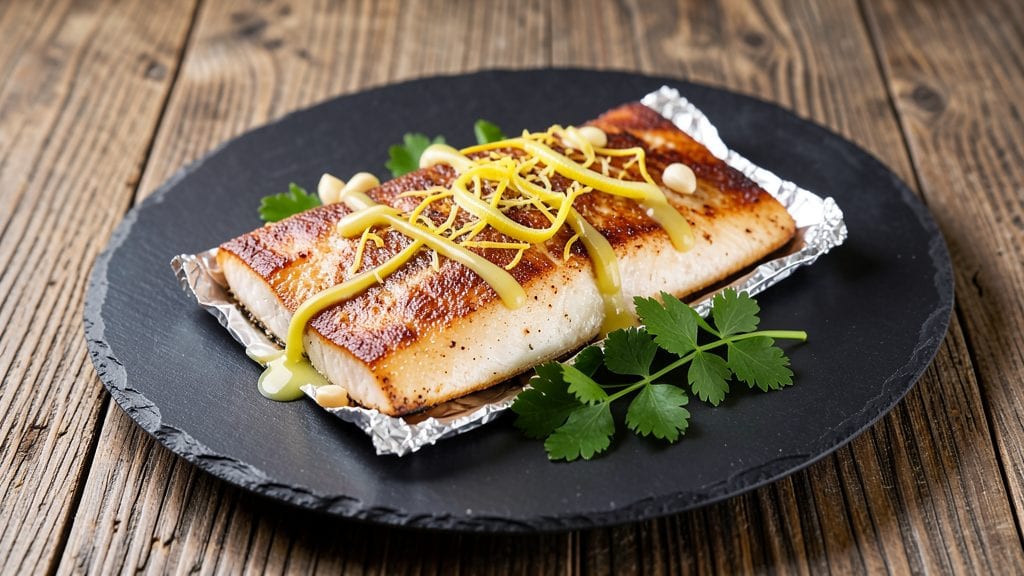
Baking cod in foil delivers flaky perfection with almost no effort—this recipe transforms simple ingredients into restaurant-quality fish that stays moist and tender. The foil technique locks in natural juices while allowing the fish to cook evenly, eliminating the risk of drying out.
I developed this method after years of struggling with overcooked, rubbery cod, and it never fails to impress.
What makes this recipe special is its simplicity: just a few pantry staples, a 15-minute prep, and 20 minutes in the oven at 400°F.
The secret lies in seasoning the fish generously with salt, pepper, and lemon before wrapping it tightly in foil—this creates a steamy environment that keeps the cod moist.
The result is fish that flakes effortlessly with every bite, offering a clean, delicate flavor that pairs perfectly with bright citrus or fresh herbs.
By the time you pull it from the oven, you'll have perfectly cooked cod with a tender, buttery texture and a subtle lemon aroma that elevates any meal.
The foil method also means minimal cleanup—just one sheet to dispose of, leaving you free to focus on plating with lemon wedges, chopped parsley, or roasted vegetables. This is the kind of dish that makes weeknight dinners feel special without the fuss.
Whether you're feeding a family or treating yourself to a solo meal, this recipe scales beautifully and delivers foolproof results every time. Let's get started with the ingredients you already have on hand.
Ingredients for cod fish baked in foil
Foolproof ingredients for restaurant-style cod that stays moist and flaky every time.
| Ingredient | Amount | Notes |
|---|---|---|
| Cod Fillets 🐟 | 2 lb | Skin-on preferred for texture |
| Extra-Virgin Olive Oil 🫒 | 2 tbsp | High-quality, fruity variety |
| Lemon Zest 🍋 | 1 tbsp | Freshly grated from organic lemons |
| Lemon Juice 🍋 | 2 tbsp | Freshly squeezed, no pulp |
| Fresh Parsley 🌿 | ¼ cup | Chopped, flat-leaf preferred |
| Garlic Cloves 🧄 | 3 cloves | Minced, fresh preferred |
| Kosher Salt 🧂 | 1 ½ tsp | Fine grain, Diamond Crystal |
| Freshly Ground Black Pepper 🌶️ | ½ tsp | Coarse grind preferred |
| Aluminum Foil 📄 | 1 sheet | Heavy-duty, 12-inch square |
| Unsalted Butter 🧈 | 2 tbsp | Cold, cut into small pieces |
| Fresh Dill 🌿 | ⅛ cup | Chopped, optional for brightness |
The cod is the star, so prioritize quality—fresh, skin-on fillets from a trusted fishmonger or high-quality seafood counter make all the difference. Look for fillets with a vibrant, translucent sheen and minimal fishy odor. If shopping at Whole Foods or Trader Joe's, their frozen cod fillets (thawed overnight) work perfectly too. The skin adds texture, but you can remove it if preferred. For the olive oil, California avocado or Italian extra-virgin brands elevate the flavor without overpowering the delicate fish. Fresh herbs like parsley and dill should be bright green with no wilting—store them in a damp paper towel in the fridge until use.
No fresh dill? Substitute with 1 tbsp chopped tarragon or omit entirely—it’s optional but adds brightness. Running low on lemon juice? Lime juice works in a pinch, though the flavor profile shifts slightly. If you don’t have minced garlic, garlic powder at half the amount suffices, but fresh is ideal. For the butter, European-style unsalted (like Plugrá) adds richer flavor, but any good-quality butter works. The foil is non-negotiable—heavy-duty aluminum ensures even heat distribution and prevents tearing. Pre-cut the foil into 12-inch squares ahead of time to save steps during cooking.
This recipe reheats beautifully—just warm in the oven for 5-7 minutes at 350°F wrapped in fresh foil. Store leftovers in an airtight container for up to 2 days, though the texture is best enjoyed fresh. The foil-wrapped cod freezes well for up to 3 months: wrap each portion tightly in foil, then place in a freezer bag. Thaw overnight in the fridge before reheating. For meal prep, portion the seasoned fillets ahead of time and bake as needed—just add the foil and oven time. The lemon zest and herbs can be prepped in advance and stored separately in the fridge for up to 3 days.
Why You'll Love This Recipe
- Foolproof Foil Magic: I swear by this method—just toss the cod, olive oil, lemon zest, and parsley onto foil, fold, and bake. No flipping, no stress, and the fish stays tender while the edges get that golden kiss from the oven.
- Zesty, Bright, Always: That lemon juice and zest cut through the richness of the cod like a summer breeze. The parsley adds a fresh finish that makes it taste like a vacation dish, even when I’m eating it on the couch.
- Packed Lunch Hero: Between us, this is my go-to for meal prep. The foil packets reheat beautifully—just pop them in the microwave or oven, and you’ve got a restaurant-quality lunch without the fuss.
- Budget-Friendly Luxury: Cod’s affordable, and this recipe stretches it further than any pan-searing I’ve tried. Plus, the foil means less cleanup, and the leftovers? They disappear faster than my willpower on a bad day.
Step-by-step instructions for cod fish baked in foil
This method guarantees tender, flaky cod with crisp edges and vibrant flavors—no overcooking, no fuss.
Prepare the Cod and Seasoning
Pat the 2 lb cod fillets dry with paper towels, pressing firmly to remove all moisture. This ensures a better sear and prevents steaming instead of browning. Lay each fillet skin-side down on a cutting board and season both sides generously with the 1.5 tsp kosher salt and 0.5 tsp freshly ground black pepper. I like to press the seasoning into the flesh slightly so it penetrates evenly.
In a small bowl, combine the 2 tbsp extra-virgin olive oil, 1 tbsp lemon zest, 2 tbsp lemon juice, 0.25 cup chopped fresh parsley, 3 minced garlic cloves, and 0.125 cup chopped fresh dill. Mix well to create a bright, herby marinade. Pour half of this mixture over the cod fillets, making sure it coats the surface evenly. Let the cod sit at room temperature for 15 minutes while you prepare the foil.
Create the Foil Packets
Cut the 1 sheet aluminum foil into four 12-inch squares. For each cod fillet, place a square of foil on your work surface and arrange one fillet in the center, skin-side down. Spoon any remaining marinade from the bowl onto the foil around the fillet. Dot the cod evenly with the 2 tbsp cold, cubed unsalted butter.
Fold the foil up around the cod in a sealed packet, leaving about 2 inches of overhang on each side. Crimp the edges tightly to create an airtight seal—this traps steam and keeps the fish moist. If any marinade leaks out during folding, don't worry; it will baste the fish as it bakes.
Bake to Flaky Perfection
Preheat your oven to 375°F. Place the sealed foil packets on a baking sheet lined with parchment paper, leaving about 1 inch of space between each packet. Bake for 12-15 minutes until the cod is just opaque in the center and flakes easily when tested with a fork. The edges should be lightly golden, but don't overbake—cod continues cooking slightly as it rests.
Here's the key: The fish is done when it reaches an internal temperature of 145°F and the flesh separates cleanly at the thickest part with minimal resistance. If you open the foil early and see translucent edges, it needs a few more minutes. If it looks completely opaque, it's overdone.
Rest and Serve
Remove the foil packets from the oven and let them rest for 5 minutes before opening. This resting period allows the juices to redistribute throughout the fish, ensuring each bite is moist and flavorful. When ready to serve, carefully open the foil packets and transfer the cod to serving plates.
Garnish each fillet with a sprinkle of the remaining marinade and a few extra leaves of fresh dill for color. Serve immediately with lemon wedges on the side. The result should be tender, flaky cod with a delicate lemon-herb crust and buttery richness throughout. Each bite should offer perfect texture—no dryness, no toughness, just melt-in-your-mouth perfection.
Pro Tips For Making Cod Fish Baked In Foil
- Pat Dry First: Cod stays moist, but too much water in the foil turns your dish into a sad, soggy science experiment. Grab paper towels and press firmly—especially if the fillets feel slick from the market. I learned this the hard way when my first foil-baked batch ended up tasting like a fishy soup.
- Use High Heat Initially: Start your oven at 425°F (220°C) for the first 10 minutes—this seals the flesh and locks in flavor. After that, drop to 375°F (190°C) to finish gently. I used to bake it low and even, and the cod always came out bland and undercooked.
- Zest Before Juicing: Grate the lemon zest first, then juice it—this way, the bright, aromatic oils infuse the cod while the acidity doesn’t overpower it right away. Skip this, and your dish might taste sharply acidic instead of balanced. (Yes, even if you’re impatient like me.)
- Fold Foil Tightly: Crimp the edges of the foil like you’re sealing a letter—no gaps, no peeking. Loose foil lets steam escape, drying out the fish or making it taste dull. Does it look weird? Yes. Does it work? Every single time.
Troubleshooting great cod fish baked in foil
Undercooked Cod Fix
If your cod feels slightly firm or translucent in the center after baking, it needs more time—never cut into it early. Return the foil packet to the oven for 2-3 additional minutes at 375°F.
The internal temperature should reach 145°F for perfect doneness. If you're unsure, use an instant-read thermometer for accuracy. Overcooking is easier to fix than undercooked fish, so err on the side of caution. 🌡️
Dry or Tough Texture
Dry cod usually means the fish baked too long or wasn’t sealed properly in the foil. To prevent this, double-check your foil seal—it should be airtight with no gaps.
If the cod is already dry, try this quick fix: Place the fillet in a shallow baking dish, add 2 tbsp warm water or broth, cover with foil, and bake at 350°F for 5-7 minutes to steam it back to tenderness.
This works best if the cod isn’t fully overcooked.
Foil Leaks or Burns
If marinade leaks out during baking, it can cause uneven cooking or even burn the foil. To avoid this, use heavy-duty foil and fold the edges tightly, creating a sealed packet.
If the foil starts to darken or smoke, remove the packet and place it on a fresh sheet of parchment-lined foil to prevent burning. A light char is fine, but dark spots mean it’s time to adjust your oven rack position or reduce heat slightly.
Fish Sticks Together
The foil method should keep cod moist, but if the fillets stick to the foil, it’s likely due to excess moisture or butter melting too quickly. For next time, pat the cod extra dry before seasoning and use slightly less butter (try 1 tbsp per fillet).
If it happens during cooking, gently slide a spatula between the foil and fish to release it—don’t force it, or you’ll tear the delicate flesh. A light dusting of flour on the foil before adding the fish can also help prevent sticking.
Uneven Cooking
Uneven cooking often happens when cod fillets vary in thickness. To fix this, trim thicker edges to match the thinnest part of the fillet before seasoning. If one side is undercooked, place the packet back in the oven with the raw side up for 1-2 extra minutes.
For future batches, weigh your fillets and adjust baking time accordingly—thicker cuts need 1-2 extra minutes per ½ inch of thickness. 🔥
Foil Won’t Stay Sealed
If your foil keeps tearing or popping open, try folding the edges twice (like a letter) to create a stronger seal. Another trick is to use two layers of foil—one for the base and one for the top—folding them together tightly.
If you’re still struggling, butter the foil lightly before adding the fish; the fat acts as a natural sealant and prevents leaks. This is especially helpful if your marinade is particularly wet or oily.
Nutrition facts
Frequently asked questions
Why does baking cod in foil keep it moist?
The foil creates a steamy environment that locks in natural juices, preventing dryness. This method is perfect for delicate fish like cod, which can easily turn rubbery when overcooked. The sealed packet traps moisture and butter, basting the fish as it bakes for that melt-in-your-mouth texture.
Can I use frozen cod for this recipe?
Yes, but thaw it completely first in the fridge overnight. Never use cold or partially thawed cod, as it won't cook evenly. Frozen cod works just as well as fresh—just pat it dry thoroughly before seasoning to ensure proper browning.
What’s the best way to test if the cod is done?
Use a fork to gently flake the thickest part of the fillet. If it separates easily and the flesh is opaque (not translucent), it's perfect. The internal temperature should reach 145°F. Avoid cutting into it too early—cod continues cooking slightly after removal from the oven.
Can I make this ahead of time?
Yes! Assemble the foil packets up to 1 day ahead and refrigerate. Bake straight from the fridge, adding 2-3 extra minutes to the cooking time. For leftovers, store in an airtight container for 2 days or freeze for 3 months. Reheat wrapped in fresh foil at 350°F for 5-7 minutes.
What sides pair well with baked cod?
Bright, citrusy sides complement the lemon-herb flavors perfectly. Try roasted asparagus, garlic sautéed spinach, or a simple quinoa salad. For a heartier meal, serve with crusty bread and a white wine sauce. The foil method makes this dish versatile for any occasion!