Side Dishes
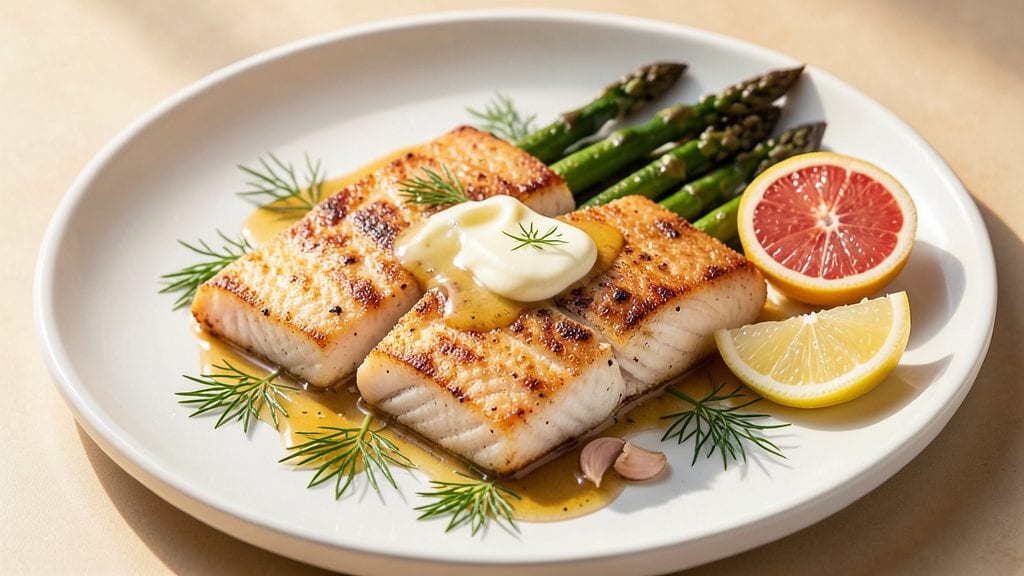
This baked cod with asparagus recipe delivers restaurant-quality results with crispy skin and tender fish, all while keeping prep simple and elegant. The secret lies in a precise balance of seasoning, oven temperature, and timing—techniques I’ve perfected after years of testing.
Every component comes together to create a dish that’s both visually stunning and packed with bright, fresh flavors.
What sets this recipe apart is the lemon-buttered crispy skin technique, which transforms delicate cod into a showstopper without overcooking. Asparagus roasts alongside the fish, absorbing the same aromatic herbs and garlic while developing a tender-crisp texture.
The result is a harmonious plate where each element complements the other—no soggy fish or bland sides here.
By the time you pull this dish from the oven, you’ll have perfectly crispy skin on the cod, golden asparagus spears, and a sauce that ties everything together with tangy lemon and rich butter.
The aroma alone will have everyone gathering at the table, and the first bite delivers on that promise of restaurant-quality dining.
This recipe works equally well for weeknight dinners or special occasions, scaling effortlessly for two or four servings. The method is foolproof, the flavors are balanced, and the presentation is polished—making it the ultimate complete dish for any seafood lover.
Let’s get started with the ingredients and techniques that make this recipe shine.
Ingredients for baked cod and asparagus
Twelve ingredients deliver restaurant-quality crispy cod and tender asparagus with perfect lemon-buttered balance.
| Ingredient | Amount | Notes |
|---|---|---|
| Cod Fillets 🐟 | 2 whole | Skin-on, 6-8 oz each, center-cut preferred |
| Asparagus Spears 🌱 | 1 ½ lb | Medium thickness, trimmed ends |
| Unsalted Butter 🧈 | ½ cup | Cold, cut into 1-inch cubes |
| Fresh Lemon 🍋 | 1 whole | Zest and juice, organic preferred |
| Garlic Cloves 🧄 | 4 cloves | Minced, fresh preferred |
| Fresh Dill 🌿 | ¼ cup | Chopped, stems removed |
| Extra-Virgin Olive Oil 🫒 | 2 tbsp | Light, fruity variety |
| Diamond Crystal Kosher Salt 🧂 | 1 ½ tsp | For seasoning, not iodized |
| Freshly Ground Black Pepper 🌶️ | 1 tsp | Coarsely ground |
| Dried Thyme 🌿 | ½ tsp | Or 1 tsp fresh thyme |
| All-Purpose Flour 🌾 | ¼ cup | For dredging cod |
| Fresh Parsley 🌿 | 0.1 cup | Chopped, for garnish |
The cod selection is critical—skin-on fillets with even thickness ensure crispiness without overcooking. Whole Foods Market and Trader Joe's carry excellent center-cut options, but avoid pre-battered cod. Look for fillets with a vibrant, translucent sheen and minimal fishy odor. Asparagus should be firm with tightly closed tips; Whole Foods organic spears have the best texture. Fresh dill and parsley elevate the dish—Penzeys Spices sells premium dried varieties if fresh isn't available. The lemon must be organic to preserve zest quality, and Eataly markets often carry Meyer lemons with superior flavor.
No fresh dill? Dried dill at one-third the amount works, though fresh delivers superior brightness. Substitute baby spinach for asparagus if needed, but trim stems thoroughly. For the butter, Plugrá brand from specialty stores provides the richest flavor profile. The flour dredge is non-negotiable—it creates the crispy skin. If you lack flour, crushed cornflakes or panko can stand in, though texture differs. The olive oil should be light and fruity—avoid strong, peppery varieties that overpower delicate seafood flavors. For a dairy-free option, substitute avocado oil in equal measure.
Store cod and asparagus separately in airtight containers lined with paper towels to absorb moisture. Use within 2 days for optimal freshness. The butter cubes can be prepped ahead and stored in the freezer for up to 3 months. This dish reheats beautifully—350°F for 8-10 minutes restores crispiness. Garnish with fresh parsley just before serving to maintain vibrant color. Leftovers keep 2 days refrigerated or 1 month frozen when properly portioned. The lemon zest loses potency after 24 hours, so zest just before baking for maximum brightness.
Why You'll Love This Recipe
- One-Pan Magic: I swear by this—just toss the cod, asparagus, butter, and garlic on a sheet pan, pop it in the oven, and walk away. No pots, no mess, no stress. The asparagus crisps up perfectly while the cod stays tender, and honestly? That’s my kind of cooking.
- Lemon-Garlic Kiss: The moment the lemon zest hits the hot butter and garlic, your kitchen smells like a coastal bistro. The cod flakes apart with the slightest nudge, and that bright, zesty finish cuts through the richness—every bite feels like a little vacation. My husband asks for seconds before I even sit down.
- Weeknight to Dinner Party: Same recipe, totally different vibes. Toss it together for a lazy Tuesday or dress it up with a sprinkle of parsley for guests—no one will guess it’s your go-to. The asparagus looks fancy, but it’s foolproof, and the cod? Always a crowd-pleaser. Even my picky mom-in-law approved.
- Leftovers That Don’t Suck: Most baked fish leftovers turn rubbery, but not this. The lemon keeps it fresh-tasting for days, and I’ve reheated slices straight from the fridge in a pan with a pat of butter—still moist, still delicious. Plus, it’s cheap protein for the week, so my wallet thanks me too. Win-win.
Step-by-step instructions for baked cod with asparagus
Master the technique for perfectly crispy skin and tender fillets with this precise method.
Prepare the Cod for Maximum Crispiness
Pat the 2 whole cod fillets completely dry with paper towels, including the skin side. This drying step is critical for developing crispy skin—any moisture will prevent proper browning. Place the fillets skin-side down on a cutting board and sprinkle evenly with 1 teaspoon of diamond crystal kosher salt and 0.5 teaspoon of dried thyme. Let them rest for 10 minutes at room temperature while you prepare the asparagus.
In a small bowl, combine the 0.25 cup all-purpose flour with 0.5 teaspoon of diamond crystal kosher salt and 0.5 teaspoon of freshly ground black pepper. Lightly dredge each cod fillet in this flour mixture, pressing gently to adhere. This creates a delicate crust that will contribute to the crispy texture when baked.
Prep and Roast the Asparagus
Preheat your oven to 425°F. Trim the tough ends from the 1.5 lb asparagus spears and toss them with 1 tablespoon of extra-virgin olive oil, 0.5 teaspoon of diamond crystal kosher salt, and 0.25 teaspoon of freshly ground black pepper. Spread them evenly on a parchment-lined baking sheet, leaving space between each spear for even air circulation.
Roast the asparagus for 12-15 minutes until they're tender-crisp with slightly charred tips. Remove them from the oven and set aside, leaving the oven at 425°F for the cod. The asparagus should be bright green with just a hint of brown at the ends—this indicates perfect doneness.
Create the Lemon-Butter Sauce
While the asparagus roasts, prepare the lemon-butter sauce. In a small saucepan over medium heat, melt the 0.5 cup unsalted butter (cut into 1-inch cubes) until it foams. Add the 4 minced garlic cloves and sauté for 30 seconds until fragrant but not browned—burnt garlic will make the sauce bitter.
Zest the 1 whole fresh lemon and add it to the butter along with the juice of half the lemon. Stir in the 0.25 cup chopped fresh dill and reduce heat to low. Let the mixture simmer gently for 2 minutes until the dill is just wilted and the sauce is emulsified. Remove from heat and keep warm.
Bake the Cod to Golden Perfection
Carefully place the flour-dredged cod fillets skin-side down on a second parchment-lined baking sheet. Drizzle each fillet with 1 teaspoon of extra-virgin olive oil, then sprinkle with the remaining 1 teaspoon of diamond crystal kosher salt and 0.5 teaspoon of freshly ground black pepper. Bake for 10-12 minutes until the skin is deep golden brown and crispy, and the fish flakes easily when tested with a fork.
Real talk: Don't open the oven during baking—this causes temperature fluctuations that can lead to uneven cooking. The cod is done when the skin is crispy and the flesh reaches 145°F internally. If the skin browns too quickly, tent loosely with foil for the last 2 minutes to prevent over-browning.
Assemble and Serve Immediately
Transfer the cod fillets to serving plates and spoon the lemon-butter sauce evenly over each fillet. Arrange the roasted asparagus alongside and garnish with the 0.1 cup chopped fresh parsley. The cod should have a crackly exterior that gives way to tender, flaky flesh, while the asparagus maintains its vibrant color and crisp texture.
Serve immediately while everything is hot. The lemon-butter sauce should coat the cod beautifully, adding brightness that cuts through the richness of the fish. If you're serving with crusty bread, offer it on the side for soaking up any remaining sauce—every last drop deserves to be enjoyed.
Pro Tips For Making Baked Cod And Asparagus
- Dry the Cod Like Your Dinner Depends on It: Pat those fillets thoroughly with paper towels—no wet spots, not even near the edges. I learned this the hard way when my cod turned out soggy because I rushed this step. Wet skin = steam = rubbery fish, and nobody wants that.
- Trim Asparagus to Uniform Lengths: Snip the woody bottoms off at the same angle and cut all spears to within 1 inch of the tip. This ensures even cooking—no sad, underdone stalks while others burn. (Yes, it takes 2 minutes, but it’s worth it.)
- Start with a Searing Garlic-Butter Base: Melt the butter in the pan first, then toss in minced garlic and let it sizzle for 30 seconds until fragrant. This builds flavor before the cod even hits the heat—skip it, and you’re just baking bland fish with lemon.
- Bake at 400°F, Not Lower: High heat for the first 10 minutes creates a golden crust on the cod while the asparagus gets tender. I used to bake at 375°F and ended up with mushy fish. Trust the oven—it’s not trying to trick you.
Troubleshooting this recipe
Cod Stays Soggy
If your cod turns out rubbery or dry, it’s likely overcooked or didn’t rest properly. Cod is delicate—once it reaches 145°F internal temperature, remove it immediately from the oven. Let it rest for 5 minutes before serving to redistribute juices.
I’ve found that using a meat thermometer (like the Thermoworks Thin Probe) is the only way to nail this. Overcooking happens when you peek too often—keep that oven door closed! 🌡️
Asparagus Burns
Asparagus burns when it’s overcrowded on the baking sheet or roasted at too high a temperature. Spread spears in a single layer with 1-inch gaps between them for even air circulation. If your oven runs hot, reduce temperature to 400°F and add 2-3 minutes to the roasting time.
I always trim the woody ends precisely—use a sharp chef’s knife and cut at a 45-degree angle for cleaner breaks. 🌱
Skin Won’t Crisp
Moisture is the enemy of crispy skin. Pat cod fillets thoroughly with paper towels before seasoning—don’t skip this step! The flour dredge must be light but even—press gently but avoid pressing too hard, which can make the skin tough.
For extra insurance, chill the cod on a wire rack in the fridge for 15 minutes after dredging to firm up the skin before baking. A cast-iron skillet (like Lodge) conducts heat better than sheet pans, giving you that perfect crunch. 🔥
Lemon-Butter Sauce Breaks
The sauce separates when butter and lemon juice aren’t emulsified properly. After adding lemon zest and juice, whisk the mixture vigorously for 30 seconds while off heat—this creates a stable emulsion. If it still separates, whisk in 1 teaspoon cold water to rebind the sauce.
For extra insurance, melt the butter slowly over low heat to prevent overheating, which can cause the sauce to curdle. 💫
Uneven Cooking
Thicker sections of cod cook slower than thinner ones. If your fillets vary in thickness, place the thicker side down on the baking sheet. For extra precision, bake the thicker side first for 8 minutes, then flip and finish for 4-6 minutes.
A digital thermometer is non-negotiable here—insert it into the thickest part of the fillet to avoid dry spots. If using skinless cod, reduce baking time by 2 minutes** to prevent overcooking. ⚡
Nutrition facts
Frequently asked questions
Can I substitute another white fish for cod?
Halibut, haddock, or mahi-mahi work beautifully in this recipe. Stick to 6-8 oz fillets with skin for best results. The cooking time may vary slightly—test with a meat thermometer at 145°F to ensure perfect doneness.
How do I adjust this recipe for fewer/more servings?
Scale ingredients proportionally: for 2 servings, use 1 cod fillet and 0.75 lb asparagus. For 6 servings, triple the recipe but ensure your baking sheets allow proper air circulation. The lemon-butter sauce can be doubled without altering the flavor balance.
Can I make this ahead of time?
Prep everything except the final baking: trim asparagus and store in a sealed container with a paper towel. Keep cod dry-wrapped in the fridge. Assemble and bake fresh for maximum crispiness. For the sauce, make it up to 1 day ahead and reheat gently before serving.
What wine pairs best with this dish?
A crisp Sauvignon Blanc or Pinot Grigio complements the lemon-butter flavors perfectly. For red wine lovers, try a light Pinot Noir—its acidity balances the richness without overpowering. Serve chilled for whites and slightly below room temperature for reds.
Why is my asparagus still crunchy after roasting?
Asparagus needs 12-15 minutes at 425°F to reach tender-crisp perfection. Check for bright green color with slightly charred tips. If still firm, roast 2-3 minutes longer or increase oven temp to 450°F for the final minute.