Appetizers
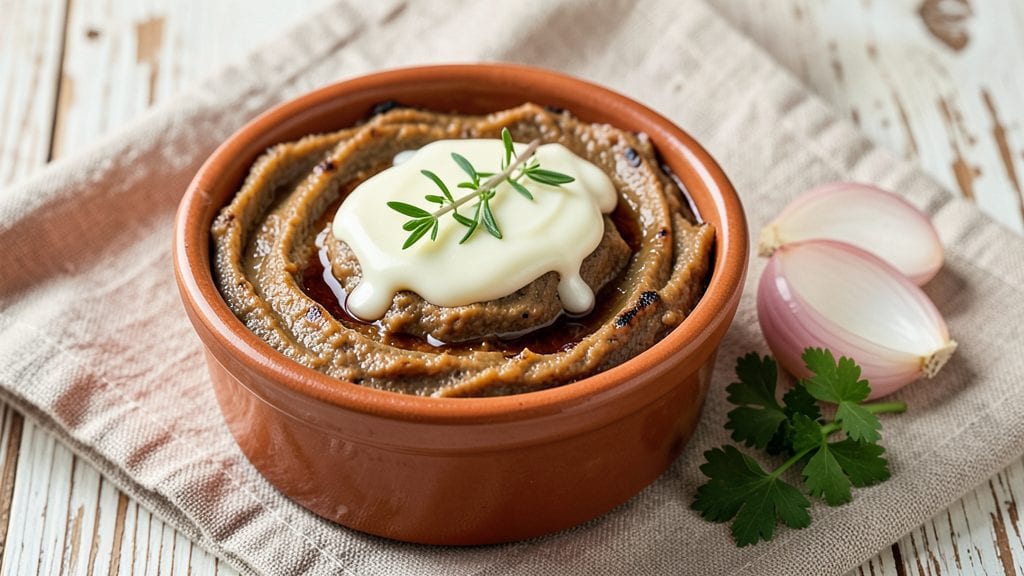
This baked chicken liver pâté recipe transforms humble offal into a luxurious, velvety spread that belongs on any appetizer table. The process begins with rendering fat from the livers and cooking them gently to preserve their rich, earthy flavor—no shortcuts here.
What sets this version apart is the balance of brandied notes and fresh herbs, creating a pâté that’s both traditional and refined.
Professional results come from precise technique: blending the cooked livers until silky, then baking in a terrine mold for a firm yet tender texture. The brandy infusion adds depth, while herbs like thyme and parsley brighten the richness.
This isn’t just pâté—it’s a showstopper that elevates any gathering, whether served with crusty bread or delicate crackers.
What you’ll achieve is a spread so luxurious it rivals gourmet shop versions, but made entirely at home. The liver’s natural umami shines through, balanced by the warmth of brandy and the freshness of herbs.
Every bite delivers that perfect harmony of texture and flavor, proving that offal can be extraordinary when handled with care.
For those who prefer a modern twist, consider adding a touch of smoked paprika or a splash of port wine to the brandy mixture. The terrine method ensures clean slices, but you can also shape it freely for a rustic presentation. Let’s create pâté that impresses—step by step.
Ingredients for baked chicken liver pate
Sixteen ingredients, one luxurious spread—transforming humble livers into velvety pâté perfection.
| Ingredient | Amount | Notes |
|---|---|---|
| Chicken Livers 🍗 | 1 ½ lb | Fresh, trimmed of connective tissue |
| Unsalted Butter 🧈 | ½ cup | Cold, cubed for rendering |
| Brandy 🍷 | ½ cup | High-quality, 80-proof minimum |
| Fresh Thyme Leaves 🌿 | ¼ cup | Finely chopped, stems removed |
| Fresh Parsley Leaves 🌿 | ¼ cup | Finely chopped, flat-leaf preferred |
| Shallots 🧅 | 2 whole | Minced, about 2 tbsp total |
| Garlic Cloves 🧄 | 3 cloves | Minced, for depth of flavor |
| Heavy Cream 🥛 | ½ cup | Full-fat for richness |
| Diamond Crystal Kosher Salt 🧂 | ½ tsp | Adjust to taste, not pre-measured |
| Freshly Ground Black Pepper 🌶️ | ¼ tsp | Freshly cracked for best flavor |
| Granulated Sugar 🍚 | ½ tsp | Balances richness |
| Unflavored Gelatin 🍬 | 1 tsp | Bloomed in 2 tbsp cold water |
| Terrine Mold 📦 | 1 whole | 8x4-inch loaf pan works too |
Chicken livers are the foundation—freshness is non-negotiable. Look for vibrant, deep-red livers at your local butcher or high-end grocery store like Whole Foods, where they’re typically sold pre-trimmed. If buying whole, trim any connective tissue and silver skin carefully—this ensures silky texture. The butter matters too: European-style unsalted like Plugrá or Land O’Lakes has higher fat content, which renders beautifully. Store livers in the coldest part of your fridge, wrapped in paper towels, and use within 2 days for peak flavor. Brandy selection is equally important—avoid cheap cooking brandy; Courvoisier or Christian Brothers deliver the depth this recipe demands.
No brandy? Substitute with an equal amount of port wine for a slightly sweeter profile, or dry sherry for brightness. Fresh herbs can be swapped: dried thyme at one-third the amount works in a pinch, but fresh parsley’s bright notes are irreplaceable. Shallots and garlic can be omitted if you’re short, but the pâté will lose complexity. For the gelatin, unflavored powdered is easiest—just bloom it in cold water first. The terrine mold isn’t strictly necessary; a loaf pan lined with plastic wrap works perfectly for shaping. If you’re feeling adventurous, add 1 tsp smoked paprika to the brandy mixture for a modern twist, but traditionalists may prefer to skip it.
This pâté keeps beautifully—5 days refrigerated in its terrine, sealed tightly with plastic wrap pressed directly against the surface. For longer storage, freeze it 3 months in portions wrapped individually. To serve, unmold onto a plate and slice with a hot, damp knife for clean cuts. The pâté tastes even better the next day as flavors meld, so make it ahead for gatherings. Leftovers? Spread on toast or crackers—it’s that good. Avoid reheating in the microwave; instead, warm gently in a water bath at 160°F for 10 minutes to preserve texture.
Why You'll Love This Recipe
- No-Fuss Ingredients: I swear by this—just livers, butter, and a splash of brandy. No fancy prep, no hidden pantry items. Honestly, the hardest part is remembering to take them out of the fridge.
- Rich Umami Bomb: That brandy and thyme? It’s like a flavor explosion in your mouth. The butter melts into something creamy, but the livers stay tender—not mushy, not dry. Pure satisfaction.
- Weeknight or Fancy Spread: Slather it on crusty bread for a quick dinner, or serve it chilled with crackers at a holiday party. Between us, it’s the kind of thing that makes you look like a star host—no one needs to know it took 20 minutes.
- Budget Luxury: Chicken livers are cheap, but they taste like you spent hours. A pound lasts me two batches, and the leftovers? Even better the next day. My wallet and taste buds win.
Step-by-step instructions for baked chicken liver pâté
Here's how to create a velvety, herb-infused pâté with perfect texture and depth of flavor.
Prepare the Chicken Livers for Cooking
Rinse the 1.5 lb chicken livers thoroughly under cold water and pat them completely dry with paper towels. This step is crucial—any moisture will prevent proper browning and create a watery pâté. Trim off any visible connective tissue or silver skin using a sharp knife, as these parts don't break down smoothly during cooking.
Place the cleaned livers in a bowl and cover them with cold water. Let them soak for 10 minutes to remove any bloodline, then drain and rinse again. This ensures a clean, bright flavor in your finished pâté. After draining, pat the livers dry once more before proceeding to the next step.
Sauté the Aromatics and Render the Livers
Heat 0.5 cup unsalted butter in a large skillet over medium heat until it begins to foam but isn't browning. Add the 2 minced shallots and 3 minced garlic cloves, cooking for 2-3 minutes until they're translucent and fragrant. This gentle cooking prevents burning while building flavor.
Increase the heat to medium-high and add the livers in a single layer. Cook undisturbed for 2-3 minutes until they develop a golden crust on one side. Flip carefully and cook another 2-3 minutes until they reach 145°F internally. Remove from heat and let cool for 5 minutes—this resting prevents overcooking as they finish carrying over heat.
Blend the Mixture for Silky Texture
Transfer the cooked livers and butter mixture to a food processor fitted with the metal blade. Add the 0.25 cup fresh thyme leaves, 0.25 cup fresh parsley leaves, 0.5 cup brandy, 0.5 cup heavy cream, 0.5 tsp granulated sugar, 0.5 tsp diamond crystal kosher salt, and 0.25 tsp freshly ground black pepper. Pulse until the mixture is completely smooth, scraping down the sides as needed.
Taste and adjust seasoning—this is your chance to balance flavors before setting. The pâté should be rich but not overly salty, with a bright herbal note from the thyme and parsley. If it tastes flat, add a pinch more salt or a splash of brandy. The texture should be velvety, not grainy—if it's too thick, add 1 tablespoon cold water and blend again.
Incorporate the Gelatin and Prepare the Mold
Bloom the 1 tsp unflavored gelatin in 2 tablespoons cold water for 5 minutes until it softens. Place a small saucepan with 1 tablespoon water over low heat and dissolve the gelatin completely, stirring constantly. Let it cool slightly until it thickens to a gel-like consistency but isn't set.
Pour the gelatin mixture into the food processor with the pâté base and blend until fully incorporated. The mixture should thicken noticeably. Grease your terrine mold thoroughly with butter, then transfer the pâté mixture into it using a spatula. Smooth the top with the back of a spoon for an even finish. Chill uncovered in the refrigerator for 4 hours or until firm.
Unmold and Serve
Run a thin knife around the edges of the mold to loosen the pâté, then invert it onto a serving plate. If it doesn't release cleanly, let it sit at room temperature for 10 minutes before trying again. The pâté should hold its shape with a glossy, velvety surface. Serve chilled with crusty bread, crackers, or as part of a charcuterie board.
For best results, consume within 3-4 days for peak flavor. If storing longer, wrap tightly in plastic and refrigerate. The brandy and herbs will develop more complexity over time, making each bite richer with every day it rests.
Pro Tips For Making Baked Chicken Liver Pate
- Trim the Gall Bladders: Chicken livers hide tiny green gall bladders that turn bitter—pop them out before cooking. I learned this the hard way after serving a batch that tasted like soap. Use a sharp knife and a flashlight if needed; it’s tedious but worth it for smooth flavor.
- Sear Livers First: Hit the livers with high heat in a dry pan for 1-2 minutes per side before baking. This seals in juices and gives the pâté a deeper, caramelized edge. Skip this, and your finished texture will be sad and watery.
- Strain the Butter: Melt your butter low and slow, then strain it through a fine-mesh sieve to remove any milk solids. Sounds weird, but it works: the pâté will be silky, not grainy. I was skeptical until I tried it—now I never skip it.
- Toast the Herbs: Lightly toast the thyme and parsley leaves in the butter for 30 seconds before adding the livers. The aroma intensifies, and the flavors meld better. Does it look weird? Yes. Does it work? Every single time.
Flavor customization for these flavors
Herbal Variations
Swap the classic thyme and parsley for fresh tarragon and chervil for a French bistro twist—these herbs add a delicate anise-like note that brightens the liver’s richness. Use 0.25 cup each, finely chopped, and reduce the brandy to 0.3 cup to prevent overpowering.
For a Mediterranean flair, blend in 0.25 cup fresh rosemary (finely minced) and 0.1 cup lemon zest—the citrus cuts through the fat beautifully. 🌿
Spicy Kick Options
Infuse the brandy with 1 tsp smoked paprika and ½ tsp cayenne before blending for a smoky, fiery depth. For heat lovers, stir in 1 tbsp hot honey during the blending stage—it balances the liver’s earthiness with sweetness.
A dash of ground juniper berries (½ tsp) adds a piney complexity that pairs surprisingly well with the brandy’s warmth.
Creamy Twists
Replace heavy cream with crème fraîche for a tangy, cultured richness that prevents the pâté from tasting too heavy. For a dairy-free option, use full-fat coconut cream (chilled overnight) and add 1 tsp apple cider vinegar to mimic acidity.
Both alternatives yield a lighter texture while keeping the velvety consistency intact. 🥛
Umami Boosters
Add 2 tbsp soy sauce or 1 tbsp fish sauce to the brandy mixture for an Asian-inspired depth—trust me, it works. For a meaty umami punch, blend in 1 oz finely chopped prosciutto or 1 tbsp mushroom powder (like umami-rich shiitake) during the final blending stage.
These additions elevate the liver’s natural savoriness without overpowering the herbs.
Sweet-Savory Balance
Increase the sugar to 1 tsp and add ½ tsp vanilla bean paste to the brandy for a dessert-like pâté that’s perfect with brioche. For a caramelized note, sauté the shallots until golden brown before adding garlic—this adds a subtle sweetness that complements the liver’s earthiness.
A splash of port wine (replacing ¼ cup brandy) introduces fruity complexity. 🍯
Nutrition facts
Frequently asked questions
Can I use duck or beef liver instead of chicken liver?
While you can substitute duck or beef liver, each brings different flavors and textures. Duck liver is richer and more buttery, requiring less fat rendering, while beef liver has a stronger, earthier taste. For this recipe, stick with chicken liver for the delicate balance of brandy and herbs. If substituting, reduce cooking time slightly—beef liver cooks faster than chicken.
Why does my pâté turn out grainy?
Graininess usually means the livers weren't cooked long enough or blended thoroughly. Always cook livers to 145°F internally and pulse them in the food processor until completely smooth. If the mixture is too thick, add 1 tablespoon cold water and blend again. Chilling the pâté too quickly can also cause graininess—let it set gradually in the fridge.
Do I need a terrine mold, or can I use a loaf pan?
A terrine mold gives the cleanest shape, but a greased 8x4-inch loaf pan works perfectly. Line the pan with plastic wrap for easy unmolding. For a rustic look, shape the pâté freely in a bowl and chill until firm. Just ensure your container is wide enough to allow even chilling—thick layers may not set properly.
How do I store leftovers to keep them fresh?
Wrap the pâté tightly in plastic wrap, pressing it directly against the surface to minimize air exposure. It keeps for 5 days refrigerated or 3 months frozen in airtight portions. For reheating, warm gently in a water bath at 160°F for 10 minutes—never microwave, as it can make the texture rubbery. The flavors actually improve over time!
What’s the best way to serve this pâté?
Slice with a hot, damp knife for clean cuts and serve chilled with crusty baguette slices, water crackers, or toasted brioche. For an elegant touch, pair it with cornichons or pickled onions to cut the richness. It’s also stunning on a charcuterie board alongside cured meats and cheeses.