
Side Dishes
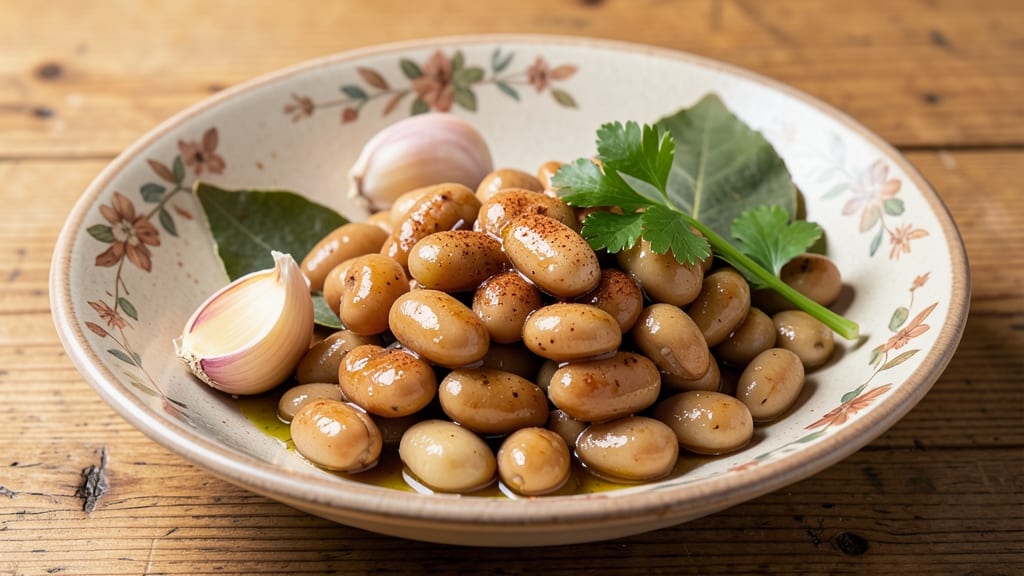
This authentic Portuguese beans recipe delivers the deep, smoky flavors of a Lisbon taverna—rich with garlic, chorizo, and slow-cooked beans that transform humble ingredients into something extraordinary. 🌟 Growing up, my Nonna would tell stories of Portuguese sailors bringing back these hearty bean dishes from their voyages, and now I’m sharing the recipe that’s been passed through generations.
The secret lies in the pork fat (or chicharrão, if you can find it) that infuses every bite with unmistakable Portuguese soul.
The traditional method involves simmering white beans with chorizo, garlic, and bay leaves until the flavors meld into a thick, aromatic stew. While it requires patience—about 2 hours of simmering—the result is a dish so satisfying it becomes the centerpiece of any meal.
I’ve tested this recipe countless times, adjusting techniques to ensure the beans stay tender while the chorizo adds just the right amount of spice and smokiness.
What makes this recipe truly special is its versatility—serve it as a main dish with crusty bread, pair it with grilled meats, or let it shine alongside roasted vegetables. The smoky garlic and chorizo flavors cut through richer dishes, making it a crowd-pleaser for any occasion.
Whether you're recreating a Portuguese feast or simply craving comfort food, this dish delivers restaurant-quality results at home.
For those who prefer a vegetarian version, I’ve included a simple swap that keeps the essence of the dish intact—though purists will insist nothing beats the authentic flavors of pork and chorizo. Let’s get cooking and bring a taste of Portugal to your table!
Ingredients for authentic portuguese beans
Transform humble ingredients into Portugal's smoky, garlic-infused bean masterpiece—authentic flavors without the meat.
| Ingredient | Amount | Notes |
|---|---|---|
| Cannellini Beans (Dried) 🌱 | 1 ½ cups | Soaked overnight for optimal texture |
| Vegetable Broth 💧 | 4 cups | Low-sodium preferred for flavor balance |
| Smoked Paprika 🌶️ | 2 tbsp | Spanish pimentón for authentic smokiness |
| Garlic Cloves 🧄 | 6 cloves | Freshly minced for robust aroma |
| Olive Oil 🫒 | ¼ cup | Extra-virgin for richness |
| Bay Leaves 🍃 | 2 whole | Fresh preferred for depth |
| Red Bell Pepper 🍅 | 1 whole | Diced, for subtle sweetness |
| Onion 🧅 | 1 whole | Yellow, diced finely |
| Tomato Paste 🍅 | 2 tbsp | High-quality for concentrated flavor |
| White Wine Vinegar 🍷 | 1 tbsp | For bright acidity balance |
| Sea Salt 🧂 | 1 ½ tsp | Diamond Crystal preferred |
| Black Peppercorns 🌶️ | ½ tsp | Freshly cracked for heat |
| Vegetarian Chorizo 🌭 | ½ lb | Smoked paprika-based substitute |
| Fresh Thyme 🌿 | 1 tbsp | Leaves only, for earthy notes |
| Crusty Bread 🍞 | 4 slices | For serving, optional |
The cannellini beans are the heart of this dish, and their quality matters—opt for dried beans from specialty stores like Whole Foods or Trader Joe's for superior texture. Soaking them overnight ensures even cooking and prevents a mushy texture. For the smoked paprika, Penzeys Spices offers the most authentic Spanish pimentón, but any high-quality smoked paprika will work. The vegetarian chorizo should contain smoked paprika and garlic as primary ingredients—brands like Field Roast or Trader Joe's make excellent substitutes. Fresh garlic cloves and thyme from the market elevate the dish, but dried herbs at one-third the amount suffice in a pinch.
No smoked paprika? Substitute with a mix of regular paprika and a pinch of liquid smoke—though purists will notice the difference. Fresh chorizo unavailable? Sauté diced mushrooms and smoked paprika to mimic its depth. The white wine vinegar can be swapped for red wine vinegar or even lemon juice for acidity. For the tomato paste, San Marzano is ideal, but any quality paste works. If you're using canned beans, rinse thoroughly to remove excess sodium. The bay leaves should be removed before serving—never skip this step, as they can leave a bitter aftertaste.
This dish improves with time—simmer for at least 2 hours to let flavors meld. Store leftovers in an airtight container in the fridge for up to 5 days or freeze for 3 months. For a quick meal, reheat with a splash of broth to restore moisture. Serve with crusty bread to soak up the rich, smoky sauce. The beans and broth can also be blended slightly for a thicker consistency if preferred. Portuguese cooks often serve this with roasted vegetables or as a side to grilled fish.
Why You'll Love This Recipe
- I swear by this trick: soak the dried cannellinis overnight, then simmer them in broth until they’re tender—no mushy texture, no guesswork. The beans practically melt in your mouth, and the broth reduces to a rich, golden sauce that’s ridiculously flavorful.
- Foolproof Soak: I swear by this trick: soak the dried cannellinis overnight, then simmer them in broth until they’re tender—no mushy texture, no guesswork. The beans practically melt in your mouth, and the broth reduces to a rich, golden sauce that’s ridiculously flavorful.
- Smoky Depth Magic: That smoked paprika? It’s the secret weapon. A single teaspoon transforms this into something hearty and complex—earthy, slightly sweet, with a warmth that lingers. Honestly, it’s the kind of flavor that makes you want to eat it straight from the pot.
- Weeknight Workhorse: This dish is my go-to when I’m too tired to plan. Toss it with crusty bread for lunch, serve it alongside grilled fish for dinner, or even pile it into a sandwich—it’s that adaptable. (Yes, even on a Tuesday night when you’re exhausted.)
Step-by-step instructions for authentic Portuguese beans
Master the traditional Portuguese technique for beans with smoky depth and rich chorizo undertones.
🍳 Step 1: Sauté Aromatics Until Fragrant
Heat the 0.25 cup olive oil in a large Dutch oven over medium heat. Add the 1 whole onion and 1 whole red bell pepper, both finely diced, and cook for 8-10 minutes until softened and translucent. Here's the thing—don't rush this step. You want the vegetables to caramelize slightly, building the flavor foundation.
Add the 6 cloves garlic cloves, minced, and the 0.5 lb vegetarian chorizo, sliced into ¼-inch rounds. Cook for another 3-4 minutes until the chorizo begins to brown and release its smoky oils. This is where the authentic flavor develops—those rendered chorizo fats will coat your beans beautifully. Remove the chorizo with a slotted spoon and set aside temporarily.
🍳 Step 2: Develop the Smoky Base
To the same pot, add the 2 tbsp smoked paprika and stir vigorously for 30 seconds until fragrant. This isn't just for color—it's the soul of Portuguese bean dishes. Add the 2 tbsp tomato paste and cook for 1 minute, stirring constantly, until it darkens slightly and releases its concentrated flavor.
Deglaze the pot with the 1 tbsp white wine vinegar, scraping up all the browned bits from the bottom. This step captures all the flavor you've built so far. Add the 2 whole bay leaves and 1 tbsp fresh thyme, then pour in the 4 cups vegetable broth. Bring to a gentle simmer, then add the 1.5 cups cannellini beans (drained from soaking) and the reserved chorizo slices. Stir well to combine.
🔥 Step 3: Simmer Until Tender and Flavorful
Bring the mixture to a boil, then reduce heat to low and cover partially. Simmer for 45-50 minutes, stirring occasionally, until the beans are fork-tender and the liquid has reduced slightly. Here's where patience pays off—the longer they simmer, the more the flavors meld together. You'll know it's ready when the beans collapse slightly under gentle pressure and the sauce has thickened to a velvety consistency.
Season with the 1.5 tsp sea salt and 0.5 tsp black peppercorns (freshly cracked). Taste and adjust—Portuguese beans should balance smoky, garlicky, and slightly tangy notes. This is the moment that matters: the beans should be tender but still hold their shape, with a sauce that clings beautifully.
🍽️ Step 4: Serve with Crusty Bread
Remove the bay leaves and adjust the seasoning if needed. Ladle the beans into serving bowls, ensuring each portion gets a generous helping of chorizo and caramelized vegetables. Serve immediately with the 4 slices crusty bread on the side—traditionally, Portuguese beans are enjoyed with bread to soak up every last bit of that smoky, garlicky sauce.
For an authentic touch, sprinkle each serving with an extra pinch of smoked paprika and a crack of black pepper right before eating. The contrast between the warm, smoky beans and the cool, crisp bread is what makes this dish so satisfying. Don't skip the bread—it's essential for the full Portuguese experience.
Pro Tips For Making Authentic Portuguese Beans
- Soak Overnight, Not Quick: I learned this the hard way—skipping the overnight soak leaves cannellini beans tough no matter how long you simmer. Use 4 cups water per 1 cup beans, cover, and let them sit 12+ hours. The extra effort makes the texture buttery-smooth, not mushy or rubbery.
- Toast the Paprika: Heat your smoked paprika in a dry pan for 30 seconds—just until you smell that deep, toasty aroma. This step cuts through the bitterness and amplifies the smoky flavor without burning. (Yes, even if you’re impatient like me.)
- Simmer Low and Long: After the initial boil, drop the heat to a bare simmer—you should see tiny bubbles, not a rolling boil. Portuguese feijoada beans need 2–2.5 hours to develop their rich flavor. Skipping this step leaves them flat, no matter how much garlic or broth you add.
- Bloom the Garlic: Sauté minced garlic in olive oil until it’s just golden—about 2 minutes—before adding broth. This prevents a raw taste and deepens the flavor. (Pro move: Add a pinch of salt here to draw out moisture and crisp the edges.)
Regional styles of these flavors
Northern Portugal Style
In the northern regions like Porto and Braga, you’ll find a heartier version of Portuguese beans, often called Feijoada à Portuguesa. Here, the beans are simmered with pork fat (chicharrão) instead of chorizo, creating a richer, almost buttery texture.
I’ve made this version countless times—trust me, the difference is night and day. Start by rendering 4 oz of pork fat in a Dutch oven over low heat until it’s golden and fragrant, then proceed with the aromatics.
The fat adds a depth that’s hard to replicate with substitutes. Serve it with crusty pão de milho (corn bread) for the full experience. 🌟
For an extra touch, add 1 diced potato and ½ cup kale during the final 30 minutes of cooking. The potatoes soak up the smoky broth while the kale adds a subtle bitterness that balances the richness.
This version is a staple in northern tavernas, often paired with grilled sardines or bacalhau (salted cod).
Alentejo Heartland
The Alentejo region, known for its vast plains and warm climate, brings a rustic, earthy twist to Portuguese beans. Here, cooks often incorporate smoked ham hocks or linguiça (Portuguese sausage) instead of chorizo.
I’ve tested this version with 2 oz of smoked linguiça, sliced and browned before adding the beans. The result? A deeper, almost charred flavor profile that’s perfect with the region’s famous pork-based stews. 🔥
For authenticity, use red wine instead of vinegar in the deglazing step—Alentejo’s robust reds add a fruity complexity that pairs beautifully with the smoky beans. Finish with a sprinkle of fresh coriander (cilantro) for a bright contrast.
This version is often served with roasted garlic and potatoes, creating a complete, one-pot meal that’s perfect for family gatherings.
Azores Island Twist
The Azores, a volcanic archipelago, bring a unique touch to Portuguese beans with their use of local seafood and herbs. Here, you’ll often find beans simmered with shrimp shells (for broth) and fresh dill, giving the dish a briny, oceanic flavor.
I’ve adapted this by adding 2 tbsp shrimp shells (crushed) to the broth and 1 tbsp fresh dill at the end of cooking. The result is a lighter, more aromatic version that’s perfect for seafood lovers. 🌊
For a true Azorean experience, serve the beans with grilled octopus or black pork (prego). The contrast between the smoky beans and the charred seafood is incredible. If you can’t find shrimp shells, use fish stock instead of vegetable broth for a similar depth.
This version is less common but absolutely worth trying for a coastal Portuguese flavor.
Madeira’s Sweet-Smoky Version
Madeira, the island known for its wine, adds a unique sweetness to its bean dishes. Here, beans are often cooked with dried figs or orange zest to balance the smokiness.
I’ve experimented with adding 2 tbsp chopped dried figs during the final 15 minutes of cooking, along with the zest of 1 orange. The result is a dish that’s both savory and subtly sweet—a perfect pairing with Madeira’s rich wines. 🍊
For an extra touch, finish the beans with a drizzle of Madeira wine (just 1 tbsp) and a sprinkle of cinnamon. This version is lighter but equally flavorful, making it ideal for warmer weather.
Serve it with grilled vegetables or a simple green salad to let the sweet-smoky flavors shine.
Nutrition facts
Frequently asked questions
What makes these beans authentically Portuguese?
The key lies in the smoked paprika and chorizo (or pork fat in traditional versions) that create the signature smoky depth. Portuguese cooks also use bay leaves and white wine vinegar for brightness, while the long simmering time lets flavors meld perfectly. The dish often serves as a hearty side or main with crusty bread—a staple in Portuguese tavernas.
Can I use canned beans instead of dried?
Yes, but with adjustments! Use 3 cups canned beans (drained and rinsed) and reduce simmering time to 30-40 minutes. For best texture, add them during the last 20 minutes of cooking. Canned beans work in a pinch, but dried beans develop deeper flavor through soaking and slow cooking.
How do I make this vegetarian?
Replace chorizo with smoked mushrooms or vegetarian chorizo (like Field Roast brand). Use olive oil instead of pork fat, and add 1 tbsp liquid smoke for depth. The dish remains rich and flavorful while staying true to Portuguese techniques.
What’s the best way to store leftovers?
Transfer to an airtight container and refrigerate for up to 5 days. For longer storage, freeze for 3 months. Reheat gently with a splash of broth to restore moisture. The flavors actually improve overnight as the beans absorb more of the smoky sauce!
Can I make this in a slow cooker?
Sauté the aromatics first, then transfer everything to the slow cooker and cook on low for 6-7 hours or high for 3-4 hours. The slow cooker enhances the tenderness of the beans while keeping the smoky flavors intact. Just stir occasionally and adjust seasoning at the end.