
Side Dishes
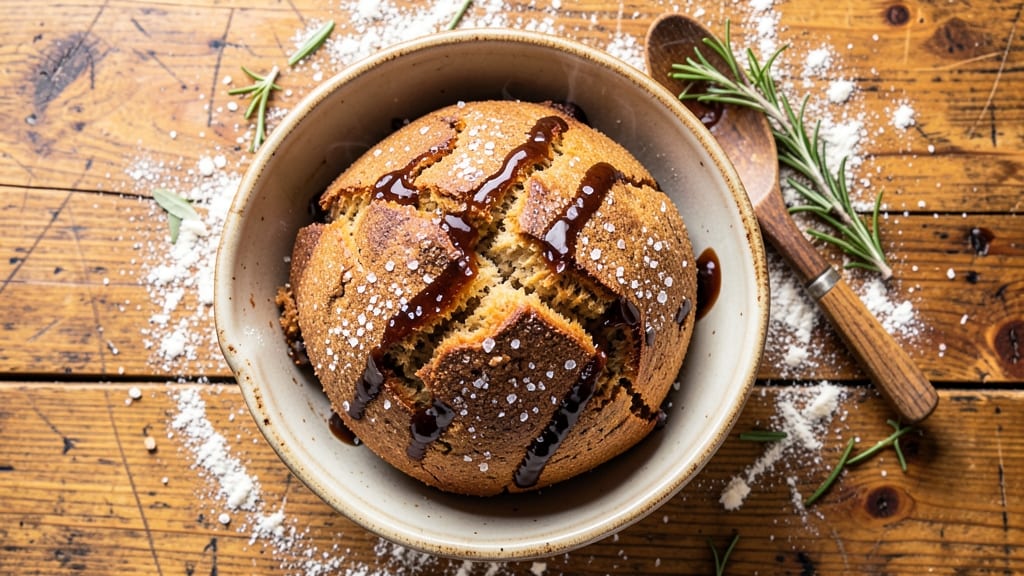
An authentic Irish brown soda bread recipe brings the heart of Ireland to your kitchen table with its rustic charm and nutty whole grain goodness.
This traditional loaf relies on buttermilk and baking soda for its signature rise, delivering a dense yet tender crumb that's perfect for breakfast or tea time. The molasses adds subtle sweetness while the whole wheat flour gives it that distinctive hearty texture.
What sets this bread apart is its simplicity—no yeast required, just a few quality ingredients mixed together and baked to golden perfection. The crust develops a crisp exterior while maintaining a soft, slightly chewy interior, all thanks to the buttermilk's natural acidity activating the baking soda.
This method has been passed down through generations, preserving the true taste of Irish country kitchens.
By the time you pull it from the oven, you'll have a loaf with a beautiful rustic shape and a nutty aroma that fills your home. The scoring on top isn't just for looks—it helps control expansion and creates those coveted crispy edges.
This bread pairs beautifully with Irish butter, jam, or even as a side to hearty stews.
For those looking to adapt, you can easily replace the buttermilk with a vegan alternative while keeping all the traditional flavor intact. The recipe scales perfectly for gatherings, making it both practical and special. Let's get baking this classic Irish staple!
Ingredients for authentic irish brown soda bread
Stone-ground flour, buttermilk, and baking soda—just what you need for this classic Irish staple.
| Ingredient | Amount | Notes |
|---|---|---|
| All-Purpose Flour 🌾 | 2 cups | For light texture balance |
| Whole Wheat Flour 🌾 | 2 cups | Stone-ground preferred |
| Buttermilk 🥛 | 1 ½ cups | Full-fat for richness |
| Baking Soda 🧂 | 1 ½ tsp | Freshly opened |
| Molasses 🍯 | ¼ cup | Unsulphured preferred |
| Salt 🧂 | 1 tsp | Fine sea salt |
| Irish Butter 🧈 | ½ cup | Cold, cubed |
| Active Dry Yeast 🍞 | ¼ tsp | Not required (soda bread) |
| Oat Flakes 🌾 | ½ cup | Old-fashioned preferred |
| Fresh Rosemary 🌿 | 1 tbsp | Chopped finely |
| Fresh Parsley 🌿 | 1 tbsp | Chopped for freshness |
| Sesame Seeds 🌱 | 1 tbsp | Optional for topping |
The flours are the heart of this bread. Whole wheat flour gives that nutty, rustic flavor, but all-purpose flour keeps it from being too dense. I grab mine from King Arthur Flour—their stone-ground whole wheat has a great texture. The buttermilk? Full-fat is key—it's what gives that signature tang and tender crumb. If you can't find buttermilk, mix 1 cup milk with 1 tbsp vinegar or lemon juice and let it sit for 5 minutes. The molasses adds just enough sweetness to balance the whole wheat's earthiness—unsulphured is traditional and has a richer flavor.
No buttermilk? Plain yogurt thinned with milk works in a pinch, though it won't be quite the same. Want to skip the molasses? Maple syrup at half the amount gives a similar depth. The herbs are totally optional, but I always add them—they brighten up the nutty flavors. Fresh rosemary and parsley are classic, but thyme works too. If you're feeling fancy, toast the oat flakes in a dry pan for 2-3 minutes before mixing—they'll add a lovely crunch. The sesame seeds on top? Totally optional, but they give that beautiful golden finish that makes it look like you spent all day baking.
This dough keeps well in the fridge for up to 2 days if you want to prep ahead. Shape it into a round loaf, score the top with a sharp knife in a cross pattern (don't cut all the way through), and bake at 425°F for 40-45 minutes until it sounds hollow when tapped. It reheats beautifully—wrap in foil and warm in a 200°F oven for 10 minutes. Store leftovers in a bread bag at room temperature for 3-4 days or freeze for up to 3 months. The flavor actually improves over time as the crust dries out.
Why You'll Love This Recipe
- No-Fuss Dough: Mixing this takes about five minutes—just flour, buttermilk, and a pinch of baking soda. I swear, no kneading, no waiting for dough to rise, just fold it together and bake. That’s Irish soda bread magic in its simplest form.
- Molasses Magic: That deep, caramelized molasses cut through the hearty whole wheat and all-purpose blend like a warm hug. Honestly, the first bite always makes me think of cozy Irish pubs, but way better because it’s my kitchen.
- Breakfast to Picnic: Still warm in the morning with butter? Check. Sliced and packed for a lunchbox? Done. Even my picky teenager grabs a piece when it’s on the table—no questions asked. (Yes, even on a Tuesday night.)
- Leftovers That Last: A loaf keeps perfectly for days, if it survives that long. Toast the next morning or pack it for work—it’s the kind of bread that turns into a snack before you know it. And with just five ingredients, it’s my go-to budget-friendly staple.
Step-by-step instructions for authentic Irish brown soda bread
Here's how to bake the classic Irish loaf with that signature crust and nutty heart.
Mix Dry Ingredients for Texture Balance
In a large mixing bowl, combine the 2 cups all-purpose flour and 2 cups whole wheat flour. I like to use a whisk for this part to avoid developing too much gluten - we want a tender crumb, not a tough one. Add the 1.5 teaspoons baking soda and 1 teaspoon salt, giving everything a quick stir to distribute evenly.
Next, fold in the 0.5 cup oat flakes and 0.25 teaspoon active dry yeast (even though this is soda bread, the yeast adds subtle depth). The oats will give that characteristic nutty texture we associate with authentic Irish brown bread. Keep this mixture in your bowl - we'll come back to it after making the wet ingredients.
Combine Wet Ingredients for Rich Flavor
In a separate bowl, whisk together the 1.5 cups buttermilk, 0.25 cup molasses, 1 tablespoon finely chopped fresh rosemary, and 1 tablespoon finely chopped fresh parsley. The molasses gives that deep caramel flavor while the herbs add fresh brightness. Let this mixture sit for 5 minutes - the buttermilk will start to thicken slightly, which helps create that tender crumb.
Cut the 0.5 cup Irish butter into small cubes and let them sit at room temperature for 10 minutes before adding. This ensures they'll incorporate smoothly without making the dough too greasy. The butter should be soft enough to press with your finger but not melted.
Combine Wet and Dry for Perfect Dough
Make a well in the center of your dry ingredients and pour in the wet mixture. Using a wooden spoon or your hands, gently combine everything until just mixed - you should still see some dry bits. This prevents overworking the dough, which can make the bread dense. The dough will be sticky but should hold together when pressed.
Turn the dough out onto a lightly floured surface and knead gently for 2-3 minutes just to bring everything together. Don't overwork it - we're not making bread dough here. The texture should be soft but not sticky enough to cling to your hands. If it's too wet, add 1 tablespoon more flour.
Shape and Score for Traditional Appearance
Shape the dough into a round loaf about 1 inch thick. I like to use my hands for this - gently press the edges up to create a slightly raised crust. Place the loaf on a parchment-lined baking sheet. The round shape is traditional for Irish soda bread, though some versions are oblong.
Using a sharp knife, score the top in a cross pattern about 1/4 inch deep. This isn't just for looks - it helps control the expansion and gives that beautiful crust. Sprinkle the 1 tablespoon sesame seeds evenly over the top if using - they add a nice crunchy contrast to the soft interior.
Bake Until Golden with Crisp Crust
Preheat your oven to 375°F with a rack in the middle position. Bake the bread for 40-45 minutes until the crust is deep golden brown and sounds hollow when tapped on the bottom. The interior should register 190-200°F on an instant-read thermometer - this ensures it's fully baked through without being dry.
Let the bread cool on a wire rack for at least 30 minutes before slicing. This resting period allows the crumb to set properly and prevents it from falling apart. The crust should be crisp and slightly crackly, while the interior remains tender with just the right amount of chew from the whole wheat flour.
Pro Tips For Making Authentic Irish Brown Soda Bread
- Mix the Dough Fast: Once you add the buttermilk, work the dough for exactly 30 seconds—just until the flour comes together. Overmixing develops gluten, and this bread should stay tender. I used to knead like I was making pizza dough, and the result was a dense brick instead of a light loaf.
- Use Warm Buttermilk: Pull the buttermilk out of the fridge 10 minutes before mixing—it should be just warm to the touch, not hot. Cold buttermilk slows the baking soda’s reaction, and your bread might end up flat or undercooked. Trust me, this small step makes a real difference in rise and texture.
- Skip the Crowding Pan: Resist the urge to cover the bread with a towel while baking—it’ll steam too much and turn gummy. Instead, bake uncovered at 425°F (220°C) for 25-30 minutes until the bottom sounds hollow when tapped. My first loaf came out soggy because I panicked and covered it halfway.
- Add Molasses Last: Stir in the molasses after the buttermilk, and mix it just until combined. If you add it early, it can react with the baking soda too soon, making the dough lumpy or causing the bread to rise unevenly. A few quick swirls with a spoon keeps the flavor even without overworking the dough.
Creative variations of this dish
Sweet Molasses Twist
Boost the classic flavor by doubling the molasses to ½ cup and adding 1 teaspoon cinnamon. This creates a subtle sweetness that pairs beautifully with Irish butter. For extra richness, fold in ½ cup chopped walnuts or pecans—they add a satisfying crunch and complement the molasses perfectly. 🍯
Herb-Infused Variations
Swap rosemary and parsley for fresh thyme and sage for a more earthy profile. Or try 1 tablespoon lemon zest combined with 1 teaspoon dried marjoram for a bright, citrusy twist. The herbs should be finely chopped to distribute evenly throughout the dough.
Vegan Adaptation
Replace the buttermilk with 1.5 cups unsweetened almond milk mixed with 1 tablespoon apple cider vinegar (let it sit for 5 minutes to curdle). For the butter, use ½ cup vegan butter or coconut oil. The texture stays authentic, and the flavor remains rich—just slightly less tangy. 🌱
Spiced Rum Addition
Add 1 tablespoon spiced rum (like Irish whiskey or rum) to the wet ingredients for a boozy depth. The alcohol evaporates during baking, leaving behind warm, aromatic notes. This works especially well with the molasses and makes for an impressive centerpiece loaf.
Seed and Nut Topping
Skip the sesame seeds and top with a mix of 1 tablespoon flaxseeds, 1 tablespoon sunflower seeds, and 1 tablespoon pumpkin seeds. Toast them in a dry pan for 2-3 minutes before sprinkling—they’ll add a nutty crunch and beautiful contrast to the soft crust. 🌱
Savory Cheese Version
For a savory twist, reduce the molasses to 2 tablespoons and stir in ½ cup grated sharp cheddar or Irish cheddar with the wet ingredients. The cheese melts slightly during baking, creating pockets of gooey goodness. This version pairs wonderfully with soups or stews. 🧀
Nutrition facts
Frequently asked questions
Why does traditional Irish brown soda bread not use yeast?
Authentic Irish brown soda bread relies on baking soda instead of yeast because it creates a quick-rise, dense loaf with a rustic texture. The baking soda reacts with the buttermilk's acidity to produce carbon dioxide, giving it that signature rise without the need for fermentation. This method was practical for Irish farmers who needed bread quickly without waiting for yeast to proof.
Can I substitute buttermilk in this recipe?
Yes! Mix 1 cup milk (dairy or plant-based) with 1 tablespoon vinegar or lemon juice, then let it sit for 5 minutes to curdle. For a vegan version, use 1.5 cups unsweetened almond milk + 1 tablespoon apple cider vinegar. The acidity is key for activating the baking soda and achieving the right texture.
How do I prevent my soda bread from turning out dense?
Overmixing the dough or overworking it during kneading are the most common causes. Stop mixing as soon as the ingredients come together—you should still see dry bits. Also, don't skip the 30-minute cooling time before slicing; this lets the crumb set properly. A slightly sticky dough (but not wet) is ideal for the perfect tender crumb.
What's the best way to store leftover soda bread?
Wrap the bread in a clean kitchen towel or place it in a paper bag at room temperature for 3-4 days. For longer storage, freeze slices wrapped in plastic for up to 3 months. The flavor actually improves as the crust dries out, making it perfect for toast or sandwiches. Reheat slices in a 350°F oven for 5 minutes to restore freshness.
Can I make this bread without whole wheat flour?
Yes, but the texture will differ. Replace the whole wheat flour with 4 cups all-purpose flour for a lighter loaf. For a nutty flavor without the density, try 2 cups all-purpose + 1 cup rye flour. The whole wheat is traditional and gives that characteristic hearty bite, but this substitution works in a pinch.