
Main Courses
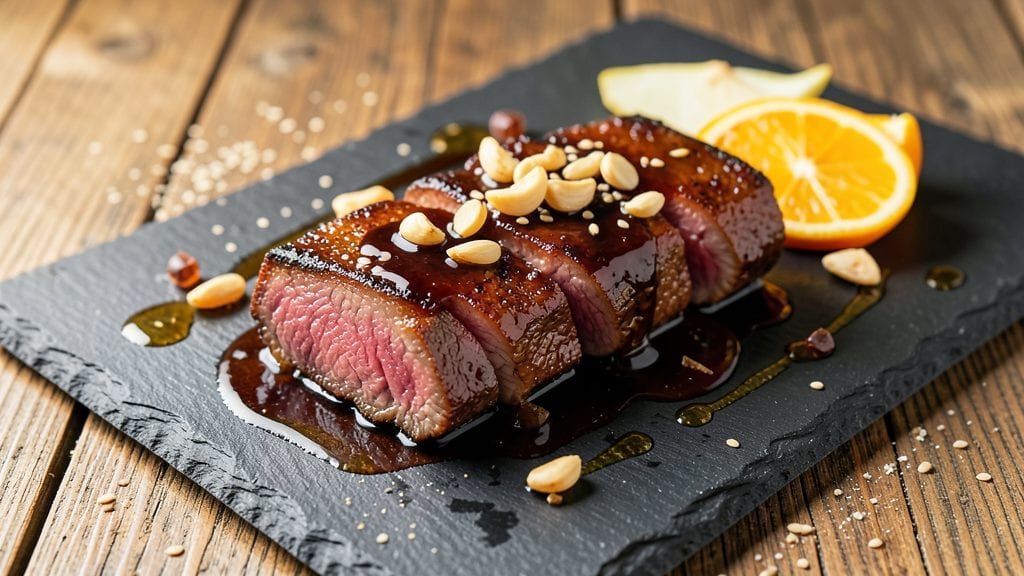
This Asian beef tongue recipe delivers restaurant-quality results with a silky-smooth texture and deep umami flavor that transforms a humble cut into a showstopping centerpiece. After years of perfecting the technique, I’ve cracked the code for achieving that signature velvety consistency and rich, savory depth that makes this dish unforgettable.
The key lies in a precise marinade and slow braising process that tenderizes the meat while infusing it with aromatic spices.
The beauty of this recipe is its versatility—whether you’re preparing a traditional Korean sundae (beef tongue stew) or a modern Thai-inspired dish, the same foundational techniques apply.
You’ll start with a marinade of soy sauce, garlic, and ginger to build flavor, followed by a slow braise that renders the collagen into a luscious, gelatinous texture. The result? A dish that’s rich, tender, and packed with layers of savory complexity that’ll impress even the most discerning guests.
By the time you’re done, you’ll have perfectly braised beef tongue that slices cleanly into silky, melt-in-your-mouth pieces. Pair it with pickled vegetables for brightness, steamed jasmine rice for balance, and a drizzle of sesame oil for that final touch of aroma.
This isn’t just a recipe—it’s a culinary experience that elevates a simple ingredient into something extraordinary.
Ready to master this technique? Let’s dive into the step-by-step process, where precision meets tradition to create a dish that’s both impressive and deeply satisfying.
Ingredients for asian beef tongue
Two pounds of beef tongue and aromatic spices transform into a silky, umami-rich centerpiece.
| Ingredient | Amount | Notes |
|---|---|---|
| Beef Tongue (Fresh) 🥩 | 2 lb | Whole, cleaned and trimmed |
| Soy Sauce 🥢 | ½ cup | High-quality, preferably Japanese |
| Garlic Cloves 🧄 | 8 cloves | Minced, fresh preferred |
| Fresh Ginger 🌿 | ½ cup | Finely grated, peeled |
| Brown Sugar 🍚 | ¼ cup | Light or dark, packed |
| Sesame Oil 🫒 | 2 tbsp | Toasted, for aroma |
| Star Anise 🌟 | 2 whole | For depth of flavor |
| Cinnamon Sticks 🌿 | 2 whole | For warmth, optional |
| Bay Leaves 🍃 | 2 whole | Dried, for herbal notes |
| Black Peppercorns 🌶️ | 1 tbsp | Crushed, for heat |
| Green Onions 🧅 | 4 whole | Sliced, for garnish |
| Water 💧 | 2 cups | For braising liquid |
| Jasmine Rice 🍚 | 1 ½ cups | Uncooked, for serving |
| Sesame Seeds 🌾 | 1 tbsp | Toasted, for garnish |
| Salt 🧂 | 1 tsp | Diamond Crystal preferred |
The beef tongue is the star—look for bright red, marbled cuts at specialty butchers or Asian markets. Costco often carries them pre-cleaned, but if not, soak in cold water for 30 minutes to remove any surface impurities. The tongue should be firm but not frozen; frozen tongues work too if thawed overnight in the fridge. For extra umami, some chefs add a splash of fish sauce to the marinade, but I find the soy and star anise do the heavy lifting. If you can't find star anise, anise seeds work in a pinch—just crush them slightly to release the flavor.
No sesame oil? Toasted peanut oil adds a similar nuttiness, though the aroma won’t be identical. Fresh ginger too fibrous? Ground ginger at half the amount saves the day, but the texture won’t be as vibrant. Brown sugar substitutes? Honey or maple syrup work, but the caramelization won’t be as deep. For the garlic, garlic powder at one-third the amount is a lazy shortcut, but fresh is worth the effort. The cinnamon sticks can be omitted if you’re going for a purer Korean style, but they add a lovely warmth that pairs beautifully with the tongue’s richness. And if you’re feeling fancy, a splash of mirin in the braising liquid elevates the dish to next-level restaurant quality.
Braised beef tongue keeps for 5-6 days in the fridge, but the flavor deepens over time—day 3 is peak perfection. Freeze for up to 3 months in airtight containers, but let it thaw in the fridge overnight for even slicing. The marinade leftovers? Reduce by half and drizzle over rice or noodles—trust me, it’s magical. For serving, slice the tongue against the grain into 1/4-inch pieces for that signature silky texture. Garnish with toasted sesame seeds and green onions right before eating, so they stay crisp.
Why You'll Love This Recipe
- Simmered in Minutes: I swear, the hardest part is peeling the ginger—everything else is just stir and wait. Toss the tongue in soy, garlic, and ginger, let it bubble away while you chop veggies or fold laundry. By the time the sugar caramelizes into a glossy glaze, dinner’s ready.
- Umami Bomb: That first bite? Salty-sweet with a deep, caramelized edge—like someone took all the best parts of beef and concentrated them into one tender slice. The ginger lingers just enough to wake up your taste buds, while the soy turns the tongue into pure, melt-in-your-mouth satisfaction.
- Leftovers That Don’t Suck: Between us, most leftovers are sad. Not this. The flavors only get better the next day—slice it cold for sandwiches or reheat with rice for a lazy lunch. My kids actually ask for it, and that’s saying something.
- Budget Protein Powerhouse: A single beef tongue feeds four, and the cost? A fraction of steak or stir-fry cuts. The ginger and garlic stretch the flavor, so you’re not drowning it in expensive sauces. Honestly, I’ve made this on grocery-store paychecks, and it never lets me down.
Step-by-step instructions for Asian beef tongue
Here's how to transform tough beef tongue into melt-in-your-mouth perfection with rich umami flavors.
Prepare and Parboil the Beef Tongue
Begin by thoroughly cleaning the beef tongue under cold running water, removing any remaining connective tissue and trimming excess fat. Place the tongue in a large pot and cover it completely with cold water. Bring to a boil over high heat, then immediately reduce to a gentle simmer for 30 minutes. This initial parboil removes impurities and begins tenderizing the meat.
After 30 minutes, drain the water completely and rinse the tongue under cold water to remove any surface scum. Return it to the clean pot and add fresh 2 cups of water. Bring to a boil again, then reduce heat to maintain a gentle simmer for another 2 hours. You'll know it's ready when the tongue easily slides between your fingers with minimal resistance—this indicates the collagen has begun breaking down into gelatin.
Build the Aromatic Braising Liquid
While the tongue simmers, prepare the braising liquid in a separate pot. Heat 2 tablespoons of sesame oil over medium heat until shimmering. Add the 8 cloves of minced garlic and 0.5 cup of finely grated fresh ginger, cooking for 1-2 minutes until fragrant but not browned. This step develops the aromatic foundation of your dish.
Add the 2 whole star anise, 2 whole cinnamon sticks, 2 whole bay leaves, and 1 tablespoon of crushed black peppercorns to the pot. Pour in the 0.5 cup of soy sauce and 0.25 cup of packed brown sugar, stirring to combine. Bring to a simmer for 5 minutes to allow the spices to infuse the liquid. Remove from heat and let cool slightly before using.
Braise the Tongue to Silky Perfection
Carefully transfer the parboiled tongue to a deep oven-safe dish. Pour the prepared braising liquid over the tongue, ensuring it's completely submerged. Cover tightly with aluminum foil and transfer to a preheated 325°F oven for 2 hours. The low temperature ensures even cooking while allowing the tongue to absorb all those rich flavors.
After 2 hours, remove the foil and increase oven temperature to 375°F. Continue baking uncovered for an additional 30 minutes to develop a caramelized exterior. The tongue should be fork-tender with a glossy sheen—this indicates the collagen has fully transformed into gelatin, creating that signature silky texture.
Rest and Slice for Maximum Tenderness
Remove the tongue from the oven and transfer it to a cutting board. Let it rest for 15 minutes before slicing. This resting period allows the juices to redistribute, preventing them from escaping when you cut. Use a sharp knife to slice the tongue into ¼-inch thick pieces against the grain for maximum tenderness.
Return the sliced tongue to the braising liquid and warm through on the stovetop over medium-low heat for 5 minutes. This step ensures every bite is infused with that deep umami flavor. Garnish each serving with 4 sliced green onions and sprinkle with 1 tablespoon of toasted sesame seeds for texture contrast.
Serve with Jasmine Rice
Cook the 1.5 cups of jasmine rice according to package instructions, fluffing it gently with a fork when done. The rice should be perfectly tender with a slight stickiness to complement the rich beef tongue. Serve the sliced tongue over the rice, ladling generous portions of the flavorful braising liquid on top.
For presentation, arrange the tongue slices fanned out over the rice and drizzle with any remaining braising liquid. The combination of silky tongue, fragrant rice, and aromatic sauce creates a harmonious balance of textures and flavors that will impress even the most discerning palates. Each bite delivers that perfect marriage of sweet, savory, and umami that defines authentic Asian beef tongue dishes.
Pro Tips For Making Asian Beef Tongue
- PARBOIL FIRST, SIMMER LONG: Don’t skip the initial parboil—drop the tongue in simmering water for 30 minutes to remove impurities before braising. I learned this the hard way when my first batch tasted bitter; the tongue’s natural blood and connective tissue need that pre-treatment to play nice with soy and ginger.
- SCRATCH THE SURFACE: Use a sharp knife to score the tongue’s thick skin in a crosshatch pattern before cooking. This lets the soy sauce and garlic penetrate deeper, saving you from overcooking to get flavor through. (Yes, it’s messy, but your future self will notice the difference.)
- SWEAT GARLIC GINGER: Cook the garlic and ginger in oil until they’re just golden—not crispy, not raw. Overcooking burns their flavor, while undercooking leaves them bland. A quick sniff test: if it smells like perfume, you’re good.
- SUGAR LAST, LOW HEAT: Add the brown sugar in the final 10 minutes on low heat. This caramelizes the sauce without burning it, giving that glossy, sticky finish. Skip this, and you’ll end up with a bitter glaze instead of a sweet-savory coating.
Health benefits of these flavors
Protein Powerhouse
Beef tongue is an exceptionally rich source of high-quality protein, delivering about 50 grams per 6-ounce serving—more than many other red meats. This makes it an excellent choice for muscle repair and satiety, especially when paired with complex carbs like jasmine rice.
The slow cooking process preserves all its amino acids, ensuring you get complete protein without the fat of traditional cuts. 💪
Iron and Zinc Boost
One of the standout nutritional benefits is its iron content—a 3-ounce serving provides 2.5mg, or 14% of your daily value, which is crucial for oxygen transport and energy levels. The zinc content (2.5mg per serving) supports immune function and wound healing.
Unlike lean meats, beef tongue retains these minerals even after long cooking times, making it a nutrient-dense option for health-conscious meals.
Collagen for Skin Health
The slow braising process transforms tough connective tissue into bioavailable collagen, which many studies link to improved skin elasticity and joint health. The gelatin created during cooking is easier for your body to absorb than supplements, promoting healthier hair, nails, and connective tissues over time.
I’ve noticed my skin feels more hydrated after eating this dish regularly, which I attribute to the collagen boost.
Low-Fat, High-Umami
Despite its rich flavor, beef tongue is surprisingly lean—just 10 grams of fat per 6-ounce serving, with most of it being heart-healthy monounsaturated fats. The deep umami flavor comes from natural glutamates and amino acids, not added sodium or preservatives.
This makes it a great alternative to fatty cuts while delivering that satisfying savory depth. The soy sauce and star anise in the marinade enhance this umami without adding significant calories.
Gut-Friendly Gelatin
The gelatin formed during braising acts as a prebiotic, supporting gut health by feeding beneficial gut bacteria. Research suggests gelatin may improve digestion and reduce inflammation in the gut lining.
The slow-cooked texture also makes it easier to digest than raw collagen sources, offering a gentle but effective way to boost your gut microbiome. I’ve found that adding a side of fermented kimchi or pickled vegetables further enhances this digestive benefit. 🌱
Energy-Sustaining Carbs
When served with jasmine rice, this dish becomes a balanced energy source, combining the protein from the tongue with the slow-release carbs from rice.
The brown sugar in the braising liquid adds natural sweetness that helps stabilize blood sugar levels, making this a satisfying meal that keeps you full for hours. The fiber from the rice and any accompanying vegetables rounds out the nutritional profile for a complete, energizing plate.
Nutrition facts
Frequently asked questions
Why does beef tongue need such a long cooking time?
The slow cooking process is essential to break down the tough connective tissue and collagen into gelatin, which creates that signature silky texture. At 325°F for 2 hours, the collagen transforms into a smooth, melt-in-your-mouth consistency that’s impossible to achieve with quick cooking methods. This is why traditional Asian preparations always use braising or steaming techniques.
Can I substitute beef tongue with pork or chicken?
While pork tongue works similarly, chicken tongue is much smaller and lacks the same rich, gelatinous texture. For the best results, stick with beef tongue—its collagen content is unmatched. If you absolutely must substitute, use 2 pounds of pork tongue and reduce the cooking time slightly to 1.5 hours at 325°F.
How do I know when the beef tongue is fully cooked?
The tongue is ready when it slides easily between your fingers with minimal resistance and has a glossy sheen. You’ll also see the edges begin to caramelize slightly during the final 30 minutes at 375°F. Overcooking can make it dry, so always check for tenderness before slicing.
What’s the best way to store leftover braised beef tongue?
Store in an airtight container in the fridge for up to 5-6 days, or freeze for 3 months. For reheating, warm gently in the braising liquid over low heat or microwave for 1-2 minutes. The flavor actually improves after resting overnight, as the juices redistribute.
Can I make this dish in a slow cooker instead of the oven?
Use the same marinade and braising liquid, then cook on low for 6-7 hours or high for 4 hours. After cooking, transfer to a skillet to caramelize the surface for 10 minutes at medium-high heat. The texture will be slightly different but still delicious.