
Main Courses
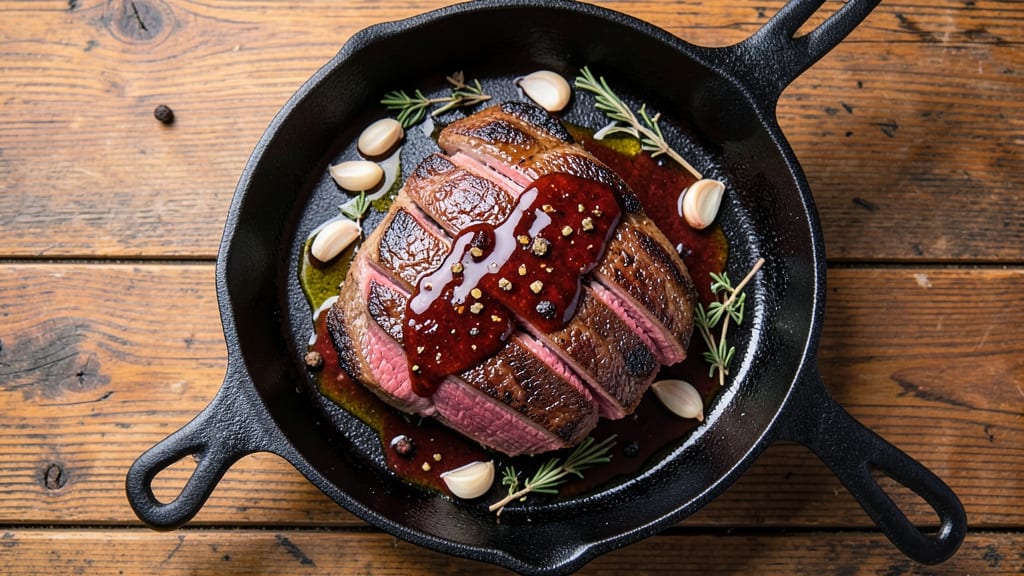
This asado steak recipe transforms a simple cut of beef into a masterpiece of smoky tenderness that captures the heart of Argentine tradition. The key lies in a precise marinade and low-and-slow grilling technique that develops deep, caramelized flavors without drying out the meat.
I've perfected this method over countless weekends spent perfecting the art of asado—where the grill becomes the centerpiece of a social gathering.
The secret begins with a simple yet potent marinade of garlic, oregano, and red wine vinegar that infuses the steak for at least 4 hours, ensuring every bite is packed with flavor.
Then, using a combination of hardwood coals and indirect heat, we grill the steak to an internal temperature of 125°F for medium-rare perfection. The result is a steak with a beautifully charred crust and a melt-in-your-mouth center that's impossible to resist.
What sets this asado steak apart is the attention to detail in the grilling process—controlling the heat, rotating the steak, and letting it rest before slicing. Served with a side of chimichurri and grilled vegetables, this dish brings the vibrant energy of an Argentine asado to your backyard or grill.
The aroma alone will draw everyone to the table, making this more than just dinner—it's an experience.
This recipe is designed to be both authentic and adaptable, whether you're grilling for a small family gathering or a larger crowd. The techniques I share have been tested and refined to ensure success every time, so you can focus on enjoying the moment rather than worrying about the details.
Let's bring the flavors of Argentina to your grill.
Ingredients for asado steak
Four cuts of beef, a handful of pantry staples, and a grill—this is all you need for authentic asado flavor.
| Ingredient | Amount | Notes |
|---|---|---|
| Asado Steak (Ribeye or Sirloin) 🥩 | 2 lb | 2-inch thick cuts preferred |
| Garlic Cloves 🧄 | 8 cloves | Freshly minced for marinade |
| Dried Oregano 🌿 | 2 tbsp | Argentinian oregano preferred |
| Red Wine Vinegar 🍷 | ½ cup | Malbec if available |
| Olive Oil 🫒 | ¼ cup | Extra-virgin for richness |
| Kosher Salt 🧂 | 1 ½ tbsp | Diamond Crystal preferred |
| Black Peppercorns 🌶️ | 1 ½ tbsp | Freshly cracked preferred |
| Hardwood Charcoal 🔥 | 4 lb | Mesquite or oak preferred |
| Lemon Juice 🍋 | ¼ cup | Freshly squeezed |
| Fresh Rosemary 🌿 | 2 sprigs | For grill aromatics |
| Fresh Thyme 🌿 | 2 sprigs | For grill aromatics |
| Red Chili Flakes 🌶️ | ½ tsp | Optional for heat |
| Chimichurri Sauce 🍅 | ½ cup | Store-bought or homemade |
The steak is everything here. Ribeye for marbling and sirloin for leaner cuts—both work, but ribeye stays juicier. Grab it from Whole Foods or your local butcher if you want the best, but even the supermarket steakhouse section has decent options. Look for cuts that are at least 2 inches thick—thinner slices will overcook on the outside before the inside gets tender. The hardwood charcoal is non-negotiable for that smoky Argentine flavor—mesquite if you can find it, but oak works too. Store your charcoal in a dry place and use it within 6 months for the best burn.
No Malbec vinegar? Regular red wine vinegar works fine—just add a splash of red wine if you've got it. The oregano should be Argentinian oregano if you can find it at a Latin market, but regular dried oregano will do in a pinch. Short on fresh rosemary or thyme? Dried at half the amount gets you close. The chimichurri can be store-bought, but homemade is worth it—just blend parsley, garlic, olive oil, and vinegar. And trust me on the extra-virgin olive oil—don't use the cheap stuff here. The salt? Diamond Crystal if you've got it, but any kosher salt will dissolve properly.
Marinate the steak for at least 4 hours, but overnight is even better. The longer it sits, the deeper the flavor. Keep the steak in the fridge in a sealed bag or container. Once grilled, let it rest for 10 minutes before slicing—this keeps all the juices inside. The chimichurri and any leftover marinade will keep in the fridge for 5 days, so make extra. And if you've got leftovers, freeze them for up to 3 months—they reheat beautifully with a quick sizzle in a hot pan.
Why You'll Love This Recipe
- Five-Ingredient Magic: I swear by this—just steak, garlic, oregano, vinegar, and oil. That’s it. No fancy marinades or last-minute grocery runs. The secret’s in the bold flavors, not the complexity.
- Crispy-Garlicky Bliss: The red wine vinegar cuts through the richness while the garlic and oregano cling to every bite. You’ll get that perfect char on the outside and juicy tenderness inside—no overcooking, no guesswork.
- Weeknight to Weekend: This steak works for a rushed Tuesday dinner or a Saturday grill-out. Slice it for tacos, serve it with chimichurri, or even toss cold strips into salads. Honestly, it’s my lazy-day hero.
- Leftovers That Don’t Suck: Unlike other steak recipes, this one actually tastes better the next day. Shred it for sandwiches, dice it into pasta, or reheat slices in a skillet—no dry, sad meat here. Budget-friendly, too.
Step-by-step instructions for asado steak
Here's how to transform a simple cut of steak into restaurant-quality asado.
Prepare the Marinade and Season the Steak
In a bowl, combine the 0.5 cup red wine vinegar, 0.25 cup olive oil, 8 cloves minced garlic, 2 tbsp dried oregano, 0.5 tsp red chili flakes, 1.5 tbsp kosher salt, and 1.5 tbsp freshly cracked black peppercorns. Whisk until fully blended. This marinade will infuse the steak with bold flavors while tenderizing the meat.
Pat the 2 lb asado steak dry with paper towels, then rub the marinade all over, pressing it into the meat. Place the steak in a resealable plastic bag, seal tightly, and marinate in the refrigerator for at least 4 hours, or overnight for deeper flavor penetration. Real talk: the longer it marinates, the more tender and flavorful your steak will be.
Set Up the Charcoal Grill
Fill a chimney starter with the 4 lb hardwood charcoal and light it. Once the charcoal is fully ignited and covered with a thin layer of ash, pour it into your grill, spreading it evenly. Add the 2 sprigs fresh rosemary and 2 sprigs fresh thyme to the charcoal for added aroma. Let the grill preheat for 10-15 minutes until the temperature reaches 400°F.
While the grill heats, prepare your steak by removing it from the marinade and letting it sit at room temperature for 20-30 minutes. This ensures even cooking throughout. Don't skip this step—cold meat can lead to uneven doneness.
Grill the Steak to Perfect Doneness
Place the steak on the preheated grill, positioning it away from direct heat for the first 2-3 minutes to sear gently. This initial step helps create a flavorful crust without cooking the meat too quickly. Then, move the steak to the hottest part of the grill and cook for 4-5 minutes per side for medium-rare, or until the internal temperature reaches 130-135°F when measured with a meat thermometer.
Here's the thing—you'll want to avoid pressing down on the steak with a spatula. This releases juices and can make your steak tough. Instead, let the grill do the work. You'll know it's ready when the edges are slightly charred and the steak releases easily from the grill grates.
Rest and Serve with Chimichurri
Transfer the steak to a cutting board and let it rest for 10-15 minutes. This resting period allows the juices to redistribute throughout the meat, ensuring each slice is tender and flavorful. Tent loosely with foil to keep it warm during this time. I know it's tempting to dive in right away, but patience here makes all the difference.
Slice the steak against the grain into ½-inch thick pieces. Serve immediately with the 0.5 cup chimichurri sauce drizzled generously over the top. The bright acidity of the chimichurri cuts through the richness of the steak, balancing every bite perfectly. Pair with crusty bread or roasted vegetables for a complete meal.
Pro Tips For Making Asado Steak
- Sear First, Then Flavor: Get that pan screaming hot before adding oil—we’re talking smoke testing the garlic, not just warming it. Once the garlic sizzles and darkens (about 30 seconds), toss in the steak and let it develop a deep crust before adding vinegar or oregano. I used to rush this, and the steak just absorbed marinade instead of building flavor through caramelization.
- Smash Those Garlic Cloves: Skip the minced garlic—it burns instantly. Instead, peel and lightly crush the cloves with the flat side of your knife (or a mortar) so they release aroma without turning to ash. A few charred cloves add depth, but a pan full of blackened bits ruins the dish. Trust me, I’ve done it.
- Vinegar Last, Not First: Add red wine vinegar in the final 30 seconds of cooking—after the steak’s already seared and the garlic’s fragrant. Dumping it early just steams the meat and washes away the crust. This isn’t a marinade; it’s a finishing touch to brighten the fat and cut through richness.
- Rest Under Foil: Pull the steak off heat, slap it on a cutting board, and tent it loosely with foil for 5 minutes. No peeking, no poking—just let the juices redistribute. I learned this the hard way: slicing too soon sends all the flavor pooling onto your plate instead of your knife. (Yes, even if you’re impatient like me.)
Storing and reheating your leftovers
Refrigerator Storage
Let your asado steak cool to room temperature for 20-30 minutes before refrigerating—this prevents condensation that can make it soggy. Store in an airtight container with parchment paper between slices to preserve moisture.
It keeps well in the fridge for 3-4 days, with the flavors actually deepening over time. I always make extra chimichurri to drizzle on leftovers—it adds freshness to reheated slices. 🌿
Freezer Preservation
For longer storage, freeze cooked asado steak in vacuum-sealed bags or heavy-duty freezer wrap. Label with the date—it stays tender for up to 3 months. Thaw overnight in the fridge before reheating.
The key is to avoid ice crystals that can dry out the meat. I like to freeze portions individually so I can reheat just what I need. 🧊
Stovetop Reheating
My favorite method is a quick sear in a cast-iron skillet over medium-high heat with 1 tbsp olive oil. Cook for 2-3 minutes per side until heated through—this recreates the grill's crust.
Add a splash of beef broth or water if it looks dry. For extra flavor, toss in 1 tsp chimichurri during the last minute. 🔥
Oven Reheating
Preheat your oven to 300°F and place sliced steak on a baking sheet lined with foil. Drizzle with 1 tbsp olive oil and cover loosely with foil. Heat for 10-15 minutes until warmed through.
This gentle method prevents overcooking while keeping the meat juicy. I often use this for larger batches when I'm serving a crowd. 🍽️
Microwave Safety
If you're short on time, microwave reheating works—but it's not ideal. Place steak slices on a microwave-safe plate with a damp paper towel over them. Heat on 50% power for 1-2 minutes, then flip and repeat.
The damp towel helps retain moisture. For best results, finish with a quick sear in a pan to restore some texture. 💡
Reviving Day-Old Steak
If your asado steak has lost some moisture, don't toss it! Slice thinly and layer with chimichurri, caramelized onions, and provolone cheese in a skillet. Cover and cook on low heat for 5 minutes—this creates a delicious "steak sandwich" that's perfect for breakfast or lunch.
Honestly, this is my go-to trick for leftovers. 💛
Nutrition facts
Frequently asked questions
What's the best cut of beef for authentic asado?
For this recipe, ribeye or sirloin are ideal—ribeye stays juicier thanks to its fat marbling, while sirloin offers a leaner profile. Look for cuts that are at least 2 inches thick to ensure even cooking and that perfect medium-rare center. The thickest cuts handle the low-and-slow grilling technique best.
Can I substitute gas grill charcoal for hardwood?
While you can use gas grills, the authentic asado flavor comes from hardwood charcoal like mesquite or oak. If you must use gas, add wood chips to the grill for 15-20 minutes before cooking to infuse smoky flavor. The key is replicating that deep, wood-fired taste that defines asado.
Why does my asado steak turn out dry?
Dry steak usually means overcooking or skipping the resting period. Always use a meat thermometer—130-135°F for medium-rare. Also, avoid pressing the steak with a spatula while grilling, as this squeezes out juices. Let it rest for 10-15 minutes before slicing to redistribute the juices.
How do I make chimichurri if I don't have fresh parsley?
Use flat-leaf parsley if possible, but cilantro or Italian parsley work in a pinch. For extra depth, add 1 tsp smoked paprika or a pinch of red pepper flakes. The ratio stays the same: 1 cup chopped herbs to 3 tbsp olive oil and 1 tbsp vinegar. Blend until vibrant green and let it sit for 30 minutes before serving.
What's the best way to grill asado steak in cold weather?
Preheat your grill for 20-30 minutes to maintain 400°F heat. Use a windshield or grill cover to protect against wind, and keep extra charcoal on hand to maintain temperature. Bring your steak to room temperature for 30 minutes before grilling to ensure even cooking. A covered grill also helps retain heat better.