
Side Dishes
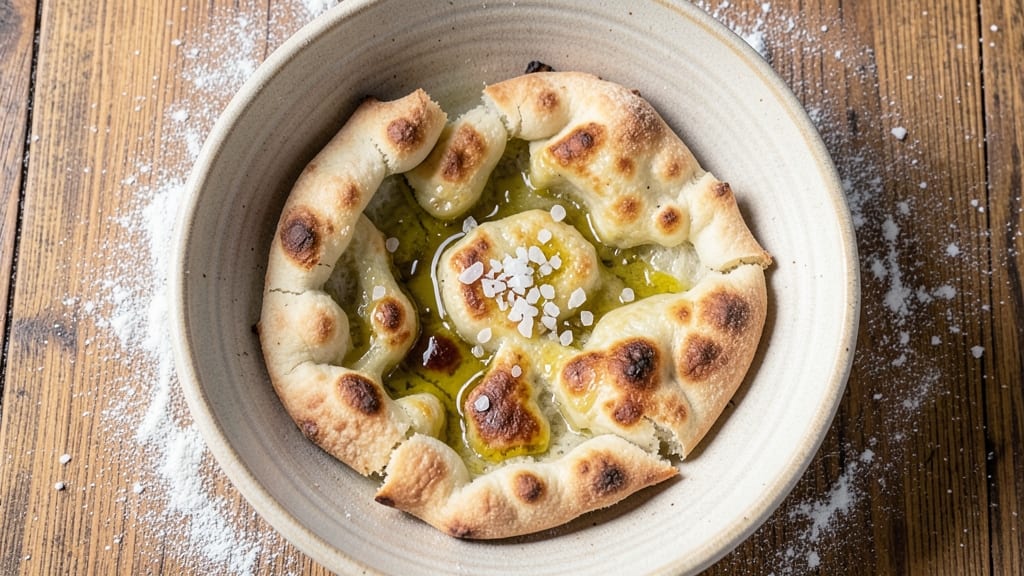
This artisan flatbread recipe delivers the perfect balance of crispy edges and pillowy centers—just like you'd find in a high-end bakery. The secret lies in a precise dough formula and baking technique that transforms simple ingredients into restaurant-quality flatbread.
I've tested countless variations, and this method consistently produces flatbread with that coveted texture contrast.
What sets this recipe apart is its versatility—whether you're making traditional naan, herbed focaccia, or crispy lavash, the foundation remains the same. The dough requires just five key ingredients: high-quality flour, active yeast, warm water, salt, and a touch of olive oil for richness.
Once shaped and baked, the result is flatbread with a golden, shatteringly crisp exterior and a soft, airy interior that melts in your mouth.
The baking method is where the magic happens. For authentic results, I recommend using a cast-iron skillet or pizza stone in your home oven to mimic wood-fired conditions.
A quick brush of melted butter or drizzle of olive oil after baking elevates the flavor, while finishing touches like sesame seeds or flaky salt add texture and visual appeal. This is the kind of flatbread that disappears faster than you can say "warm, fresh bread."
Perfect for serving alongside soups, dipping into hummus, or using as a wrap for sandwiches. The recipe scales easily, so you can make a batch for the week or feed a crowd. Let's get started on creating your own bakery-style flatbread at home.
Ingredients for artisan flat bread
Five core ingredients plus a few finishing touches transform into bakery-style flatbread with perfect texture contrast.
| Ingredient | Amount | Notes |
|---|---|---|
| High-Protein Bread Flour 🌾 | 3 ½ cups | King Arthur or Caputo preferred |
| Active Dry Yeast 🍞 | ¼ oz | Freshly opened for best rise |
| Granulated Sugar 🍬 | ½ tbsp | Feeds yeast for faster rise |
| Diamond Crystal Kosher Salt 🧂 | 1 ½ tsp | Fine grain for even distribution |
| Extra-Virgin Olive Oil 🫒 | ½ cup | For dough elasticity and flavor |
| Warm Water 💧 | 1 ¼ cups | 105-110°F for ideal yeast activation |
| Sesame Seeds 🌾 | ¼ cup | Toasted for nutty crunch |
| Flaky Sea Salt 🧂 | 1 tbsp | Maldon preferred for finishing |
| Unsalted Butter 🧈 | ¼ cup | Melted for post-bake brushing |
| Cornmeal 🌽 | ¼ cup | For dusting work surface |
| Fresh Rosemary 🌿 | ¼ cup | Chopped, optional for herbed variation |
The flour is everything here. King Arthur or Caputo give that signature chew—regular all-purpose won't cut it. Yeast needs to be freshly opened; that packet in your pantry for six months? Toss it. Warm water should feel like bathwater—105-110°F—any hotter and you'll kill the yeast. I grab my flour from Whole Foods bulk bins (cheaper than bags) or Costco for big batches. The olive oil? Kirkland Signature is my go-to—affordable and fruity enough to taste. For the sesame seeds, Trader Joe's has the best toasted variety at half the price of specialty stores.
No sesame seeds? Poppy seeds or crushed pistachios work in a pinch, though texture changes. Running low on rosemary? Fresh thyme or oregano at double the amount gives similar earthiness. The butter can be swapped for olive oil for brushing if you're dairy-free, but it adds richness the oil can't match. Short on time? Instant yeast at half the amount eliminates the need to proof it first—just mix it right into the dry ingredients. The salt is non-negotiable though; Diamond Crystal kosher dissolves evenly, while table salt will make your dough taste harsh.
Dough keeps 24 hours in the fridge, wrapped tightly in plastic. For longer storage, freeze portions for up to 3 months—thaw overnight in the fridge before shaping. The sesame seeds and flaky salt? Toast them separately in a dry pan for 2-3 minutes before using—freshly toasted adds that bakery-fresh crunch. I make a double batch every Sunday and freeze half; reheating takes 3 minutes in a skillet and tastes like it just came out of the oven.
Why You'll Love This Recipe
- No-Knead Magic: I swear by this dough—just mix, let it rise, and roll. The high-protein flour gives it that satisfying chew without any of the fuss of kneading.
- Olive Oil Luxe: That first brush of extra-virgin olive oil before baking? It turns simple flatbread into something restaurant-worthy, crispy yet tender with a subtle fruity depth.
- Weeknight Swiss Army: Slap some hummus on it for lunch, drizzle with garlic butter for dinner, or freeze half for when you’re too tired to bake. It’s my go-to for lazy days and last-minute guests.
- Budget-Friendly Crust: A bag of bread flour and a packet of yeast stretch further than you’d think—this recipe feeds four for pennies, and leftovers toast up like fresh-baked gold the next morning.
Step-by-step instructions for artisan flatbread
Here's the method—simple but precise—to achieve that perfect balance of crispy edges and pillowy centers.
Activate the Yeast and Mix the Dough
In a large mixing bowl, combine the 1.25 cups warm water, 0.5 tbsp granulated sugar, and 0.25 oz active dry yeast. Let it sit for 5-10 minutes until the mixture becomes frothy and bubbly—this confirms the yeast is alive and ready to work. If it doesn't bubble, your yeast is likely dead, and you'll need to start over.
Once the yeast is active, add the 3.5 cups high-protein bread flour and 1.5 tsp diamond crystal kosher salt to the bowl. Mix with a wooden spoon or dough whisk until a shaggy dough forms. Then, drizzle in the 0.5 cup extra-virgin olive oil while stirring. The dough will start to come together, but it might still look dry at first—that's normal.
Transfer the dough to a lightly floured surface and knead for 8-10 minutes until it becomes smooth and elastic. You'll know it's ready when it springs back slowly when pressed. If the dough feels too sticky, add a little more of the high-protein bread flour—just enough to make it manageable. The goal is a dough that's soft but not tacky, with a silky texture that promises that perfect pillowy center.
First Rise and Shape the Dough
Lightly oil a large bowl, place the dough inside, and cover it with a damp kitchen towel or plastic wrap. Let it rise in a warm, draft-free place for 1-2 hours, or until it has nearly doubled in size. You're looking for a dough that's puffy and slightly jiggly when gently shaken—that's your cue it's ready for shaping.
Once risen, punch down the dough to release any air bubbles, then divide it into 6 equal portions. Working one at a time, roll each portion into a smooth, round ball. To ensure even thickness, use your hands to gently press the center outward while rotating the dough, creating a thin edge and a slightly thicker center. This technique guarantees that crispy edge while keeping the middle soft and fluffy.
Place the shaped dough balls on a floured surface, cover them with the damp towel, and let them rest for 15-20 minutes. This short rest prevents the dough from springing back too much when you roll it out later. It also helps the gluten relax, making it easier to handle and ensuring a smoother, more even flatbread.
Roll and Toast the Sesame Seeds
Preheat your oven to 425°F and line a baking sheet with parchment paper. While the oven heats, roll out one dough ball at a time on a floured surface into a ¼-inch thick circle, about 8 inches in diameter. If the dough resists, let it rest for another 5 minutes—don't force it.
In a dry skillet over medium heat, toast the 0.25 cup sesame seeds for 2-3 minutes, stirring constantly, until they turn a rich golden brown and release a nutty aroma. This step is crucial—it enhances their flavor and prevents them from burning during baking. Once toasted, sprinkle them evenly over the rolled-out dough, pressing them gently into the surface so they adhere.
Transfer the seeded flatbread to the prepared baking sheet and repeat with the remaining dough balls. Keep them covered with a towel to prevent drying out while you finish rolling and toasting the sesame seeds. The baking sheet should hold all six flatbreads with about 1 inch of space between them to allow for even browning.
Bake for Crispy Edges and Soft Centers
Bake the flatbreads for 8-10 minutes until the edges are deep golden brown and the centers are just beginning to puff up. Watch closely after the first 5 minutes—the edges should crisp quickly, but the centers need to stay soft. If they brown too fast, tent them loosely with aluminum foil to prevent over-browning while they finish cooking.
Once baked, remove the flatbreads from the oven and immediately brush the tops with 0.25 cup melted unsalted butter. Sprinkle generously with 1 tbsp flaky sea salt while the bread is still warm, allowing the salt to melt slightly into the crispy surface. This step adds a luxurious finish and enhances the overall flavor.
For an optional herbed variation, mix the 0.25 cup fresh rosemary with a pinch of salt and finely chop it. Brush the tops of the flatbreads with more melted butter and sprinkle the rosemary mixture over them before baking. The rosemary adds a fragrant, herbal note that pairs beautifully with the nutty sesame seeds and buttery finish.
Serve Warm with Cornmeal Dusting
Let the flatbreads cool for 2-3 minutes on the baking sheet before transferring them to a wire rack. While they're still warm, dust the bottoms lightly with 0.25 cup cornmeal to add texture and prevent sticking. Serve immediately with your favorite dips, soups, or as a side to grilled meats and vegetables.
The key to serving these flatbreads at their best is timing—enjoy them while they're still warm and crispy. If you need to reheat leftovers, place them in a 350°F oven for 3-5 minutes until heated through. The contrast of the crispy, toasted edges and the soft, pillowy centers is what makes these flatbreads truly artisan-worthy.
Pro Tips For Making Artisan Flat Bread
- Dissolve the Yeast Properly: Toss that yeast into warm water first, then add sugar—it’ll foam up faster and more reliably. I learned this the hard way when my dough took forever to rise because the yeast was just sitting there, dry and confused.
- Salt the Dough Early: Mix in the Diamond Crystal kosher salt with the flour at the start—it distributes evenly and prevents clumpy, salty spots. (Yes, even if you’re impatient like me, resist the urge to add it later.)
- Stretch, Don’t Roll: Skip the rolling pin—gently stretch the dough by hand to even out thickness and build tension for that perfect crisp. After burning three batches with uneven thickness, I finally figured out this works best.
- Oil the Dough Ball: Lightly coat the shaped dough ball with extra-virgin olive oil before proofing—it keeps the surface supple and prevents cracking when it hits the hot pan. (Your future self will thank you.)
Regional styles of artisan flat bread
Middle Eastern Lavash
For a thinner, more delicate flatbread, try the Middle Eastern lavash style. Replace the olive oil with 1 tbsp melted ghee and reduce the water slightly to 1 cup. Roll the dough into ⅛-inch thick sheets and bake at 475°F for 3-4 minutes until golden and crisp.
Traditional lavash is often baked in a tandoor, but a pizza stone works perfectly at home. Serve with garlic yogurt sauce and fresh herbs for a restaurant-worthy experience. 🌿
Italian Focaccia Style
Transform your flatbread into focaccia by increasing the olive oil to ⅔ cup and adding 1 tsp dried rosemary or 1 minced garlic clove to the dough.
Shape into a single large rectangle on a baking sheet, dimple the top with your fingers, and bake at 400°F for 15-18 minutes. Finish with a drizzle of olive oil and flaky salt for a bread that’s perfect for dipping or as a base for bruschetta. 🍅
Indian Naan Bread
For naan, swap the yeast for ½ cup plain yogurt (or ½ cup milk + 1 tbsp vinegar for a dairy-free version) and add 2 tbsp melted ghee to the dough. Roll each piece into an oval shape and bake at 450°F for 4-5 minutes until puffed and golden.
Brush with more ghee and sprinkle with chopped cilantro for a soft, buttery texture that’s ideal for curries or kebabs. 🌶️
Mexican Tortilla Twist
Create corn tortillas by replacing the bread flour with 2 cups fine cornmeal and 1.5 cups all-purpose flour. Add 1 tbsp baking powder for lift and shape into small circles.
Cook in a dry skillet over medium-high heat for 30-45 seconds per side until blistered and golden. These tortillas are perfect for tacos, quesadillas, or as a wrap for burritos. 🌮
French Fougasse
For a rustic fougasse, shape the dough into a large rectangle with slashed edges and a few dimples pressed into the surface. Brush with olive oil and bake at 425°F for 12-15 minutes until golden brown.
Finish with a sprinkle of coarse sea salt and fresh thyme leaves. This free-form bread is ideal for soaking up olive oil or pairing with charcuterie boards. 🧀
Greek Pita Bread
Make pita bread by reducing the olive oil to 2 tbsp and shaping the dough into small, thick rounds. Bake at 475°F for 3-4 minutes until puffed and golden. The key is to bake them quickly—they’ll deflate slightly as they cool but should still be soft inside.
Stuff with gyro meat, tzatziki, and cucumbers for a classic Greek wrap. 🇬🇷
Nutrition facts
Frequently asked questions
Can I make this flatbread without yeast?
Yes! For a quick version, replace the yeast with 1 tbsp baking powder and 1 tbsp baking soda. Mix the dough with 1 cup warm water and 3 cups all-purpose flour, then roll and bake immediately at 450°F for 6-8 minutes. The texture will be denser but still delicious—perfect for wraps or dipping.
Why did my flatbread turn out dense instead of crispy?
Dense flatbread usually means over-kneading or underproofing. Knead just until smooth (8-10 minutes), and let the dough rise until it nearly doubles. Also, ensure your oven is fully preheated and use a pizza stone or cast-iron skillet for even heat distribution. If the edges aren't crispy, bake 2-3 minutes longer at a higher temperature (475°F).
How do I store leftover flatbread?
Cool completely, then wrap tightly in plastic wrap or place in an airtight container. Store at room temperature for 2-3 days or freeze for up to 3 months. To reheat, warm in a 350°F oven for 3-5 minutes or toast in a skillet over medium heat for 1-2 minutes until crispy again.
Can I use whole wheat flour instead of bread flour?
Yes, but expect a denser texture. Replace ½ of the bread flour with whole wheat and add 1-2 extra tablespoons of water to compensate for its absorbency. For best results, proof the dough slightly longer (1.5-2 hours) and bake at 425°F for 10-12 minutes to ensure even cooking. The flavor will be nuttier and heartier.
What’s the best way to make flatbread in a home oven?
Use a pizza stone or cast-iron skillet for authentic crispiness. Preheat the oven to 475°F and place the stone/skillet inside for 30 minutes before baking. Roll the dough ⅛-inch thick and bake for 4-6 minutes until golden. For extra crispiness, bake on the stone, then transfer to a wire rack.