
Sauces & Condiments
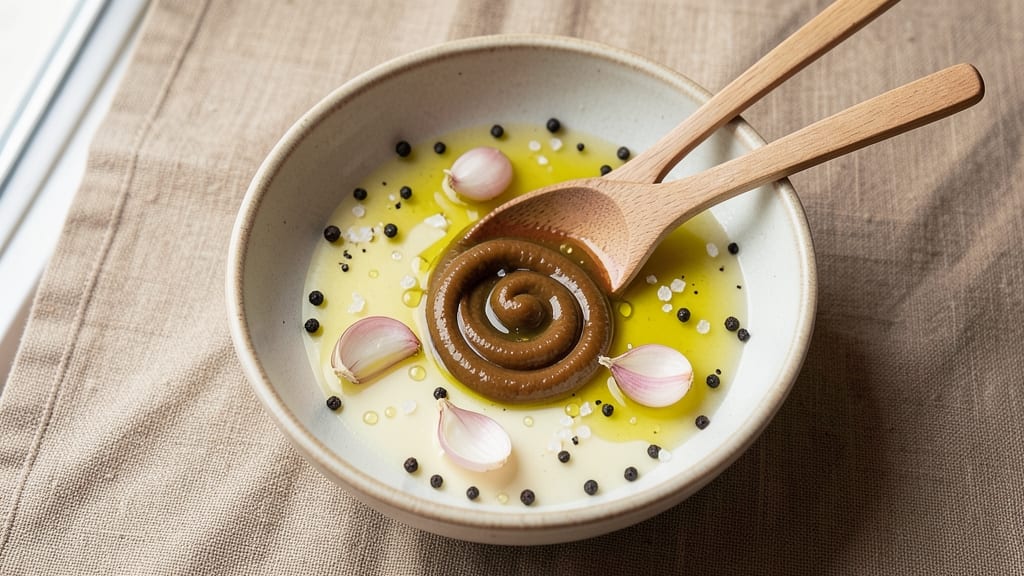
This basic oil and vinegar salad dressing recipe is your gateway to effortless flavor—transforming wilted greens into bright, tangy bites in just five minutes. This bright, balanced dressing relies on the classic combination of high-quality olive oil and sharp vinegar—no emulsifiers or complicated steps required.
The simplicity makes it versatile for any salad, from crisp lettuce to hearty grain bowls.
The beauty of this dressing lies in its customizable ratios—adjust oil-to-vinegar proportions based on your taste (try 3:1 for mild or 1:1 for tangy). Add a pinch of salt, a dash of Dijon mustard, or minced garlic for depth, then whisk until fully combined.
It’s vegan-friendly, budget-conscious, and shelf-stable for up to 2 weeks in the fridge.
What you’ll achieve is a dressing that enhances rather than overpowers—its bright acidity cuts through rich ingredients while letting the natural flavors of your salad shine. The texture remains silky-smooth, never separating, thanks to the natural emulsification of oil and vinegar.
Perfect for meal prep, this dressing elevates every dish from ordinary to extraordinary.
Use it as a base for vinaigrettes or drizzle over roasted vegetables, grain bowls, or fresh salads. The possibilities are endless, and the process is foolproof. Let’s make dressing that’s as simple as it is delicious.
Ingredients for basic oil and vinegar salad dressing
Nine simple ingredients transform into a bright, balanced dressing that elevates every salad.
| Ingredient | Amount | Notes |
|---|---|---|
| Extra-Virgin Olive Oil 🫒 | ¾ cup | High-quality, fruity variety |
| White Wine Vinegar 🍷 | ¼ cup | Sharp, dry vinegar preferred |
| Dijon Mustard 🧂 | 1 tbsp | For subtle emulsification |
| Fresh Garlic Cloves 🧄 | 2 cloves | Minced for depth of flavor |
| Diamond Crystal Kosher Salt 🧂 | ½ tsp | Fine grain preferred |
| Black Peppercorns 🌶️ | ¼ tsp | Freshly ground for texture |
| Freshly Ground Black Pepper 🌶️ | ¼ tsp | For subtle heat |
| Pure Maple Syrup 🍁 | 1 tsp | For subtle sweetness |
| Fresh Lemon Juice 🍋 | 1 tbsp | Brightens the dressing |
The olive oil is non-negotiable—extra-virgin with a peppery finish works best. Trader Joe's and Whole Foods carry excellent options, but any high-quality bottle will do. Look for a fruity, aromatic profile rather than something overly bitter. The white wine vinegar should be sharp and dry—Bragg or Heinz work perfectly. Fresh garlic makes all the difference here; pre-minced garlic loses its punch quickly. For Dijon mustard, Maille is my go-to, but any good-quality brand will add that essential emulsifying kick.
No white wine vinegar? Apple cider vinegar works in a pinch, though it adds a subtle fruitiness. Short on Dijon? Yellow mustard thinned with water does the trick, though the flavor won’t be as refined. Skip the garlic? A pinch of garlic powder adds depth without the fresh bite. The maple syrup can be swapped for agave nectar if you prefer a more neutral sweetness. Lemon juice is optional but brightens the dressing significantly—freshly squeezed is ideal, but bottled works if you’re in a hurry. For a spicier kick, add a pinch of red pepper flakes or a dash of hot sauce.
This dressing keeps beautifully in an airtight jar for up to 2 weeks in the fridge. Shake well before each use—it naturally separates. For meal prep, double the batch and store in smaller jars for convenience. If you notice the oil separating after a few days, just give it a good shake. The flavors actually deepen over time, so it often tastes better the next day. Freeze for up to 3 months if you want to make a big batch for the holidays.
Why You'll Love This Recipe
- Five-Ingredient Magic: I swear, this is the dressing I reach for when I’ve got nothing else. Three minutes, one bowl—just oil, vinegar, mustard, garlic, and salt. That’s it. No measuring cups, no fancy tools, just instinct and a whisk.
- Garlic Kiss: Honestly, the minced garlic in this dressing changes everything. It’s not overpowering, just a warm, aromatic punch that makes even the simplest greens taste like you spent hours in the kitchen. (Between us, I’ve used it on roasted potatoes too—don’t tell anyone.)
- Pantry Staple Power: This is my go-to for meal prep because it lasts. Store it in the fridge for weeks, and it’s still bright and tangy. Toss it on sandwiches, drizzle it over grilled chicken, or use it as a marinade—it’s the one dressing that does it all without breaking the bank.
- Weeknight Win: No last-minute shopping, no complicated ratios. I keep a bottle of olive oil and vinegar on hand specifically for this, and when I’m too tired to think, I just eyeball it. Works every time. Even on nights when takeout sounds better than cooking.
Step-by-step instructions for basic oil and vinegar salad dressing
This dressing comes together faster than you can say "tossed salad"—just whisk these ingredients in order.
Whisk Together the Olive Oil and Vinegar
In a medium bowl, pour in the 0.75 cup extra-virgin olive oil and the 0.25 cup white wine vinegar. Start by whisking vigorously for 30 seconds—this creates a temporary emulsion that helps everything blend smoothly. The oil should begin to break into fine droplets suspended in the vinegar, creating a cloudy appearance before fully combining.
Here's the thing—this initial step is where the magic happens. If you rush it, you'll end up with a separated dressing. I like to use a balloon whisk for this because it incorporates air while blending, which gives the final dressing a lighter texture. Keep whisking until the mixture looks uniformly cloudy, then let it sit for 1 minute—this brief rest allows the flavors to meld slightly before you add the remaining ingredients.
Add the Mustard, Garlic, and Sweetener
Next, add the 1 tablespoon Dijon mustard, 2 minced fresh garlic cloves, 1 teaspoon pure maple syrup, and 0.5 teaspoon Diamond Crystal kosher salt. Whisk continuously for 45 seconds until the mustard is fully incorporated and the garlic is evenly distributed. The mustard acts as an emulsifier here, helping to bind the oil and vinegar permanently.
The garlic should smell pungent but not overpowering—this is your cue that it's properly minced and ready to infuse flavor. If you notice the mixture starting to separate, don't panic. Simply whisk more vigorously for another 10 seconds. The maple syrup balances the acidity of the vinegar while adding a subtle sweetness that rounds out the dressing. This is also when the salt begins to dissolve completely, so keep whisking until it disappears entirely.
Incorporate the Pepper and Lemon Juice
Now add the 0.25 teaspoon black peppercorns (freshly ground) and 0.25 teaspoon freshly ground black pepper, followed by the 1 tablespoon fresh lemon juice. Whisk for another 30 seconds until all ingredients are fully combined. The lemon juice brightens the dressing and cuts through the richness of the olive oil, while the pepper adds a subtle heat that lingers on the palate.
At this stage, the dressing should look silky and homogeneous, with no visible streaks of oil or vinegar. Taste a small amount—if it's too sharp, add a pinch more maple syrup. If it's too mild, stir in a splash more vinegar. The goal is a balance where the acidity, sweetness, and oil harmonize perfectly. This is your window to adjust before the dressing fully sets.
Let It Rest and Emulsify
Transfer the dressing to a clean jar or airtight container and let it sit at room temperature for at least 10 minutes—this resting period allows the flavors to fully meld and the emulsion to stabilize. The longer it sits (up to 24 hours), the richer and more cohesive the dressing becomes. This is especially important if you're making it ahead of time.
Before using, give the dressing a final whisk or shake. If you notice any separation, simply shake the jar vigorously for 10 seconds—the mustard and lemon juice will re-emulsify the oil and vinegar instantly. The result should be a glossy, velvety dressing that clings beautifully to greens, grains, or proteins. This is the moment you've earned: a dressing that's bright, balanced, and ready to elevate any salad.
Pro Tips For Making Basic Oil And Vinegar Salad Dressing
- Mince Garlic Like a Pro: Use the flat side of your knife to smash the cloves first—this breaks them down faster and prevents bitter almond-like flavors. I learned this the hard way after burning my tongue on raw garlic that still had whole chunks in it.
- Whisk in Stages: Start with just the vinegar and mustard, then slowly drizzle in the olive oil while whisking continuously. This emulsifies the dressing properly instead of ending up with a split layer that looks like a science experiment gone wrong.
- Salt Before Mixing: Sprinkle the kosher salt directly into the vinegar before adding anything else—it dissolves better and seasons the base properly. Skipping this step means your dressing tastes flat, no matter how much you whisk afterward.
- Use Cold Mustard: Scoop the Dijon straight from the fridge and let it sit in the bowl for 5 minutes before mixing. Cold mustard blends smoother and doesn’t thin out the dressing prematurely, which is especially important if you’re making this ahead of time.
Wine and beer pairings for these flavors
Crisp White Wine
A dry Riesling from Germany or Alsace is my go-to pairing—its crisp acidity mirrors the dressing’s brightness while its subtle fruitiness complements the maple syrup’s sweetness.
Look for a 2022 Dr. Loosen Blue Slate or Trimbach Riesling; these wines have enough minerality to cleanse your palate between bites of rich, creamy salads. Serve slightly chilled (50-55°F) to enhance the dressing’s tang. 🍷
Light-Bodied Reds
For heartier salads with protein like grilled chicken or steak, a Pinot Noir from Oregon or Burgundy works surprisingly well. The 2021 Domaine Serene Pinot Noir has red fruit notes that pair beautifully with the dressing’s garlic and pepper.
Keep the bottle at 60-65°F to avoid overpowering the delicate flavors. Avoid bold reds like Cabernet Sauvignon—they’ll clash with the vinegar’s acidity.
Crisp Lager Pairings
A German Helles or Belgian Witbier cuts through the richness of the dressing while adding effervescence. Try Weihenstephaner Original for a classic malty balance or Hoegaarden for citrusy notes that echo the lemon juice.
Serve these beers at 45-50°F to highlight their crispness. The carbonation also helps refresh your palate between bites of greens. 🍺
Sparkling Wine
For a celebratory touch, Prosecco or Spanish Cava adds bubbles that mirror the dressing’s lively texture. A La Marca Prosecco with its green apple and pear notes enhances the lemon and maple syrup, while Freixenet Cordon Negro Cava offers a more mineral-driven profile.
Chill to 45-50°F—this temperature range preserves the bubbles and acidity that make these wines perfect companions.
Avoid These Pairings
Skip heavy, oaky whites like Chardonnay or bold reds like Syrah—they’ll overpower the dressing’s delicate balance. Also avoid sweet wines or beers with high residual sugar, as they’ll clash with the vinegar’s sharpness.
The key is matching the wine’s acidity and brightness to the dressing’s tangy profile. When in doubt, stick to dry, crisp options that let the salad shine.
Nutrition facts
Frequently asked questions
Can I make this dressing without mustard?
Yes, but you may need to shake it more vigorously before each use. The Dijon mustard acts as an emulsifier that keeps the oil and vinegar permanently combined. For a mustard-free version, try adding 1 teaspoon of honey or 1 tablespoon of lemon juice to help stabilize the mixture. The dressing will still separate slightly but can be easily re-emulsified with a quick shake.
What’s the best way to store this dressing?
Keep it in an airtight jar or container in the fridge for up to 2 weeks. The oil will naturally separate over time, but a quick shake before using will restore its silky texture. For longer storage, freeze for up to 3 months—just thaw overnight in the fridge. The flavors actually deepen when stored properly!
How do I adjust the flavor if it’s too tangy or too mild?
Too sharp? Stir in ½ teaspoon more maple syrup or 1 tablespoon olive oil to mellow the acidity. Too mild? Add 1 teaspoon more vinegar or a pinch of salt to brighten it up. Taste as you go—this dressing is highly customizable!
Can I use this dressing on non-salad dishes?
Drizzle it over roasted vegetables, grain bowls, or even grilled meats for a bright finish. It also works as a marinade for tofu or chicken—just let it sit for 10-15 minutes before cooking. The acidity tenderizes while adding flavor.
Why did my dressing separate?
Separation happens when oil and vinegar aren’t properly emulsified. The fix is simple: shake vigorously for 10-15 seconds until fully combined. For future batches, whisk longer or add 1 teaspoon of Dijon mustard to help stabilize the mixture. This is completely normal and easily reversible!