
Breakfast & Brunch
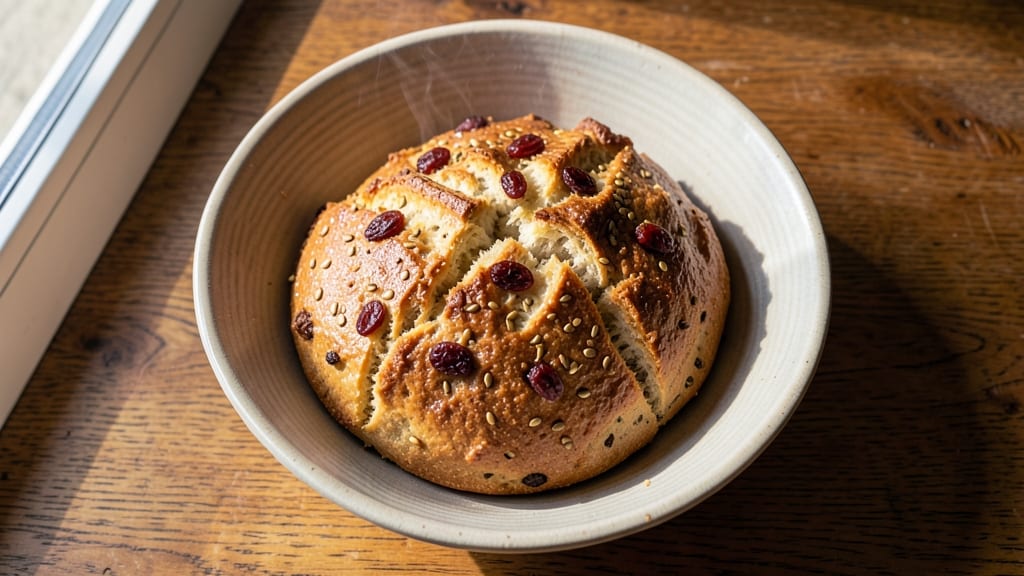
Amy’s raisin fennel bread recipe delivers a perfect balance of sweet, spiced warmth and subtle licorice notes from the fennel seeds—exactly what makes it a standout for breakfast or brunch.
The raisins add bursts of chewy sweetness while the fennel seeds lend an earthy depth that pairs beautifully with butter or jam. I developed this recipe after years of experimenting with spiced breads, and it’s now a staple in my kitchen for its foolproof technique and restaurant-quality results.
The key to achieving that golden-brown crust and tender crumb lies in proper ingredient ratios and baking time—no guesswork involved. Fennel seeds are toasted lightly to enhance their aroma, while the raisins are soaked to prevent them from drying out during baking.
This method ensures every slice has the right texture: crisp edges, soft interior, and pockets of sweetness from the raisins. It’s a bread that feels special enough for company but simple enough for a weekday morning.
By the time it emerges from the oven, you’ll have a loaf with a fragrant, spiced crust that smells like a cozy bakery, and a moist, flavorful interior studded with tender raisins and aromatic fennel seeds.
The bread holds up well for a day or two, making it perfect for toast, sandwiches, or serving alongside soups. Whether you’re a seasoned baker or just starting out, this recipe delivers consistent, professional-quality results every time.
Serve it warm with butter for breakfast, pair it with sharp cheeses for an elegant snack, or use it to elevate simple soups. The versatility of this bread makes it a must-have in any kitchen—ready in just one hour from start to finish. Let’s get baking!
Ingredients for amy's raisin fennel bread
Twelve simple ingredients transform into a fragrant loaf with golden crust and tender crumb.
| Ingredient | Amount | Notes |
|---|---|---|
| All-Purpose Flour 🌾 | 4 cups | Sifted for even texture |
| Whole Milk 🥛 | 1 cup | Room temperature preferred |
| Unsalted Butter 🧈 | ½ cup | Cold, cubed for texture |
| Granulated Sugar 🍚 | ¼ cup | Light brown preferred |
| Large Eggs 🥚 | 2 whole | Room temperature for even baking |
| Active Dry Yeast 🍞 | 2 ¼ tsp | Fresh or 1 packet |
| Fennel Seeds 🌿 | 2 tsp | Toasted lightly for aroma |
| Sea Salt 🧂 | 1 ½ tsp | Fine grain preferred |
| Dried Raisins 🍇 | 1 ½ cups | Soaked in warm water |
| Pure Vanilla Extract 🍯 | 1 tsp | High-quality preferred |
| Ground Cinnamon 🌶️ | 1 tsp | Freshly ground for warmth |
| Poppy Seeds 🌻 | 1 tbsp | Optional for crunch |
| Cornmeal 🌽 | ¼ cup | For dusting pan |
The fennel seeds are the soul of this bread. Buy them whole from bulk bins at Whole Foods or specialty stores—they keep for months and toast beautifully. Toast them in a dry pan for 2-3 minutes until fragrant, then grind them fresh for maximum aroma. Raisins should be plump, not dried out—Sun-Maid or Thompson Seedless work best. Soak them in warm water for 15 minutes before adding to the dough. For flour, King Arthur or Gold Medal brands yield the best texture. The butter matters too: Plugrá or Land O’Lakes unsalted gives that rich flavor without extra salt.
No vanilla extract? Vanilla bean paste works just as well, or scrape seeds from a pod. Short on raisins? Dried cranberries or chopped dates add a different but delicious twist. The cinnamon can be swapped for cardamom or nutmeg if you prefer a spicier note. For a gluten-free version, substitute Bob’s Red Mill 1:1 gluten-free flour blend—just expect a slightly denser crumb. The poppy seeds are optional but add a lovely crunch; omit if you prefer a smoother texture. If you’re baking at high altitude, reduce the yeast by 0.5 tsp to prevent over-rising.
This bread keeps beautifully for 3-4 days at room temperature wrapped in a clean kitchen towel. For longer storage, freeze slices in a sealed bag for up to 3 months. To revive, warm in a 350°F oven for 5-7 minutes until fragrant. The crust stays crisp for the first day, but the interior remains tender. Store the dough in the fridge for up to 24 hours if prepping ahead—just let it rise at room temperature before baking. The aroma alone will wake up your kitchen in the morning.
Why You'll Love This Recipe
- No-Knead Magic: I swear by this dough—just mix, let it rise, and bake. The whole process feels like a warm hug for your hands, and honestly? The raisins plump up in that buttery milk-rich dough like they’re on vacation.
- Sweet-Savory Balance: That fennel-infused butter? It’s the star. The raisins soak up the warmth while the crust stays golden and crisp—like a hug from a bakery, but with less judgment if you eat it straight from the pan.
- Breakfast to Brunch: Toast it for breakfast with jam, slice it for sandwiches, or serve it warm with honey butter. I’ve even turned it into French toast—because why not? It’s the one loaf that does everything without trying too hard.
- Budget Bakery Trick: A single batch costs me pennies but feels like a splurge. The milk and butter make it rich, the flour keeps it sturdy, and it stays fresh for days. Leftovers? I freeze slices and toast them later—no waste, all flavor.
Step-by-step instructions for amy's raisin and fennel bread
This method delivers a perfectly textured loaf with balanced sweetness and aromatic fennel notes.
Prepare the Raisins and Yeast Mixture
In a small bowl, combine the 1.5 cups dried raisins with 1 cup whole milk and let them soak for 15 minutes at room temperature. This ensures the raisins plump slightly and release their natural sweetness during baking. While they soak, dissolve the 2.25 teaspoons active dry yeast in ¼ cup warm water (around 105°F) in a separate bowl. The yeast should foam within 5-10 minutes—this confirms it's active and ready to work.
If the yeast doesn't foam, it's likely expired. In that case, start fresh with a new packet. The yeast is the foundation of your bread's rise, so this step can't be skipped. Once the yeast is bubbly, set both mixtures aside—the raisins will be ready to fold into the dough shortly.
Mix the Dough and Incorporate Wet Ingredients
In a large mixing bowl, whisk together the 4 cups all-purpose flour, 1.5 teaspoons sea salt, 1 teaspoon ground cinnamon, 2 teaspoons fennel seeds, and 1 tablespoon poppy seeds. Sift the flour first to eliminate any lumps, which ensures a smoother dough. Create a well in the center and add the 0.5 cup unsalted butter (cold and cubed), 0.25 cup granulated sugar, 2 whole large eggs, and the yeast mixture.
Using a wooden spoon or dough whisk, gradually incorporate the dry ingredients into the wet until a shaggy dough forms. The butter should begin to break down but still retain small, pea-sized pieces for texture. Once combined, add the soaked raisins (with their milk) and 1 teaspoon pure vanilla extract to the bowl. Mix until fully incorporated—you'll see the dough come together into a sticky mass.
Knead the Dough for Optimal Texture
Transfer the dough to a lightly floured surface and knead for 8-10 minutes by hand, or use a stand mixer with a dough hook attachment for 5-6 minutes on medium speed. The dough should become smooth, elastic, and slightly tacky but not sticky. If it sticks to your hands, add 1 tablespoon flour at a time until it releases cleanly. This kneading step develops gluten, which gives the bread its structure and chewy texture.
Real talk: Over-kneading can make the bread tough, while under-kneading results in a dense loaf. Test for readiness by performing the "windowpane test"—stretch a small piece of dough thinly. If it's translucent and doesn't tear, it's ready. Once kneaded, place the dough in a lightly greased bowl, cover it with a damp towel, and let it rise in a warm place for 1-1.5 hours, or until it doubles in size.
Shape and Proof the Dough
After the dough has risen, punch it down gently to release air bubbles. On a lightly floured surface, shape it into a 9x5-inch loaf pan by pressing the dough into the corners and smoothing the top. Dust the top with 0.25 cup cornmeal for a rustic finish. Cover the pan loosely with plastic wrap and let it proof for another 30-45 minutes until the dough rises 1 inch above the pan's rim. This final rise ensures a light, airy crumb.
Preheat your oven to 350°F while the dough proofs. The oven should be fully heated before baking begins—this prevents the bread from absorbing too much heat too quickly, which can cause it to collapse. If your oven runs hot, reduce the temperature to 325°F to avoid over-browning. The bread is ready when the internal temperature reaches 190°F or a toothpick inserted comes out clean.
Pro Tips For Making Amy'S Raisin Fennel Bread
- Warm the Milk First: Pour the whole milk into a small saucepan and heat it just until tiny bubbles form at the edges—about 2 minutes. Cold milk makes the butter seize up when you mix it, and you’ll end up with lumps that never dissolve. Trust me, your dough will be smoother if you skip the ice-cold shortcut.
- Cut Butter in Cold: Use your fingers or a pastry cutter to work the cold unsalted butter into the flour mixture until it resembles coarse crumbs—no smaller than pea-sized pieces. If you overwork it or let the butter warm up, you’ll end up with a dense, greasy loaf instead of that tender, flaky texture. Keep the bowl in the fridge while mixing if your kitchen’s warm.
- Don’t Overmix the Dough: Once the wet ingredients hit the flour, stop mixing the second everything comes together. A few streaks of flour are fine—overworking develops the gluten, and your bread will turn out tough instead of light. Fennel seeds and raisins need space to shine, not a chewy, breadstick-like texture.
- Soak Raisins Properly: Toss the raisins in warm water (not boiling) with a pinch of sugar for 10 minutes before folding them into the dough. Dry raisins will suck moisture from the bread, leaving you with a crumbly mess instead of plump, juicy pockets. Drain them well but don’t rinse—you want that sweetness to stay.
Perfect pairings for this amy's raisin fennel bread
Butter and Jam
This bread practically begs for a slab of European-style unsalted butter like Plugrá or Kerrygold. Spread it warm on freshly baked slices for a luxurious breakfast or snack. For extra indulgence, drizzle with heated honey or top with whipped mascarpone.
The sweetness of the raisins and fennel seeds shines when paired with tart fig jam or blackberry preserves—just 1-2 teaspoons per slice elevates it to dessert status. 🍯
Cheese Pairings
The spiced warmth of this bread makes it ideal for cheese boards. Try aged Gouda or sharp cheddar for a salty contrast, or go for creamy brie with a drizzle of Port wine jelly.
For a Mediterranean twist, pair with feta and kalamata olives. The fennel seeds complement tangy flavors beautifully, while the raisins add a touch of sweetness to balance sharp cheeses. 🧀
Soup Companions
This bread’s sturdy crust and tender crumb make it perfect for soaking up broths. Serve with roasted tomato soup or creamy pumpkin bisque—the fennel and raisins add depth to savory dishes.
For a cozy winter meal, pair with beef barley soup or lentil stew. The bread’s slight sweetness cuts through rich, hearty flavors, creating a harmonious bite. 🍲
Breakfast Boosts
Toast slices and top with scrambled eggs, crumbled bacon, and a sprinkle of fresh chives for a hearty morning meal. The cinnamon and fennel notes complement savory breakfast flavors beautifully.
For a sweeter twist, layer with Greek yogurt, granola, and fresh berries. The raisins add natural sweetness without needing extra sugar. ☕
Coffee and Tea
The aromatic fennel and vanilla in this bread pair perfectly with dark roast coffee or spiced chai tea. The earthy notes of the fennel seeds enhance the warmth of coffee, while the raisins add a subtle sweetness that balances bitterness.
For a festive touch, serve with mulled wine or hot apple cider during colder months. The bread’s fragrance alone makes any drink more inviting. ☕
Dessert Twist
Dip warm slices in chocolate ganache or caramel sauce for a decadent dessert. The chewy raisins and spiced crust create a delightful contrast with rich chocolates. For a lighter option, sprinkle with powdered sugar and serve with vanilla ice cream.
The bread’s natural sweetness makes it a crowd-pleaser at dinner parties or holiday gatherings. 🍫
Nutrition facts
Frequently asked questions
Why do the raisins need to be soaked before baking?
Soaking the raisins for 15 minutes prevents them from drying out during baking, ensuring they stay plump and chewy. This step also helps them release their natural sweetness, which infuses the dough for a more flavorful bread. Unsweetened raisins work best for this recipe.
Can I substitute dried cranberries or chopped dates for raisins?
Yes! Dried cranberries add a tart contrast, while chopped dates bring a deeper caramelized sweetness. Use the same 1.5 cups measurement and soak them first. For best results, choose plump, moist dried fruit—avoid overly dried or shriveled pieces.
What if my dough doesn't rise properly?
Check these common issues: expired yeast (test in warm water first), cold kitchen (place bowl near a warm oven), or over-kneading (which kills yeast). For a quick fix, let the dough rise in a 70°F environment—try placing it on top of a turned-off oven with the light on. If all else fails, use 1 extra teaspoon of yeast next time.
How do I store leftover bread to keep it fresh?
Wrap cooled slices in a clean kitchen towel and store at room temperature for 2-3 days. For longer storage, freeze slices in a sealed bag for up to 3 months. To revive, warm in a 350°F oven for 5-7 minutes until fragrant. Avoid plastic bags—they trap moisture and make the crust soggy.
Can I make this bread gluten-free?
Yes, but expect a denser texture. Use a 1:1 gluten-free flour blend like Bob's Red Mill and reduce yeast by 0.5 teaspoon. Add 1 extra tablespoon of xanthan gum to mimic gluten's structure. Let the dough rise 10-15 minutes longer since gluten-free dough rises slower.