
Salads
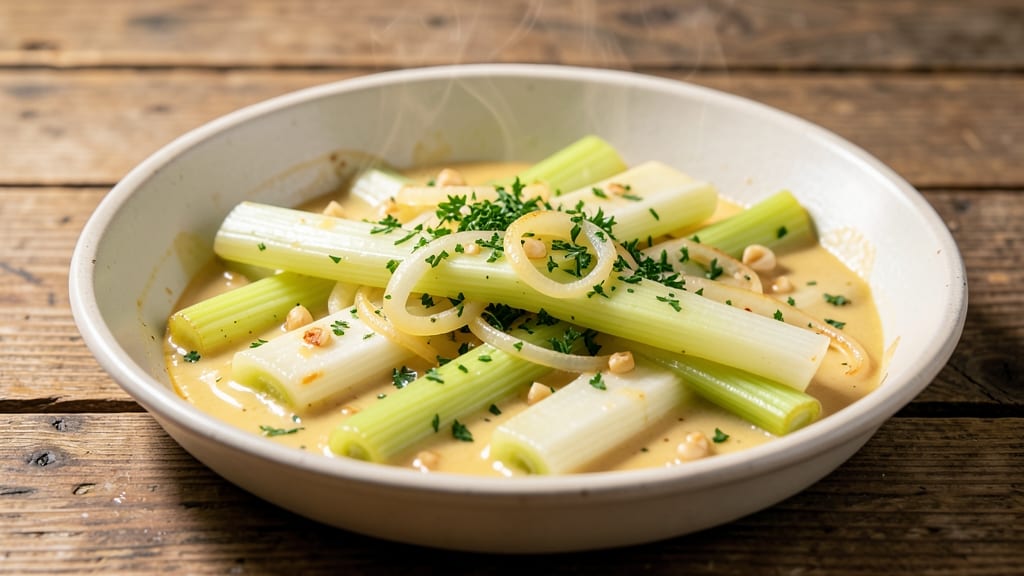
This Amish creamed celery recipe brings comfort food tradition to your table with tender celery and a rich, spiced cream sauce that feels like a warm hug in a bowl.
The Amish approach focuses on simple, locally sourced ingredients—think fresh celery, butter, milk, and a touch of nutmeg—that come together in a slow-cooked stovetop method for maximum flavor development.
I first tried this recipe during a rural homestead visit, where it was served alongside crispy fried potatoes and a slice of homemade bread.
The beauty of this dish lies in its foolproof technique—no fancy equipment needed, just a heavy pot and patience. Celery stalks are first blanched to soften slightly before being simmered in a creamy sauce thickened with butter and flour.
Traditional Amish kitchens often used this method to stretch ingredients across meals, making every bite feel hearty and satisfying. The result is celery that stays crisp-tender with a sauce so velvety it coats every bite like a warm embrace.
What makes this recipe special is how it balances simplicity with depth—warm spices like nutmeg and black pepper add subtle complexity, while the cream sauce transforms ordinary celery into something extraordinary.
The dish pairs perfectly with crusty bread, roasted potatoes, or even a slice of ham for a full Amish-style meal. Ready in about 30 minutes, it’s ideal for weeknight dinners or holiday gatherings where you want to impress without stress.
One key to success is not overcooking the celery—it should hold its shape while absorbing the rich sauce. The slow simmer allows flavors to meld beautifully, creating a dish that’s both comforting and elegant.
Whether you’re serving it as a side or a light main, this recipe delivers restaurant-quality warmth with a touch of rural charm. Let’s get cooking!
Ingredients for amish creamed celery
Simple, hearty ingredients transform celery into a velvety, spiced comfort dish perfect for Amish-style meals.
| Ingredient | Amount | Notes |
|---|---|---|
| Fresh Celery Stalks 🥬 | 1 lb | Trimmed, cut into 2-inch pieces |
| Unsalted Butter 🧈 | ½ cup | Cold, cut into tablespoon pieces |
| All-Purpose Flour 🌾 | ¼ cup | Sifted for smooth sauce |
| Whole Milk 🥛 | 2 cups | Full-fat for creaminess |
| Yellow Onion 🧅 | 1 whole | Diced, medium size |
| Garlic Cloves 🧄 | 3 cloves | Minced, fresh preferred |
| Ground Black Pepper 🌶️ | ½ tsp | Freshly cracked |
| Ground Nutmeg 🌿 | ¼ tsp | Freshly grated preferred |
| Diamond Crystal Kosher Salt 🧂 | ½ tsp | For seasoning |
| Fresh Parsley 🌿 | ¼ cup | Chopped, for garnish |
| Heavy Cream 🥛 | ½ cup | Optional for extra richness |
The celery should be fresh and crisp, with vibrant green stalks free of brown spots or wilting. Local farmers markets often carry the best quality, but any well-stocked grocery store will have suitable options. For the butter, choose European-style unsalted if available—it has a higher fat content that creates a richer sauce. The flour should be sifted to eliminate lumps, ensuring a silky texture. Traditional Amish recipes often used whole milk from local dairies, but modern grocery store milk works perfectly fine. Look for organic or grass-fed options if you want to elevate the dish further.
No fresh nutmeg? Ground nutmeg works at the same amount, though freshly grated offers superior flavor. Substitute heavy cream with an extra splash of milk if needed, though the sauce will be slightly lighter. For a dairy-free version, swap milk and butter for unsweetened almond milk and vegan butter, though the texture will differ. The onions should be yellow or white for mild sweetness, while red onions add a subtle sharpness. If you prefer a milder garlic flavor, garlic powder at half the amount works in a pinch. For the parsley, fresh is ideal, but dried parsley at one-third the quantity can be used if necessary.
This dish reheats beautifully—simply warm on the stovetop with a splash of milk to restore creaminess. Store leftovers in an airtight container for up to 4 days in the refrigerator. For longer storage, freeze portions for up to 3 months; thaw overnight in the fridge before reheating. The celery will soften further upon reheating, so it’s best served fresh or within a day. Garnish with extra parsley and a sprinkle of black pepper just before serving to enhance presentation and flavor.
Why You'll Love This Recipe
- No Chopping Chaos: I swear by this recipe because you barely touch a knife—just slice the celery stalks into thick rounds (no dicing, no fuss) and let the butter and onion melt into a silky sauce. The celery practically cooks itself while you stir.
- Creamy Without Guilt: That rich, velvety texture comes from just butter, flour, and milk—no heavy cream or weird shortcuts. The onion adds a subtle sweetness that balances the celery’s crisp bite, and honestly? It tastes like a hug in a bowl, but with half the calories of mashed potatoes.
- Leftovers That Don’t Suck: This dish actually improves the next day. The celery softens just enough to soak up the sauce, turning it into a hearty side that pairs with roasted chicken or steak. I’ll be real—it’s my go-to for lazy lunches when I’m too tired to cook.
- Pantry Staple Magic: You’re already using ingredients you own: butter, flour, milk. The onion and celery are cheap, seasonal, and last forever in the fridge. It’s the kind of recipe that proves you don’t need fancy ingredients to make something that feels special. (Yes, even on a Tuesday night.)
Step-by-step instructions for Amish creamed celery
This method delivers velvety, spiced cream with perfectly tender celery that maintains its satisfying crunch.
Sauté Aromatics and Celery Until Tender
Melt the 0.5 cup unsalted butter in a large, heavy-bottomed skillet over medium heat. Add the 1 whole yellow onion and cook for 5 minutes until softened and translucent. Stir in the 3 cloves minced garlic and cook for an additional 30 seconds until fragrant—this prevents the garlic from burning, which would impart bitterness to the dish.
Add the 1 lb fresh celery stalks cut into 2-inch pieces to the skillet. Season immediately with the 0.5 tsp diamond crystal kosher salt and 0.5 tsp ground black pepper. Cook for 8-10 minutes, stirring occasionally, until the celery is tender but still holds its shape. You'll know it's ready when the edges begin to soften while maintaining a slight crispness at the core—this balance is crucial for the final texture.
Create the Creamy Roux Base
Remove the skillet from heat and let it cool slightly for 2 minutes. This prevents the flour from clumping when added. Sprinkle the 0.25 cup sifted all-purpose flour evenly over the celery mixture, then return the skillet to medium-low heat. Stir constantly for 2-3 minutes until the flour forms a smooth, golden roux—this should look like wet sand and coat the back of a spoon.
Gradually whisk in the 2 cups whole milk, about ¼ cup at a time, allowing each addition to fully incorporate before adding more. This slow incorporation prevents lumps from forming in the sauce. Once all the milk is added, bring the mixture to a gentle simmer and cook for 5 minutes until it thickens noticeably. The sauce should coat the celery pieces evenly without being overly glossy.
Season and Finish with Warm Spices
Reduce the heat to low and stir in the 0.25 tsp ground nutmeg and an additional pinch of salt if needed. The nutmeg should be freshly ground for maximum aroma—pre-ground nutmeg loses potency quickly. Simmer for another 3-4 minutes until the flavors meld together. Taste the mixture and adjust seasoning—this is where you ensure the balance between the earthy celery, sweet onion, and warm spices.
For extra richness, whisk in the 0.5 cup heavy cream and simmer for an additional 2 minutes. The cream should blend seamlessly, adding a luxurious texture without overpowering the celery's natural flavor. Keep the mixture warm over low heat until ready to serve, stirring occasionally to prevent a skin from forming on top.
Garnish and Serve Immediately
Just before serving, stir in the 0.25 cup chopped fresh parsley. The parsley adds a bright contrast to the creamy, spiced celery and enhances the dish's visual appeal. Ladle the creamed celery into warm serving bowls, ensuring each portion contains an equal distribution of celery and sauce. The celery should be partially submerged in the creamy sauce, allowing diners to experience both the tender vegetable and the rich cream with each bite.
Serve immediately while the celery is still warm and the sauce maintains its velvety consistency. This dish pairs beautifully with crusty bread or as a side to roasted meats, where the creamy texture complements the heartier components of a meal. The combination of warm spices and tender celery creates a comforting dish that highlights traditional Amish cooking techniques.
Pro Tips For Making Amish Creamed Celery
- Cook Celery First: Sauté the chopped celery in butter until it’s just tender—about 5 minutes—before adding onions. I used to rush this and end up with mushy celery that disappears into the sauce instead of holding its shape. Keep it bright green and slightly crisp.
- Use Cold Milk: Pour cold whole milk into the flour-butter roux slowly while stirring constantly. My grandmother swore by this, and she was right: cold milk prevents lumps like magic. If you’re in a hurry, chill the milk in the fridge for 10 minutes first.
- Watch the Roux Color: Cook the butter and flour until it’s a pale golden brown—not white, not browned—before adding milk. After burning three batches, I finally figured out that this step guarantees a rich, nutty flavor instead of a flat, floury taste. Keep an eye on it.
- Salt the Milk: Add a pinch of salt (½ teaspoon) to the milk before mixing it into the roux. I skip this when I’m lazy, but the dish is noticeably better when I don’t—it balances the sweetness of the onions and celery. Trust me, it makes a real difference.
Best sauces and condiments for this recipe
Classic Cream Sauce
The core sauce here is a roux-based cream sauce thickened with butter and flour, then enriched with milk. The key is creating a light golden roux—cook the 0.25 cup flour in 0.5 cup butter until it smells nutty but not browned.
This forms the flavor foundation for the dish. For extra depth, I add a splash of heavy cream at the end, which creates a luxurious finish without overpowering the celery's natural taste. 🧈
Spiced Variations
Traditional Amish recipes often include warm spices like nutmeg and black pepper, but you can customize the flavor profile. For a sweeter twist, add ½ tsp cinnamon or a pinch of allspice.
If you prefer a tangier sauce, stir in 1 tsp apple cider vinegar at the end. I love adding a dash of smoked paprika for a subtle smokiness that pairs beautifully with the creamy texture.
Herb Enhancements
Fresh herbs elevate this dish beyond the classic version. Beyond parsley, try chopped chives for a mild onion-like note or thyme leaves for an earthy aroma. For a bolder flavor, add 1 tbsp chopped fresh sage during the final simmer.
The herbs should be added just before serving to preserve their brightness. A sprinkle of crumbled bacon on top also adds a savory contrast that Amish cooks often used in their hearty dishes. 🌿
Dairy-Free Adaptations
For a dairy-free version, replace the butter with vegan butter and use unsweetened almond milk instead of whole milk. To achieve a similar creamy texture, add 1 tbsp cornstarch to the roux and whisk in 1 cup coconut milk after cooking.
The sauce will be slightly lighter but still delicious. For extra richness, stir in 2 tbsp nutritional yeast at the end for a cheesy flavor without dairy.
Bread and Cheese Pairings
This creamed celery pairs perfectly with crusty sourdough bread or Amish-style corn bread. For a heartier meal, serve it alongside roasted potatoes or grilled ham. If you want to add cheese, sprinkle shredded sharp cheddar or Gruyère on top before serving—it melts beautifully into the warm sauce.
A side of pickled vegetables cuts through the richness and adds a tangy contrast.
Nutrition facts
Frequently asked questions
Can I make this recipe with frozen celery?
Fresh celery is ideal for this dish, as it maintains its crisp-tender texture. Frozen celery will become mushy when cooked, which won't work well in this creamy preparation. If you must use frozen, thaw it first and pat it very dry to remove excess moisture before cooking.
How do I prevent the sauce from becoming too thick?
If your sauce thickens too much, simply whisk in 1-2 tablespoons of warm milk or broth to loosen it. The key is to simmer gently after adding the milk—don't rush the process. For extra insurance, keep a small cup of milk nearby to adjust consistency at the end.
What's the best way to reheat leftovers?
Reheat gently on the stovetop over low heat with a splash of milk to restore creaminess. Stir frequently to prevent scorching. Microwaving can make the sauce watery, so the stovetop method preserves the dish's texture and flavor better. Add a pinch of nutmeg while reheating for extra warmth.
Can I use celery leaves in this recipe?
The celery leaves add a lovely fresh flavor and beautiful garnish. Save them when trimming the stalks and add them to the sauce during the final 5 minutes of simmering. They'll wilt slightly but maintain their bright green color and delicate taste.
Why does my celery turn mushy?
Overcooking is the most common cause. Celery should cook just until tender-crisp (8-10 minutes total). If using older celery, reduce cooking time by 2 minutes. Also ensure your pot isn't too large—crowding causes steaming instead of browning, which leads to mushiness.