
Side Dishes
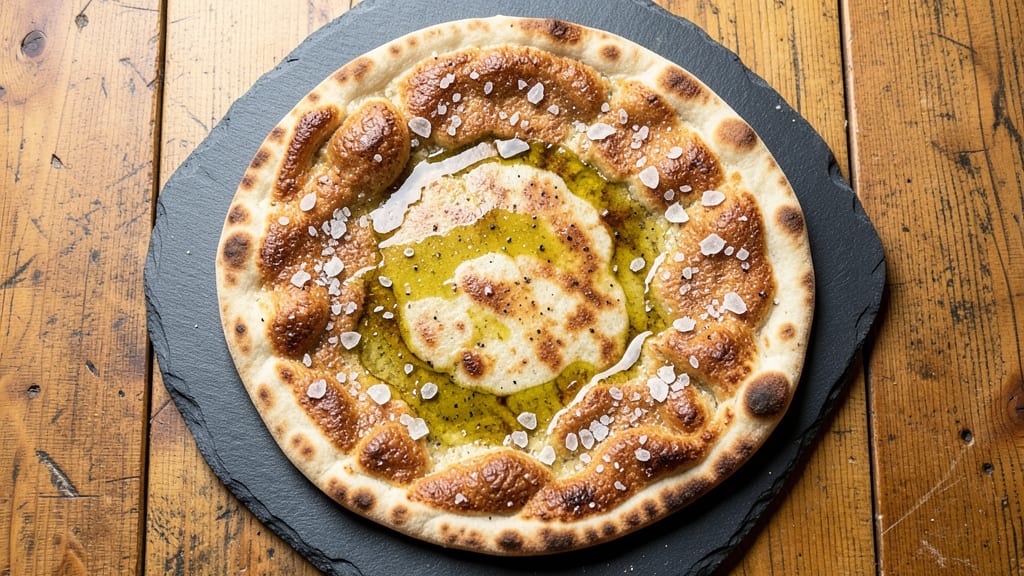
This almond flour flatbread bread recipe delivers crispy, gluten-free layers that transform any meal in just 10 minutes—no yeast, no kneading, and no compromise on texture.
The secret lies in balancing hydration and almond flour’s natural binding properties, creating a bread that’s sturdy enough for wraps yet delicate enough to crumble into crumbs. I developed this recipe after years of experimenting with gluten-free baking, and it finally achieves that perfect crispy-tender balance without gums or binders.
The beauty of this flatbread is its versatility—use it as a wrap for sandwiches, tear it into cracker-like pieces for dips, or serve whole as a side with olive oil and sea salt.
The dough comes together in minutes with just 5 ingredients, and the high-heat baking method ensures crispy edges every time. Unlike traditional flatbreads, this version holds up to wet fillings while maintaining its structural integrity, making it ideal for both sweet and savory applications.
What you’ll end up with is a batch of golden, crispy-edged flatbreads with a slightly chewy interior—naturally gluten-free but rich enough to satisfy any craving. The nutty flavor of almond flour adds depth, while the crispy texture makes it irresistible straight from the oven.
This recipe is perfect for meal prep, gifting, or last-minute entertaining when you need something impressive with minimal effort.
Pair it with hummus and roasted vegetables for a complete meal, use it as a base for flatbread pizzas, or enjoy it plain with a smear of garlic butter.
The possibilities are endless, and the best part? You’ll have a gluten-free bread that rivals traditional options in both taste and texture. Let’s get baking!
Ingredients for almond flour flatbread bread
Five simple ingredients transform into golden, crispy-edged gluten-free flatbreads—naturally sturdy yet delicate.
| Ingredient | Amount | Notes |
|---|---|---|
| Blanched Almond Flour 🥜 | 2 cups | Finely ground for smooth texture |
| Tapioca Starch 🌾 | ¼ cup | For crispy edges and binding |
| Extra-Virgin Olive Oil 🫒 | ½ cup | High quality for rich flavor |
| Warm Water 💧 | ¾ cup | Room temperature preferred |
| Diamond Crystal Kosher Salt 🧂 | 1 tsp | Fine grain preferred |
| Ground Black Pepper 🌶️ | ½ tsp | Freshly ground preferred |
| Garlic Powder 🧄 | ½ tsp | For subtle depth of flavor |
| Sesame Seeds 🌱 | 1 tbsp | Toasted for extra crunch |
| Fresh Rosemary 🌿 | 1 tsp | Finely chopped, optional garnish |
The almond flour is non-negotiable here—blanched, finely ground is key for that perfect crispy-tender balance. Bob’s Red Mill or Anthony’s Goods are my go-tos for quality, but any reputable brand works. Tapioca starch might seem like an odd addition, but it’s what creates those irresistible crispy edges without needing gums or binders. The olive oil should be extra-virgin—the fruity notes elevate the nutty almond flavor. If you’re short on time, Trader Joe’s has pre-ground almond flour at a great price, but grinding your own from whole almonds gives the best texture. The garlic powder and rosemary add subtle depth that makes this flatbread taste anything but basic.
No tapioca starch? Arrowroot powder at the same amount works in a pinch, though the edges won’t be quite as crispy. Short on sesame seeds? Toasted poppy seeds or everything bagel seasoning gives a similar crunch. The water needs to be warm—not hot—to activate the starch properly, but not so hot it cooks the flour. Want extra flavor? Add 1 tsp dried oregano or smoked paprika to the dry mix. The dough should come together like a thick, sticky paste—if it’s too dry, add 1 tsp more water. If it’s too wet, sprinkle in 1 tbsp more almond flour. This recipe is forgiving, but those adjustments make all the difference.
These flatbreads are best baked fresh, but you can prep the dough ahead and refrigerate it for up to 24 hours. Roll out and bake as needed. For maximum crispiness, store in an airtight container with parchment paper between layers—they’ll stay fresh for 3 days. Freeze unbaked flatbreads for up to 3 months by wrapping individually in plastic wrap and parchment. I like to portion the dough into 4 equal balls before rolling out—saves time when you’re ready to bake. The crispy edges soften slightly when reheated, so always bake fresh if you can.
Why You'll Love This Recipe
- Here’s what sold me: I already had almond flour and olive oil, and tapioca starch lasts forever. A batch makes 6-8 flatbreads, so I freeze half for when I’m too tired to bake. Plus, the salt cuts through the richness, making it feel restaurant-worthy without breaking the bank.
- No-Fuss Mixing: I swear by this recipe because it’s three ingredients plus water—no yeast, no kneading, no waiting. Just blend almond flour, tapioca starch, and olive oil until it clumps like wet sand, then roll it out while the pan heats. That’s it. Even my "I can’t be bothered" days end with golden, pillowy flatbread.
- Nutty Crispy Magic: The combo of toasted almond flour and olive oil gives it this unexpected depth—like a cross between focaccia and a delicate cookie. The edges get crispy while the center stays soft, and honestly? That first bite with warm honey or a smear of almond butter is dangerously satisfying.
- Wrap Anything, Anywhere: Between us, this flatbread is my secret weapon for lazy dinners. Stuff it with hummus and roasted veggies for a 5-minute meal, or use it as a crust for a low-carb pizza. It even holds up to my kids’ "I’m not hungry but will eat this if it’s fun-shaped" phase—no complaints.
Step-by-step instructions for almond flour flatbread
Here's how to transform simple ingredients into golden, crispy flatbread layers that rival traditional bread—without gluten.
Combine Dry Ingredients for Perfect Texture
In a large mixing bowl, whisk together the 2 cups blanched almond flour and 0.25 cup tapioca starch. This combination creates the ideal balance of structure and crispiness—the almond flour provides the nutty flavor and protein, while the tapioca starch ensures those coveted crisp edges. Use a whisk or fork to break up any lumps completely, creating a smooth base for your dough.
Next, add the 1 tsp diamond crystal kosher salt, 0.5 tsp ground black pepper, and 0.5 tsp garlic powder. Mix these seasonings thoroughly into the dry ingredients. The salt enhances flavor while preventing flatbread from becoming bland, and the garlic powder adds subtle depth that pairs perfectly with the nutty almond base. Here's the thing—don't skip the pepper; it balances the richness of the olive oil and adds a pleasant bite.
Incorporate Wet Ingredients for Smooth Dough
Create a well in the center of your dry mixture and pour in the 0.5 cup extra-virgin olive oil. The high-quality olive oil is crucial here—it adds richness and helps create that beautiful golden-brown crust. Add the 0.75 cup warm water to the well, then gradually incorporate the wet ingredients into the dry using a fork or your hands.
Once combined, the dough will be thick and slightly sticky—this is normal. I like to work it with my hands for about 1 minute, just until it comes together into a cohesive mass. The dough shouldn't be too wet; if it is, add 1 tablespoon more almond flour to achieve the right consistency. This step is where the magic happens—the proper balance ensures your flatbread will be tender yet crispy rather than dense or crumbly.
Shape and Prepare for Crispy Perfection
Divide the dough into 4 equal portions (about ¼ cup each). For each portion, roll it into a ¼-inch thick circle on a clean surface dusted with a tiny bit of almond flour if needed. I use a rolling pin for even thickness, but you can also press the dough with your palms for a rustic texture. The goal is to create uniform circles that will cook evenly and develop that beautiful golden crust.
Place each shaped flatbread onto a parchment-lined baking sheet. Sprinkle each with ¼ tbsp sesame seeds and ¼ tsp finely chopped fresh rosemary, pressing them gently into the surface. The sesame seeds add crunch and visual appeal, while the rosemary infuses a fragrant herbal note. Arrange the flatbreads about 1 inch apart on the baking sheet to allow for even browning during cooking.
Bake to Golden, Crispy Layers
Preheat your oven to 375°F—this temperature is critical for achieving that perfect balance of crispy exterior and tender interior. Once preheated, bake the flatbreads for 8-10 minutes until the edges turn golden brown and the centers appear set. You'll know they're done when they release easily from the parchment paper and have a slight crispness to the touch.
Here's where it gets exciting—the flatbreads will continue to crisp up as they cool. For maximum crispiness, transfer them to a wire rack and let them cool for 5 minutes before serving. This resting period allows the moisture to redistribute, resulting in that perfect texture contrast: crispy edges with a soft, chewy center. The aroma filling your kitchen at this point is pure proof you've nailed it.
Pro Tips For Making Almond Flour Flatbread Bread
- Sift the Flour Twice: DESCRIPTION:
- Use Room-Temp Water: DESCRIPTION:
- Press, Don’t Roll: DESCRIPTION:
- Preheat the Pan Hard: DESCRIPTION:
Troubleshooting perfect results
Dough Too Sticky?
If your dough feels too wet and sticky, don’t panic—this is fixable! Sprinkle in 1 tablespoon almond flour at a time while mixing with a fork until it reaches a workable consistency. The dough should hold together when pressed but still be pliable.
I’ve found that Trader Joe’s almond flour absorbs moisture slightly differently than others, so you might need an extra ½ tablespoon if using their brand. 💡
Flatbreads Not Crispy Enough
The secret to crispy edges lies in the tapioca starch and baking time. If your flatbreads turn out soft instead of crispy, try baking them for 1-2 extra minutes at 375°F.
For next-level crispiness, place the baked flatbreads on a wire rack for 10 minutes instead of 5—this allows excess moisture to evaporate. Pro tip: Brush the tops with a tiny bit of olive oil before baking to enhance browning.
Dough Cracking or Breaking
Cracking often happens when the dough is too dry or rolled too thin. To prevent this, ensure your dough has the right consistency—it should be thick and slightly sticky, not crumbly. If it’s cracking while rolling, gently press the cracks back together with your fingers.
For extra strength, add 1 teaspoon ground flaxseed mixed with 2 tablespoons water to the dough as a natural binder. Let it sit for 5 minutes before shaping. 🌱
Flatbreads Spread Too Much
If your flatbreads spread unevenly or become too thin in spots, the issue is likely uneven rolling or insufficient dough thickness. Aim for a ¼-inch thickness when rolling, and use a rolling pin for even pressure.
For extra stability, chill the dough balls for 15 minutes before rolling—this helps them hold their shape better. I also recommend using a light dusting of almond flour on your rolling surface to prevent sticking.
Flatbreads Taste Bland
The nutty flavor of almond flour should shine, but if your flatbreads taste flat, it’s likely due to underseasoning. Boost flavor by adding ½ teaspoon smoked paprika or dried oregano to the dry mix.
For a brighter taste, sprinkle fresh herbs like thyme or basil on top before baking. A pinch of garlic powder or onion powder also elevates the dish without overpowering it. 🧄
Storage Issues: Losing Crispiness
Flatbreads lose crispiness when stored in airtight containers because moisture gets trapped. To keep them fresh, store them in a paper bag or parchment-lined container at room temperature for up to 3 days. For longer storage, freeze unbaked flatbreads on a tray, then transfer to a ziplock bag.
Reheat in a 350°F oven for 3-5 minutes to restore crispiness. If reheating from frozen, add 1 extra minute to ensure even warming.
Nutrition facts
Frequently asked questions
Can I make this recipe without tapioca starch?
Yes, but your flatbreads may not be as crispy. Replace the ¼ cup tapioca starch with ¼ cup arrowroot powder for similar binding properties, though the edges will be slightly less crisp. For a chewier texture, try 1 tbsp psyllium husk powder mixed with 1 tbsp water—this creates a more elastic dough that holds shape better.
How do I prevent the flatbreads from sticking to the parchment paper?
Lightly dust your parchment paper with almond flour before placing the dough on it. For extra insurance, chill the shaped flatbreads for 10 minutes in the fridge before baking—the colder dough releases more easily. If they still stick, your oven may be too hot; reduce the temperature to 350°F for the first 5 minutes of baking.
What’s the best way to reheat these flatbreads?
For maximum crispiness, reheat in a 375°F oven for 3-4 minutes on a wire rack. For a quick fix, wrap the flatbread in a damp paper towel and microwave for 10-15 seconds—this restores some crispness without making it soggy. Avoid toasters; they’ll burn the edges before warming the center.
Can I use this dough for flatbread pizzas?
Roll the dough into ¼-inch thick circles and bake as directed. Top with pizza sauce, cheese, and toppings, then bake at 400°F for 8-10 minutes until the cheese melts. The almond flour adds a nutty depth that pairs beautifully with tomato sauce and herbs. For extra stability, brush the dough with olive oil before adding toppings.
Why does my dough keep cracking when I roll it?
Cracking happens when the dough is too dry or rolled too thin. Ensure your dough is thick and slightly sticky (not crumbly), and roll it to ¼-inch thickness using even pressure. If cracks appear, gently press them back together with your fingers. For extra strength, add 1 tsp ground flaxseed + 2 tbsp water to the dough and let it rest for 5 minutes before shaping.