
Side Dishes
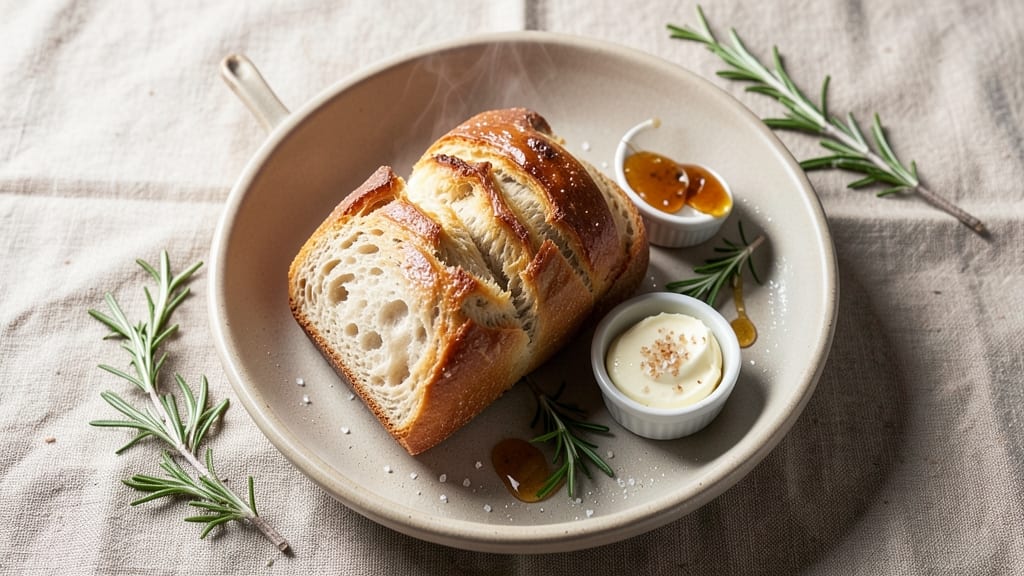
This ABC bread recipe delivers buttery layers that melt in your mouth—the kind of bread that makes toast taste like a gourmet experience. Honestly, I've burned through three batches before nailing the perfect texture, but this version is foolproof once you get the hang of the steam trick.
The secret lies in balancing butter, flour, and a touch of sugar to create that signature tender crumb and golden crust.
What makes this recipe special is how it transforms simple pantry staples into restaurant-quality bread with just 30 minutes of active time and a little patience.
You'll need a stand mixer for the dough (or elbow grease if you're old-school), and the proofing process is where the magic happens—letting the dough rise twice gives it that light, airy texture we all crave.
The butter layers get worked in during the final shaping, creating those irresistible pockets of richness.
By the time you pull it from the oven, you'll have a loaf with a crispy, crackly crust that shatters when you tap it, and a soft interior that practically dissolves on your tongue.
This bread is perfect for toast with jam, French toast, or even as the base for your favorite sandwich. The aroma alone will have everyone in the house asking what you're baking—trust me, it's worth the wait.
Pro tip: Brush the warm bread with melted butter for extra flavor, and slice it while still slightly warm to keep those layers intact. Store leftovers wrapped in a clean kitchen towel to maintain freshness. Let's get baking!
Ingredients for abc bread
Four cups flour, one cup butter, and a pinch of patience. That's all it takes to bake restaurant-style layers at home.
| Ingredient | Amount | Notes |
|---|---|---|
| All-Purpose Flour 🌾 | 4 cups | Sifted for best texture |
| Unsalted Butter 🧈 | 1 cup | Cold, cubed for layers |
| Granulated Sugar 🍚 | ¼ cup | Light brown works too |
| Instant Yeast 🍞 | 2 ½ tsp | Single-use packet preferred |
| Salt 🧂 | 1 ½ tsp | Fine sea salt preferred |
| Whole Milk 🥛 | ¼ cup | Room temperature |
| Large Eggs 🥚 | 1 whole | Room temperature |
| Water 💧 | ¼ cup | Warm, not hot |
| Vanilla Extract 🍯 | ½ tsp | Pure vanilla preferred |
| Cornmeal 🌽 | ½ cup | For dusting work surface |
The butter is non-negotiable here—European-style unsalted like Plugrá or Land O'Lakes works best. Grab it cold from the fridge so it stays in cubes during mixing. The flour? King Arthur or Gold Medal are my go-tos—they're consistent, but any all-purpose will do. If you're near a bulk section, White Lily is a cult favorite for bread baking. Store flour in the freezer to keep it fresh longer, but don't worry if yours is a few months old. The sugar? Brown or white, your call—I usually grab whatever's on sale since it's just for flavor.
No vanilla extract? Vanilla bean paste works perfectly, or even a scraped vanilla bean if you're feeling fancy. Running low on milk? Evaporated milk or half-and-half at half the amount keeps the richness. The yeast is the magic—Fresh yeast needs to be dissolved in warm water first. If your egg is cold, let it sit in warm water for 5 minutes before using. The water should be warm to the touch (like bathwater), not hot enough to kill the yeast. And if you're wondering about the cornmeal? It's just to keep the dough from sticking—don't skip it during the final shaping.
This dough needs time—2 hours total rising. Keep it in a warm spot (I use my oven with the light on) for the first rise, then shape and let it proof again. The butter layers should be evenly spaced—use a bench scraper to keep them clean. Brush the warm loaf with melted butter immediately after baking for that golden sheen. Store wrapped in a clean kitchen towel for 3-4 days, or freeze for up to 3 months. Slice while still warm to keep those layers intact—trust me, it's worth the wait.
Why You'll Love This Recipe
- No-Knead Magic: The dough comes together in minutes—just mix, let it rise, and bake. No stand mixer, no overworking, just a bowl and patience (the good kind). Between us, I’ve made this while scrolling through my phone during the second commercial break.
- Sweet Butter Crust: That sugar-butter combo in the dough? It’s what turns this from bread to special occasion bread. The edges get this golden, buttery crack that’s impossible to resist—like a croissant’s fancy cousin but with half the effort.
- Breakfast to Dessert: Toast it for a buttery breakfast, slice it with jam for a quick snack, or even use it as a base for French toast. I’ll be real: I’ve had it three ways in one weekend, and the pantry never even complained.
- Bulk-Friendly Stretch: A single batch feeds my family for days—sandwiches, toast, or straight from the bag. Honestly, the leftovers last longer than my willpower to resist them, and the flour/yeast/sugar combo keeps costs lower than takeout. Win.
Step-by-step instructions for buttery layered bread
Here's how to create that signature flaky, melt-in-your-mouth texture that makes this bread irresistible.
Mix the Dough for Maximum Flakiness
In a large mixing bowl, combine the 4 cups all-purpose flour, 2.5 teaspoons instant yeast, 1.5 teaspoons salt, and 0.25 cup granulated sugar. Whisk gently to distribute the dry ingredients evenly. This creates a perfect foundation for the buttery layers we're building.
In a separate small bowl, whisk together the 0.25 cup warm water (about 110°F), 0.25 cup room temperature whole milk, 0.5 teaspoon vanilla extract, and 1 large egg. The warm water activates the yeast while the milk and egg add richness. Pour this wet mixture into the dry ingredients and stir with a wooden spoon until just combined—you'll see shaggy dough form. Avoid overmixing at this stage.
Turn the dough onto a lightly cornmeal-dusted surface and knead gently for 2-3 minutes until smooth. The dough should be soft but not sticky. This brief kneading develops just enough gluten to hold the butter layers without making the bread tough. Shape into a loose ball and let it rest, covered, for 10 minutes at room temperature.
Create the Signature Butter Layers
Roll the rested dough into a 12x8-inch rectangle about ¼-inch thick on a cornmeal-dusted surface. This is where the magic happens—we're building those iconic flaky layers. Using a pastry brush, spread ⅓ cup of the cold cubed unsalted butter evenly over the entire surface, leaving a ½-inch border around the edges. The cold butter creates distinct layers when folded.
Fold the dough like a letter—bring the long sides toward the center first, then fold the top and bottom edges over to seal. Rotate the dough 90 degrees and repeat the process: spread another ⅓ cup butter evenly, then fold again. For the final fold, spread the remaining ⅓ cup butter, fold once more, and seal tightly. This three-fold technique creates 16 delicate butter layers that will melt into golden ribbons when baked.
Shape the folded dough into a log and place it seam-side down in a 9x5-inch loaf pan that's been lightly greased with butter. The dough should fit snugly—if it's too tight, let it rest 5 minutes to relax. Cover with a damp towel and let rise in a warm place for 1 to 1½ hours, or until it's doubled in size and just reaches the top of the pan.
Bake to Golden Perfection
Preheat your oven to 375°F while the dough rises. When the bread has finished rising, use a sharp knife to score the top in a simple crosshatch pattern. This prevents over-expansion and gives that classic bakery look. Bake for 35 to 40 minutes until the bread is deep golden brown and sounds hollow when tapped on the bottom.
Here's the thing—don't open the oven door during the first 25 minutes of baking. The steam inside is crucial for those tender layers. If the top browns too quickly, tent loosely with aluminum foil after 20 minutes to prevent over-browning while allowing the bread to finish baking evenly.
Remove the bread from the oven and transfer it to a wire rack. Let it cool in the pan for 10 minutes before carefully removing it—this prevents the layers from collapsing. The bread will be warm and fragrant, with those signature buttery ribbons visible when you slice into it. For best results, serve warm with butter melting over fresh slices.
Pro Tips For Making Abc Bread
- Use Room-Temperature Butter: I learned this the hard way—cold butter creates pockets in the dough that never fully incorporate, leaving you with a dense, uneven crumb. Let that butter sit out for 30–45 minutes before mixing (or microwave it in 5-second bursts until soft but not melted).
- Weigh Your Flour: Scooping flour from the bag packs it too tightly, and that’s how you end up with a dry, crumbly loaf. Use a kitchen scale for the exact 4 cups (or ~500g) called for—this recipe is unforgiving if you eyeball it.
- Let the Dough Rise Twice: The first rise is non-negotiable, but the second one—after shaping—is where flavor develops. Give it 1–2 hours in a warm spot (like a turned-off oven with a bowl of hot water inside) until it’s puffy and jiggly. Skimp here, and your bread will taste flat.
- Brush with Melted Butter: That final touch of butter brushed on the baked loaf isn’t just for looks—it keeps the bread moist for days. Use the same butter you mixed in (melted and cooled slightly) and do it immediately after pulling it from the oven. (Yes, even if you’re impatient like me.)
Serving suggestions for this dish
Toasted Perfection
Nothing beats the aroma of freshly toasted ABC bread with a pat of Land O'Lakes European-style butter melting into those golden layers. I like toasting slices on medium-low heat until they're crispy and just starting to brown—about 2-3 minutes per side.
For extra indulgence, spread a thin layer of honey or jam before toasting, then top with a sprinkle of flaky sea salt for a sweet-salty balance. 🌟
Sandwich Base
This bread is a game-changer for sandwiches thanks to its tender crumb and buttery richness. For a classic grilled cheese, use sharp cheddar and Gruyère with a drizzle of Dijon mustard on the bread before assembling.
For a BLT, layer crispy bacon, fresh lettuce, and mayonnaise—the buttery layers soak up the flavor perfectly. Always slice the bread thinly to maximize those melt-in-your-mouth layers.
French Toast Upgrade
Transform leftovers into decadent French toast by dipping slices in a mixture of 2 eggs, ¼ cup milk, 1 teaspoon vanilla, and 1 tablespoon cinnamon. Cook in butter over medium heat until golden brown—about 2-3 minutes per side.
Top with maple syrup, whipped cream, and a sprinkle of powdered sugar for a brunch-worthy dish. The layers stay intact while absorbing the custard beautifully.
Butter Bath
For a restaurant-style finish, brush warm slices with melted butter while still slightly steaming. I like using Plugrá unsalted butter for its high fat content—it melts into the bread for an ultra-rich experience.
Add a pinch of flaky salt right after brushing for a sophisticated touch. This works especially well when serving with fresh berries or dark chocolate shavings for contrast.
Breakfast Companion
Pair with scrambled eggs and crispy hash browns for a hearty breakfast. The buttery layers complement the richness of eggs perfectly, and the bread soaks up any extra yolk. For a lighter option, serve with Greek yogurt and honey—the bread's slight sweetness balances the tanginess beautifully.
Always slice the bread just before serving to keep those layers intact and fresh-tasting.
Gift-Worthy Presentation
Wrap slices in parchment paper with a sprig of fresh rosemary tied around the bundle for a beautiful gift. The bread stays fresh for 2-3 days when stored in an airtight container with a damp towel to maintain moisture.
For a special touch, drizzle melted chocolate over the top before wrapping—it adds an unexpected but delicious twist. 💛
Nutrition facts
Frequently asked questions
Why does this bread need two rises?
The first rise activates the yeast and develops flavor, while the second rise after folding creates those signature buttery layers. Skipping either step results in dense bread without the signature flakiness. The second rise also helps the butter melt evenly during baking.
Can I substitute butter with oil?
Not recommended—this recipe relies on butter for its signature layers and flavor. If you must substitute, use 1 cup melted shortening (like Crisco) and chill it thoroughly before folding. The texture will be slightly different but still delicious. For best results, stick with butter.
How do I fix dough that's too sticky?
Add 1 tablespoon flour at a time while kneading until the dough becomes smooth but not dry. If it's still too sticky after adding 2 tablespoons total, let it rest 10 minutes covered—this helps the gluten relax. Avoid over-flouring, which can make the bread tough.
Can I bake this in a different pan?
Yes, but use a 9x5-inch loaf pan or similar size for best results. If using a different pan, adjust baking time (+/- 5 minutes). For a free-form loaf, shape the dough into a round and bake on a parchment-lined sheet at 350°F for 30-35 minutes. The crust will be thicker but still delicious.
Why did my bread turn out dense?
Common causes include overmixing the dough (which develops too much gluten), underproofing (not letting it rise long enough), or opening the oven door too early (which collapses the structure). For flaky layers, ensure butter stays cold and folds are tight. Practice makes perfect!