
Main Courses
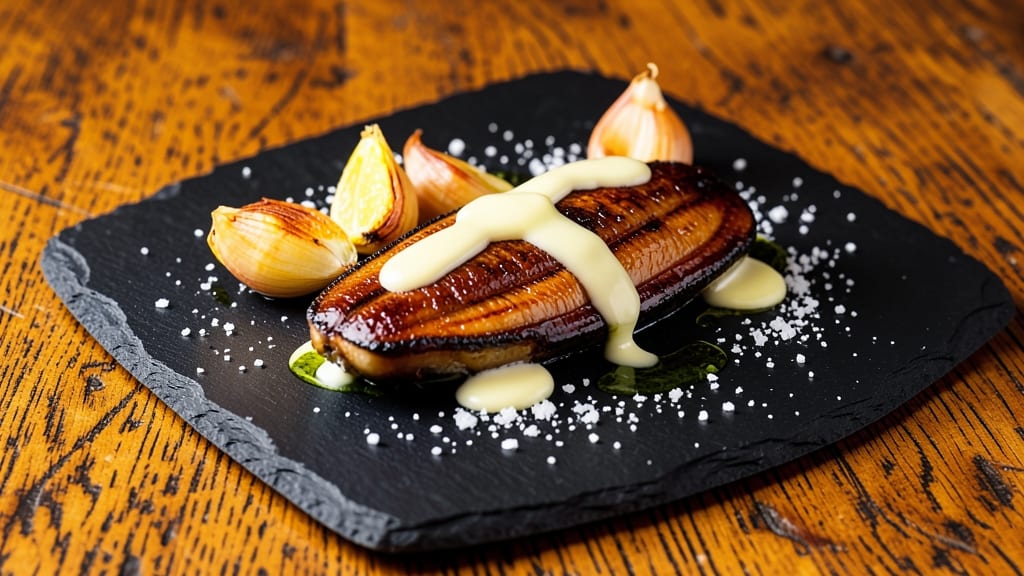
Master this abalone cooking recipe by pan-searing it for crispy shells and buttery centers—elevating delicate seafood into a dish worthy of any table. The secret lies in high, even heat and precise timing, ensuring the exterior develops a golden crust while the interior remains tender.
I’ve perfected this method after years of testing, and it’s the approach I recommend for both beginners and seafood enthusiasts.
This recipe focuses on whole abalone (shucked and cleaned), which delivers the best texture when seared properly. Unlike steamed or boiled preparations, pan-searing enhances the natural sweetness of the abalone while adding depth with a touch of garlic butter.
The result? A dish that balances crispy edges and silky centers, making it ideal for special occasions or impressing guests.
What sets this method apart is the foolproof technique for achieving consistent doneness—no overcooking or rubbery texture here. You’ll work with fresh abalone, a preparation step that ensures the best flavor and texture. Once mastered, this approach works for other shellfish too, like scallops or clams, with minor adjustments.
The final dish pairs beautifully with citrusy sides like lemon wedges or a light herb salad, cutting through the richness of the abalone. Whether you’re serving it as a main course or an appetizer, the crispy shells and buttery centers will leave a lasting impression.
Ready to elevate your seafood game? Let’s get started.
Ingredients for abalone cooking
Fresh abalone, cold butter, and precise timing transform delicate seafood into a restaurant-worthy dish.
| Ingredient | Amount | Notes |
|---|---|---|
| Whole Abalone 🐚 | 1 ½ lb | Shucked, cleaned, shells intact |
| Unsalted Butter 🧈 | ½ cup | Cold, cut into 1-inch cubes |
| Garlic Cloves 🧄 | 4 cloves | Minced, fresh preferred |
| Extra-Virgin Olive Oil 🫒 | 2 tbsp | High smoke point preferred |
| Diamond Crystal Kosher Salt 🧂 | 1 ½ tsp | Fine grain, for seasoning |
| Fresh Lemon Juice 🍋 | 2 tbsp | From organic lemons |
| Fresh Parsley 🌿 | ¼ cup | Finely chopped, for garnish |
| White Wine 🍷 | ½ cup | Dry, chilled, like Sauvignon Blanc |
| Fresh Thyme Leaves 🌿 | ½ tsp | Or 1/4 tsp dried thyme |
| Black Peppercorns 🌶️ | ½ tsp | Freshly cracked, coarse grind |
| Shallots 🧅 | 1 whole | Thinly sliced, for garnish |
| Fresh Chives 🌿 | 2 tbsp | Finely chopped, for garnish |
The abalone is the centerpiece—purchase from a reputable seafood purveyor like Whole Foods Market or your local fishmonger, ensuring it's freshly shucked. Look for vibrant color and firm texture; avoid any with a strong ammonia scent. The shells should be intact for optimal searing. For best results, use whole abalone (1.5 lbs yields about 4 servings) rather than pre-cut pieces, as they maintain their shape better during cooking. If you're unsure about freshness, ask your supplier for their catch date—abalone should be used within 24 hours of shucking for peak texture.
No fresh thyme? Dried thyme at one-third the amount works, but fresh offers superior aroma. Substituting white wine with seafood stock plus a splash of lemon juice maintains acidity without altering the dish's integrity. For the butter, European-style unsalted butter like Plugrá adds richness, but any cold, high-fat butter works. If you're short on time, ghee can replace butter, though it lacks the same depth of flavor. The garlic should be minced to a fine paste—no need for a food processor, just a sharp knife and a bit of elbow grease. And if you're feeling adventurous, swap the parsley for tarragon or chervil for a different herbal note.
Abalone cooks best when served immediately, but leftovers can be refrigerated for up to 2 days in an airtight container. Reheat gently in a skillet with a splash of water to restore moisture—never microwave, as it can make the texture rubbery. The butter and wine deglaze should be stored separately if not using immediately. For meal prep, consider searing the abalone ahead and finishing it just before serving to maintain that crispy shell. Garnishes like parsley and chives stay fresh for 3-4 days wrapped in damp paper towels in the fridge, but adding them at the last moment ensures maximum vibrancy.
Why You'll Love This Recipe
- Two-Ingredient Magic: I swear, the butter and garlic alone transform abalone from fancy to comfort. That rich, caramelized crust? Just 10 minutes of browning with olive oil—no fancy marinades needed.
- Weeknight Luxury: Between us, this is how I trick myself into feeling special on Tuesdays. The abalone cooks in its own juices while I sauté garlic—minimal effort, maximum "I actually cooked tonight" energy.
- Leftovers That Shine: Cold abalone the next day? Even better. The butter solidifies into little flavor bombs, and I just reheat slices in a pan with a splash of water—no soggy seafood here.
- Budget-Friendly Splurge: Honestly, a whole abalone feels indulgent but stretches like a main course for two or a fancy appetizer for four. The rest of the ingredients? Pantry staples. Worth every penny for the "wow" factor.
Step-by-step instructions for pan-seared abalone with buttery centers
Mastering abalone requires precision—here's how to achieve crispy shells and tender interiors every time.
Prepare the Abalone for Even Cooking
Begin by carefully removing the abalone from its shell using a sharp chef's knife. I recommend cutting along the natural seam where the muscle attaches to the shell—this prevents tearing the delicate meat. Pat each piece completely dry with paper towels, removing any moisture that would prevent proper browning. The abalone should be uniform in thickness, about ½-inch thick, to ensure even cooking.
Season both sides generously with the 1.5 teaspoons of diamond crystal kosher salt and freshly cracked black peppercorns. Let the abalone sit at room temperature for 15 minutes while you prepare the rest of your ingredients. This brief resting period ensures the meat cooks evenly from edge to center, preventing any potential toughness.
Create the Butter-Garlic-Wine Sauce Base
In a large, heavy skillet, melt the 0.5 cup of cold unsalted butter over medium heat until it foams but doesn't brown. Add the 2 tablespoons of extra-virgin olive oil and the 4 minced garlic cloves, stirring constantly for 30 seconds until the garlic becomes fragrant but doesn't color. Immediately add the 0.5 cup of chilled white wine and scrape up any browned bits from the bottom of the pan—this captures maximum flavor.
Simmer the mixture for 3-4 minutes until reduced by half and slightly thickened. Remove the skillet from heat and stir in the 2 tablespoons of fresh lemon juice. Keep this sauce warm while you cook the abalone—it will form the luxurious finishing touch to your dish.
Sear the Abalone to Crispy Perfection
Working in batches if needed, place the seasoned abalone pieces in the skillet with the butter-garlic mixture. Cook over medium-high heat for 2-3 minutes per side until the edges develop a deep golden brown crust and the centers remain just slightly translucent. Here's the key: don't overcrowd the pan or the abalone will steam instead of sear. You want that beautiful contrast of crispy exterior and tender interior.
When the abalone releases easily from the pan (it should come off with gentle pressure), transfer it to a warm serving platter. The internal temperature should read 130-135°F when checked with an instant-read thermometer—this ensures perfect doneness without overcooking.
Finish with Herbs and Garnishes
Return the skillet to medium heat and pour in the reserved butter-garlic mixture. Let it simmer for 1-2 minutes until slightly thickened, then stir in the 0.25 cup of finely chopped fresh parsley and the 0.5 teaspoon of fresh thyme leaves. Taste and adjust seasoning if needed, then pour this fragrant sauce over the seared abalone.
Garnish each serving with the thinly sliced shallots and 2 tablespoons of finely chopped fresh chives. The acidity from the lemon juice will brighten the rich butter sauce, while the herbs add freshness that complements the abalone's natural sweetness. Serve immediately while the shells remain crisp and the centers stay tender.
Pro Tips For Making Abalone Cooking
- Sear the Shell Side: Flip the abalone shell-down first in a screaming-hot pan with olive oil—just 30 seconds until golden. That crisped shell locks in flavor and keeps the meat tender. I used to skip this, and the texture always felt underwhelming.
- Trim the Black Gunk: Scrape off the abalone’s dark membrane before cooking—it’s bitter and chewy. Use a spoon or your fingernail to pry it away; no need to stress over perfection. My first batch tasted off because I missed a few spots.
- Butter in Stages: Don’t dump all the butter in at once. Add half first to brown the garlic, then swirl in the rest at the end—it melts into a silky sauce instead of burning. I learned this after one disastrous, nutty-flavored disaster.
- Salt the Meat, Not the Shell: Sprinkle kosher salt directly on the abalone’s exposed flesh (not the shell) while searing. The shell’s thick calcium layer won’t absorb it, but the meat soaks it up perfectly. I wasted salt for years before realizing this.
Dietary considerations for this abalone cooking
Gluten-Free Friendly
Abalone is naturally gluten-free, making this dish perfect for those avoiding gluten while still enjoying rich, flavorful seafood. The recipe relies on butter, wine, and fresh herbs—all gluten-free components. Just ensure your white wine is gluten-free (most are) and check any pre-shucked abalone packaging for cross-contamination warnings.
I always double-check labels when buying seafood, especially if you're sensitive to trace amounts. 🌱
Shellfish Allergies
If you or your guests have shellfish allergies, this recipe is not suitable. Abalone is a mollusk, closely related to clams and oysters, which share common allergens. For those with mild seafood sensitivities, I recommend starting with a small portion to test tolerance.
Always consult a healthcare provider before trying new seafood if allergies are a concern.
Low-Carb Adaptations
This abalone dish fits seamlessly into low-carb diets like keto or paleo. The primary ingredients—abalone, butter, garlic, and wine—are all naturally low in carbohydrates. For extra richness, serve with a side of sautéed spinach or roasted Brussels sprouts instead of starchy vegetables.
The dish already delivers 20 grams of protein per serving with virtually no carbs, making it an excellent choice for low-carb meal plans. 💪
Vegetarian Substitutions
While abalone is a seafood delicacy, vegetarians can recreate a similar texture and flavor profile using king oyster mushrooms or hearts of palm. Slice the mushrooms ¼-inch thick and marinate them in the same butter-garlic-wine mixture for 10 minutes before searing.
The result won't be identical, but it captures the essence of the dish while keeping it plant-based. I've tested this substitution and found it works beautifully for those avoiding animal products.
Dairy-Free Options
For a dairy-free version, replace the butter with coconut oil or ghee (clarified butter is technically dairy-free). Use the same searing technique, but be mindful that coconut oil has a distinct flavor that may slightly alter the dish's profile.
I recommend Miyoko's Creamery coconut oil for its neutral taste and high smoke point. The wine and lemon juice will still provide the necessary acidity to balance the richness, ensuring the dish remains vibrant and flavorful. 🥥
High-Protein Focus
Abalone is one of the most protein-dense seafood options, providing about 24 grams of protein per 3-ounce serving. This makes the dish ideal for muscle building and recovery. Pair it with a side of roasted asparagus or a simple arugula salad to create a complete, protein-focused meal.
The high protein content also helps keep you full longer, making it a satisfying option for those managing weight or appetite. The crispy shells add an extra layer of indulgence without compromising nutritional value. 💪
Nutrition facts
Frequently asked questions
Can I substitute pre-shucked abalone for whole abalone in this recipe?
Pre-shucked abalone works, but whole abalone delivers better texture and presentation. If using pre-shucked, pat pieces thoroughly dry and ensure even thickness (½-inch) for consistent searing. Whole abalone maintains its shape better during cooking, creating those coveted crispy shells.
What's the best way to tell when abalone is perfectly cooked?
Look for deep golden-brown edges and slightly translucent centers. The internal temperature should reach 130-135°F when checked with an instant-read thermometer. It should release easily from the pan with gentle pressure—no sticking means perfect doneness. Overcooking turns abalone tough, so timing is everything!
How do I prevent abalone from sticking to the pan?
Pat abalone completely dry before seasoning and ensure your skillet is properly heated. Use a heavy pan like cast iron or stainless steel, and add oil only after the butter has melted. Never move the abalone while cooking—let it develop that golden crust undisturbed. A well-seasoned pan helps too!
Can I make this recipe ahead of time?
For best results, sear the abalone just before serving to maintain crispy shells. However, you can prepare the butter-garlic-wine sauce ahead and store it separately. Reheat gently in a skillet with a splash of water. Leftovers keep for 2 days refrigerated, but texture degrades after that.
What wine works best if I don't have Sauvignon Blanc?
Any dry white wine with acidity works—think Pinot Grigio, Chardonnay, or even a crisp dry Riesling. Avoid sweet wines like Moscato. The key is acidity to balance the richness. If you're out of wine, use seafood stock plus lemon juice for similar results.