
Soups & Stews
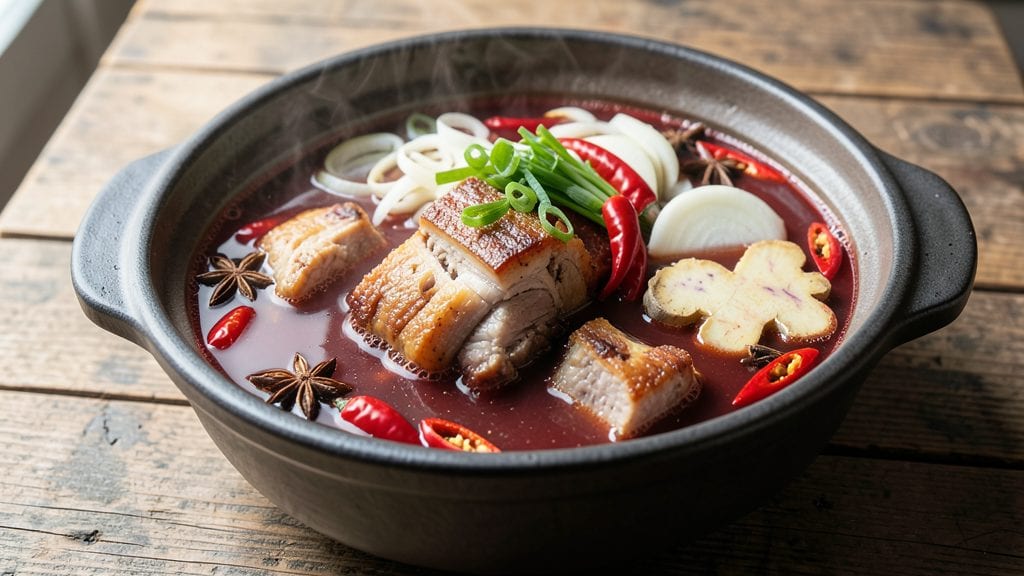
This traditional hot pot broth recipe balances earthy spices with deep umami flavors—crafting the aromatic foundation that transforms a simple pot into a communal feast. The secret lies in slow-simmered ingredients like star anise and dried chili, which infuse the broth with layers of warmth and complexity.
I’ve perfected this method over years of testing, ensuring every sip carries the rich, savory essence of traditional hot pot.
This broth builds flavor through precise layering: first the bones and aromatics, then the spices, and finally the vegetables. The result is a clear, golden liquid with a fragrant aroma that fills the kitchen long before it’s ready.
Whether you’re preparing for a Chinese hot pot gathering or a Japanese shabu-shabu session, this base transforms any meal into an experience. The technique is straightforward but requires patience—simmering for hours unlocks the full depth of flavor.
What sets this recipe apart is its versatility. Use it as the foundation for a steaming hot pot with fresh ingredients or as a standalone soup. The broth’s natural richness pairs beautifully with thinly sliced meats, tofu, and seasonal vegetables, making it adaptable to any style.
For an extra layer of complexity, char the aromatics before adding them—this caramelization adds a smoky note that elevates the dish. The key is balance: let each ingredient shine while harmonizing into a cohesive whole.
Once you’ve mastered this broth, experiment with regional twists—add a splash of soy sauce for depth or a touch of rice wine for brightness. Serve it piping hot with your favorite dipping sauces and an array of fresh ingredients.
This is the kind of recipe that becomes a staple, bringing warmth and tradition to your table every time. Let’s get started on crafting the perfect base.
Ingredients for traditional hot pot broth
Sixteen ingredients, hours of simmering, and a broth that defines tradition through aromatic precision.
| Ingredient | Amount | Notes |
|---|---|---|
| Pork Bones 🦴 | 3 lb | Marrow-rich for depth of flavor |
| Dried Star Anise 🌿 | 2 whole | Whole pods, not ground |
| Dried Red Chili Peppers 🌶️ | 4 whole | Arbol or guajillo variety |
| Fresh Ginger Root 🧅 | ½ lb | Unpeeled, sliced into thick coins |
| Daikon Radish 🥕 | 1 whole | Cut into thick chunks |
| Green Onions 🧅 | 1 whole | Cut into 2-inch sections |
| Cinnamon Sticks 🌿 | 1 whole | 2-inch lengths |
| Cloves 🌿 | 4 whole | Whole, not ground |
| Bay Leaves 🌿 | 2 whole | Dried, high-quality |
| Light Soy Sauce 🥫 | ½ cup | Kikkoman preferred |
| Shaoxing Wine 🍷 | ¼ cup | Dry, not sweet |
| Water 💧 | 8 cups | Filtered preferred |
| Salt 🧂 | 1 tsp | Diamond Crystal kosher |
| White Peppercorns 🌶️ | ½ tsp | Freshly cracked |
| Sesame Oil 🫒 | 1 tbsp | Toasted, for finishing |
The bones are the foundation—pork bones with marrow deliver unmatched richness, while chicken bones add clarity. Whole spices like star anise and cloves infuse without bitterness, so source them from Penzeys or specialty Asian markets where they're stored properly. The dried chilies? Arbol or guajillo from Trader Joe's bulk section work perfectly—avoid the pre-ground powders. Char the ginger and daikon radish before adding to deepen their smoky complexity, a technique professional hot pot houses swear by. The Shaoxing wine should be dry; Kosher Wine Cellars carries excellent options if you can't find it at Asian markets.
No star anise? Anise seeds at double the amount work, but the flavor won't be identical. Substitute dried chilies with 1 tbsp chili flakes plus 1 tsp smoked paprika, though the heat profile shifts. The soy sauce can be swapped for coconut aminos if gluten-free, though the umami depth diminishes slightly. For the wine, dry sherry is a passable substitute—just reduce by half to avoid overpowering. The sesame oil is purely for finishing; toasted sesame seeds sprinkled on top also add texture. If you're charring aromatics, a cast-iron skillet over gas flame gives the best caramelization.
This broth peaks after 4-6 hours of simmering, so plan ahead—it reheats beautifully. Store in glass jars in the fridge for up to 5 days or freeze for 3 months. For long-term storage, portion into ice cube trays—perfect for adding to soups or stir-fries later. The first batch will be your best; subsequent reheats develop even deeper flavor as the spices meld further. Always skim fat before serving, but save it—rendered pork fat makes incredible stir-fry oil.
Why You'll Love This Recipe
- No-Chop Start: I swear by this—just toss in the whole daikon radish and pork bones, no prepping needed. The broth builds flavor while you handle everything else, and honestly? That’s my kind of magic.
- Deep Umami Magic: The star anise and ginger root simmer into this rich, almost smoky depth that makes every bite feel like a hug. Between us, the chili peppers add just enough heat to wake up your taste buds without overpowering.
- Weeknight Workhorse: I use this broth for everything—hot pot nights, quick noodle soups, even as a base for stir-fries. It’s the one pot that does double (or triple) duty without extra effort.
- Budget-Friendly Gold: Pork bones and daikon stretch this into a full meal for next to nothing. I make a big batch, freeze half, and still have leftovers that taste better than takeout. (Yes, even on a Tuesday night.)
Step-by-step instructions for traditional hot pot broth
This method delivers a deeply aromatic, umami-rich broth with balanced heat and sweetness.
Prepare and Parboil the Pork Bones
Rinse the 3 lb pork bones thoroughly under cold water to remove any surface impurities. Place them in a large stockpot and cover with 8 cups water. Bring to a boil over high heat, then immediately reduce to a simmer for 30 minutes. This initial parboiling removes impurities and blood that would cloud your broth.
After 30 minutes, drain the water completely and return the bones to a clean pot. The bones should be completely submerged when you add fresh water later. This step is critical for clarity and clean flavor in the finished broth.
Toast the Aromatics and Build the Spice Base
In a dry skillet over medium heat, toast the 2 whole dried star anise, 4 whole dried red chili peppers, 1 whole cinnamon stick, 4 whole cloves, and 2 whole bay leaves for 1-2 minutes until fragrant. This releases their essential oils and deepens their flavor.
Add the toasted spices to the pot with the pork bones. Peel and slice the 0.5 lb fresh ginger root into thick coins, then add to the pot along with the 1 whole daikon radish cut into thick chunks and the 1 whole green onions cut into 2-inch sections. These vegetables will infuse the broth with sweetness and body.
Simmer the Broth for Deep Flavor Development
Pour in 8 cups fresh water to completely cover the bones and vegetables. Bring to a boil over high heat, then reduce to a gentle simmer. Skim off any foam or impurities that rise to the surface during the first 15 minutes of simmering.
Once the broth is clear, add the 0.5 cup light soy sauce and 0.25 cup shaoxing wine. Simmer uncovered for 3-4 hours until the broth reduces slightly and develops a rich, caramelized color. The pork bones should be tender enough to pull away from the bone with minimal effort. This long simmering time is essential for extracting maximum gelatin and flavor.
Season and Finish the Broth
Strain the broth through a fine-mesh sieve into a clean pot, discarding the solids. Return the broth to the stove and season with 1 tsp salt and 0.5 tsp freshly cracked white peppercorns. Taste and adjust the seasoning if needed—you want a balance of saltiness, umami, and subtle heat.
Remove from heat and let the broth cool slightly. Just before serving, stir in 1 tbsp toasted sesame oil. This final addition enhances the broth's aroma and adds a delicate nutty finish. The broth should be clear with a deep golden color and a complex flavor profile that's simultaneously sweet, savory, and slightly spicy.
Pro Tips For Making Traditional Hot Pot Broth
- BLEACH THE BONES FIRST: I learned this the hard way—skipping the bleach step leaves your broth cloudy and bitter. Soak the pork bones in cold water with 1 tablespoon of baking soda for 30 minutes, then rinse thoroughly. This removes impurities and gives you that crystal-clear, restaurant-quality broth.
- SMASH THE DAIKON RADISH: Don’t just toss in whole chunks—smash the daikon radish with the flat side of a cleaver or rolling pin before adding it. This breaks down the fibers faster, infusing the broth with its mild sweetness and earthy depth without leaving you waiting for hours for flavor.
- LOW AND SLOW AFTER BOIL: After the initial boil, drop the heat to the lowest setting you can tolerate—this isn’t a race. Cover the pot and let it simmer for at least 4 hours (longer if you can). The broth will deepen in flavor, and the pork bones will render their marrow like butter.
- TOAST THE SPICES DRY: Don’t just dump whole star anise and dried chilies into the pot—heat them dry in a separate pan for 30 seconds until fragrant. This unlocks their oils and prevents them from floating like useless rafts. (Yes, even if you’re impatient like me.)
Make-ahead tips for this recipe
Broth Prep Timeline
Start your broth early in the day—it needs 4-6 hours of simmering for maximum depth. I begin by parboiling bones at 8:00 AM, then simmer for 3-4 hours after adding aromatics. This schedule ensures the broth is ready by dinner time when you’re hosting.
For a weekend gathering, make it the night before and reheat gently over low heat for 30 minutes before serving. 🌡️
Freezer-Friendly Portions
Divide the broth into quart-sized glass jars or silicone ice cube trays for easy storage. Freeze solid, then transfer cubes to a resealable bag. Thaw overnight in the fridge—never microwave directly from frozen, as it ruins the delicate texture.
Label each portion with the date; 3 months is ideal for peak flavor. I keep a dedicated jar in my freezer for spontaneous hot pot nights. ❄️
Spice Infusion Shortcut
For a quicker version, use a slow cooker on low for 8-10 hours instead of stovetop simmering. Add all ingredients as directed, but reduce the simmering time by half.
The slow cooker maintains gentle heat, preserving the broth’s clarity and flavor. This method works best for weeknight prep when you’re short on time. 🕒
Flavor Boosting Hacks
Add a 1-inch piece of kombu seaweed during the final 30 minutes of simmering for an extra umami kick—remove before straining. For a smoky depth, char the green onions and daikon radish in a dry skillet before adding them to the pot.
These techniques elevate the broth without extra effort. I always keep a small bag of kombu in my pantry for broth days. 💫
Reheating Without Ruining
Reheat broth gently over low heat to avoid skimming off the natural oils that form on top. If using the microwave, cover with a damp paper towel and heat in 1-minute intervals until steaming.
Stir well before serving—reheated broth often separates slightly. For large batches, use a double boiler to maintain even warmth. 🔥
Broth Storage Containers
Store broth in glass containers with airtight lids to preserve flavor and prevent odors. I prefer Le Creuset stoneware jars for their durability and heat resistance.
Avoid plastic, as it can absorb flavors and degrade over time. Label containers with the date and reheating instructions—this keeps your freezer organized and stress-free. 📝
Nutrition facts
Frequently asked questions
Can I substitute chicken bones for pork bones in this broth?
Yes, but the flavor will differ slightly. Chicken bones create a lighter, clearer broth with less richness. For a pork-like depth, use a mix of 2 lb pork bones and 1 lb chicken bones. The pork adds fat and umami, while chicken bones contribute collagen for body. If using all chicken, add an extra 1 tsp soy sauce to compensate for the milder flavor.
How do I adjust the spice level for sensitive eaters?
For milder heat, remove the dried chilies entirely and replace them with 1 tbsp mild chili flakes or ½ tsp cayenne pepper (optional). The star anise and other spices will still provide aromatic depth without spiciness. If you want warmth without heat, add ½ tsp ground white pepper instead of cracked peppercorns.
What’s the best way to use leftover broth?
Leftover broth makes an incredible base for noodle soups, stir-fries, or even rice cooker meals. Reduce it by half to make a concentrated sauce, or freeze in ice cube trays for easy portioning. It also pairs beautifully with steamed dumplings or as a dipping sauce for grilled meats. Just reheat gently to preserve its clarity.
Why does my broth turn cloudy during simmering?
Cloudiness usually means impurities or blood from the bones weren’t fully removed. Always parboil bones for 30 minutes and skim foam during the first 15 minutes of simmering. If it’s still cloudy, strain the broth through a cheesecloth-lined sieve for extra clarity. Using cold water instead of hot can also help prevent clouding.
Can I make this broth vegetarian?
Replace pork bones with mushroom stems or seaweed for umami depth. Use vegetable broth as the base and add 1 tbsp miso paste or 1-inch kombu for richness. Toast the same spices and aromatics, but reduce simmering time to 2-3 hours since plant-based ingredients break down faster. The result will be lighter but still aromatic.