
Soups & Stews
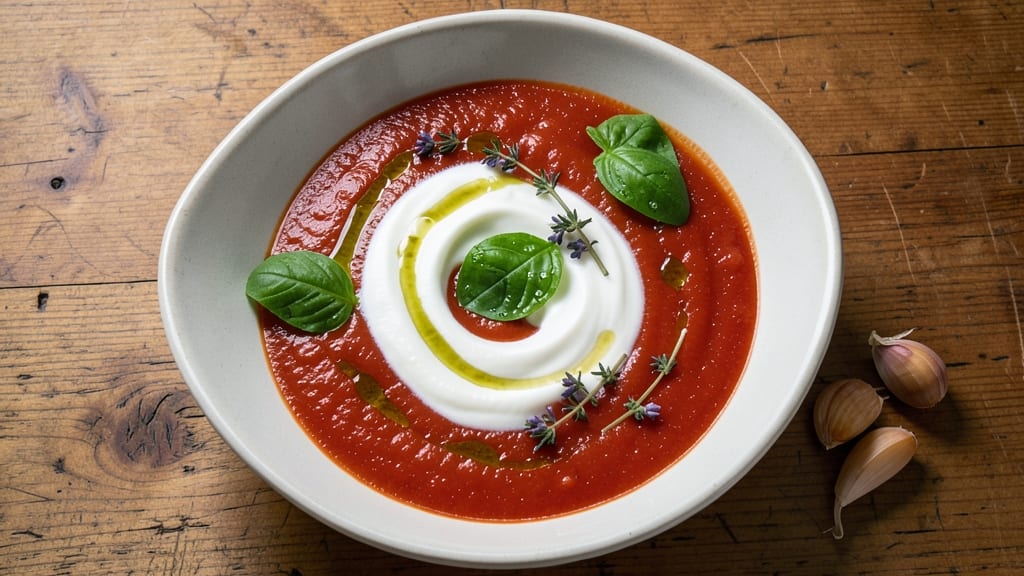
Transforming canned tomato soup into a restaurant-quality dish is easier than you think—this upgraded version adds fresh herb crunch and velvety texture without sacrificing convenience.
The secret lies in balancing the canned base with a touch of creaminess and aromatic herbs, while avoiding the common pitfalls of blandness or gummy consistency. I’ve perfected this method over years of testing, ensuring every spoonful delivers depth and satisfaction.
What sets this recipe apart is the foolproof technique for achieving a silky, well-seasoned soup that still cooks in under 20 minutes. A splash of heavy cream or half-and-half enriches the canned base, while fresh basil and thyme infuse bright, herbaceous notes.
The key is simmering gently to let flavors meld, never boiling, which prevents the soup from breaking or becoming watery.
By the end, you’ll have a rich, velvety tomato soup with vibrant herb garnishes that elevate it beyond the canned version. The texture is smooth yet substantial, with just the right balance of acidity and creaminess.
Serve it with grilled cheese sandwiches for a classic pairing, or alongside crusty bread for dipping—this soup transforms simple ingredients into something truly special.
This method works equally well for meal prep or last-minute dinners, making it a versatile addition to any recipe collection. The best part? You’ll never settle for plain canned soup again once you taste this upgraded version.
Ingredients for tomato soup recipe with canned tomato soup
Transform canned tomato soup into a velvety masterpiece with these 13 carefully selected ingredients.
| Ingredient | Amount | Notes |
|---|---|---|
| Canned Tomato Soup 🍅 | 2 cups | High-quality brand preferred |
| Heavy Cream 🥛 | ½ cup | Full-fat for velvety texture |
| Fresh Basil Leaves 🌿 | ½ cup | Packed, stems removed |
| Fresh Thyme Sprigs 🌿 | ¼ cup | Leaves only, finely chopped |
| Garlic Cloves 🧄 | 3 cloves | Minced for aromatic depth |
| Extra-Virgin Olive Oil 🫒 | 2 tbsp | For gentle simmering |
| Diamond Crystal Kosher Salt 🧂 | 1 tsp | Adjust to taste |
| Freshly Ground Black Pepper 🌶️ | ½ tsp | For subtle heat balance |
| Unsalted Butter 🧈 | 2 tbsp | For silky finish |
| Red Wine Vinegar 🍷 | 1 tbsp | Brightens acidity |
| Granulated Sugar 🍬 | 1 tsp | Balances acidity |
| Crusty Bread 🍞 | 4 slices | For serving |
| Parmesan Cheese 🧀 | ¼ cup | Freshly grated for garnish |
The quality of your canned tomato soup forms the foundation—Muir Glen or Hunt's are excellent choices, but avoid anything with added sugar or preservatives. Fresh herbs are non-negotiable here; Whole Foods Market or local farmers' markets typically carry the most vibrant basil and thyme. For the garlic, freshly minced delivers far superior flavor than pre-minced jars, which oxidize quickly. The heavy cream should be full-fat—anything less results in a watery texture. Store your herbs in damp paper towels in sealed containers to maintain freshness for up to 5 days.
No fresh basil? Dried basil at one-third the amount works in a pinch, though the texture won't be as luxurious. Swap heavy cream for half-and-half or coconut milk for a lighter version, though the richness will differ. Pre-minced garlic is acceptable if you're in a hurry, but peel and chop your own for optimal flavor. The red wine vinegar can be substituted with lemon juice or apple cider vinegar, though the flavor profile shifts slightly. For a dairy-free option, use coconut cream instead of heavy cream, though the soup will have a different mouthfeel. Always taste before serving—adjust salt, pepper, or vinegar as needed.
This soup reheats beautifully—simmer gently on the stove for 5-7 minutes to restore its silky texture. Store leftovers in airtight containers for up to 4 days in the refrigerator, though the flavor peaks within the first 2 days. For longer storage, freeze portions in ice cube trays for easy single-serving reheats. The crusty bread should be stored in a paper bag at room temperature to maintain crispness. Garnish with freshly grated Parmesan just before serving to preserve its sharp, nutty aroma.
Why You'll Love This Recipe
- Five-Ingredient Magic: I swear, this is the kind of recipe where you measure, stir, and suddenly—chef’s kiss—something restaurant-worthy. The canned soup handles the base work, so you’re left with just the fun part: simmering garlic until it’s golden, swirling in that heavy cream, and watching the basil turn the soup into liquid sunshine.
- Garlic-Cream Dream Team: Between us, the secret’s in the garlic and cream. You sauté those cloves until they’re soft but still have that hint of bite, then let the cream melt into the soup—it’s like a hug in a bowl. Fresh thyme and basil? That’s the cherry on top, turning a simple can into something that tastes like you spent hours (but you didn’t).
- Leftovers That Don’t Suck: Honestly, this soup begs to be made in bulk. The flavors actually get better the next day—deeper, richer, like it’s been marinating in its own deliciousness. Freeze half for lazy Mondays, or reheat it for a cozy night in. No sad, watery leftovers here.
- Weeknight Workhorse: My go-to when I’m exhausted but still crave something warm and satisfying. Toss it with grilled cheese for a classic combo, or serve it as-is with crusty bread—either way, it’s the kind of meal that makes you forget it took less time than ordering takeout. (Yes, even on a Tuesday night.)
Step-by-step instructions for upgraded canned tomato soup
Transform basic canned tomato soup into a restaurant-worthy dish with rich depth and vibrant herb notes.
Sauté Aromatics in Olive Oil
Heat the 2 tablespoons extra-virgin olive oil in a medium saucepan over medium heat until shimmering but not smoking. Add the 3 minced garlic cloves and cook for 30 seconds until fragrant—you'll smell that unmistakable garlic aroma that forms the soup's foundation.
Next, add the 0.25 cup finely chopped fresh thyme sprigs and cook for 1 minute, stirring constantly. The thyme leaves should soften slightly while releasing their earthy pine notes. This step builds the aromatic base that elevates the canned soup beyond its basic form. Remove from heat immediately after to prevent burning—thyme turns bitter quickly when overcooked.
Combine and Simmer the Soup Base
Return the pan to medium-low heat and pour in the 2 cups canned tomato soup, stirring gently to incorporate the aromatics. Add the 1 tablespoon red wine vinegar and 1 teaspoon granulated sugar, which will brighten the acidity while balancing the natural sweetness of the tomatoes.
Bring the mixture to a gentle simmer, then reduce heat to low and let it cook uncovered for 5 minutes. This allows the flavors to meld while preventing skin formation. Taste occasionally—you should detect the thyme's herbal complexity and the vinegar's tang cutting through the tomato's richness. If needed, adjust seasoning with 1 teaspoon diamond crystal kosher salt and 0.5 teaspoon freshly ground black pepper to your preference.
Incorporate Cream and Fresh Herbs
Reduce heat to lowest setting and slowly whisk in the 0.5 cup heavy cream in a thin stream. The cream will create a velvety texture while adding luxurious body. Add the 0.5 cup fresh basil leaves, torn into small pieces—this introduces a bright, sweet contrast to the earthy thyme and rich tomato.
Simmer gently for 2-3 minutes until the soup reaches your desired consistency. The cream should be fully incorporated without curdling. If the soup thickens too much, add 1-2 tablespoons hot water to achieve a smooth, spoonable texture. Remove from heat immediately after—any longer cooking risks breaking the cream's emulsion.
Finish with Butter and Garnish
Return the soup to low heat and whisk in the 2 tablespoons unsalted butter, cut into small pieces. The butter will melt into a silky finish, rounding out the flavors and adding a subtle richness. Let it heat through for 30 seconds while stirring constantly to prevent butter separation.
Ladle the finished soup into bowls and garnish immediately with 0.25 cup freshly grated parmesan cheese and an additional sprinkle of fresh basil leaves. Serve with 4 slices crusty bread on the side for dipping. The contrast between the warm, creamy soup and the bread's crisp texture creates the perfect balance.
Pro Tips For Making Tomato Soup Recipe With Canned Tomato Soup
- Warm the Cream First: Cold heavy cream will curdle your soup faster than you can say "oops." Heat it gently in a separate saucepan until it just starts to steam—about 2 minutes—then whisk it into the soup. I learned this the hard way when a batch split like a bad joke at a family dinner.
- Toast the Garlic: Skip the raw minced garlic—it’ll taste bitter and overpower the soup. Sauté 2-3 whole cloves in olive oil over medium heat until golden and fragrant (about 3 minutes), then crush them right into the soup. The aroma sticks better, and the flavor is richer.
- Don’t Overmix the Herbs: Fresh basil and thyme lose their brightness when they stew too long. Tear the basil leaves and add them last, stirring just enough to distribute. The thyme sprigs? Toss them in whole, then fish them out before serving—no one wants a mouthful of woody stems.
- Balance the Heat: Canned tomato soup can hide undergarments of salt or sugar. Taste before adding cream—if it’s too sweet, a splash of broth or a pinch of salt fixes it. If it’s too acidic, a spoonful of cream will smooth it out, but don’t drown it. The goal is harmony, not a dessert.
Serving suggestions for tomato soup recipe with canned tomato soup
Classic Grilled Cheese
This soup is legendary with grilled cheese sandwiches—the crispy, gooey combination is unbeatable. I use sourdough bread for its tangy bite and sharp cheddar mixed with Gruyère for depth. Toast the sandwiches in butter until golden brown, then cut diagonally for that perfect first bite. 🧀
Crusty Bread Dippers
Serve with crusty baguette slices or focaccia for dipping. Toast the bread lightly in the oven at 375°F for 5 minutes to enhance its crunch. The contrast of warm, creamy soup against crisp bread is pure comfort food magic.
For extra flair, sprinkle the bread with flaky sea salt before toasting.
Protein Pairings
Add crispy prosciutto or grilled chicken to turn this into a heartier meal. For prosciutto, layer it between the bread and cheese—it crisps beautifully when grilled. For chicken, use rotisserie chicken shredded into the soup or served on the side. The protein balances the soup's richness perfectly. 🍗
Herb-Infused Garnishes
Finish with fresh basil leaves torn by hand and grated Parmesan for a pop of color and flavor. For a smoky twist, add a pinch of smoked paprika or a drizzle of high-quality olive oil before serving. These garnishes elevate the dish from simple to sophisticated in seconds.
Wine and Beer Pairings
A glass of Pinot Noir complements the soup's creamy texture and herbal notes beautifully. For beer lovers, a crisp lager like Heineken or Peroni cuts through the richness without overpowering. Avoid heavy reds or overly hoppy beers—they can clash with the delicate flavors. 🍷
Make-Ahead Serving
Prepare the soup ahead of time and reheat gently on the stove—just bring it to a gentle simmer for 5-7 minutes to restore its velvety texture. Store leftovers in an airtight container for up to 4 days.
Garnish fresh before serving to keep the herbs vibrant and the Parmesan sharp. This makes it perfect for meal prep! ✨
Nutrition facts
Frequently asked questions
Can I substitute heavy cream for something lighter?
Yes! For a lighter version, use half-and-half or coconut milk—just know the texture will be slightly less rich. If you're avoiding dairy entirely, Greek yogurt (thinned with a splash of broth) works surprisingly well while keeping the soup creamy. The key is maintaining the velvety consistency by adjusting the liquid ratio slightly.
How do I prevent the soup from breaking or separating?
Never let the soup boil after adding cream—keep heat at lowest setting and whisk constantly. If you see curdling, immediately remove from heat and whisk in 1 tablespoon cold water to stabilize. For extra insurance, temper the cream by mixing it with a spoonful of hot soup before adding it all at once. The butter at the end also helps bind everything together.
Can I make this soup in a slow cooker?
Sauté the garlic and thyme first, then transfer everything to the slow cooker on low for 2-3 hours. Just add the cream and basil in the last 30 minutes to prevent curdling. The slow cooker method works beautifully for meal prep—simply reheat gently before serving to restore the creamy texture.
What's the best way to store leftovers?
Store in an airtight container for up to 4 days in the fridge. For longer storage, freeze portions in ice cube trays—just thaw overnight in the fridge before reheating. Always reheat gently on the stove (never microwave) to preserve the velvety texture. Garnish fresh before serving to keep the herbs vibrant.
Why does my soup taste bland compared to yours?
Most canned tomato soups lack depth—balance is key! Start with 1 tablespoon red wine vinegar and 1 teaspoon sugar to brighten flavors. Don't skip the butter at the end—it rounds out the taste. If your soup still tastes flat, try adding 1 teaspoon tomato paste or a pinch of smoked paprika for complexity. Fresh herbs make all the difference!