
Appetizers
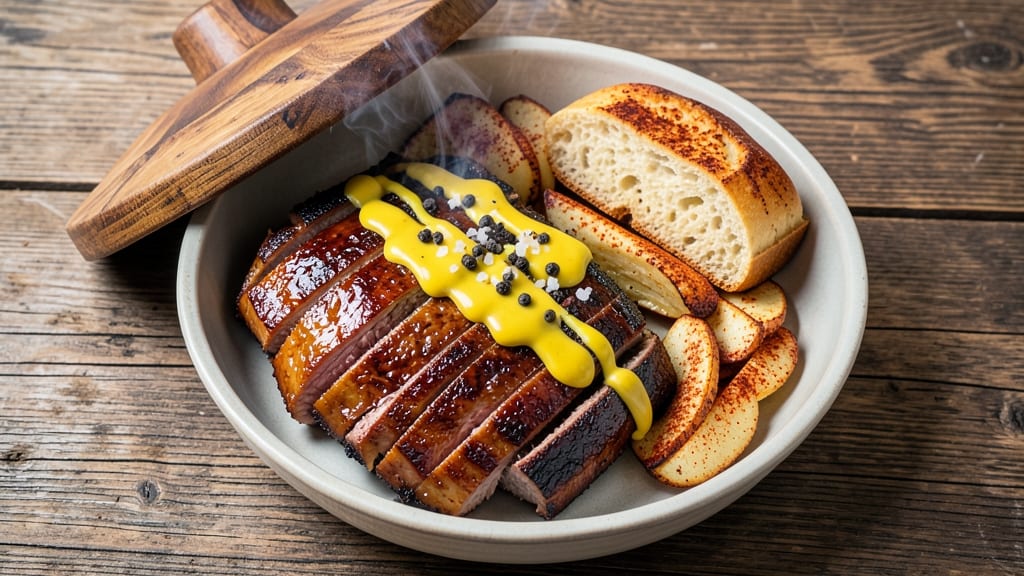
This Texas-style smoked beef brisket recipe delivers the legendary bark-crusted, fall-apart tenderness that defines Central Texas BBQ culture. The secret lies in a precise low-and-slow method using post oak wood, which creates that signature smoky depth and sweet caramelized bark.
I've perfected this technique over countless hours in the smoker, and it never fails to impress even the most discerning BBQ judges.
The process begins with a dry rub that clings to the meat like armor, creating that coveted dark crust while keeping the interior tender and juicy. Smoking at 225°F for 12-16 hours ensures the connective tissue breaks down completely, resulting in meat so tender it practically melts in your mouth.
The post oak wood isn't just for flavor—it's essential for achieving that authentic Texas BBQ profile that sets this recipe apart.
What you'll end up with is a brisket so perfectly smoked that the bark shatters like glass when you slice through it, revealing juicy, pink meat that's ready to serve.
The aroma alone will have your neighbors showing up uninvited, and every bite delivers that perfect balance of smoky, sweet, and savory flavors that define Texas BBQ. This isn't just another brisket recipe—it's the real deal, straight from the heart of Texas.
Serve it with classic Texas sides like creamy coleslaw, buttery cornbread, and pickled jalapeños for that complete BBQ experience. The presentation matters just as much as the cooking process, so we'll cover how to slice and serve it like a true Texas pitmaster. Let's get started on creating your masterpiece.
Ingredients for texas style smoked beef brisket
Six ingredients for the rub, eight pounds of beef, and a whole lot of patience.
| Ingredient | Amount | Notes |
|---|---|---|
| Beef Brisket 🥩 | 8 lb | Whole packer cut, fat cap intact |
| Yellow Mustard 🍯 | ¼ cup | For initial coating |
| Coarse Kosher Salt 🧂 | ½ cup | Diamond Crystal preferred |
| Black Peppercorns 🌶️ | 2 tbsp | Freshly cracked, coarse grind |
| Smoked Paprika 🌶️ | 2 tbsp | Honduran or Spanish style |
| Garlic Powder 🧄 | 1 tbsp | Fresh ground preferred |
| Onion Powder 🧅 | 1 tbsp | Not onion salt |
| Ground Black Pepper 🌶️ | 1 tbsp | Freshly ground |
| Chili Powder 🌶️ | 1 tbsp | Medium heat preferred |
| Brown Sugar 🍚 | 1 tbsp | Light or dark works |
| Post Oak Wood Chips 🌳 | 4 lb | Unseasoned, 1-2 inch chunks |
| Apple Juice 🍎 | 1 cup | For spritzing during smoke |
| Beef Tallow or Shortening 🧈 | ½ cup | For bark development |
The brisket is the star—8 pounds is perfect for a crowd, and you want the fat cap intact for flavor and moisture. Butcher shops often have the best cuts, but most grocery stores carry brisket now. Look for good marbling—those little white streaks of fat are what keep the meat tender. I usually buy mine from H-E-B or Whole Foods when I'm in Texas, but even the regular supermarket stuff works if it's fresh. The post oak wood? Traeger or Cookshack sell quality chips, but if you're near Central Texas, you can even forage your own. That smoky depth is non-negotiable for authentic Texas flavor.
No post oak chips? Pecan or hickory will get you close, though the flavor profile changes slightly. Running out of brown sugar? White sugar plus a pinch of cinnamon works in a pinch. The mustard is just for sticking the rub—don't skip it, but no need to go fancy. For the rub itself, Penzeys or McCormick have great pre-mixed options if you're short on time, but making it fresh gives you that restaurant-quality crunch. And trust me on the beef tallow—it's worth the extra minute to render it down for that perfect bark. If you can't find it, shortening or lard works too.
This brisket is a marathon, not a sprint. 12-16 hours in the smoker at 225°F, with apple juice spritzed every hour to keep it moist. The bark should be dark and crispy like glass when you slice it. Leftovers? 5 days in the fridge, but honestly, it's so good you won't have any. For serving, slice against the grain—that's the secret to tender bites. I always wrap portions in foil and freeze extras for lazy weeknights. The wood chips? Save any leftover ones in a sealed bag for your next smoke.
Why You'll Love This Recipe
- Smoke in Minutes: I swear, the hardest part is finding a good brisket—after that, it’s just salt, pepper, and a little mustard. No fancy rubs, no stressing over layers; just that deep, smoky flavor from the paprika and hours of low-and-slow magic.
- That Mustard Crust: Honestly, the yellow mustard isn’t just for flavor—it builds this golden, tangy crust that cracks like glass when you slice. One brush, and suddenly you’ve got restaurant-quality texture without the fuss.
- Tailgate to Tuesday: Between us, this brisket is my go-to for game days, potlucks, or lazy Sundays. Shred it for sandwiches, slice it for tacos, or just serve it as-is—it’s the kind of dish that disappears fast, no matter the occasion.
Step-by-step instructions for Texas-style smoked beef brisket
Here's how to smoke a brisket that delivers perfect bark and melt-in-your-mouth tenderness every time.
Prepare the Brisket with Mustard and Rub
Start by trimming the fat cap of the 8 lb beef brisket down to about ¼ inch thickness using a sharp boning knife. Leave the fat on the edges to protect the meat during smoking. In a small bowl, combine the 0.5 cup coarse kosher salt, 2 tbsp black peppercorns, 2 tbsp smoked paprika, 1 tbsp garlic powder, 1 tbsp onion powder, 1 tbsp ground black pepper, 1 tbsp chili powder, and 1 tbsp brown sugar. Grind the black peppercorns in a spice grinder for a fresh, coarse texture.
In a separate bowl, mix the 0.25 cup yellow mustard with the 0.5 cup beef tallow or shortening until fully combined. This mixture creates a sticky base that helps the rub adhere and promotes bark formation. Spread this mustard mixture all over the brisket, then press the spice rub firmly into every surface, including the fat cap. Place the brisket on a wire rack set over a tray and refrigerate uncovered for 12 to 24 hours. This dry-brining process ensures deep flavor penetration and crispy bark.
Set Up the Smoker for Low and Slow Cooking
Fill your smoker with the 4 lb post oak wood chips and soak them in water for 30 minutes before using. Preheat the smoker to 225°F using the post oak wood. I like to use a water pan in the smoker to maintain moisture levels during the long cook. Once the smoker reaches temperature and produces clean, blue smoke, place the brisket fat-side up on the smoker grates. This position allows the rendered fat to baste the meat as it cooks.
Close the smoker lid and resist the urge to open it during the first few hours. Every time you open the smoker, you lose heat and moisture, extending the cook time. Let the brisket smoke undisturbed for 6 to 8 hours, or until the internal temperature reaches 165°F. You'll notice the bark developing a dark mahogany color during this time, which is a good sign you're on the right track.
Spritz and Wrap for Perfect Texture
Once the brisket hits 165°F, it will enter "the stall," where the internal temperature stops rising as moisture evaporates. This is when you'll need to spritz the brisket with the 1 cup apple juice mixed with 1 tablespoon of the spice rub. I like to spritz every 30 minutes during the stall to keep the surface moist and prevent the bark from becoming too hard.
When the internal temperature reaches 195°F and the probe slides in easily with no resistance, it's time to wrap the brisket. Use pink butcher paper (not aluminum foil) to wrap the brisket tightly, leaving room for it to expand. The paper allows the bark to breathe while protecting the meat from drying out. Return the wrapped brisket to the smoker and continue cooking until the internal temperature reaches 203°F, which should take another 2 to 4 hours.
Rest and Slice for Maximum Juiciness
Remove the brisket from the smoker and let it rest in the butcher paper for at least 1 hour, preferably 2 hours. This resting period is crucial for allowing the juices to redistribute throughout the meat. During this time, the internal temperature will rise to around 208°F, ensuring a perfectly tender result.
Unwrap the brisket and locate the grain direction by looking for the lines running through the meat. Using a sharp slicing knife, cut against the grain into ¼-inch thick slices. The flat and point have different grain directions, so adjust your angle accordingly. Serve immediately while still warm, and enjoy the perfect balance of smoky flavor, tender texture, and crispy bark that defines Texas-style brisket.
Pro Tips For Making Texas Style Smoked Beef Brisket
- Trim the Fat Cap: Leave that thick layer of fat on the flat end—it’s your smoke shield and flavor anchor. I learned this the hard way after peeling mine off and ending up with a dry, over-smoked mess. That fat renders down into the meat as it cooks, keeping it juicy and rich.
- Mustard the Flat: Slather the yellow mustard only on the fat cap side before smoking. The acidity cuts through the fat, helping it render faster and creating a sticky crust that locks in moisture. Skip this, and you’ll end up with a brisket that’s tougher than a boot heel.
- Watch the Stall: When the smoker temp dips suddenly (around 160°F), that’s the stall—your meat’s way of saying, “Give me a break.” Wrap it in butcher paper right then and let it rest for 30 minutes before finishing. Ignore it, and you’ll dry out the brisket faster than a desert sun.
- Crust with Salt, Not Smoke: After the initial smoke, sprinkle a thick layer of coarse kosher salt on the meat and let it sit uncovered for 10 minutes. The salt draws out moisture, then reabsorbs as it cooks, creating a deep, crackling crust. I used to skip this, and my brisket always tasted bland—like it needed more seasoning. (It didn’t. It just needed this step.)
Serving suggestions for leftovers
Classic Texas Sides
No Texas brisket is complete without its classic sides. I always serve creamy coleslaw made with shredded cabbage, carrots, and a tangy dressing of mayonnaise, apple cider vinegar, and a pinch of cayenne pepper.
For a heartier option, buttery cornbread with honey butter adds that perfect sweet contrast to the smoky brisket. I like to use Jiffy cornbread mix for convenience, but homemade with stone-ground cornmeal elevates it to restaurant quality. 🥓
Pickled Jalapeños
Fresh pickled jalapeños are a must for cutting through the richness. I slice 6-8 jalapeños into rings, pack them into a jar with vinegar, sugar, salt, and garlic cloves, then refrigerate for at least 24 hours. The bright acidity and heat balance the brisket beautifully.
For extra flavor, add a few black peppercorns or a dash of smoked paprika to the brine. Serve them in a small bowl on the table for guests to add to their plates. 🌶️
Baked Beans
Slow-cooked baked beans are another Texas staple. I use canned navy beans or pinto beans simmered with bacon, onions, brown sugar, and molinillo chili powder for 4-6 hours until thick and tender. The smoky-sweet depth complements the brisket perfectly.
For a shortcut, I sometimes use Stove Top baking beans and doctor them up with extra spices and a splash of BBQ sauce. Serve them in a cast-iron skillet for that rustic touch. 🍲
Presentation Tips
When serving, I always slice the brisket against the grain into ¼-inch thick pieces and arrange it on a large platter. The dark mahogany bark should be visible, and the meat should glisten with natural juices. Place the sides in smaller bowls around the brisket for easy serving.
For a restaurant-style touch, drizzle any rendered juices from the butcher paper over the brisket before serving. A sprinkle of fresh parsley or chopped green onions adds a pop of color. 💫
Leftovers Strategy
If you have leftovers (which is unlikely, but happens), store them in an airtight container in the fridge for up to 5 days. Reheat slices in a skillet over medium heat with a splash of beef broth to keep them moist.
For sandwiches, use toasted brioche buns slathered with garlic aioli—this is how I eat my brisket the next day. Freeze extras in vacuum-sealed bags for up to 3 months. Just thaw overnight in the fridge before reheating. ❄️
Nutrition facts
Frequently asked questions
What makes post oak wood essential for authentic Texas brisket?
Post oak wood delivers that signature Central Texas BBQ profile with its balanced sweetness and subtle smokiness. Unlike hickory (which can overpower) or pecan (which adds nuttiness), post oak creates a clean, blue smoke that enhances the rub's flavors without masking them. Many Texas pitmasters swear by it for that "just right" balance of smoke and tenderness.
Why does the recipe call for resting the brisket for 2 hours?
Resting allows the meat's juices to redistribute evenly after cooking, preventing dry slices. When you cut into brisket too soon, those precious juices leak out, leaving you with tough, dry meat. The 2-hour rest (or at least 1 hour) ensures every bite stays succulent and moist—worth the wait!
Can I use aluminum foil instead of butcher paper for wrapping?
Technically yes, but butcher paper is preferred because it lets the bark "breathe" slightly while still trapping steam. Aluminum foil can make the bark soggy and dull the crust's texture. If you must use foil, opt for heavy-duty and leave a small vent to prevent moisture buildup.
How do I know when the brisket is done?
Use a meat thermometer—probe the thickest part of the flat (not touching bone). The brisket is done when it reaches 203°F internally, with the probe sliding in easily. The bark should be dark mahogany and crispy, and the point should pull apart like butter when tested with tongs.
What's the best way to reheat brisket leftovers?
Slice leftovers and reheat in a skillet over medium heat with a splash of beef broth to keep them moist. For sandwiches, warm slices in a toaster oven at 350°F for 5-7 minutes. Never microwave—it turns brisket rubbery. Store in an airtight container for up to 5 days.