
Sauces & Condiments
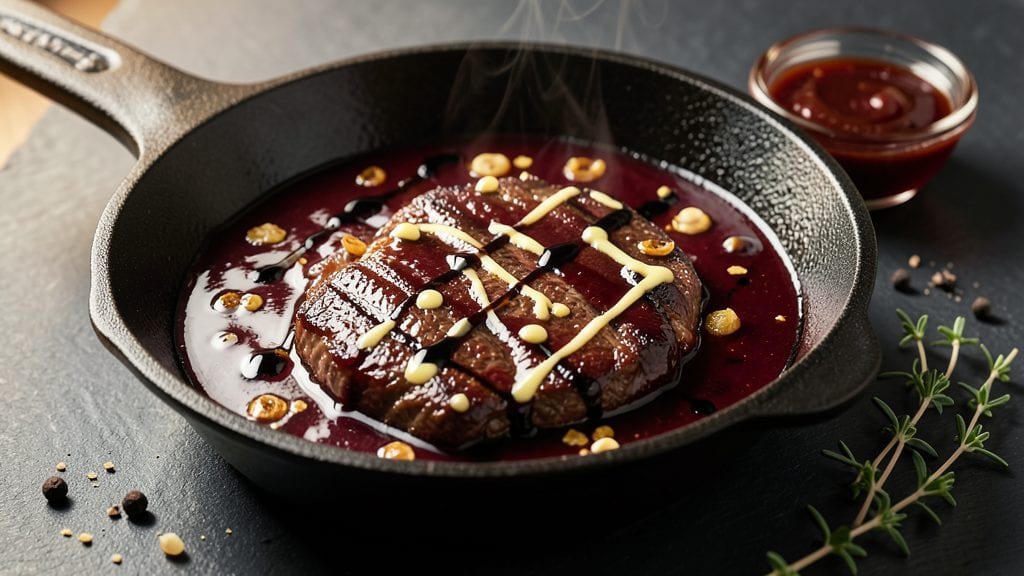
This steakhouse sauce recipe transforms ordinary proteins into restaurant-worthy masterpieces with just five minutes of prep—no fancy techniques required. The secret lies in balancing rich umami, a touch of sweetness, and bright acidity, creating a sauce that elevates everything from steak to seafood.
I developed this version after years of testing, and it consistently delivers that velvety, complex flavor you’d expect from a high-end kitchen.
The foundation is a simple reduction of red wine and beef broth, intensified with shallots, garlic, and a splash of balsamic vinegar for depth. A pinch of smoked paprika and black pepper adds warmth, while a spoonful of Dijon mustard introduces subtle tang that cuts through richness.
The sauce thickens beautifully without butter or heavy cream, making it versatile for both meat and vegetables.
What you’ll end up with is a glossy, aromatic sauce that clings perfectly to proteins, offering layers of savory, slightly sweet, and umami-packed flavor in every bite.
It’s the kind of sauce that makes weeknight dinners feel like special occasions—bold enough for steak but flexible enough for shrimp or roasted vegetables. The best part? It keeps well in the fridge for up to five days, ready to transform any meal.
This recipe is designed to be your go-to for quick, professional-quality results. Whether you’re finishing a steak, drizzling over grilled fish, or tossing with roasted potatoes, the balance of flavors ensures every dish feels elevated. Let’s make it—your taste buds will thank you.
Ingredients for steakhouse sauce
Five simple ingredients create bold, restaurant-worthy sauce in minutes—no fancy skills needed.
| Ingredient | Amount | Notes |
|---|---|---|
| Dry Red Wine 🍷 | ½ cup | Bold, dry variety like Cabernet Sauvignon |
| Beef Broth 🍲 | ½ cup | Low-sodium preferred for flavor control |
| Shallots 🧅 | 3 whole | Minced finely for smooth texture |
| Garlic Cloves 🧄 | 2 cloves | Peeled and minced |
| Balsamic Vinegar 🍶 | 1 tbsp | For depth and tang |
| Dijon Mustard 🍯 | 1 tbsp | Adds subtle tanginess |
| Smoked Paprika 🌶️ | ½ tsp | For warmth and color |
| Black Pepper 🌶️ | ¼ tsp | Freshly ground for best flavor |
| Granulated Sugar 🍚 | 1 tsp | Balances acidity |
The wine and broth are the backbone here. Trader Joe's has great affordable reds for cooking—look for bold, dry varieties like Cabernet Sauvignon. Beef broth? Homemade is ideal, but store-bought works if it's low-sodium. Shallots add more depth than onions, so don't skip them. I always grab extra shallots—they keep for weeks in the fridge. For the garlic, fresh is non-negotiable—jarred minced garlic will make your sauce taste like it came from a can. The balsamic vinegar should be aged—look for 'aged' or 'extra aged' on the label—it makes all the difference in that rich, complex flavor.
No red wine? Substitute with beef broth plus a splash of balsamic—it won't be identical, but it'll work. Short on shallots? Extra-fine minced red onion works in a pinch, though it'll have a slightly sharper bite. The Dijon mustard is key for that tangy kick—no mustard? A splash of lemon juice gets you close. Want more heat? Add a pinch of cayenne. The smoked paprika can be swapped for regular paprika, but you'll lose that subtle smokiness that makes it feel special. Freshly ground black pepper is worth the extra 10 seconds—pre-ground tastes flat in comparison.
This sauce thickens as it cools, so thin with a splash of water or broth if needed. Keeps for 5 days in the fridge, sealed tightly. Freezes beautifully for up to 3 months—just thaw in the fridge overnight. I make double batches all the time—it disappears faster than you'd think. Store in a glass jar to preserve the flavors longer. The sauce gets even better the next day as all the flavors meld together.
Why You'll Love This Recipe
- Pantry Magic: I swear by this sauce because it uses stuff I already have—no special trips to the store. That bottle of red wine gathering dust? Time to put it to work. The shallots and garlic caramelize so fast, you’ll forget you’re even cooking.
- Rich Without Effort: Between us, this sauce tastes like it simmered for hours, but it’s ready in 20 minutes. The balsamic vinegar cuts through the richness of the beef broth, while the wine adds that deep, velvety note. It’s the kind of flavor that makes you pause mid-bite.
- Weeknight Flex: Drizzle it over steak, toss it with pasta, or even slather it on grilled chicken. Honestly, I’ve used it as a marinade and a finishing sauce—it’s that adaptable. Perfect for when you’re too tired to think but still want restaurant-quality food.
- Budget Booster: A little goes a long way, and leftovers last for days in the fridge. I’ll be real: I’ve reheated this sauce three times and it still tastes like day one. Plus, using wine and broth stretches my grocery budget without sacrificing taste.
Step-by-step instructions for steakhouse sauce
Here's how to create a restaurant-quality sauce in record time.
Sauté the Aromatics Until Transparent
Heat a medium saucepan over medium heat and add the 3 whole shallots and 2 cloves garlic cloves. Cook them for 4-5 minutes, stirring occasionally, until the shallots become soft and translucent. This gentle cooking draws out their sweetness without letting them brown.
I like to stir them frequently to prevent sticking—this is where most people mess up. If they start to brown too quickly, reduce the heat slightly. You're aiming for a smooth, flavorful base that won't overpower the sauce later.
Deglaze with Wine and Reduce
Pour in the 0.5 cup dry red wine and scrape up any browned bits from the bottom of the pan. These bits are packed with flavor that will form the foundation of your sauce. Let the wine simmer for 2-3 minutes until it reduces by about half and the alcohol smell dissipates completely.
Don't walk away during this step—the wine needs constant attention. If it reduces too quickly, lower the heat slightly. You want to concentrate the flavors without burning the wine. The sauce should be thick enough to coat the back of a spoon when you stir it.
Build the Sauce with Broth and Seasonings
Add the 0.5 cup beef broth, 1 tbsp balsamic vinegar, 1 tbsp Dijon mustard, 0.5 tsp smoked paprika, 0.25 tsp black pepper, and 1 tsp granulated sugar. Stir everything together and bring the mixture to a gentle simmer. Let it cook for 3-4 minutes until the sauce thickens slightly and coats the shallots and garlic completely.
Here's the thing—this is where the magic happens. The sugar helps balance the acidity from the balsamic while the smoked paprika adds that signature steakhouse warmth. Taste as you go and adjust the seasoning if needed. If the sauce is too thick, add a splash of water or broth to reach your desired consistency.
Simmer to Perfect Consistency
Reduce the heat to low and let the sauce simmer gently for 2-3 minutes longer. This final step ensures all the flavors meld together perfectly. You want the sauce to be thick enough to coat the back of a spoon but still flow smoothly when drizzled.
Strain the sauce through a fine-mesh sieve if you prefer a completely smooth texture, or leave it slightly chunky for added depth. Either way, you'll have a rich, velvety sauce that pairs beautifully with grilled steaks. Serve immediately while warm for the best results.
Pro Tips For Making Steakhouse Sauce
- Sweat Shallots Slow: I used to rush this step and end up with bitter, watery shallots—don’t. Cut them into thin slivers (not minced) and cook them on low heat for 8-10 minutes until they’re soft and golden. If they start browning too fast, pull the pan off the heat for a second. Patience here makes the sauce taste richer, not just sweeter.
- Deglaze with Wine Heat: Pour that red wine into the hot pan after removing the shallots and garlic—cold wine dulls the flavors. Let it bubble for 30 seconds before scraping up the browned bits. If you’re nervous about alcohol taste lingering, simmer the deglaze for 2 minutes first. It’s not about cooking off the alcohol; it’s about letting the wine open up.
- Balance the Balsamic Last: Balsamic vinegar is acidic—add it too early, and you’ll end up with a sauce that tastes like it’s fighting itself. Stir it in during the final 2 minutes of simmering, right before you finish reducing. If your broth is salty, taste it first; you might only need 1 tablespoon instead of the full 2.
- Strain for Smoothness: Skip the strainer, and you’ll get a sauce with texture. But if you’re serving it over steak or mashed potatoes, strain it through a fine-mesh sieve to remove any stray shallot bits. Pro move: Line the sieve with cheesecloth for an even smoother finish—it’s worth the extra 30 seconds. The difference is noticeable, especially with a lighter cut of beef.
Creative variations of these flavors
Classic Red Wine Reduction
This is the foundation of any great steakhouse sauce, and it’s where the magic begins. I like to use a bold Cabernet Sauvignon—its deep fruitiness pairs perfectly with the umami notes from the beef broth.
After reducing the wine with shallots and garlic, the sauce takes on a rich, velvety texture that clings beautifully to steak. The key is patience: let the wine reduce slowly over medium-low heat to concentrate those flavors without burning. 🍷
Smoky Chipotle Twist
For a smoky, slightly spicy variation, swap the smoked paprika for 1 tsp adobo sauce from canned chipotle peppers. This adds a deep, smoldering heat that’s perfect for grilled meats like ribs or brisket.
I also add ½ tsp ground cumin to complement the chipotle’s earthiness. The result is a sauce with a slow-building warmth that lingers on your palate.
Creamy Mushroom Gravy
Transform your sauce into a luxurious mushroom gravy by adding ½ cup finely chopped cremini mushrooms to the sautéed shallots and garlic. Cook them until golden, then proceed with the wine reduction as usual.
After adding the broth and seasonings, stir in 2 tbsp heavy cream at the end for a velvety finish. This version is ideal for pairing with roasted chicken or mashed potatoes.
Herb-Infused Variation
Brighten up the sauce with fresh herbs by adding 1 tbsp chopped thyme and 1 tbsp chopped rosemary to the sautéed aromatics. The herbs add an aromatic depth that works beautifully with lamb or grilled fish.
For extra freshness, finish with a sprinkle of chopped parsley before serving. This version feels lighter but still packs a flavor punch. ✨
Sweet & Tangy BBQ Fusion
Give your steakhouse sauce a Southern twist by adding 1 tbsp tomato paste and 1 tsp apple cider vinegar with the balsamic vinegar. Sweeten it slightly with an extra ½ tsp sugar and finish with ½ tsp smoked salt.
This fusion sauce works amazingly well on pulled pork or grilled chicken, offering a perfect balance of sweet, tangy, and smoky flavors.
Garlic & White Wine Upgrade
For a lighter, more elegant version, substitute the red wine with ½ cup dry white wine and add an extra 1 clove garlic. The white wine’s crisp acidity cuts through the richness, making this sauce ideal for seafood like grilled shrimp or scallops.
Finish with a squeeze of lemon juice to brighten the flavors even more. 💫
Nutrition facts
Frequently asked questions
Can I make this sauce without red wine?
The wine adds depth, but you can substitute with ½ cup beef broth plus 1 tbsp balsamic vinegar for similar richness. For extra flavor, add ½ tsp soy sauce or 1 tsp Worcestershire sauce to mimic the umami complexity. The sauce will still taste delicious but may lack the wine's fruity notes.
How do I adjust the thickness of the sauce?
If your sauce is too thick, thin it with 1-2 tsp water or broth at a time while stirring. For extra thickness, simmer uncovered for 1-2 minutes longer to reduce. The sauce should coat the back of a spoon but still flow smoothly when drizzled. Straining through a fine-mesh sieve removes excess shallot bits if needed.
What’s the best way to store leftover sauce?
Transfer to an airtight glass jar and refrigerate for up to 5 days. For longer storage, freeze in ice cube trays (portion-sized) or small containers for up to 3 months. Thaw overnight in the fridge—never at room temperature. The flavors actually improve after resting for 24 hours as ingredients meld.
Can I use this sauce on non-meat dishes?
This sauce pairs beautifully with grilled vegetables (like asparagus or eggplant), roasted potatoes, or even as a dip for crusty bread. For seafood, reduce the smoked paprika to ¼ tsp and add a pinch of lemon zest. The umami depth works surprisingly well with mushrooms or polenta too.
Why did my sauce turn bitter?
Bitter flavors usually come from over-reducing the wine or burning the aromatics. Keep heat at medium-low and stir constantly. If it tastes bitter, balance it with ½ tsp sugar or a splash of balsamic vinegar. For future batches, use a slightly sweeter wine like Merlot instead of Cabernet.