
Side Dishes
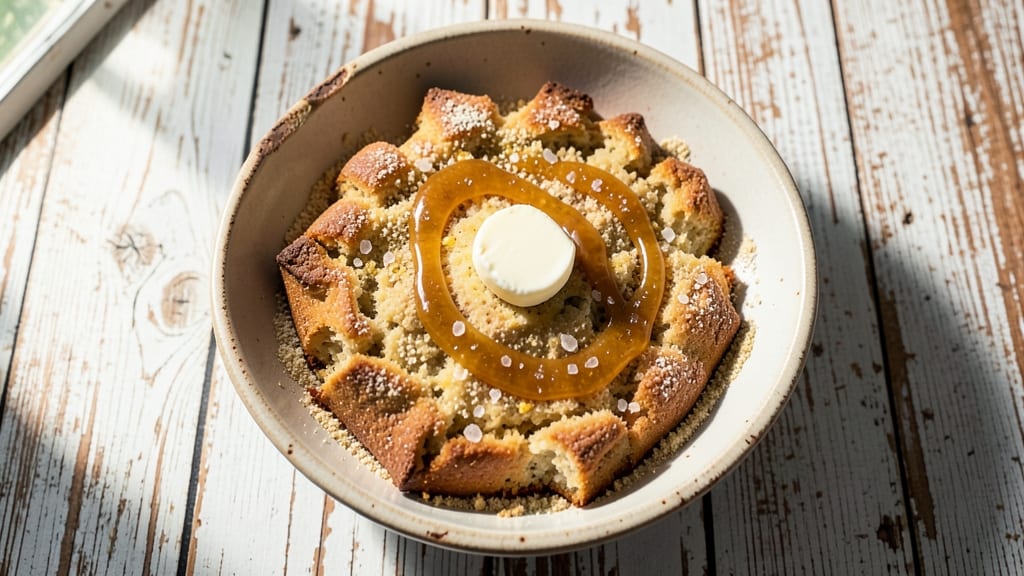
This Southern sourdough cornbread recipe transforms the classic bread into a tangy, airy masterpiece with crispy edges—just like Grandma used to make. The secret lies in the sourdough starter, which adds depth and makes every bite more complex than traditional recipes.
I’ve perfected this version after years of testing, ensuring the crust stays golden and the center remains tender with just the right amount of sweetness.
What sets this cornbread apart is the balance of techniques: a cast-iron skillet for that signature Southern crunch, a touch of honey to complement the tang, and a long rise to develop flavor. No shortcuts here—just the kind of slow-cooked, flavor-rich dish that elevates any meal.
The buttery richness of the crust contrasts beautifully with the subtle sour notes from the starter, creating a texture that’s impossible to resist.
By the time you pull it from the oven, you’ll have a loaf with a crackly top, a moist interior, and a depth of flavor that rivals anything you’d find at a Southern diner.
It pairs perfectly with chili, BBQ, or even a simple bowl of soup. The best part? Once you try this version, you’ll never go back to boxed cornbread again.
Ready to master this technique? Let’s get started—your kitchen (and taste buds) will thank you.
Ingredients for southern sourdough co bread
Your pantry already has most of this—just add the tangy magic of sourdough.
| Ingredient | Amount | Notes |
|---|---|---|
| Active Sourdough Starter 🍞 | ½ cup | Unfed, bubbly starter (100% hydration) |
| All-Purpose Flour 🌾 | 1 ½ cups | White flour, spooned and leveled |
| Fine Yellow Cornmeal 🌽 | ½ cup | For dusting and coating |
| Granulated Sugar 🍚 | ¼ cup | Light brown sugar works too |
| Honey 🍯 | ¼ cup | Wildflower preferred (avoid clover) |
| Unsalted Butter 🧈 | ½ cup | Cold, cubed for texture |
| Large Eggs 🥚 | 1 whole | Room temperature |
| Baking Powder 🧂 | 1 ½ tsp | Aluminum-free preferred |
| Salt 🧂 | ½ tsp | Fine sea salt |
| Milk 🥛 | ½ cup | Whole milk for richness |
| Buttermilk 🥛 | ½ cup | Fresh, not powdered |
| Vanilla Extract 🌿 | 1 tsp | Pure vanilla preferred |
The sourdough starter is non-negotiable here. King Arthur or Bob's Red Mill flours work best for texture, but any all-purpose will do. For the starter, I use a 100% hydration feed—just flour and water, no sugar. If yours isn’t bubbly, feed it once before using. The honey adds depth, so grab local wildflower if you can—it’s got more complexity than store-bought. For the butter, Plugrá or Land O’Lakes are solid choices, but any unsalted will work. Don’t melt it—keep those cold cubes for that perfect crumb.
No sourdough starter? 1 tsp apple cider vinegar plus 1 tsp baking soda mimics the tang in a pinch. Short on honey? Maple syrup at the same amount works, but honey’s floral notes are worth it. The cornmeal can be swapped for polenta or grits if that’s what’s in your cabinet. For the milk/buttermilk combo, heavy cream plus a splash of vinegar is a decent stand-in. The vanilla? Vanilla bean paste adds flecks that make it feel extra special. And if you’re in a bind, vanilla sugar works too—just reduce the granulated sugar by 1 tbsp.
This batter needs time—let it rest for at least 30 minutes before baking. The cast-iron skillet should be preheated for 10 minutes before pouring. Leftovers? They’re rare, but this reheats beautifully—350°F for 10 minutes with a splash of milk. For extra crisp, store in an airtight container with a paper towel to keep it dry. Freezes well too—up to 3 months if wrapped tightly. I like to slice it fresh before serving, but you can toast it for a crispy breakfast treat.
Why You'll Love This Recipe
- No-Knead Magic: I swear by this dough—just mix, let it rise, and bake. The sourdough starter does all the heavy lifting while you sip coffee or scroll through your phone.
- Sweet & Savory Crunch: That cornmeal crust? It’s the star. The honey and sugar caramelize just enough to balance the tangy sourdough, and the crunch stays crisp even after days.
- Breakfast to Brunch: I make a batch on Sundays and slice it for toast, French toast, or even a quick breakfast sandwich. The leftovers keep well, so it’s my go-to for lazy mornings.
- Budget-Friendly Staple: Flour, cornmeal, and honey are pantry basics. One batch feeds my family for days, and the sourdough starter stretches further than store-bought. Frugal? Yes. Delicious? Absolutely.
Step-by-step instructions for Southern sourdough CO bread
Here's how to craft this golden-crusted loaf with a tender crumb and tangy depth.
Mix the Wet Ingredients for Maximum Flavor
In a medium bowl, combine the 0.5 cup active sourdough starter, 0.5 cup milk, 0.5 cup buttermilk, 1 whole large egg, 1 tsp vanilla extract, 0.25 cup honey, and 0.25 cup granulated sugar. Whisk vigorously until the mixture is completely smooth and the honey is fully dissolved. You'll notice the batter thicken slightly as the sourdough activates and the egg incorporates.
Here's the thing—this is where the magic begins. The sourdough starter needs time to awaken, so let this mixture sit at room temperature for 10 minutes while you prepare the dry ingredients. The bubbles should start forming on the surface, indicating the fermentation is working. If you don't see bubbles after 10 minutes, give it another 5 minutes—patience here ensures that tangy depth we're after.
Combine Dry Ingredients and Create the Dough
In a separate large bowl, whisk together the 1.5 cups all-purpose flour, 1.5 tsp baking powder, and 0.5 tsp salt. Sift this mixture once through a fine-mesh strainer to aerate the flour—this creates pockets for the dough to rise beautifully. The baking powder is crucial here; it's what gives this bread its signature lift.
Pour the wet mixture into the dry ingredients and stir gently with a wooden spoon until just combined. You'll see a shaggy dough form, but don't worry if it looks dry or crumbly at this stage. Add the 0.5 cup cold unsalted butter, cut into small cubes, and use your hands to work it into the dough until fully incorporated. The butter should be cold enough to hold its shape but soft enough to mix in smoothly. If the dough feels too sticky, add 1 tablespoon of the all-purpose flour at a time until it comes together.
Knead and Shape for Texture
Lightly dust a clean surface with 0.25 cup fine yellow cornmeal and turn out the dough. Sprinkle the remaining 0.25 cup fine yellow cornmeal over the dough. Knead gently for 3-4 minutes until the dough is smooth and elastic. You're not looking for a windowpane test here—just enough structure to hold its shape when baked. The cornmeal not only prevents sticking but also adds that signature crunch to the crust.
Shape the dough into a round loaf about 2 inches thick and place it on a parchment-lined baking sheet. Cover loosely with plastic wrap and let it rise at room temperature for 1 hour. You'll know it's ready when the dough has puffed up by about 50% and looks slightly domed. If you press your finger gently into the dough and it springs back slowly, it's perfect. If it springs back quickly, give it another 15-20 minutes—this ensures a light, airy crumb.
Bake to Golden Perfection
Preheat your oven to 375°F and place a small baking dish filled with 1 cup hot water on the lower rack. This creates steam, which is key for that crispy crust and tender crumb. Once the oven is fully preheated, bake the loaf for 25-30 minutes until the top is deep golden brown and the internal temperature reaches 190°F when measured with an instant-read thermometer.
Here's where it gets exciting—the crust should be crackling and slightly crisp, with a beautiful caramelized color. If the top browns too quickly, tent the loaf loosely with aluminum foil after 15 minutes to prevent over-browning while the interior finishes baking. The bread is done when it sounds hollow when tapped on the bottom, and the edges pull away from the pan easily. Let it cool on a wire rack for at least 30 minutes before slicing—this allows the crumb to set and prevents a gummy texture.
Pro Tips For Making Southern Sourdough Co Bread
- Toast the Cornmeal: DESCRIPTION:
- Feed Your Starter Well: DESCRIPTION:
- Don’t Overmix the Dough: DESCRIPTION:
- Bake Until Golden, Not Just Brown: DESCRIPTION:
Pro cooking tips for this dish
Starter Activation
The sourdough starter is the soul of this recipe, so don’t skip the 10-minute rest after mixing wet ingredients. Place your bowl in a warm spot—like a turned-off oven with the light on—to encourage bubble formation.
I’ve found that 75°F is ideal for this stage. If your kitchen is cooler, pop the bowl near the stove (not on heat) or use a proofing box set to 80°F. 💡
Butter Temperature
Cold butter is non-negotiable for that perfect crumb. Cut ½ cup unsalted butter into ¼-inch cubes and chill for 20 minutes before mixing. If your kitchen is warm, place the butter in the freezer for 10 minutes first.
The butter should hold its shape when pressed but soften slightly when handled. Overworked butter releases too much fat, making the bread greasy instead of tender. 🧈
Cornmeal Crust Secret
For that signature Southern crunch, dust your work surface and dough with ½ cup fine yellow cornmeal—not grits or coarse meal. The fine texture coats the dough evenly, creating a crispy, golden crust. I like to use Bob’s Red Mill brand because it’s finely ground and consistent.
If you’re short on cornmeal, a mix of all-purpose flour and cornstarch (1:1 ratio) works in a pinch, but the flavor won’t be as authentic. 🌽
Rise Time Matters
A 1-hour rise at room temperature is ideal, but don’t rush it. The dough should puff 50% and feel springy when pressed gently. If your kitchen is above 75°F, reduce rise time to 45 minutes to avoid overproofing.
For cooler kitchens, extend to 1 hour 15 minutes. Overproofed dough collapses during baking, while underproofed dough stays dense. Tap the dough lightly—if it springs back slowly, it’s ready. ⏰
Steam for Crust
The 1 cup hot water in the oven isn’t just for show—it creates steam that mimics a bread basket’s humidity. Place the water in a small baking dish on the lower rack 10 minutes before baking to let it heat up.
This steam helps develop that crackly crust while keeping the interior moist. For extra insurance, spray the loaf with water mist right before baking. 🌡️
Internal Temp Check
An instant-read thermometer is your best friend here. The bread is done when the center hits 190°F, but don’t rely solely on color. The edges might look golden while the inside stays doughy.
If you don’t have a thermometer, tap the bottom—it should sound hollow. Let it cool for 30 minutes before slicing, or the crumb will be gummy. Patience here makes all the difference! 💪
Nutrition facts
Frequently asked questions
Why does this cornbread need a sourdough starter?
The sourdough starter adds a complex, tangy depth that traditional cornbread lacks. It creates natural leavening that improves texture and flavor over time, giving you that authentic Southern taste. Without it, you miss the signature depth that makes this recipe stand out.
Can I make this without a cast-iron skillet?
Yes, but you’ll lose that signature crispy crust. Use a heavy oven-safe skillet or a well-seasoned baking dish. Preheat it for 10 minutes before pouring the batter, and place a baking tray with 1 cup hot water on the lower rack to create steam for browning.
How do I know when the dough is properly risen?
The dough should puff up by about 50% and feel springy when pressed gently. If it springs back quickly, it needs more time. For cooler kitchens, extend the rise to 1 hour 15 minutes. Overproofed dough collapses during baking, while underproofed dough stays dense.
What’s the best way to store leftovers?
Store in an airtight container with a paper towel to keep it dry. Reheat slices at 350°F for 10 minutes with a splash of milk for extra moisture. This bread freezes well too—wrap tightly and store for up to 3 months. Thaw at room temperature before reheating.
Can I substitute honey with something else?
Yes! Use maple syrup or agave nectar in a 1:1 ratio, but honey’s floral notes add complexity. For a neutral sweetener, try brown sugar (reduce by 1 tbsp if using). The sweetness balances the sourdough’s tang, so adjust to taste.