
Desserts
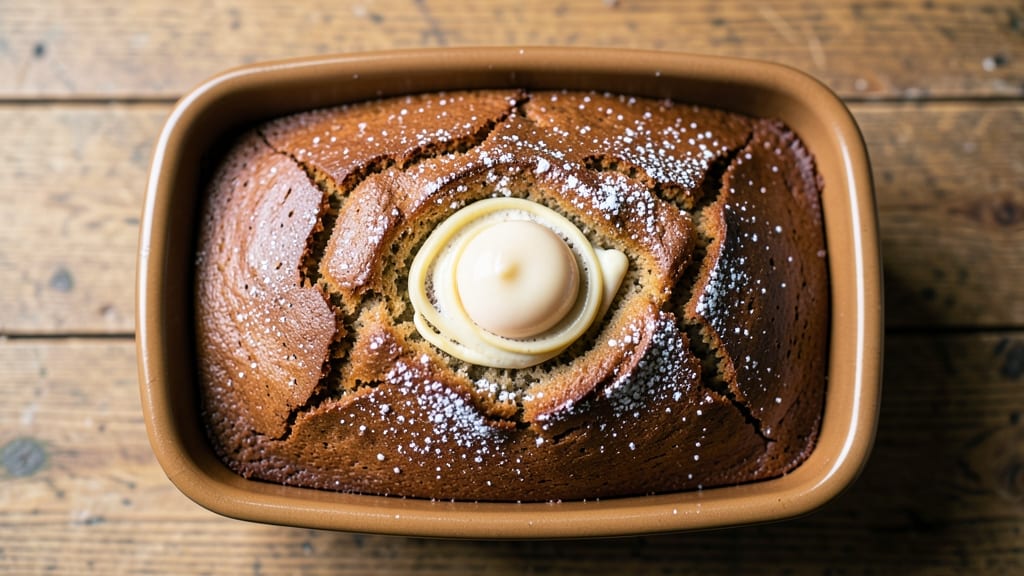
This sourdough pound cake recipe transforms a simple dessert into something extraordinary with its tangy fermented crust and ultra-moist crumb. The secret lies in the sourdough starter, which adds depth and moisture that traditional pound cakes can't match.
I developed this recipe after years of experimenting with fermentation techniques, and the results speak for themselves—rich, buttery layers with a subtle tang that lingers.
The beauty of this cake is its versatility. You can keep it classic with vanilla and butter, or elevate it with citrus zest and spices like cardamom. The sourdough starter not only enhances flavor but also creates a tender crumb that stays moist for days.
Unlike dense pound cakes, this version is light yet substantial, with a golden crust that crackles just enough to hold your attention.
What sets this recipe apart is the balance of techniques: a precise mix of dry ingredients, a gentle folding method to maintain air pockets, and a baking process that ensures even heat distribution.
The result is a cake with a crisp exterior and a velvety interior, where every bite delivers that signature sourdough tang. Perfect for celebrations or a cozy afternoon treat, this cake proves that fermentation can elevate even the simplest desserts.
Whether you're a seasoned baker or new to sourdough, this recipe delivers professional results with straightforward steps. The key is patience—letting the starter activate fully and the batter rest before baking.
Trust the process, and you'll end up with a cake that's as impressive as it is delicious. Let's get started on creating something truly special.
Ingredients for sourdough pound cake
Twelve ingredients, one transformative dessert—where sourdough's tang meets pound cake's richness.
| Ingredient | Amount | Notes |
|---|---|---|
| Active Sourdough Starter 🍞 | 1 cup | 100% hydration, bubbly and active |
| Unsalted Butter 🧈 | 1 ½ cups | Cold, cubed, high-fat percentage |
| Granulated Sugar 🍚 | 1 ½ cups | Superfine preferred for even texture |
| All-Purpose Flour 🌾 | 3 cups | Sifted, medium protein (10-11%) |
| Whole Milk 🥛 | 1 cup | Room temperature, full-fat preferred |
| Large Eggs 🥚 | 4 whole | Room temperature, separated |
| Pure Vanilla Extract 🌿 | 2 tbsp | Bourbon or Madagascar preferred |
| Baking Powder 🧂 | 1 tsp | Aluminum-free for tangy crust |
| Salt 🧂 | ½ tsp | Fine sea salt, kosher preferred |
| Lemon Zest 🍋 | 1 tbsp | Fresh, organic preferred |
| Cardamom Pods 🌿 | 10 whole | Crushed, aromatic variety |
| Cornstarch 🌾 | 2 tbsp | For ultra-moist crumb texture |
| Turbinado Sugar 🍚 | ¼ cup | Coarse, for crust decoration |
The sourdough starter is non-negotiable here—King Arthur or a well-fed home starter work best. Look for one that's bubbly and doubles in size within 4-6 hours when fed. Whole Foods or local bakeries often carry high-quality starters if you're not maintaining your own. For butter, Plugrá or Land O'Lakes cultured add subtle tang, but any high-fat (80%+) butter works. The flour should be medium-protein (10-11%)—King Arthur or Gold Medal are reliable choices. Cardamom? Safran or Frontier Co-op sell premium pods that release more aroma when crushed. Lemon zest should be bright yellow, not green—that means it's fresh and potent.
No sourdough starter? Substitute with 1 cup buttermilk plus 1 tsp apple cider vinegar, though the tang will be milder. Out of vanilla? Almond extract at half the amount works, but the flavor profile shifts. For cardamom, 1 tsp ground cardamom is a direct swap, though it lacks the whole pod's complexity. The cornstarch can be replaced with 2 tbsp arrowroot powder if needed. Turbinado sugar substitutes? Brown sugar plus 1 tsp water mimics the moisture content. Always sift your flour and powder—this cake rewards attention to texture. Pre-whipped egg whites? Fold them in last to maintain air pockets.
Store the batter in the fridge for up to 24 hours—it actually improves overnight. Once baked, keep at room temperature in an airtight container for 3 days for peak moisture. For longer storage, wrap tightly in plastic and freeze for up to 3 months. To reheat, wrap slices in a damp paper towel and microwave for 10 seconds. The crust stays crisp for 12 hours at room temperature, so slice just before serving. For serving, dust with powdered sugar or drizzle with warmed honey butter—both complement the sourdough tang beautifully.
Why You'll Love This Recipe
- No Mixer Needed: I swear by this—just fold the sourdough starter into the butter and sugar until it’s just combined. No overworking, no stress, and the crumb comes out tender without a single electric beat.
- Tangy Sweet Magic: That sourdough starter? It’s the secret weapon—bright, buttery, with a subtle tang that cuts through the sugar. The milk keeps it moist, but the butter? Oh, it’s rich enough to make you close your eyes the first bite.
- Weekday to Weekend: Slice it for breakfast with jam, cube it for a coffee cake, or serve it plain with tea. Honestly, I’ve even tossed it into a trifle when I’m lazy. The flour and sugar ratio means it’s sturdy enough to handle whatever you throw at it.
- Budget-Friendly Luxury: You’re using pantry staples here—no specialty ingredients, just good basics. A single batch feeds four for days, and the leftovers? Perfect for toast or French toast the next morning. (Yes, even on a Tuesday night.)
Step-by-step instructions for sourdough pound cake
A tangy, ultra-moist pound cake with a signature fermented crust—here's how to bake it perfectly every time.
Prepare the Sourdough Leaven and Mix Wet Ingredients
First, transfer the 1 cup active sourdough starter to a medium bowl. I like to stir in 1 cup whole milk and 1.5 cups granulated sugar until fully combined—this creates a smooth, slightly tangy leaven that will develop the cake's signature flavor. Let this mixture sit at room temperature for 15 minutes while you prepare the remaining ingredients.
In a separate large mixing bowl, beat the 1.5 cups unsalted butter and 4 whole large eggs on medium speed until light and fluffy, about 3-4 minutes. This step is crucial for achieving that tender, moist crumb. Add the 2 tablespoons pure vanilla extract and 1 tablespoon lemon zest, mixing until fully incorporated. The butter should be pale and nearly tripled in volume—this ensures proper aeration for a light texture.
Combine Dry Ingredients and Fold Gently
In a separate bowl, whisk together the 3 cups all-purpose flour, 2 tablespoons cornstarch, 1 teaspoon baking powder, and 0.5 teaspoon salt. I always sift the flour first to avoid lumps, which can lead to a dense cake. Add the crushed 10 whole cardamom pods to the dry mixture and stir well to distribute the aroma evenly.
With the mixer on low speed, gradually add the dry ingredients to the wet mixture. Mix just until combined—you should still see small streaks of flour. Overmixing develops gluten, which can make the cake tough. Once incorporated, fold in the sourdough-leaven mixture from Step 1 using a spatula. The batter should be thick but pourable, with a slight tang from the starter.
Prepare the Pan and Bake for Moist Perfection
Preheat your oven to 350°F. Generously grease a 10-inch tube pan with butter or line it with parchment paper to prevent sticking. Pour the batter into the prepared pan and smooth the top with a spatula. Sprinkle the 0.25 cup turbinado sugar evenly over the batter for a caramelized crust.
Bake for 50-60 minutes, or until a toothpick inserted into the center comes out clean. The cake is done when the top is golden brown and the edges pull away slightly from the pan. For even baking, rotate the pan halfway through the baking time. The cornstarch in the batter helps retain moisture, ensuring a tender crumb even after cooling.
Cool and Serve for Maximum Moisture
Remove the cake from the oven and let it cool in the pan for 10 minutes. Then, transfer it to a wire rack to cool completely. This gradual cooling prevents the cake from becoming gummy or collapsing. The sourdough starter contributes a subtle tang that brightens the sweetness, while the cardamom adds a warm, aromatic depth.
Slice the cake when fully cooled for clean, moist pieces. The texture should be tender yet slightly dense, with a crisp crust from the turbinado sugar. Serve at room temperature for the best experience—this cake keeps well for up to 3 days in an airtight container, though it's best enjoyed fresh.
Pro Tips For Making Sourdough Pound Cake
- Bake at 325°F—Not Hotter: The sourdough starter’s acidity makes this cake rise fast but collapse if overcooked. I learned this the hard way—350°F turns the top rubbery before the center sets. Use an oven thermometer to confirm, and if your kitchen runs hot, lower to 300°F for the last 15 minutes.
- Whip Butter and Sugar Until Pale: Stop when the mixture looks like wet sand, not glossy. That’s the sweet spot for tenderness—overwhipping adds air, but underwhipping leaves it dense. I used to rush this, and the cake always felt heavy. Take the extra 2 minutes; your crumb will thank you.
- Weigh Your Flour—Don’t Scoop: Sourdough cake batter is unforgiving with volume measurements. Packed cups or aerated flour throws off the ratio of starter to flour, and the rise suffers. Use a scale for precision—1 cup all-purpose flour is 125g, not 130g or 110g.
- Let the Batter Rest: After mixing, let it sit 10–15 minutes before baking. The starter’s bubbles need time to relax and distribute evenly—skipping this leads to a domed, uneven top. Cover the bowl loosely with plastic wrap, and resist the urge to poke or stir. Patience here makes all the difference.
Perfect pairings for this dish
Citrus Glaze Magic
Brighten every slice with a simple orange or lemon glaze made from ½ cup powdered sugar, 2 tbsp fresh orange juice, and 1 tsp lemon zest. Warm the juice slightly, then whisk into the powdered sugar until smooth.
Drizzle over cooled cake slices—this enhances the sourdough tang while adding a refreshing citrus note. For extra flair, add edible gold leaf or a sprinkle of toasted coconut flakes for texture contrast. 🍊
Creamy Cheese Frosting
Pair with a cream cheese frosting that balances the cake’s richness. Mix 8 oz cream cheese (softened), ½ cup butter, 2 cups powdered sugar, and 1 tsp vanilla extract until smooth. Spread between layers or top the entire cake.
For a tangy twist, fold in 1 tbsp sour cream to complement the sourdough’s fermentation. Chill the frosting for 30 minutes before serving to achieve perfect pipeability. 🧀
Spiced Whipped Cream
Whipped cream gets an upgrade with cardamom and cinnamon. Whisk 2 cups heavy cream (chilled) with 2 tbsp powdered sugar, 1 tsp vanilla extract, and ½ tsp ground cardamom until stiff peaks form. Fold in ¼ tsp cinnamon for warmth.
Serve alongside cake slices or as a topping—this adds a light, airy contrast to the dense crumb. Store whipped cream in an airtight container for up to 4 hours in the fridge. ❄️
Warm Compote Pairing
Balance the cake’s sweetness with a warm berry compote. Simmer 1 cup mixed berries (raspberries, blackberries, or strawberries), 2 tbsp sugar, and 1 tsp lemon juice until thickened (5-7 minutes).
Strain seeds if preferred. Serve warm alongside cake slices—the acidity cuts through the butter and sourdough tang beautifully. For a boozy twist, add 1 tbsp brandy or bourbon to the compote. 🍓
Coffee or Tea Pairings
This cake’s caramelized crust and spiced notes pair perfectly with dark roast coffee or Earl Grey tea. A French press with medium-dark roast beans (like Kicking Horse or Peet’s Major Dickason’s Blend) highlights the cardamom and sourdough depth.
For tea lovers, Earl Grey’s bergamot complements the citrus zest, while chai tea enhances the warm spices. Serve coffee at 185°F for optimal flavor extraction. ☕
Alcohol Elevations
Elevate with a bourbon or rum glaze for adults. Reduce ½ cup bourbon (like Buffalo Trace) with ¼ cup sugar until syrupy (3-4 minutes), then drizzle over cake slices.
For rum lovers, mix ¼ cup dark rum (like Appleton Estate) with 2 tbsp honey and 1 tsp vanilla extract—this adds a molasses-like richness. Pair with a smoky mezcal cocktail for a sophisticated dessert experience. 🍹
Nutrition facts
Frequently asked questions
What makes this sourdough pound cake different from traditional pound cakes?
The sourdough starter adds a subtle tang and improves moisture retention, creating a lighter crumb that stays fresh longer. Unlike classic pound cakes, this version has a crisp crust from turbinado sugar while maintaining a velvety interior. The fermentation process also enhances the flavor complexity, making it taste more sophisticated.
Can I use a store-bought sourdough starter instead of making my own?
Look for an active, bubbly starter at specialty bakeries or grocery stores. It should double in size within 4-6 hours after feeding. Just ensure it's at least 100% hydration (equal parts flour and water) for best results. If unsure, test it by mixing with flour and water—it should bubble vigorously within 2 hours.
Why does my cake turn out dense instead of moist?
Overmixing the batter develops gluten, making the cake tough. Mix dry ingredients just until combined, and fold the sourdough leaven gently. Also, ensure your butter is cold but not frozen—it should soften slightly when creamed. For extra moisture, brush the warm cake with simple syrup (equal parts sugar and water) while still in the pan.
How can I make this cake gluten-free?
Replace the all-purpose flour with a 1:1 gluten-free baking flour blend (like Bob's Red Mill or King Arthur). Add ½ teaspoon xanthan gum to the dry ingredients to improve texture. The cornstarch can stay as-is, but reduce it to 1 tablespoon since GF blends absorb differently. Expect a slightly denser crumb, but the sourdough tang will still shine through.
Can I bake this cake in a different pan size?
Yes, but adjust baking time accordingly. For an 8-inch round pan, bake 40-45 minutes at 350°F. For a 9x13-inch pan, reduce to 325°F and bake 35-40 minutes. Always use an oven thermometer to confirm temperature accuracy—ovens often run hot or cold. A toothpick test remains your best guide for doneness.