
Desserts
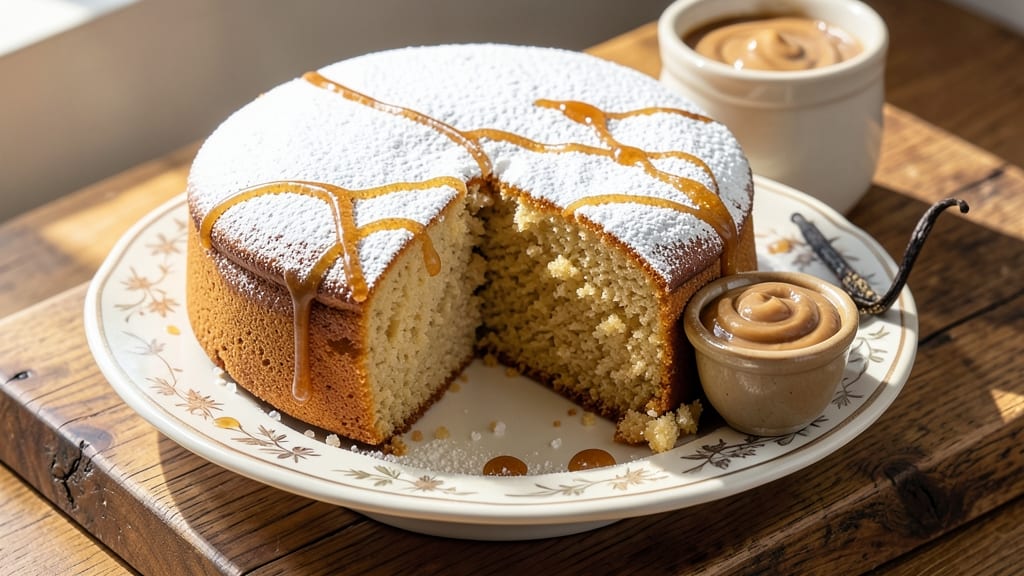
This soft pound cake recipe delivers the perfect balance of tender crumb and rich vanilla flavor that makes every slice irresistible. The secret lies in precise ingredient ratios and gentle mixing—no overworking the batter, just a delicate blend that yields a cake so moist it practically melts in your mouth.
I’ve baked this version dozens of times, and it’s become my go-to for birthdays, holidays, or whenever I crave that classic buttery comfort.
The foundation of this recipe is simple yet foolproof: butter, sugar, flour, and eggs combined with a touch of vanilla extract for that signature aroma.
What sets it apart is the creaming method, where butter and sugar are beaten until light and fluffy—this incorporates air that keeps the cake tender.
The cake bakes in a 350°F oven for about 30-35 minutes, resulting in a golden top and a crumb so soft it’s almost cloud-like.
Once out of the oven, the cake stays moist for days when wrapped properly, making it ideal for prep-ahead desserts. Serve it plain with a dusting of powdered sugar, or layer with vanilla buttercream for a showstopping presentation.
The texture is what truly impresses—no dry edges or dense centers, just even moisture throughout.
This recipe is designed for reliability, so you can trust it for special occasions or casual gatherings. The ingredients are straightforward, and the steps are clear, ensuring restaurant-quality results every time. Let’s get baking—your taste buds will thank you.
Ingredients for soft pound cake
Nine ingredients, twelve slices of pure comfort—this cake is your new go-to for any occasion.
| Ingredient | Amount | Notes |
|---|---|---|
| Unsalted Butter 🧈 | 1 cup | Softened to room temperature |
| Granulated Sugar 🍚 | 2 cups | White or light brown preferred |
| Large Eggs 🥚 | 4 whole | Room temperature for even mixing |
| All-Purpose Flour 🌾 | 3 cups | Sifted for lighter texture |
| Pure Vanilla Extract 🍯 | 2 tsp | High-quality, not imitation |
| Baking Powder 🧂 | 2 tsp | Aluminum-free for best results |
| Salt 🧂 | ½ tsp | Fine sea salt preferred |
| Whole Milk 🥛 | ½ cup | Room temperature for smooth batter |
| Powdered Sugar 🍚 | ½ cup | For dusting finished cake |
| Vanilla Buttercream Frosting 🧈 | 1 ½ cups | Optional, for layering |
The butter is non-negotiable here—unsalted, room-temperature is key. Land O’Lakes or Plugrá are reliable brands, but any good-quality unsalted will do. If your butter’s too cold, microwave it in 10-second bursts until just soft. The sugar? Domino or C&H are my go-tos, but organic cane sugar works too. Sift the flour—Bob’s Red Mill or Gold Medal are my favorites—it makes all the difference in that tender crumb. And vanilla? Nothing but pure extract—the imitation stuff ruins the magic. Eggs should be at room temperature, so take them out of the fridge 30 minutes before baking.
No vanilla extract? Vanilla bean paste at half the amount works in a pinch, but it’ll be thicker. Short on milk? Heavy cream or buttermilk both work—just add a pinch of baking soda if using buttermilk. The baking powder is critical—Clabber Girl or Rumford are my go-to brands. If you’re out, baking soda plus cream of tartar (1 tsp each) is a decent swap, but measure carefully. For the buttercream, store-bought is fine—just go for a good-quality vanilla flavor. Making your own? Use powdered sugar and softened butter, and don’t overbeat it or it’ll get grainy.
This cake stays moist for 4-5 days when wrapped tightly in plastic. For longer storage, freeze slices wrapped individually for up to 3 months. The frosting? Add it the day you serve—it keeps best that way. If you’re prepping ahead, bake the cake a day early, wrap it in foil, and bring to room temperature before frosting. And if anyone asks, no, you can’t make this in a box mixer. The creaming method is what makes it magical.
Why You'll Love This Recipe
- No Fuss Mixing: I swear by the creamy butter-sugar combo—just whip it until light, fold in eggs one at a time, and boom. No food processor, no overmixing, just a bowl and a spatula. That’s it. The flour comes last, and the batter slides together like a dream.
- Vanilla Kiss Magic: That single teaspoon of pure vanilla isn’t just flavor—it’s the soul of this cake. Rich, warm, and just sweet enough to make you want to cut a second slice. Honestly, I’ve tried imitation, but this? This is the real deal.
- Weeknight Hero: Slice it warm with butter, or save half for tomorrow’s breakfast toast. It’s my go-to when I need something reliable—no layers of frosting, no complicated steps. Just pure, soft cake that works for brunch, dessert, or even a lazy Sunday snack.
- Budget-Friendly Staples: Butter, sugar, eggs, flour—these are ingredients you already have. No specialty items, no last-minute grocery runs. And since it keeps well wrapped, I’m always eating cake without breaking the bank. Win-win.
Step-by-step instructions for soft pound cake
Here's the method that guarantees tender crumb and perfect vanilla infusion every time.
Cream Butter and Sugar to Light and Fluffy
In a stand mixer fitted with the paddle attachment, beat the 1 cup unsalted butter and 2 cups granulated sugar on medium speed for 3-4 minutes. You're looking for a light, pale color and nearly doubled volume—the mixture should look almost fluffy. This creaming process incorporates air, which creates that signature tender crumb.
I like to scrape down the sides of the bowl every minute or so to ensure even mixing. The butter should feel completely smooth and homogeneous at this stage. If you're using a hand mixer, this step will take about 5 minutes—just be patient. The key here is achieving maximum aeration before adding the eggs.
Add Eggs and Vanilla for Rich Flavor
Add the 4 whole large eggs, one at a time, mixing well after each addition until fully incorporated. Then add the 2 teaspoons pure vanilla extract and mix for another 30 seconds. The batter should be thick and smooth at this point, with no visible streaks of egg white.
Here's where the vanilla really starts to infuse. I always use high-quality pure extract—imitation just won't give you that same depth of flavor. The batter might look slightly curdled after adding the eggs, but don't worry. Once we add the dry ingredients, everything will come together perfectly. This is also the moment to taste—you should detect a sweet, buttery vanilla base that will develop into our final flavor.
Combine Dry Ingredients for Light Texture
In a separate bowl, whisk together the 3 cups all-purpose flour, 2 teaspoons baking powder, and 0.5 teaspoon salt. Sift the flour mixture directly into the wet ingredients, mixing on low speed just until combined. You should still see some flour streaks—this prevents overdevelopment of gluten which would make the cake tough.
With the mixer still running on low, gradually add the 0.5 cup whole milk until just incorporated. The batter should be smooth and pourable, like thick cake batter. Here's the thing—don't overmix. You want to maintain that light, airy texture we created in the creaming step. Stop mixing as soon as the flour disappears completely.
Bake to Perfect Doneness
Preheat your oven to 350°F and grease two 9-inch round cake pans thoroughly with butter, then dust with flour. Divide the batter evenly between the pans and smooth the tops. Bake for 25-30 minutes or until a toothpick inserted in the center comes out clean and the top springs back when touched.
I always bake these cakes on the middle rack for even heat distribution. The cakes are done when they've pulled away from the sides of the pan and developed a golden top. For extra moisture, I like to tent the pans with foil after 15 minutes of baking—this prevents the tops from browning too quickly while still allowing steam to escape.
Cool and Frost for Ultimate Moisture
Let the cakes cool in their pans for 10 minutes, then transfer to a wire rack to cool completely. While they're cooling, prepare the 1.5 cups vanilla buttercream frosting—this will seal in all that moisture we worked so hard to create.
For the final touch, dust the cooled cakes with 0.5 cup powdered sugar through a fine sieve before frosting. This creates that classic pound cake presentation while adding a delicate sweetness. The frosting should be applied in a thin layer between cakes and a slightly thicker layer on the outside. The result? A cake that's moist, tender, and perfectly balanced in sweetness with that beautiful vanilla infusion throughout.
Pro Tips For Making Soft Pound Cake
- Cream Butter and Sugar Slowly: I used to rush this step, and my cakes turned out dense. Beat the butter and sugar on medium-high until light and fluffy—about 3-5 minutes—so the sugar dissolves completely and traps air. (Yes, even if your mixer sounds like it’s protesting.)
- Weigh Your Flour: Scooping flour from the bag packs in extra air, making your cake dry. Use a kitchen scale for precision—1 cup of all-purpose flour is about 120 grams. My cakes went from crumbly to tender the second I switched.
- Skip Overmixing the Batter: Once you fold in the flour, stop mixing the moment it’s just combined. Overworking it develops gluten, and your cake turns tough instead of soft. A few lumps? That’s fine—your cake won’t fall apart.
- Bake Until Internal Temp Reaches 190°F: Toothpick tests lie—your cake could look done but still be gummy. Use an instant-read thermometer; 190°F guarantees it’s fully set and moist. Pull it out early if you’re nervous, then tent with foil.
Regional styles of this recipe
Southern Classic
The South takes pound cake to another level by adding a touch of lemon zest and orange juice to the batter, creating a bright, citrusy twist on the classic vanilla flavor.
I like to add 1 tablespoon lemon zest and 2 tablespoons fresh orange juice to the wet ingredients before mixing. This variation is especially popular in Georgia and the Carolinas, where it’s often served with peach preserves or a dusting of powdered sugar. 🍋
New England Style
Up north, pound cake gets a cozy, spiced twist with cinnamon and nutmeg—think of it as a cake that’s halfway between pound cake and spice cake. I add 1 teaspoon ground cinnamon and ½ teaspoon ground nutmeg to the dry ingredients.
This version pairs perfectly with apple butter or a maple glaze, making it a staple for Thanksgiving and holiday gatherings in states like Maine and Vermont.
Texas Twist
In Texas, pound cake often incorporates bourbon or whiskey into the batter for a boozy depth of flavor. I recommend adding 2 tablespoons bourbon (like Maker’s Mark) to the vanilla extract before mixing.
This rich, caramel-like note makes it a favorite for birthday cakes and special occasions. Serve it with a bourbon caramel sauce for an extra indulgent touch. 🥃
Midwest Homestyle
The Midwest loves a denser, heartier pound cake that’s almost like a cross between cake and bread. To achieve this texture, I replace ½ cup of the all-purpose flour with ½ cup cornmeal and add 1 extra egg yolk to the batter.
This version is a family-style favorite in Ohio and Indiana, often served with warm apple cider or vanilla ice cream.
Pacific Northwest Adaptation
Out west, pound cake gets a fruit-forward twist with additions like raspberry or blackberry jam swirled into the batter. I like to add ¼ cup raspberry jam (like Bon Appétit brand) to the wet ingredients before folding in the dry ingredients.
This variation is perfect for summer desserts and pairs beautifully with whipped cream or a lemon curd drizzle. 🍓
Italian-Inspired Version
For an Italian touch, I replace ½ cup of the milk with ½ cup heavy cream and add 1 teaspoon lemon zest along with ½ teaspoon almond extract to the batter.
This creates a lighter, slightly nutty flavor that’s reminiscent of Italian panettone. It’s a great option for holiday celebrations and pairs wonderfully with espresso or limoncello. ☕
Nutrition facts
Frequently asked questions
Why does this pound cake turn out so moist compared to other recipes?
The secret lies in the creaming method and precise ingredient ratios. We beat the butter and sugar until light and fluffy, incorporating air that keeps the cake tender. The milk and vanilla extract also add moisture, while the 10-minute rest in the pan after baking helps redistribute steam for that signature soft crumb.
Can I use cake flour instead of all-purpose flour for a lighter texture?
Yes, but with adjustments! Replace the 3 cups all-purpose flour with 2¾ cups cake flour and add ¼ cup cornstarch to maintain structure. The cake will be slightly lighter, but the moisture level stays the same. Sift the flour thoroughly to avoid lumps.
How do I fix a cake that's cracked on top?
Cracking usually happens from overbaking or opening the oven too soon. If it happens, don't panic! Brush the cracks with simple syrup (equal parts sugar and water) and rebake at 325°F for 5-10 minutes. This restores moisture and smooths the texture. For prevention, tent the cake with foil after 15 minutes of baking.
Can I make this cake in a bundt pan instead of round pans?
Grease the bundt pan thoroughly and reduce baking time to 25-30 minutes. The cake will have beautiful ridges, but the texture remains the same. For extra insurance, brush the pan with melted butter before adding batter. This works especially well for special occasions!
What's the best way to store leftovers to keep them moist?
Wrap the cake tightly in plastic wrap and store at room temperature for 3-4 days. For longer storage, freeze slices wrapped individually for up to 3 months. Thaw at room temperature—no microwave needed! The frosting should be added fresh for the best texture.