
Sauces & Condiments
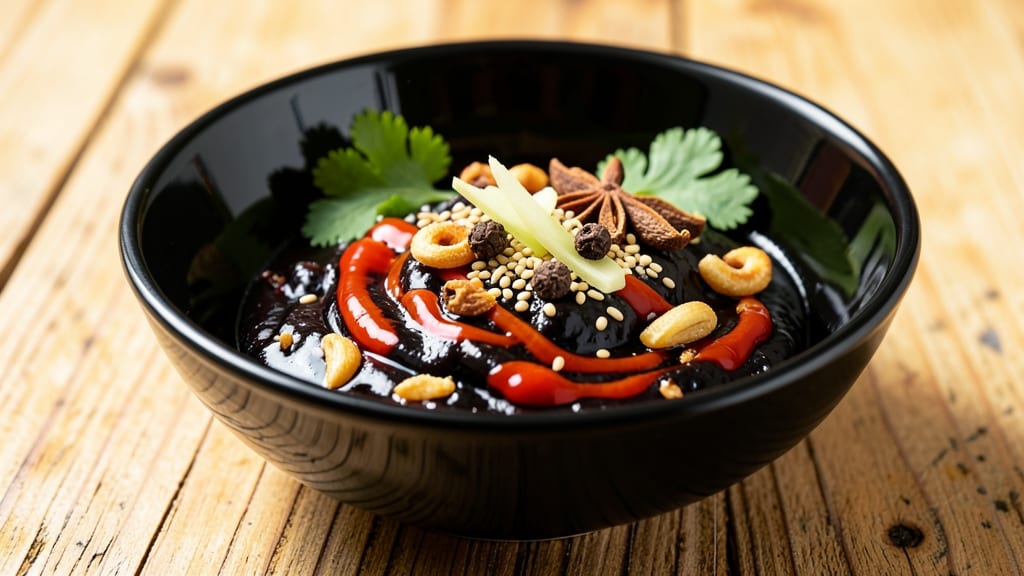
Creating a homemade Schezwan paste transforms ordinary stir-fries and noodles into bold, restaurant-quality dishes with layers of chili heat and aromatic depth. This recipe delivers a thick, sticky paste packed with fermented bean sauce, chili oil, and a precise blend of spices—far more complex than store-bought versions.
The secret lies in balancing vinegar's tang with garlic's sharpness and letting the spices bloom slowly for maximum flavor extraction.
What sets this Schezwan paste apart is its versatile texture—thick enough to cling to noodles and meats while remaining smooth enough to blend seamlessly into sauces.
The recipe builds flavor through two key steps: first, toasting whole spices to deepen their aroma, then simmering everything with vinegar and fermented bean sauce until reduced into a concentrated paste. This method ensures every spoonful delivers that signature Schezwan punch without overwhelming bitterness.
Once complete, you'll have a rich, glossy paste that elevates stir-fries, marinades, and even dipping sauces with its perfect balance of heat, tang, and umami.
The paste keeps well in the refrigerator for up to 2 weeks or can be frozen for 3 months, making it a professional-quality shortcut for busy weeknights. Ready to unlock that authentic Schezwan flavor at home?
This recipe requires 10 ingredients and 30 minutes of active time, with no special equipment beyond a saucepan and whisk. The process is straightforward but demands patience—letting the spices toast properly and the mixture reduce fully ensures that final, restaurant-worthy result.
Whether you're cooking for a crowd or stocking your pantry, this paste will become your secret weapon for bold, flavorful dishes.
Ingredients for schezwan paste
Ten essential ingredients crafting restaurant-quality Schezwan paste with bold spice complexity.
| Ingredient | Amount | Notes |
|---|---|---|
| Fermented Black Bean Sauce 🫘 | ½ cup | High-quality, thick consistency preferred |
| Chili Oil 🌶️ | ⅓ cup | Authentic Sichuan chili oil for depth |
| Rice Vinegar 🍶 | ¼ cup | White or seasoned variety |
| Garlic Cloves 🧄 | 6 cloves | Fresh, peeled, minced finely |
| Ginger Root 🌿 | 1 tbsp | Fresh, grated, aromatic quality |
| Sichuan Peppercorns 🌶️ | 1 tsp | Toasted for numbing effect |
| Dried Red Chilies 🔥 | 1 tbsp | Arbol or similar, seeded |
| Star Anise 🌟 | 2 whole | Whole pods, lightly crushed |
| Cumin Seeds 🌶️ | 1 tsp | Toasted for deep earthiness |
| Soy Sauce 🍶 | 2 tbsp | Light or dark, to taste |
The fermented black bean sauce forms this paste's umami backbone—Asian markets carry the thickest, most concentrated versions, but Lee Kum Kee or Hoisin Sauce work in a pinch. Sichuan chili oil, with its signature numbing peppercorn heat, is non-negotiable for authenticity; Lao Gan Ma brand delivers the classic flavor profile. Fresh ginger and garlic must be aromatic and vibrant—bruised roots or yellowing cloves compromise the final product. Toasting whole spices like star anise and cumin seeds in a dry pan before blending unlocks their full potential, creating that signature Schezwan aroma.
Substitutions require balance: miso paste can replace fermented bean sauce at half the quantity, but expect less tang. No Sichuan peppercorns? Ground black pepper plus a pinch of cayenne mimics some of the heat, though the numbing effect remains elusive. Dried chilies can be swapped for red pepper flakes at double the amount, but seedless varieties prevent bitterness. Vinegar alternatives like apple cider or lime juice work, though rice vinegar's mild sweetness is ideal. For soy sauce, coconut aminos offer a gluten-free option without sacrificing depth.
Store the paste in an airtight glass jar with a thin layer of neutral oil on top to preserve its glossy texture. Refrigerated, it maintains peak flavor for 2 weeks, though the heat intensifies over time. For longer storage, freeze in 1-tablespoon portions—thaw in the fridge overnight before use. The paste thickens as it cools, so whisk in 1 teaspoon of hot water if needed before application. Use within 3 months of freezing for optimal quality.
Why You'll Love This Recipe
- Pantry Magic: I swear, this paste comes together with stuff I already have—no special shopping needed. Fermented black bean sauce and chili oil alone do half the work, while garlic and ginger just need a quick mincing (or even chopping while you talk).
- Umami Bomb: That first spoonful? It’s like a flavor explosion—salty, funky, and just spicy enough to wake up your taste buds. The rice vinegar cuts through the richness, balancing everything perfectly without overpowering.
- Instant Upgrade: Drizzle it over noodles, toss it into stir-fries, or even mix it into mayo for a dipping sauce. I’ve used it for everything from lazy weeknight dinners to impressing guests—no one ever asks where it came from, just that they want more.
- Budget Goldmine: A little goes a long way, and since I make big batches, it lasts for weeks. Honestly, I’ve had this paste sitting in my fridge for months, and it’s still the secret weapon in my cooking arsenal—no waste, all flavor.
Step-by-step instructions for Schezwan paste
This spice blend delivers authentic Sichuan heat and depth—perfect for elevating stir-fries and noodles.
Toast Whole Spices for Maximum Flavor
In a dry skillet over medium heat, add the 2 whole star anise and 1 teaspoon cumin seeds. Toast for 1-2 minutes until fragrant and lightly golden, stirring constantly to prevent burning. The aroma should fill your kitchen—this indicates proper toasting and activates the spices' essential oils.
Immediately transfer the toasted spices to a small bowl and set aside. This step is crucial; under-toasting leaves spices bland, while over-toasting creates bitterness. The star anise should smell sweet and resinous, while the cumin should release its earthy, nutty fragrance. If you notice any darkening, remove the skillet immediately.
Blend Aromatics with Precision
Using a food processor or high-speed blender, combine the 6 cloves minced garlic cloves and 1 tablespoon grated ginger root until finely chopped but not pasty. The texture should resemble a coarse paste with visible specks of garlic and ginger. This ensures proper distribution of flavor without over-processing, which can turn the mixture into a watery slurry.
Transfer the blended aromatics to the same bowl containing the toasted spices. Add the 1 teaspoon Sichuan peppercorns and 1 tablespoon dried red chilies (remove seeds if you prefer less heat). Pulse briefly to combine—just enough to distribute the chilies evenly without creating a powder. The Sichuan peppercorns will release their signature numbing compounds when properly integrated.
Combine Wet Ingredients for Balance
In a separate bowl, whisk together the 0.5 cup fermented black bean sauce, 0.33 cup chili oil, 0.25 cup rice vinegar, and 2 tablespoons soy sauce until fully emulsified. The mixture should be smooth with no visible separation. This combination creates the paste's signature umami depth and tangy brightness, while the chili oil adds both heat and a silky texture.
Taste the mixture and adjust seasoning if needed—add a pinch more soy sauce for saltiness or a splash of rice vinegar for acidity. The fermented black bean sauce should dominate the flavor profile with its funky, savory notes. If the mixture tastes too sharp, let it sit for 5 minutes before proceeding, as the rice vinegar's acidity will mellow slightly.
Integrate Components for Cohesion
Combine the dry spice mixture with the wet ingredients, stirring vigorously with a silicone spatula. The paste should thicken gradually as the spices absorb the liquid. Work quickly but thoroughly—this ensures even distribution of heat and aroma throughout the blend. The final consistency should be thick but spreadable, similar to a robust marinade.
For optimal flavor development, let the schezwan paste rest at room temperature for 15 minutes before using. This allows the Sichuan peppercorns to fully infuse their numbing compounds and the spices to meld. Store any unused paste in an airtight container in the refrigerator for up to 2 weeks, or freeze for extended shelf life. The paste will intensify in flavor over time, making it even more potent.
Pro Tips For Making Schezwan Paste
- Bloom the Garlic: Hit the garlic with a splash of rice vinegar first—just enough to coat the cloves. This softens them faster and keeps them from burning while you toast the ginger. I used to skip this and ended up with bitter, overcooked garlic every time.
- Toast the Ginger Slowly: Start low, then crank the heat once it’s fragrant. Fresh ginger burns in seconds, and charred ginger ruins the whole paste. Watch it like a hawk—you want color, not smoke.
- Balance the Fermented Bean Sauce: Taste it raw—if it’s too salty, dilute with a pinch of vinegar or water. If it’s bland, add a dash of sugar or extra chili oil. I learned this after making a batch so salty I couldn’t use it.
- Blend in Stages: Pulse the paste in short bursts, scraping the sides between. A smooth finish takes patience—don’t rush it. I used to just hit "blend" and end up with clumps. Now I take my time.
Storing and reheating your leftovers
Refrigerator Storage
Transfer your freshly made Schezwan paste to a clean, dry glass jar with an airtight lid—I use Le Parfait 8-ounce jars for their snug seals.
Before sealing, add a thin layer of light olive oil (about 1 teaspoon) to the surface to preserve the paste’s glossy texture and prevent oxidation. Store in the refrigerator at 40°F or below for up to 2 weeks, though the flavors deepen and intensify over time. 🌶️
Freezer Preservation
For long-term storage, portion the paste into 1-tablespoon servings using silicone ice cube trays—this makes it easy to thaw only what you need. Once frozen solid, transfer the portions to a freezer-safe bag and squeeze out excess air before sealing.
Label with the date and freeze for up to 3 months. The paste may thicken slightly when frozen, so whisk in ½ teaspoon of hot water before use to restore its smooth consistency. ❄️
Thawing Techniques
Thaw frozen Schezwan paste overnight in the refrigerator to preserve its texture and prevent bacterial growth. Avoid microwave thawing, as it can degrade the chili oil and make the paste greasy.
If you’re short on time, place the frozen portion in a sealed container and submerge it in lukewarm water for 15-20 minutes. Always whisk vigorously after thawing to re-emulsify the ingredients. 💡
Reviving Stored Paste
If your refrigerated Schezwan paste thickens over time, whisk in 1 teaspoon of hot water or rice vinegar to restore its spreadable consistency. Avoid adding too much liquid, as the paste should remain thick enough to cling to noodles and meats.
For extra vibrancy, add a pinch of toasted Sichuan peppercorns or a dash of chili oil to revive the heat and aroma before using. ✨
Shelf Life Indicators
Watch for signs of spoilage: a sour or off smell, mold, or a greasy separation of oils. Discard any paste that develops these traits, as they indicate bacterial growth.
Properly stored paste should retain its bold, aromatic scent and deep red hue—if it loses these qualities, it’s time to make a fresh batch. The paste’s texture may darken slightly over time, but this doesn’t affect safety. 💪
Nutrition facts
Frequently asked questions
Can I make Schezwan paste without Sichuan peppercorns?
While Sichuan peppercorns provide that signature numbing heat, you can substitute with 1 teaspoon ground black pepper plus ½ teaspoon cayenne pepper for a similar kick. The numbing effect will differ, but the overall spice complexity remains intact.
How spicy will this paste be?
The heat level depends on your chili choices. With 1 tablespoon dried red chilies (seeded), this recipe delivers moderate heat—think "spicy but manageable." For extra kick, add ½ teaspoon chili flakes or increase the chili oil to ½ cup. Always taste before using!
What’s the best way to use this paste in recipes?
Start with 1-2 teaspoons per dish—stir-fries, noodles, or marinades work beautifully. For dipping sauces, thin with 1 tablespoon water or soy sauce to reach your desired consistency. The paste’s bold flavor shines in dishes with tofu, chicken, or vegetables where it can cling and infuse.
Why does my paste look greasy after refrigeration?
This happens when chili oils separate—simply whisk vigorously with 1 teaspoon hot water to re-emulsify. For prevention, store with a thin layer of neutral oil on top (like olive oil) to lock in moisture. The paste should remain glossy and spreadable, not oily.
Can I adjust the paste for less heat?
Yes! Reduce the dried chilies to ½ tablespoon and omit the Sichuan peppercorns. For milder heat but retained depth, add 1 extra teaspoon of grated ginger—it balances spice while adding aromatic complexity. Taste as you go!