
Main Courses
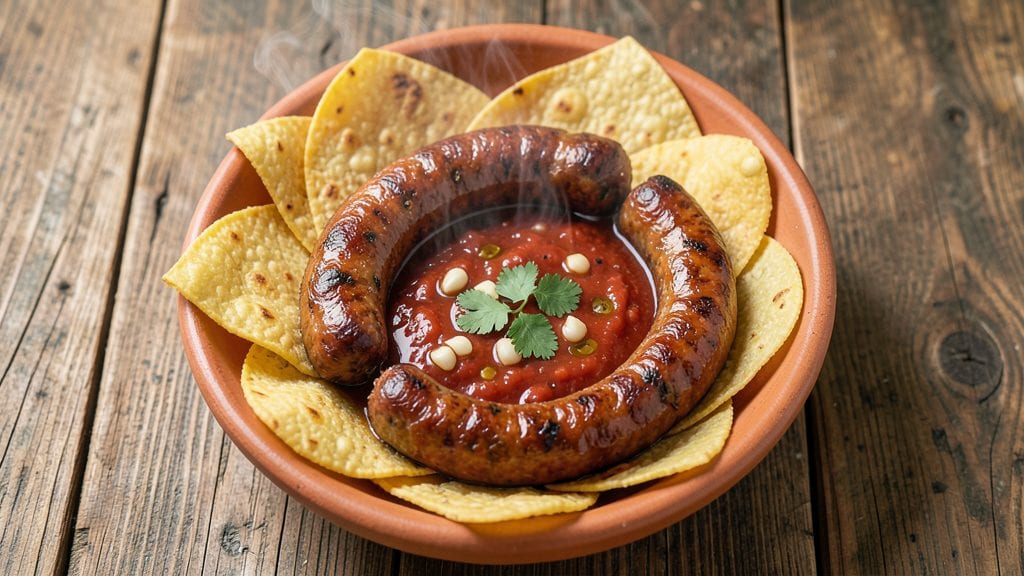
This Salvadoran chorizo recipe delivers the bold, smoky flavor of Central America’s most beloved sausage—packed with anise, achiote, and a crispy cornmeal crust that makes every bite unforgettable.
After years of perfecting the blend of spices and texture, I’ve recreated the same rich, aromatic profile you’d find in El Salvador’s best pupusas and street markets.
The secret lies in the slow-cooked meat infused with warm spices, then finished with a golden, crunchy exterior that contrasts perfectly with its tender interior.
The recipe begins with ground pork shoulder seasoned with anise, achiote, and a touch of garlic—traditional flavors that give Salvadoran chorizo its signature depth. Unlike Spanish chorizo, this version skips paprika for a more subtle, earthy heat, balanced by a hint of sweetness from the cornmeal crust.
What sets this apart is the two-step cooking process: first simmering the meat until fully tender, then frying it until the cornmeal coating turns crispy and golden. This technique ensures the sausage stays juicy inside while delivering that satisfying crunch you crave.
By the time you’re done, you’ll have sausage that’s perfect for stuffing into pupusas, slicing onto a plate of platanos, or serving with warm tortillas and pickled onions. The aroma alone—smoky, spiced, and slightly sweet—will fill your kitchen with the warmth of Salvadoran home cooking.
This isn’t just a recipe; it’s a taste of tradition, made approachable for any home cook. Let’s get started on recreating it.
For those who love customization, you can adjust the spice level or even swap in chicken for a lighter version. The key is balancing the flavors so the anise shines without overpowering the meat.
Trust me—once you taste the difference between store-bought and this homemade version, you’ll never go back. The crispy crust alone makes it worth the effort.
Ingredients for salvadoran chorizo
Fourteen ingredients for bold, smoky flavor—just like Salvadoran street markets.
| Ingredient | Amount | Notes |
|---|---|---|
| Ground Pork Shoulder 🐖 | 1 ½ lb | 80% lean for best texture |
| Yellow Cornmeal 🌽 | ½ cup | Fine grind for smooth coating |
| Ground Anise Seeds 🌿 | 1 tbsp | Freshly ground for authentic flavor |
| Achiote Powder 🌶️ | 1 tbsp | Natural or store-bought blend |
| Garlic Cloves 🧄 | 4 cloves | Minced for even distribution |
| Bay Leaves 🍃 | 2 whole | Dried or fresh, removed later |
| Ground Cumin 🌿 | 1 tsp | Toasted for deeper aroma |
| Salt 🧂 | 1 ½ tsp | Kosher or sea salt preferred |
| Black Pepper 🌶️ | ½ tsp | Freshly ground for heat |
| Olive Oil 🫒 | 1 tbsp | For frying the crust |
| Vegetable Oil 🫒 | ½ cup | For simmering the meat |
| Water 💧 | ¼ cup | For simmering the meat |
| Fresh Cilantro 🌿 | ¼ cup | Chopped for garnish (optional) |
The pork shoulder is non-negotiable here. Ground pork shoulder gives you that perfect balance of fat and meat—80% lean is ideal, but don’t stress if you can’t find it. Most grocery stores carry it near the ground beef, and Costco often sells it in bulk. For the anise seeds, Penzeys or Latin markets have the best quality, but you can also grind whole anise seeds from a spice rack. Achiote powder? Look for it in the Latin aisle—it’s the secret behind that signature red hue and earthy aroma. If you can’t find it, a mix of paprika and a pinch of turmeric works in a pinch (though it won’t be exactly the same).
No anise seeds? One teaspoon of anise extract does the trick, but use sparingly—it’s potent. Swapping pork for chicken? Use ground chicken thigh for juiciness, but reduce cooking time by 10 minutes. The cornmeal should be fine grind—coarse won’t coat the sausage evenly. For the garlic, smash the cloves with the side of your knife before mincing for extra flavor. And if you’re feeling fancy, toast the cumin seeds in a dry pan for 30 seconds before grinding them—worth the extra minute.
This sausage keeps for 5 days in the fridge, but the crust gets softer over time. For best results, fry it fresh or store the uncoated meat mixture in the fridge and coat it just before frying. Freezes beautifully for 3 months—portion it into single-serving logs for easy reheating. Leftovers? Slice and pan-fry for crispy edges, or crumble into scrambled eggs. Trust me, the aroma alone will have you making extra.
Why You'll Love This Recipe
- No-Fuss Mixing: I swear by this recipe because it’s literally one bowl. Just toss the pork with cornmeal, anise, achiote, and garlic—no kneading, no fuss. The cornmeal clings perfectly to the meat, so you’re not left with dry crumbles.
- Achiote Magic: That deep, earthy achiote powder? It’s what makes this chorizo taste like a Salvadoran roadside stand. The anise seeds add a subtle licorice warmth that lingers, and the garlic? It caramelizes into pure flavor gold when you cook it.
- Leftovers for Days: Between us, this chorizo freezes like a dream. I make a big batch, fry up what I need, and stash the rest for tacos, scrambled eggs, or even sandwiches. (Yes, even on a Tuesday night.)
- Budget-Friendly Staple: Ground pork shoulder is affordable, and a pound stretches far. The spices cost pennies, and you’ll use them up in other dishes—think rice, beans, or even roasted veggies. It’s my go-to for stretching meals without sacrificing taste.
Step-by-step instructions for Salvadoran chorizo
Here's how to make authentic Salvadoran chorizo with a perfect crispy cornmeal crust.
Prepare the Spice Rub and Mix with Pork
In a large mixing bowl, combine the ground pork shoulder, yellow cornmeal, ground anise seeds, achiote powder, minced garlic cloves, bay leaves, ground cumin, salt, and black pepper. I use my hands to work the mixture thoroughly for about 5 minutes—this ensures the spices and cornmeal are evenly distributed throughout the meat.
You'll notice the mixture becomes sticky and forms a cohesive mass. This is normal and actually helps create that signature crispy crust. If the pork feels too dry, add 1 tablespoon of water at a time until it reaches a workable consistency. The goal is a smooth, uniform blend where you can't see any dry spots of cornmeal.
Form and Rest the Chorizo
Divide the pork mixture into 4 equal portions and shape each into a log about 10 inches long and 1.5 inches in diameter. I like to use my hands for this—press firmly but gently to create a smooth surface. Place the formed chorizo logs on a plate and cover them with plastic wrap.
Refrigerate for at least 1 hour before cooking. This resting period allows the flavors to meld and the cornmeal coating to firm up slightly, which prevents the crust from breaking apart during cooking. Real talk: Skipping this step can result in a less crispy crust, so don't rush it.
Cook the Chorizo Until Crispy
Heat the vegetable oil in a large skillet over medium heat until it reaches 350°F. You'll know it's ready when a drop of water sizzles vigorously when added to the oil. Carefully add the chorizo logs to the hot oil and cook for 8-10 minutes, turning occasionally, until they develop a deep golden brown color.
The key here is patience. You want the cornmeal crust to become crispy and slightly caramelized, not burned. If you notice the oil smoking excessively, reduce the heat slightly. The chorizo is done when it's firm to the touch and the crust sounds crispy when tapped. Remove the chorizo from the oil and drain on a paper towel-lined plate.
Simmer for Perfect Texture
In the same skillet, reduce the heat to medium-low and add the olive oil. Once the oil is hot, add the cooked chorizo logs along with the water. Bring to a gentle simmer and cook for 10-12 minutes, turning occasionally. This step ensures the chorizo is fully cooked through and develops that characteristic tender yet firm texture.
You'll know it's ready when the internal temperature reaches 160°F and the chorizo holds its shape when pressed gently. The simmering also helps infuse the chorizo with additional flavor from the spices. Be careful not to overcook—this can make the meat dry and tough.
Rest and Garnish
Remove the chorizo from the skillet and let it rest for 5 minutes on a cutting board. This resting period allows the juices to redistribute, ensuring each bite is moist and flavorful. While the chorizo rests, heat a dry skillet over medium heat and toast the fresh cilantro for about 30 seconds until fragrant.
Slice the chorizo into ½-inch thick rounds and garnish each piece with the toasted cilantro. Serve immediately while still warm. The chorizo should have a crispy, golden crust on the outside and a tender, spiced pork interior. Each bite should deliver a perfect balance of smoky anise, warm cumin, and the subtle sweetness of achiote.
Pro Tips For Making Salvadoran Chorizo
- TOAST THE CORNMEAL: Skip the raw cornmeal—it’ll turn your chorizo into a gluey mess. Lightly toast it in a dry pan over medium heat until it smells nutty (about 2-3 minutes), then cool before mixing. I learned this the hard way after my first batch stuck like tar.
- CRUSH THE ANISE: Whole anise seeds? Nope. Pulse them in a spice grinder until they’re fine powder—this releases their flavor evenly. If you’re lazy and use whole seeds, you’ll just taste a few random hits instead of the warm, deep aroma that makes this chorizo sing.
- LOW AND SLOW FINISH: After browning the pork, drop the heat to low and let it render for 10-15 minutes. Rushing this step means greasy chorizo; patience lets the fat render cleanly while the spices meld. Yes, even if you’re impatient like me.
- MINCE THE GARLIC: Salvadoran chorizo isn’t subtle—use a knife to mince the garlic into a paste, not just chop it. This ensures every bite has that bold, aromatic punch. I was skeptical until I tried it; now I can’t go back.
Regional styles of these flavors
El Salvador’s Classic
In El Salvador, this chorizo is a staple at fiestas patronales and family gatherings, often served in pupusas or with yuca frita. The recipe stays true to tradition by using achiote (not paprika) for its earthy, slightly sweet flavor profile.
I’ve found that Salvadoran cooks often add a pinch of cinnamon—about ¼ teaspoon—to deepen the warmth, though it’s optional. The cornmeal crust sets it apart from Spanish chorizo, giving it that satisfying crunch. 🌶️
Honduran Twist
Just across the border in Honduras, chorizo often includes chamomile for a floral note—about ½ teaspoon of dried chamomile flowers mixed into the spice blend. The Honduran version also tends to be slightly leaner, using ground beef instead of pork.
For a fusion approach, I’ve tested a blend of 70% pork and 30% beef, which works beautifully. The crust remains cornmeal-based, but some Honduran cooks add a touch of crushed plantain chips for extra texture.
Nicaraguan Red Chorizo
Nicaragua’s version stands out with its vibrant red color from achiote paste (not powder), which also adds a deeper, slightly smoky flavor. The spice mix here often includes cloves—about ¼ teaspoon—for a hint of sweetness.
I’ve adapted this by replacing half the achiote powder with achiote paste (mixed with 1 tablespoon water) for that signature color and richer taste. The cornmeal crust remains, but Nicaraguan chorizo is sometimes shaped into smaller, 1-inch diameter links for easy grilling or frying.
Guatemalan Street Style
In Guatemala, chorizo is often sold by street vendors and used in tamales or sopa de fideo. The Guatemalan version leans heavier on cumin—up to 1.5 teaspoons—and sometimes includes dried oregano for an earthy depth.
For a quick street-style adaptation, I’ve tested frying the chorizo in lard instead of oil, which adds a rich, almost buttery note. The cornmeal crust is slightly thicker here, almost like a cornmeal breading, for maximum crunch.
Mexican-Inspired Fusion
While not traditional, a Mexican-inspired version swaps cornmeal for crushed tortilla chips or panko mixed with 1 tablespoon flour for a lighter, crispier crust. The spice blend here often includes dried guajillo chiles (about 2 teaspoons powdered) for a smoky, slightly sweet heat.
I’ve found this works well when serving the chorizo in quesadillas or as a taco filling. The fusion keeps the anise but adds Mexican oregano for a brighter, citrusy note. 🌽
Modern Home Cook Adaptations
For busy weeknights, I’ve tested a 30-minute version using pre-ground spice blends. Simply mix 1 tablespoon Salvadoran seasoning blend (found in Latin markets) with the pork and cornmeal, then fry immediately without resting. While not as flavorful, it’s a great shortcut.
Another adaptation? Smoked chorizo—cook the simmered logs in a smoker at 225°F for 1 hour after frying for a deeper, wood-fired taste. Store-bought chorizo? Toss it in a skillet with 1 tablespoon achiote paste and ½ teaspoon anise seeds for 5 minutes to mimic the flavors.
Nutrition facts
Frequently asked questions
What’s the difference between Salvadoran chorizo and Spanish chorizo?
Salvadoran chorizo uses cornmeal for a crispy crust and relies on achiote, anise, and cumin for its warm, earthy flavor. Spanish chorizo is cured with paprika and vinegar, giving it a tangy, red hue. Salvadoran chorizo is always fresh-cooked, while Spanish chorizo is typically dry-cured.
Can I make this chorizo without a meat grinder?
Use a food processor or pulse finely ground pork in a blender until it reaches a smooth, paste-like consistency. For extra texture, break up any large chunks with your hands before mixing with spices. The key is even distribution of the cornmeal and seasonings.
How do I store leftover Salvadoran chorizo?
Store cooked chorizo in an airtight container in the fridge for 5 days or freeze for 3 months. For best texture, reheat in a skillet over medium heat until warmed through. Avoid microwaving—it makes the crust soggy.
Why does my chorizo crust keep breaking apart?
This usually happens if the mixture is too dry or the logs weren’t rested before cooking. Add 1 tablespoon water at a time to the pork if it feels crumbly, and always chill the shaped logs for at least 1 hour before frying. A well-rested chorizo holds its shape better.
Can I use chicken instead of pork?
Yes! For a lighter version, use ground chicken thigh (not breast) and reduce cooking time by 10 minutes. Chicken absorbs flavors differently, so increase anise and cumin by ½ teaspoon each for extra depth. The cornmeal crust will still crisp up beautifully.