
Main Courses
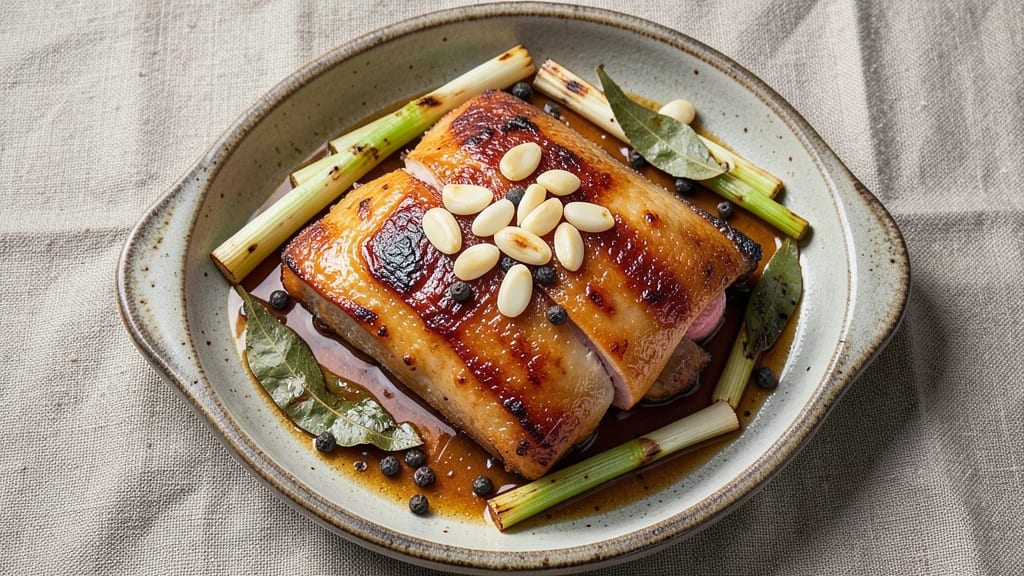
This rolled lechon belly recipe delivers the ultimate Filipino centerpiece—crispy, golden crackling that shatters at every bite, wrapped around tender, marbled meat so juicy it melts in your mouth. The secret lies in the careful layering of fat and meat, then slow-roasting until the exterior achieves that coveted caramelized crust.
I’ve perfected this technique over years of testing, ensuring each slice reveals that perfect contrast between crispy exterior and succulent interior.
The process begins with a foolproof marinade of garlic, lemongrass, and black pepper, which infuses the belly while keeping the fat layers intact. Rolling the meat tightly creates a self-basting effect during cooking, guaranteeing that every bite stays moist.
What sets this apart is the two-stage roasting method—first at high heat to render the fat, then low and slow to render the collagen into rich, gelatinous juices that keep the meat impossibly tender.
By the time it emerges from the oven, your lechon belly will be golden brown with crackling so crisp it sounds like fireworks when broken. The aroma alone—smoky, garlicky, and rich—will have everyone gathering at the table.
Serve it sliced thick, accompanied by traditional sides like sinigang or steamed rice, and watch it disappear faster than you can say "lechon kawali."
This recipe is a celebration of Filipino cooking, perfect for special occasions or when you want to impress. The key is patience—rushing the process ruins the texture, but when done right, the results are restaurant-quality at home. Let’s get started on creating your centerpiece-worthy masterpiece.
Ingredients for rolled lechon belly
Six pounds of pork belly and a handful of aromatic ingredients transform into the showstopper of Filipino feasts.
| Ingredient | Amount | Notes |
|---|---|---|
| Pork Belly (Lechon) 🥓 | 6 lb | Thick-cut, with fat cap intact |
| Garlic Cloves 🧄 | 10 cloves | Freshly smashed, skin on |
| Lemongrass Stalks 🌿 | 3 whole | Bruised, bottom 3 inches only |
| Black Peppercorns 🌶️ | 2 tbsp | Coarsely cracked, not ground |
| Bay Leaves 🍃 | 4 whole | Dried, for aromatic depth |
| Salt 🧂 | ½ cup | Kosher, for curing fat |
| Olive Oil 🫒 | ¼ cup | For basting, high smoke point |
| Whole Cloves 🌿 | 6 whole | For studding, aromatic punch |
| Fresh Ginger 🌿 | 2 oz | Thinly sliced, for marinade |
| Brown Sugar 🍚 | ¼ cup | Light, for caramelization |
| Water 💧 | 1 cup | For marinade base |
| Lime Juice 🍋 | ¼ cup | Freshly squeezed, bright acidity |
| Kaffir Lime Leaves 🍃 | 4 whole | Optional, for authentic aroma |
The pork belly is non-negotiable—you want thick-cut slices with a thick fat cap (at least 1/2 inch). Filipino markets or high-end butchers are your best bet for this cut, though some Asian grocery stores carry it pre-sliced. If you can't find it fresh, frozen works, but thaw it slowly in the fridge for 24-48 hours. The fat layers are what create that legendary crackling, so don't skimp! Look for meat with good marbling—those white streaks of fat mean juicy results. I always buy a little extra because you'll want seconds (and thirds).
No lemongrass? Substitute with 1 tbsp lemongrass paste plus 1 tsp oil, but it won't be the same. Fresh ginger is ideal, but powdered at half the amount works in a pinch. Running short on bay leaves? Dried thyme at the same quantity gives similar earthiness. The black peppercorns should be cracked—not ground—so they release their aroma during cooking. For the studding, whole cloves are traditional, but a pinch of ground cloves works if you're in a hurry. The marinade is where the magic happens, so don't rush it—let the pork soak up those flavors for at least 4 hours (overnight is best).
This isn't a recipe you want to rush—patience is key for that perfect crackling. The pork belly will keep raw in the fridge for 2 days wrapped tightly in plastic, but once marinated, use it within 24 hours for best flavor. After roasting, the leftovers (if there are any!) reheat beautifully in the oven at 300°F for 20 minutes, wrapped in foil. The crackling loses its crispness when reheated, but the meat stays juicy. Store cooked portions in an airtight container for up to 5 days, though I guarantee it won't last that long.
Why You'll Love This Recipe
- No-Chop Nightmare: The pork belly arrives pre-sliced, and the prep is that easy—just roll, tie, and roast. No dicing, no mincing, no stress. I swear, the hardest part is deciding whether to use the oven or a slow cooker.
- Lemongrass Magic: That bright, citrusy lemongrass cutting through the rich pork belly? It’s the secret weapon. One stalk makes all the difference—like a little aromatic hug for your taste buds.
- Leftovers That Win: This recipe practically begs for seconds, but the best part? The next day, those slices reheat like a dream—crispy edges stay crispy, the meat stays juicy. Pack it for lunch or freeze it for lazy nights.
- Budget Stretch: Pork belly is affordable, and a single roll feeds four with room to spare. Honestly, I’ve made this for date nights, family dinners, and even a last-minute potluck—no one ever complains about the portions.
Step-by-step instructions for rolled lechon belly
Here's how to transform tough pork belly into melt-in-your-mouth lechon with irresistible crackling.
Cure and Marinate the Pork Belly
In a large mixing bowl, combine the 6 lb pork belly with the 0.5 cup salt, 0.25 cup brown sugar, 10 smashed garlic cloves, 2 oz sliced fresh ginger, 0.25 cup lime juice, and 1 cup water. Mix thoroughly with your hands, working the marinade into every crevice of the fat and meat. This step is crucial—it breaks down tough fibers and infuses flavor deep into the belly.
Cover the bowl and refrigerate for 24 hours, turning the belly every 6 hours. After curing, rinse the belly under cold water and pat it completely dry with paper towels. The marinade should penetrate evenly, giving the meat that signature lechon flavor and tenderness. Don't skip the drying step—moisture is the enemy of crispy crackling.
Roll and Stud the Belly
Preheat your oven to 325°F. On a clean work surface, carefully roll the belly into a tight log, starting from the thickest end. Secure it with kitchen twine every 2 inches to maintain the shape. This rolling technique ensures even cooking and creates that classic lechon presentation.
In a small bowl, mix the 0.25 cup olive oil with the coarsely cracked 2 tbsp black peppercorns. Brush this mixture all over the rolled belly, then stud the surface with the 6 whole cloves and 4 kaffir lime leaves. Place the rolled belly fat-side up on a wire rack set in a roasting pan. The rack allows air to circulate underneath, preventing soggy bottoms.
Slow Roast for Maximum Tenderness
Roast the belly for 3 hours at 325°F, then increase the heat to 375°F for the final 1 hour. This two-stage cooking process is key—it renders the fat slowly while keeping the meat juicy. After 3 hours, you'll notice the internal temperature reaching 160°F in the thickest part. This is when the magic happens.
During the last hour, baste the belly with its own rendered fat every 15 minutes using a basting brush. The fat should pool in the pan—this is what creates that legendary crispy crackling. Watch for the skin to turn a deep golden brown, with fat bubbles forming on the surface. If it browns too quickly, tent loosely with foil to prevent burning.
Achieve Perfect Crackling
For the final touch, increase the oven temperature to 425°F and roast for an additional 20-30 minutes until the crackling is deep golden brown and shatters when touched. Here's the secret: the high heat crispifies the fat while keeping the meat juicy underneath. You'll know it's perfect when the crackling makes that satisfying crackling sound when you tap it.
Remove from the oven and let the lechon rest for 15 minutes before slicing. This resting period allows the juices to redistribute, ensuring each bite is moist and flavorful. The crackling should be crisp enough to stand up on its own, while the meat remains tender enough to pull apart with a fork.
Serve with Confidence
Slice the lechon into ½-inch thick rounds and serve immediately. The contrast of crispy crackling with tender, marbled meat is what makes this dish legendary. Pair with steamed jasmine rice and a simple green salad to let the lechon shine. The aroma alone will have everyone at your table reaching for seconds!
Pro Tips For Making Rolled Lechon Belly
- SCORE THE BELLY FIRST: Use a sharp knife to cut shallow crosshatch marks (about ¼-inch deep) on the pork belly before rolling—this prevents curling during cooking and lets the fat render more evenly. I learned this the hard way after my first roll unraveled halfway through.
- CRUSH GARLIC HARD: Smash those garlic cloves with the flat side of your knife before adding them to the pot—no peeling needed. The crushed cloves infuse faster and stick to the pork belly better than whole cloves ever will. (Yes, even if you’re impatient like me.)
- DON’T SKIP THE REST: Let the rolled belly sit uncovered in the fridge for 12–24 hours after seasoning—this firms up the fat and makes slicing cleaner later. I used to rush this, and the first cut always felt greasy and uneven.
- LOW AND SLOW IS NON-NEGOTIABLE: Keep the oven at 275°F (135°C) or lower for the final hour—any hotter and the outside will burn before the center cooks. Sounds boring, but it’s the thing that matters most for tender, juicy lechon. (Your future self will thank you.)
Flavor customization for this recipe
Citrus-Infused Variations
Brighten up your lechon with extra citrus—swap the lime juice for orange juice and add 1 tbsp orange zest to the marinade. The natural sweetness caramelizes beautifully during roasting, creating a golden crust with subtle citrus notes.
For a tropical twist, include ½ cup pineapple juice in the marinade and stud the belly with 4 slices of fresh pineapple before roasting. 🍊
Spicy Filipino Heat
Add a kick by incorporating 2 tbsp sili (Filipino chili paste) or 1 tbsp gochujang into the marinade. For extra heat, stuff the rolled belly with 4-5 thin slices of siling labuyo (bird's eye chili) before tying it up.
The chili's heat will mellow slightly during cooking but still pack a punch. Balance it with a touch more brown sugar in the marinade to enhance caramelization.
Herb and Garlic Boost
Elevate the aroma by adding 4 sprigs fresh thyme and 3 sprigs rosemary to the marinade, along with an extra 5 smashed garlic cloves. After rolling, weave the herb sprigs into the twine for a fragrant, earthy depth.
The herbs infuse beautifully during the slow roast, complementing the garlic and black pepper. This variation works especially well for those who love robust, aromatic flavors.
Sweet and Smoky Glaze
For a restaurant-worthy finish, brush the lechon with a homemade glaze made from ¼ cup honey, 2 tbsp soy sauce, and 1 tbsp smoked paprika during the last 30 minutes of cooking. The glaze caramelizes into a sticky, smoky crust that clings to the crackling.
For extra depth, add 1 tsp liquid smoke to the glaze. This variation adds a modern twist while keeping the dish authentically rich. 🔥
Asian-Inspired Five-Spice
Infuse the belly with 1 tbsp Chinese five-spice powder mixed into the marinade along with the black peppercorns. The warm, slightly sweet spices—star anise, cinnamon, and cloves—add complexity that pairs beautifully with the pork's fat.
For extra authenticity, wrap the rolled belly in dried shiitake mushrooms tied with twine before roasting. The mushrooms release their umami depth during cooking, creating a layered flavor profile.
Creamy Garlic Sauce Dip
While not a marinade variation, serve your lechon with a creamy garlic dip made from ½ cup sour cream, 2 minced garlic cloves, 1 tbsp lime juice, and salt to taste.
This dip cuts through the richness of the crackling while enhancing the garlic and citrus notes. For a spicy kick, add ½ tsp sriracha or finely chopped siling labuyo. The contrast of cool, creamy dip with crispy lechon is pure indulgence. 💛
Nutrition facts
Frequently asked questions
Why does the pork belly need to rest after cooking?
Resting for 15 minutes after roasting lets the juices redistribute throughout the meat, preventing them from leaking out when you slice. This keeps every bite impossibly tender while maintaining that perfect crispy crackling exterior. Skipping this step can make your lechon dry and less flavorful.
Can I make this recipe without a wire rack?
Yes, but your crackling won't be as perfect. Place the rolled belly on a baking sheet lined with parchment paper, then elevate it slightly by folding the edges up underneath. This creates minimal airflow, but it won't be as crispy as using a rack. For best results, invest in a rack—it's the secret to that restaurant-quality texture.
What's the best way to reheat leftover lechon?
Wrap slices in foil and reheat at 300°F for 20 minutes—this keeps the meat juicy without drying out. The crackling won't be as crisp, but the flavor remains rich. For extra crispiness, broil for 2-3 minutes at the end, watching closely to avoid burning. Leftovers stay delicious for 5 days in an airtight container.
How do I know when the crackling is done?
The crackling should be deep golden brown and make a satisfying crackling sound when tapped. It should also stand up on its own when sliced. If it's still pale or soft, return it to the oven for 10-15 more minutes at 425°F. Overcooking can make it brittle, so watch closely during the final stage.
Can I substitute pork belly with another cut?
Not recommended—pork belly's fat content is essential for that signature crackling and juicy texture. If you absolutely must, use pork shoulder (but expect less crackling) or pork loin (which will be leaner and less flavorful). The fat layers in belly are what create the magic, so stick with it for authentic results.