
Beverages
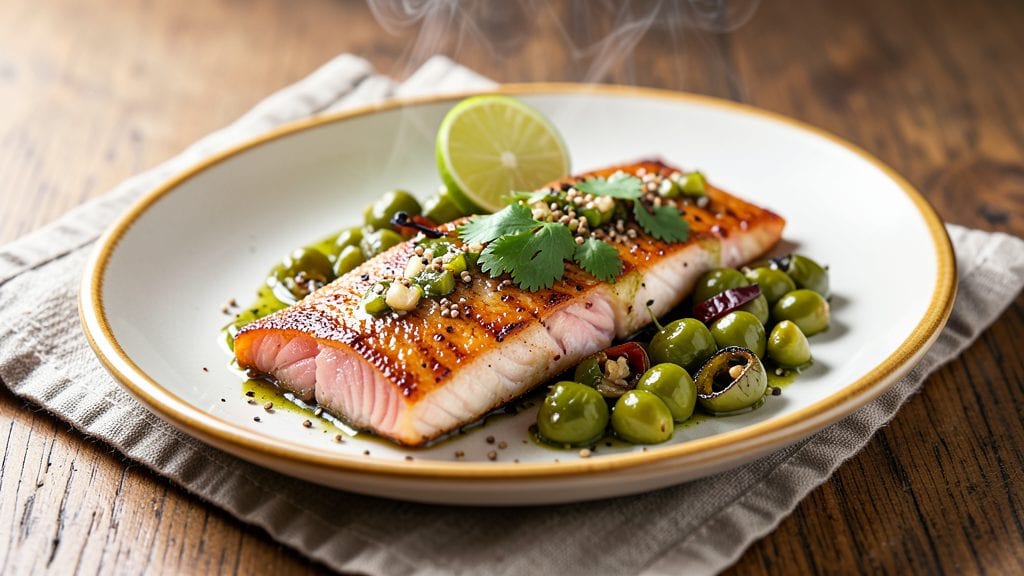
The red snapper Veracruz recipe transforms simple seafood into a vibrant, restaurant-worthy dish with just a few bright ingredients. This coastal classic combines tender snapper with a tangy tomato-citrus sauce, blending traditional Veracruz flavors—tomato, lime, and chili—into a dish that's both elegant and approachable.
I developed this version after years of perfecting the balance between bold spices and delicate fish, ensuring every bite delivers crisp edges and flaky, moist centers.
The magic lies in the sauce—fresh tomatillos and roasted chiles create a naturally sweet-tart base that brightens the dish without overpowering the snapper's natural flavor. A quick marinade of lime and garlic infuses the fish with zesty depth, while a crisp pan-sear locks in moisture for perfect texture.
This recipe delivers professional results in under 30 minutes, making it ideal for weeknight dinners or special occasions.
By the time you plate it, you'll have golden snapper fillets resting on a bed of vibrant sauce, garnished with fresh cilantro and lime wedges.
The aroma alone will draw everyone to the table, and the first bite delivers a perfect harmony of crisp, tender fish with a tangy-sweet sauce that lingers. Serve it with Mexican rice or grilled plantains to complete the Veracruz experience.
Whether you're cooking for two or a crowd, this recipe scales beautifully while maintaining its restaurant-quality balance. The technique is straightforward, but the result feels like a coastal escape—bright, fresh, and impossible to resist. Let's bring Veracruz flavors to your kitchen.
Ingredients for red snapper veracruz
Bright ingredients meet delicate fish in this Veracruz masterpiece—simple yet restaurant-worthy.
| Ingredient | Amount | Notes |
|---|---|---|
| Red Snapper Fillets 🐟 | 4 pieces | Skin-on, 6-8 oz each |
| Tomatillos 🍅 | 4 whole | Husk removed, rinsed |
| Garlic Cloves 🧄 | 6 cloves | Peeled, roughly chopped |
| Fresh Limes 🍋 | 3 whole | Juiced, zest reserved |
| Serrano Chiles 🌶️ | 2 whole | Stems and seeds removed |
| Fresh Cilantro 🌿 | ½ cup | Chopped, stems removed |
| Extra-Virgin Olive Oil 🫒 | ¼ cup | High-quality, fruity |
| All-Purpose Flour 🌾 | ¼ cup | For dredging fillets |
| Salt 🧂 | 1 ½ tsp | Kosher or sea salt |
| Ground Black Pepper 🌶️ | ½ tsp | Freshly ground preferred |
| Ground Cumin 🌿 | ½ tsp | Toasted for depth |
| Dried Oregano 🍃 | ½ tsp | Mexican oregano preferred |
| Tomato Paste 🍅 | 1 tbsp | Squeeze tube preferred |
| Fresh Jalapeño 🌶️ | 1 whole | Seeds removed, chopped |
The snapper is the star, so prioritize freshness—look for fillets with vibrant color and firm texture at seafood counters or trusted fishmongers like Whole Foods or Trader Joe's. If buying frozen, thaw overnight in the fridge for even cooking. Tomatillos and serrano chiles are the sauce's soul—farmers markets often carry them fresh, but the produce section of most grocery stores will have them too. For chiles, remove seeds for mild heat or keep them for a kick. The lime juice should be freshly squeezed (no bottled juice here)—it's the secret to that signature tang.
No tomatillos? Substitute with 1 cup diced Roma tomatoes and 1 tbsp lime juice to mimic the tartness. Serrano chiles unavailable? Use 1/2 tsp red pepper flakes or a dash of hot sauce for heat. Fresh cilantro wilting? Dried cilantro or parsley works in a pinch (use half the amount). For the flour dredge, cornstarch creates a lighter crust if preferred. The tomato paste can be skipped if you're using plenty of fresh tomatoes, but it adds depth—Trader Joe's sells great squeeze tubes for convenience. If you can't find Mexican oregano, regular dried oregano is fine, though the flavor will be slightly different.
Prep the sauce ingredients ahead—roast the tomatillos and chiles while you marinate the fish for maximum efficiency. The sauce keeps for 3 days in the fridge, so make extra for tacos or grilled fish. For the fillets, pat them dry before dredging to ensure a crisp crust. Serve immediately for the best texture, but leftovers reheat beautifully in a 350°F oven for 10 minutes. Store any unused sauce in an airtight container with a thin layer of olive oil on top to preserve freshness.
Why You'll Love This Recipe
- One-Pan Magic: The snapper sizzles while the tomatillo salsa simmers—no extra dishes, no stress. I swear by this: toss everything on one sheet pan, cover it, and let the garlic and lime work their magic.
- Tangy Kick: That bright tomatillo-lime sauce with a whisper of serrano? It’s the kind of flavor that makes you reach for seconds. The snapper stays flaky, the sauce clings perfectly—no dry bites here.
- Weeknight to Weekend: Same recipe works for Tuesday takeout or Saturday brunch. (Yes, even on a Tuesday night.) Serve it with rice, tortillas, or just a pile of warm bread—it’s that adaptable.
- Budget-Friendly Catch: Snapper’s leaner than other fish but packed with flavor—no fancy seafood prices here. Plus, leftovers reheat like a dream, so you’re not scrambling for dinner twice.
Step-by-step instructions for red snapper Veracruz
Here's how to create this vibrant, citrusy dish with perfectly seared fish and rich tomato-chile sauce.
Prepare the Tomatillo-Chile Sauce
In a medium saucepan, combine the 4 whole tomatillos, 6 cloves garlic cloves, 2 whole serrano chiles, 1 tbsp tomato paste, 1 whole fresh jalapeño, 0.5 cup fresh cilantro, 1.5 tsp salt, 0.5 tsp ground black pepper, 0.5 tsp ground cumin, and 0.5 tsp dried oregano. Add 1 cup water (from the 3 whole fresh limes after juicing) and the juice of 2 whole fresh limes. Bring to a boil over medium-high heat, then reduce to a simmer for 15-20 minutes until the sauce thickens and the tomatillos break down completely.
Use an immersion blender to purée the sauce directly in the pan until smooth. Taste and adjust seasoning—this sauce should be bright, tangy, and slightly spicy. The sauce will continue to thicken as it cooks with the fish, so don't over-reduce it now. Keep it warm over low heat while you prepare the snapper.
Season and Dredge the Snapper Fillets
Pat the 4 pieces red snapper fillets dry with paper towels—this ensures a crispy crust. In a shallow dish, combine 0.25 cup all-purpose flour, 0.5 tsp salt, and 0.25 tsp ground black pepper. Lightly dredge each fillet in the flour mixture, pressing gently to adhere. Shake off any excess flour, as you only want a thin, even coating.
Let the dredged fillets rest for 5 minutes while you heat the oil. This brief pause allows the flour to set slightly, preventing it from falling off during cooking. The snapper should be at room temperature when it hits the pan—this ensures even cooking and prevents curling.
Pan-Sear the Snapper to Perfection
Heat 0.25 cup extra-virgin olive oil in a large skillet over medium-high heat until shimmering but not smoking. Add the fillets skin-side down and cook for 3-4 minutes until the skin is golden brown and crispy. You'll see the edges curl slightly—that's your cue to flip carefully using a fish spatula.
Cook the other side for 2-3 minutes until opaque throughout and just cooked through. The internal temperature should reach 145°F when measured with an instant-read thermometer. Remove the fillets to a warm plate and tent loosely with foil to keep them warm while you finish the sauce.
Finish the Sauce and Combine
Return the skillet with the warm sauce to medium heat. Add the zest of 1 whole fresh lime and the remaining juice of 1 whole fresh lime. Simmer for 2-3 minutes to brighten the flavors and reduce slightly. The sauce should coat the back of a spoon but remain vibrant and glossy.
Gently stir the snapper fillets into the sauce, coating them evenly. Let them sit in the sauce for 1-2 minutes to absorb the flavors. Serve immediately over steamed rice or with warm tortillas, garnished with additional chopped cilantro if desired.
Pro Tips For Making Red Snapper Veracruz
- SEAR THE FISH FAST: Get your skillet screaming hot—think smoke starting to rise—before adding the snapper. I learned this the hard way: dragging it out means gray, rubbery fish instead of that perfect golden crust. Two minutes per side max; the flesh should flake easily with a fork but still hold together.
- ROAST THE TOMATILLOS: Char those tomatillos whole in a dry skillet for 5 minutes before blanching. The smoky depth cuts through the acidity of the lime and makes the sauce richer. Skip this, and your salsa will taste flat—like someone forgot the soul.
- CONTROL THE HEAT: Simmer the sauce low and slow after adding the fish. I used to blast it, and the snapper would turn to mush while the sauce boiled off. Keep it at a gentle bubble, and the flavors meld without falling apart.
- ZEST THE LIMES FIRST: Grate the zest over the fish and sauce while it cooks—it brightens everything instantly. I was skeptical until I tried it; now I can’t imagine skipping it. (Save the juice for finishing.)
Creative variations of this dish
Veracruz-Style Black Bean Twist
Swap the snapper for black beans and transform this into a hearty vegetarian dish. Simmer 1.5 cups cooked black beans in the tomatillo-chile sauce for 10 minutes until heated through.
Stir in ½ cup corn kernels and ¼ cup diced avocado just before serving. Top with crumbled queso fresco and extra cilantro for a vibrant, protein-packed bowl. 🌱
Spicy Grilled Plantain Version
For a sweet-and-spicy fusion, grill 2 ripe plantains until caramelized, then slice into strips. Toss them in the tomatillo-chile sauce for 5 minutes until tender. Serve over coconut rice with the snapper on the side for a Caribbean-Veracruz mashup. The plantains add natural sweetness that balances the sauce’s acidity.
Creamy Avocado Ceviche Fusion
Turn this into a ceviche by marinating 1 lb diced snapper in the sauce (without cooking) for 15 minutes in the fridge. Stir in 1 ripe avocado, ½ cup diced cucumber, and ¼ cup crumbled cotija cheese.
Serve with crispy tortilla chips for a refreshing, no-cook alternative. The avocado keeps the dish creamy while the lime keeps it bright.
Smoky Chipotle Infusion
Add 1 tsp adobo sauce from a can of chipotles in adobo to the sauce while simmering for a smoky depth. Top the finished dish with pickled red onions and a sprinkle of tajín for a modern twist on the classic.
This version works especially well with grilled corn or charred vegetables on the side.
Coconut Milk Upgrade
For a richer sauce, stir ½ cup coconut milk into the finished sauce just before serving. This adds a velvety texture that pairs beautifully with the snapper’s delicate flavor.
Garnish with toasted pumpkin seeds for crunch. The coconut milk also works well in the black bean variation for extra creaminess. 🥥
Breakfast Veracruz Tacos
Cook the snapper in the sauce, then flake it into warm corn tortillas with scrambled eggs and crumbled chorizo. Top with the sauce, avocado slices, and a squeeze of lime.
This breakfast version turns a dinner classic into a brunch star—perfect for weekend mornings. The spicy, tangy sauce cuts through the richness of the eggs beautifully.
Nutrition facts
Frequently asked questions
Can I use frozen red snapper for this Veracruz recipe?
Frozen snapper works perfectly, but thaw it overnight in the fridge for even cooking. Never thaw at room temperature, as this can promote bacterial growth. For best results, pat the fillets completely dry before dredging to ensure a crisp crust. The texture will be just as tender as fresh snapper when cooked properly.
How do I adjust the spice level in the tomatillo-chile sauce?
For milder heat, remove all seeds from the serrano chiles and jalapeño before adding them to the sauce. For extra spice, keep the seeds in or add a pinch of cayenne pepper. You can also serve the dish with sliced avocado or a dollop of sour cream to balance the heat for sensitive palates.
What's the best way to serve this Veracruz snapper?
This dish shines with classic Veracruz sides like steamed white rice or warm corn tortillas. For extra flair, add grilled plantains, black beans, or a simple avocado salad. The bright, tangy sauce pairs beautifully with crispy elements that cut through its richness.
Why did my snapper turn rubbery instead of staying tender?
Overcooking is the most common cause—red snapper cooks quickly and becomes rubbery when exposed to heat too long. Use an instant-read thermometer to check for 145°F internal temperature. Also ensure your fillets are 6-8 oz each and cook skin-side down first for even heat distribution.
Can I make this recipe ahead of time?
The sauce can be prepped 1 day ahead and stored in the fridge, but the snapper should be cooked fresh for best texture. Reheat gently in a skillet with a splash of water to prevent drying. For a make-ahead meal, consider the black bean variation which holds up better overnight.