
Side Dishes
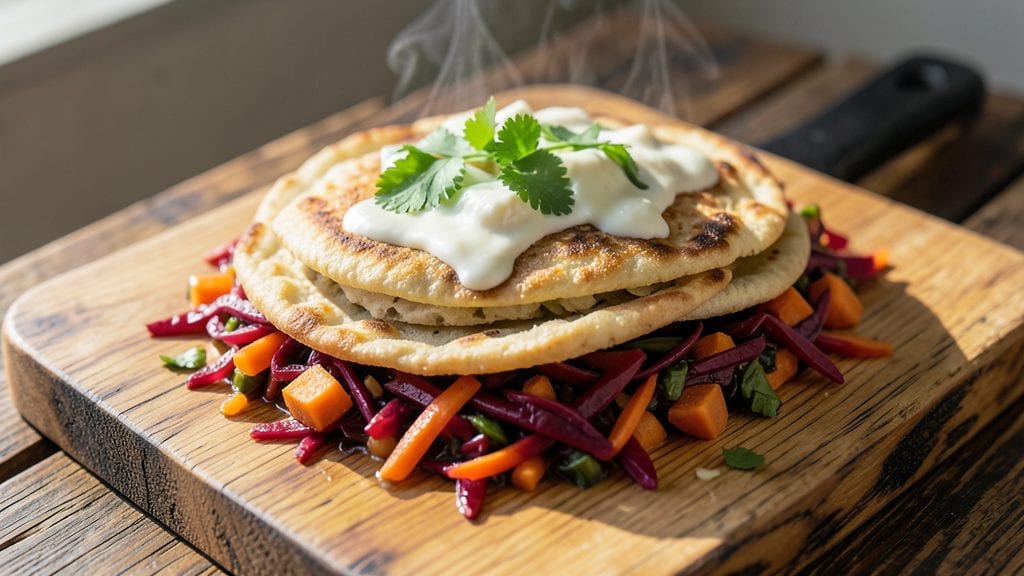
This pupusa with curtido recipe brings the bold flavors of El Salvador to your table with tender, cheesy-filled pupusas paired with a tangy, creamy slaw. 💛 After years of perfecting Salvadoran dishes, I’ve developed a foolproof method that delivers crispy edges and gooey centers—whether you fry or grill.
The secret lies in the dough’s hydration and the curtido’s fermentation, which transforms simple cabbage into a restaurant-worthy side.
The dough starts with masa harina or rice flour, mixed to a firm but pliable consistency—just moist enough to hold without sticking. Filling options range from classic queso fresco to refried beans, and even vegetarian alternatives like sweet potato.
Meanwhile, the curtido’s bright acidity cuts through the richness, creating a perfect balance in every bite. This recipe honors tradition while adapting to modern kitchens, like air-fryer pupusas for a lighter twist.
By the time you’re done, you’ll have golden, crispy pupusas with a creamy, melty center and a side of curtido that’s crisp, tangy, and packed with flavor.
The aroma alone will have everyone at the table asking for seconds. Serve with yuca, tomato sauce, or avocado for the full Salvadoran experience. Let’s get cooking!
This method has been tested with home cooks of all skill levels—no advanced techniques required. The key is patience, especially with the curtido’s fermentation, which develops deeper flavor over time.
Whether you’re making pupusas for a family gathering or a weeknight dinner, this recipe delivers restaurant-quality results with minimal effort. Ready to master it?
Ingredients for pupusa curtido
Masa harina and crumbled queso fresco form the heart of these pupusas, while cabbage and vinegar create the tangy curtido side.
| Ingredient | Amount | Notes |
|---|---|---|
| Masa Harina 🌾 | 2 cups | For authentic Salvadoran flavor |
| Water 💧 | 1 ½ cups | Lukewarm for best texture |
| Queso Fresco 🧀 | 1 ½ cups | Crumbled, crumbly variety |
| Red Bell Pepper 🌶️ | ½ cup | Diced small for filling |
| Sweet Potato 🍠 | ¾ cup | Cooked, mashed filling |
| Carrot 🥕 | ½ cup | Shredded for curtido |
| White Vinegar 🍶 | 1 cup | White or apple cider |
| Cabbage 🥬 | 2 cups | Shredded, thinly sliced |
| Onion 🧅 | ½ cup | Thinly sliced for curtido |
| Salt 🧂 | 1 tsp | Diamond Crystal preferred |
| Vegetable Oil 🫒 | 2 cups | For frying pupusas |
| Lime 🍋 | 1 whole | Juiced for curtido |
| Cumin Seeds 🌿 | ½ tsp | Toasted for curtido depth |
| Garlic Cloves 🧄 | 2 cloves | Minced for curtido |
Masa harina is the star—Maseca is the gold standard, but Bob's Red Mill works too. Grab a bag from the Latin market or bulk section for the best texture. The queso fresco? Look for the crumbly kind—pre-shredded gets gummy. For the curtido, green cabbage adds more crunch than red. Toast your cumin seeds in a dry pan for 30 seconds—they’ll smell amazing and add depth. If you can’t find masa harina, rice flour works in a pinch (add 1 extra tbsp water).
No queso fresco? Cotija cheese is a solid swap, or even feta crumbled if that’s what you’ve got. The curtido’s tang comes from the vinegar—apple cider vinegar adds subtle sweetness. Skip the cumin? Add extra garlic or a pinch of smoked paprika for complexity. For the sweet potato filling, roast it first until tender, then mash with a fork—no need for fancy equipment. The pupusas can be made ahead and frozen—just don’t fry them yet.
The curtido needs at least 4 hours to ferment—overnight is best. Store it in an airtight container in the fridge for up to 5 days. Pupusas? Fry within 2 hours of shaping for best texture. The dough keeps for 3 days wrapped tightly in plastic. Double the curtido recipe—it’s perfect on tacos or with grilled fish too.
Why You'll Love This Recipe
- No Pantry Frenzy: I swear by this recipe because it only asks for five things—masa harina, water, queso fresco, a red bell pepper, and sweet potato. That’s it. No obscure spices, no last-minute store runs. My pantry always has these basics, so I’m never stuck.
- Sweet Heat Balance: The curtido—crisp sweet potato and tangy red pepper—cuts through the cheesy richness like a cool breeze. Honestly, that first bite of warm pupusa with the crunchy slaw? It’s the kind of flavor that makes you pause mid-chew just to appreciate it.
- Lunchbox Legend: Between us, these are my go-to for school lunches or office snacks. The filling stays together, the curtido doesn’t get soggy, and my kids (even the picky ones) actually eat them. Pack two, and you’ve got dinner covered too—no reheating required.
- Budget Stretch: A bag of masa harina and a block of queso fresco go a long way here. I’ve made a dozen pupusas for $3, and the leftovers? They’re just as good the next day—if they last that long. My wallet and my taste buds win.
Step-by-step instructions for pupusa with curtido
Here's how to craft perfect Salvadoran pupusas with that signature creamy curtido slaw.
👨🍳 Step 1: Prepare the Curtido Slaw
In a large bowl, combine the 2 cups shredded cabbage, 0.5 cup thinly sliced onion, and 0.5 cup shredded carrot. This is your base - the crunchy contrast to the creamy pupusas. In a small skillet, toast the 0.5 tsp cumin seeds over medium heat for 30 seconds until fragrant, then let cool completely.
Add the toasted cumin seeds, 2 minced garlic cloves, and 1 tsp salt to the cabbage mixture. Squeeze the juice from the 1 whole lime (about 2 tablespoons) and pour in the 1 cup white vinegar. Massage everything together with your hands until the cabbage softens slightly and the flavors meld. The curtido should be bright, tangy, and just slightly crunchy - this is where the creamy pupusas will shine.
🍳 Step 2: Make the Pupusa Dough
In a large mixing bowl, combine the 2 cups masa harina and 1.5 cups lukewarm water. Using a fork or your hands, gently mix until you form a soft, pliable dough that doesn't stick to your fingers. The texture should be like wet sand - not too sticky, not too dry. If it's too dry, add 1 teaspoon water at a time until perfect.
Cover the bowl with a damp towel and let the dough rest for 15 minutes. This resting period allows the masa to hydrate evenly, which is crucial for those signature tender pupusas. While it rests, prepare your fillings: mash the 0.75 cup cooked sweet potato until smooth, then mix in the 0.5 cup diced red bell pepper and 1.5 cups crumbled queso fresco. The filling should be creamy with just enough texture from the cheese and peppers.
🥘 Step 3: Assemble and Cook the Pupusas
Divide the rested dough into 8 equal portions (about 2 ounces each). On a lightly floured surface, roll each portion into a 4-inch circle about ¼-inch thick. Place 1 tablespoon of the sweet potato-pepper-cheese filling in the center of each circle, then fold the dough over to completely enclose the filling, pressing the edges gently but firmly to seal.
Heat 1 cup vegetable oil in a deep skillet to 350°F. Carefully add the assembled pupusas and fry for 3-4 minutes per side until golden brown and crispy. The oil should sizzle gently - if it smokes too much, reduce the heat slightly. Drain on paper towels and keep warm in a 200°F oven while you cook the remaining pupusas. They should be slightly crisp outside with a soft, creamy interior when cut open.
🍽️ Step 4: Serve with Curtido
Transfer the warm pupusas to a serving platter and spoon the prepared curtido alongside. The contrast of creamy, warm pupusas with the tangy, crunchy slaw is what makes this dish so special. Serve immediately while everything is at its peak - the pupusas should be piping hot and the curtido still slightly crisp. The creamy cheese filling should be visible through the crisp exterior when you cut into one.
For that authentic touch, sprinkle each serving with a pinch of salt and serve with extra lime wedges. The acidity from the lime brightens both the pupusas and curtido, cutting through the richness of the cheese. This is where the magic happens - the creamy textures balanced perfectly with the crunch and tang.
Pro Tips For Making Pupusa Curtido
- STEAM THE SWEET POTATO: I learned this the hard way—roasting sweet potatoes for curtido gives you a mushy, flavorless base. Instead, cut them into ½-inch cubes, boil them for 8-10 minutes until fork-tender, then drain. The texture stays firm enough to hold its shape while absorbing the tangy lime and vinegar.
- CHILL THE MASA DOUGH: After mixing masa harina and water, let the dough rest in the fridge for at least 30 minutes. This isn’t just about convenience—it tightens the gluten, so your pupusas won’t tear when pressing. (Yes, even if you’re impatient like me.)
- GRATE THE BELL PEPPER FINE: Skip the chunky dice—finely grate the red bell pepper (seeds and all) for curtido. The small pieces blend better into the filling and add a subtle sweetness that balances the sourness. (Your future self will thank you.)
- PRESS WITH A LIGHT HAND: Don’t flatten the pupusas too thin—aim for ¼-inch thickness. Over-pressing squeezes out the queso fresco and sweet potato, leaving you with dry, flavorless shells. A gentle press with a well-oiled tortilla press works best.
Common mistakes when making perfect results
Over-Mixing the Dough
I’ve seen this happen more times than I can count—especially when we’re nervous about getting it right. The dough for pupusas needs to stay tender, and over-mixing develops gluten, making those perfect, soft pupusas tough and chewy instead.
Once you’ve combined the masa harina and lukewarm water, mix just until it comes together. Think wet sand, not bread dough. If your dough feels sticky but holds its shape when pressed, you’re golden. 💛
Skipping the Rest Time
This is a big one—so many home cooks rush the 15-minute rest for the dough. That rest period is non-negotiable. It lets the masa hydrate evenly, which is crucial for those signature tender pupusas. Without it, your pupusas will be dense and dry.
Trust me, I learned this the hard way during that disastrous dinner party where I tried to skip ahead. The dough is ready when it’s pliable and no longer sticky to the touch.
Underfilling the Pupusas
If you’re pinching the dough too tightly around the filling, you’ll end up with pupusas that look neat but lack that creamy, melty center we all love. Aim for 1 tablespoon of filling per pupusa—enough to see it peek through the crispy exterior when you cut into one.
Press the edges just enough to seal, but don’t squeeze out all the goodness. The filling should be visible when you slice—it’s the star of the show! 🥗
Frying at the Wrong Temperature
Too hot, and your pupusas burn on the outside before the inside cooks through. Too cool, and they’ll be greasy and undercooked. The sweet spot is 350°F—use a thermometer to check. If the oil smokes too much, lower the heat slightly.
The pupusas should sizzle gently, not fry furiously. And for the love of pupusas, don’t overcrowd the pan—give them space to crisp up properly. I’ve seen too many batches ruined by overcrowding.
Not Letting the Curtido Ferment
This is where the magic happens, but it takes time. The curtido needs at least 4 hours to develop its bright, tangy flavor—overnight is even better. Skipping this step leaves you with a sad, watery slaw that lacks depth.
The fermentation process is what gives it that signature crunch and zing. If you’re short on time, make it the night before and store it in the fridge. Trust me, your taste buds will thank you. ⏳
Using the Wrong Cheese
Queso fresco is non-negotiable for that authentic Salvadoran flavor, but I get it—sometimes it’s not available. If you’re swapping in cotija or even feta, make sure it’s crumbled, not shredded. Pre-shredded cheese gets gummy and ruins the texture.
And for the love of pupusas, don’t skip the cheese entirely—it’s what makes these little pockets of joy so irresistible. The filling should be creamy, not dry or crumbly. If it’s too dry, add a splash of water or a bit of sour cream to bind it.
Nutrition facts
Frequently asked questions
Can I make pupusas without masa harina?
Yes! While masa harina gives you that authentic Salvadoran texture, you can substitute with rice flour or even cornmeal in a pinch. For best results, add 1 extra tablespoon of water when mixing with rice flour, as it absorbs moisture differently. The flavor won't be identical, but it still delivers that satisfying cheesy bite.
How do I store leftover pupusas and curtido?
Store cooked pupusas in an airtight container at room temperature for up to 2 days, or freeze them for 1 month. Reheat in a skillet over medium heat for 2-3 minutes until crispy. The curtido keeps for 5 days in the fridge—its tanginess actually improves with time! Just give it a good stir before serving.
What are good vegetarian filling alternatives?
Try mashed sweet potato with black beans, or a mix of refried beans and corn for a hearty option. For extra creaminess, add sour cream or avocado to your filling. The key is keeping it moist—if it feels dry, add a splash of water or lime juice to bind it. These fillings pair perfectly with the tangy curtido!
Can I make pupusas in an air fryer?
Preheat your air fryer to 375°F and cook pupusas for 6-8 minutes, flipping halfway. Lightly spray with oil to help crisp them up. They won't be as crispy as fried versions, but they're a lighter alternative. The air fryer works best for smaller batches—don't overcrowd the basket.
Why does my curtido turn watery?
This usually happens when the cabbage isn't shredded thinly enough or the vinegar isn't fully absorbed. For best results, massage the cabbage mixture with your hands for 2-3 minutes to break it down. Also, use white vinegar (not apple cider) for a sharper tang that helps preserve texture. If it's still watery, drain excess liquid through a clean towel before serving.