
Main Courses
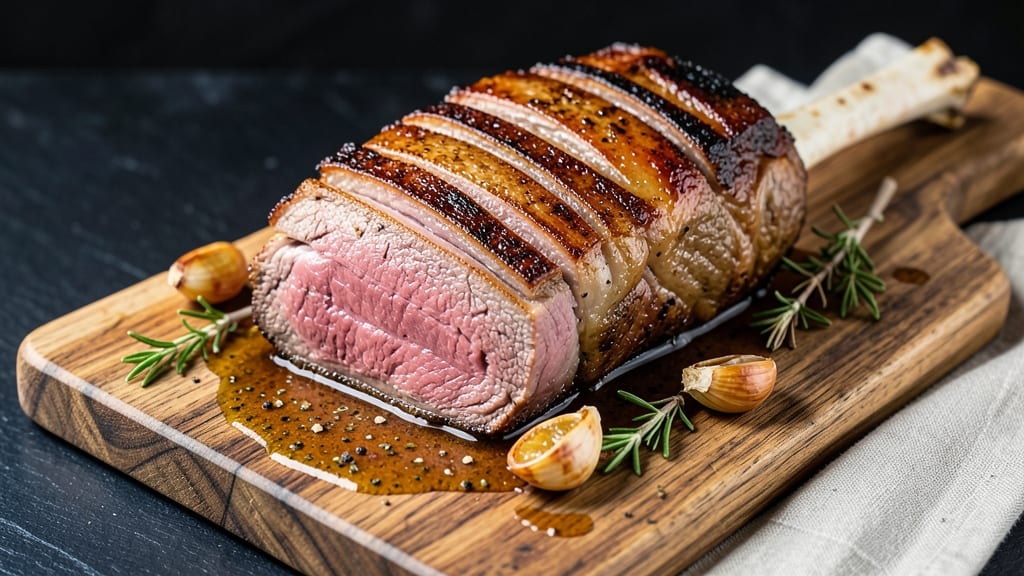
There's nothing quite like sinking your teeth into a prime rib tomahawk—that dramatic bone-in presentation makes every bite feel like a special occasion. I've spent years perfecting this showstopper, and the secret lies in slow-roasting the beef to achieve that perfect medium-rare crust while keeping the center tender.
The bone adds incredible flavor, and the presentation? Absolute drama.
This isn't just a recipe; it's an experience. You'll start with a dry brine that locks in juices, then sear the beef to create that coveted crust before finishing in the oven. The key is patience—rushing this dish ruins everything.
By the time you carve into that massive bone-in center cut, your kitchen will smell like a high-end steakhouse, and everyone at the table will be impressed.
What you'll end up with is a bold beef masterpiece—juicy, flavorful, and perfectly cooked with that beautiful red center. The bone adds depth to every bite, and the presentation makes it feel like you've just served up a restaurant-worthy meal.
Serve with horseradish cream, roasted vegetables, or mashed potatoes for the full experience. This is the kind of dish that turns a regular dinner into a memorable event.
Fair warning: once you try this, you'll never go back to regular roast beef. The bone-in drama isn't just for show—it's part of what makes this dish so special. Let's get cooking! Here's everything you need to make it happen.
Ingredients for prime rib tomahawk
Six pounds of bone-in beef, bold flavors, and a showstopping presentation—this is prime rib at its finest.
| Ingredient | Amount | Notes |
|---|---|---|
| Prime Rib Tomahawk Roast 🥩 | 6 lb | Bone-in, 2-3 inches thick |
| Kosher Salt 🧂 | ½ cup | For dry brine (plus extra) |
| Freshly Ground Black Pepper 🌶️ | 2 tbsp | Coarse grind preferred |
| Extra-Virgin Olive Oil 🫒 | ¼ cup | For searing |
| Fresh Thyme Sprigs 🌿 | 6 whole | For herb crust |
| Garlic Cloves 🧄 | 8 cloves | Smashed for crust |
| Fresh Rosemary Sprigs 🌿 | 4 whole | For herb crust |
| Unsalted Butter 🧈 | ½ cup | Cold, cubed for basting |
| Beef Bone Broth 🍲 | 2 cups | For oven finish (optional) |
| Red Wine 🍷 | 1 cup | Dry, for deglazing |
| Horseradish Cream 🧀 | 1 cup | For serving |
| Yellow Onion 🧅 | 1 whole | For roasted garnish |
| Baby Potatoes 🥔 | 2 lb | For side dish |
| Fresh Parsley 🌿 | ¼ cup | Chopped for garnish |
The beef is everything here. Look for a prime rib tomahawk with good marbling—Costco or Whole Foods usually carry the best cuts. A 6-pound roast serves 6 generously, so plan ahead. The bone isn't just for show—it adds incredible depth of flavor. If you can't find a tomahawk, a bone-in prime rib roast works too, but the presentation won't be as dramatic. For the dry brine, use Diamond Crystal kosher salt—it dissolves better than table salt. Pat the beef completely dry before seasoning; moisture is the enemy of a good crust.
No red wine? Beef broth with a splash of balsamic works just as well for deglazing. Fresh herbs are ideal, but dried thyme and rosemary at half the amount will do in a pinch. The potatoes can be swapped for roasted carrots or Brussels sprouts if you prefer. For the horseradish cream, prepared horseradish from a jar is fine, but fresh is better if you're feeling ambitious. The butter should be cold and cubed—don't skip this step, or you'll end up with a greasy mess. If you're short on time, pre-trimmed prime rib from D'Artagnan saves prep work.
This is a make-ahead dish—dry brine the beef overnight for maximum flavor. The roast reheats beautifully, so cook it a day ahead if you're serving a crowd. Store leftovers wrapped tightly in the fridge for 3-4 days or freeze for up to 3 months. The herb crust keeps for 2 days in the fridge if you make it ahead. For serving, let the roast rest for 15-20 minutes before carving—this keeps it juicy. The bone makes carving easier, but if you're nervous, ask your butcher for a demo before cooking.
Why You'll Love This Recipe
- Two-Ingredient Magic: I swear, this is the kind of recipe where you almost feel guilty for how little work it takes. A thick slab of prime rib, a sprinkle of kosher salt, and a few thyme sprigs—no fancy rubs, no basting drama. Just sear that bone-in beauty in a hot pan, let it rest, and slice into melt-in-your-mouth perfection. (Yes, even on a Tuesday night.)
- Rich Without Effort: That first cut reveals why people lose their minds over tomahawk steaks—the buttery fat rendering into the pan while the crust forms? It’s like the meat does all the heavy lifting. The thyme infuses just enough earthiness to balance the beef’s natural richness, and honestly? The salt does most of the flavor work for you.
- Leftovers That Shine: Between us, the best part might be the next day. Cold slices on toast with a fried egg? Wrapped in a tortilla for a steak sandwich? That prime rib holds up like a champ, and reheating it in the oven keeps it juicy. I’ve fed a crowd with one roast and still had enough for lunch the following week—no sad, dry leftovers here.
- Weekend-Worthy Simplicity: This isn’t your grandma’s holiday centerpiece—it’s the kind of dish that makes you look like a hero without stressing you out. No brining, no dry-brining, no basting every five minutes. Just a little olive oil, a hot pan, and 30 minutes of your time. Perfect for when you want to impress but also want to enjoy the actual meal.
Step-by-step instructions for prime rib tomahawk roast
Here's how to create a showstopping prime rib with perfect crust and tender meat every time.
Dry Brine the Prime Rib for Maximum Flavor
Remove the prime rib from the refrigerator and pat it completely dry with paper towels. This step is crucial—moisture on the surface prevents that beautiful crust from forming. Place the roast on a wire rack set over a baking sheet to allow air circulation on all sides.
In a small bowl, combine the 0.5 cup kosher salt and 2 tablespoons freshly ground black pepper. Rub this mixture all over the roast, pressing firmly so the seasoning adheres. Don't forget the cavity—generously season the inside as well. Wrap the roast tightly in plastic wrap and refrigerate for 24 hours. This dry brine process ensures deep seasoning and helps create that coveted crust.
I know it seems like a long wait, but trust me—this makes all the difference. The salt will penetrate the meat, while the surface dries out just enough for that perfect sear later. After brining, remove the roast from the fridge and let it sit at room temperature for 1 hour before cooking to ensure even cooking throughout.
Sear the Prime Rib for a Crispy Crust
Preheat your oven to 450°F. While the oven heats, place the prime rib on a cutting board and pat it dry again with fresh paper towels. This second drying step is essential—it removes any moisture that may have condensed during brining.
Heat a large oven-safe skillet (or roasting pan) over high heat until it's very hot. Add the 0.25 cup extra-virgin olive oil and let it get smoking hot. Carefully place the prime rib in the skillet, fat-side down, and sear for 5 minutes without moving it. You want the fat to render and the bottom to develop a deep golden crust. Flip the roast and sear the other side for another 5 minutes.
Here's where things get exciting—transfer the skillet to the preheated oven. The residual heat will help create that perfect crust while the meat begins to cook through. If you don't have an oven-safe skillet, you can sear in a regular pan and transfer to a roasting pan for oven cooking.
Create the Herb Crust and Baste the Roast
While the prime rib begins cooking, prepare the herb crust. In a small bowl, combine the 6 whole fresh thyme sprigs, 8 smashed garlic cloves, and 4 whole fresh rosemary sprigs. Remove the prime rib from the oven and place it on a cutting board. Gently press the herb mixture onto the top of the roast, creating a thick, even layer. This will become your flavorful crust.
Return the roast to the oven and reduce the temperature to 325°F. Here's a pro tip—I like to baste the roast every 30 minutes with melted butter. Remove the roast from the oven and spoon the 0.5 cup unsalted butter (melted) over the top, letting it pool in the center. The butter will baste the meat as it cooks, adding richness and helping to create a glossy finish.
Cook the prime rib for 2 to 2.5 hours, or until the internal temperature reaches 120°F for medium-rare. This is where patience pays off. The meat will continue to rise in temperature as it rests, so don't overcook it. Use a meat thermometer to check the temperature—it's the only reliable way to ensure perfect doneness.
Finish with a Wine Reduction and Rest the Roast
Once the prime rib reaches 120°F, remove it from the oven and let it rest on a cutting board for 15 minutes. While it rests, create a quick reduction to deglaze the pan. Place the skillet (or roasting pan) on the stovetop over medium heat and add the 1 cup red wine. Scrape up any browned bits from the bottom of the pan with a wooden spoon—these are packed with flavor. Simmer the wine until it reduces by half, about 5 minutes. You can use this reduction to baste the roast before slicing or serve it as a sauce on the side.
While the wine reduces, prepare the side dishes. Peel and quarter the 2 lb baby potatoes and toss them with 0.25 cup extra-virgin olive oil, 1 tablespoon kosher salt, and 1 teaspoon freshly ground black pepper. Roast them at 400°F for 30-40 minutes until golden and crispy. Slice the 1 whole yellow onion into rings and caramelize them in a separate pan with a little butter and oil until golden brown.
After the rest period, slice the prime rib against the grain into 1-inch thick slices. Arrange the slices on a platter, drizzle with the wine reduction, and garnish with the chopped 0.25 cup fresh parsley. Serve immediately with the roasted potatoes, caramelized onions, and a dollop of 1 cup horseradish cream on the side. The contrast of the creamy horseradish with the rich, beefy prime rib is simply divine.
Pro Tips For Making Prime Rib Tomahawk
- Salt the Bone First: Before you even think about searing, rub the exposed bone end of the tomahawk with kosher salt—it crisps up like a little edible crust. I learned this the hard way after serving a guest a dry, salty bone that ruined the whole bite. Trust me, it’s worth the extra 30 seconds.
- Sear Bone-Side Down: Lay the tomahawk bone-side down first in the pan—it’s the thickest part and needs the most time to render fat. After 10 minutes, flip it to the meat side for that golden crust. I used to flip too soon, and the bone stayed greasy while the meat stayed pale.
- Use a Meat Thermometer: Pull the prime rib when the internal temp hits 115–120°F for medium-rare—it’ll rise another 5–10°F while resting. My first time, I eyeballed it and ended up with a dry, overcooked mess. Now I don’t even guess.
- Rest Under Foil: Tent the tomahawk loosely with foil for 15–20 minutes after roasting—keeps it juicy without steaming it into a soggy pile. I know, I know, it’s tempting to slice immediately, but your future self will thank you. (Yes, even if you’re impatient like me.)
Regional styles of prime rib tomahawk
Classic Texas Style
The Texas approach to prime rib tomahawk focuses on bold flavors and a deep red wine reduction that cuts through the richness. Locally sourced beef from Texas cattle ranches is preferred, but any high-quality prime rib works.
Here, the roast is generously seasoned with coarse salt and cracked black pepper, then seared in a cast-iron skillet before finishing in the oven. The key difference?
A bold red wine reduction made with Cabernet Sauvignon—locals often use Texas Hill Country wines—that's reduced with beef broth for extra depth. Serve with creamy mashed potatoes and smoky grilled vegetables for a true Lone Star State experience. 🌶️
New York Diner Drama
In New York, prime rib tomahawk is all about presentation and that iconic horseradish cream sauce. The beef is cooked to a perfect medium-rare with a crispy herb crust, then sliced tableside for maximum drama.
The city's diners often use New York-cut prime rib (thicker and more marbled) and serve it with golden roasted potatoes and caramelized onions. The secret? A quick sear in a screaming-hot pan followed by a slow oven finish.
For authenticity, add a pinch of smoked paprika to the herb crust. The bone is always left intact—it's part of the show! 🍽️
Chicago Deep-Dish Twist
Chicago chefs put their own spin on prime rib tomahawk by incorporating deep-dish flavors. The beef is cooked with a garlic-herb butter baste that includes fresh sage and black peppercorn, giving it a slightly sweet, aromatic crust. The sides? Cheesy deep-dish potato gratin and roasted Brussels sprouts with bacon.
The presentation is equally dramatic—sliced against the grain and arranged on a platter with the bone prominently displayed. For a true Windy City touch, finish with a drizzle of white truffle oil and crispy fried shallots. This version is heartier and more flavorful than the classic. 🌟
California Farm-to-Table
West Coast chefs focus on fresh, local ingredients and lighter seasonings. The prime rib tomahawk here is often sourced from California cattle and seasoned simply with sea salt, cracked pepper, and fresh rosemary. The cooking method is similar—sear, then slow-roast—but the sides are where it shines.
Think roasted heirloom carrots, wild mushroom risotto, and arugula salad with lemon vinaigrette. The wine reduction is made with California Zinfandel for a fruity contrast. The bone is left intact, but the presentation is cleaner, highlighting the natural beauty of the beef. 🌿
French Bistro Elegance
For a French-inspired take, the prime rib tomahawk is cooked with a dijon mustard and herb crust that adds a tangy depth. The beef is seared in duck fat (for extra richness) and finished with a red wine and shallot reduction.
Serve with crispy pommes frites, ratatouille, and a classic béarnaise sauce. The French approach emphasizes precision—every slice must be perfectly medium-rare with a glossy finish. The bone is left in for presentation, but the focus is on the silky texture of the meat.
Garnish with fresh chives and parsley for a touch of elegance. 🥖
Nutrition facts
Frequently asked questions
What makes a prime rib tomahawk different from regular prime rib?
The tomahawk cut includes the entire T-bone and part of the ribeye, creating a dramatic presentation with the bone still attached. This bone adds incredible flavor while making the roast more flavorful overall. The presentation is what sets it apart—it's a showstopper that makes any dinner feel special. The bone also helps retain moisture during cooking.
How long should I let the prime rib rest before slicing?
Always let the roast rest for 15-20 minutes after removing it from the oven. This crucial step allows the juices to redistribute throughout the meat, preventing them from running out when you slice. Skipping the rest time will leave you with dry, disappointing beef. Place it on a cutting board and loosely cover with foil while it rests.
Can I cook prime rib tomahawk without a meat thermometer?
While challenging, you can estimate doneness by inserting the tip of a knife into the thickest part—it should feel slightly springy for medium-rare. However, a meat thermometer is the only reliable method. For medium-rare, aim for 120-125°F internal temperature. Remember, the meat will rise 5°F while resting, so pull it out slightly earlier than your target temperature.
What's the best way to reheat leftover prime rib tomahawk?
Slice the leftovers thinly and reheat in a skillet over medium-low heat with a splash of beef broth until warmed through. Never microwave—it makes the meat tough. For thicker slices, warm in the oven at 300°F for 10-15 minutes with a bit of butter. The bone helps retain moisture, so reheating is easier than with boneless cuts.
How can I make the herb crust extra flavorful?
Add 1 tablespoon of fresh thyme leaves and 1 teaspoon of minced shallots to your herb mixture for extra depth. You can also infuse the butter with garlic and fresh herbs by melting it with thyme and rosemary sprigs before basting. For a smoky twist, add a pinch of smoked paprika to the herb crust. The key is freshness—never use dried herbs directly in the crust.