
Main Courses
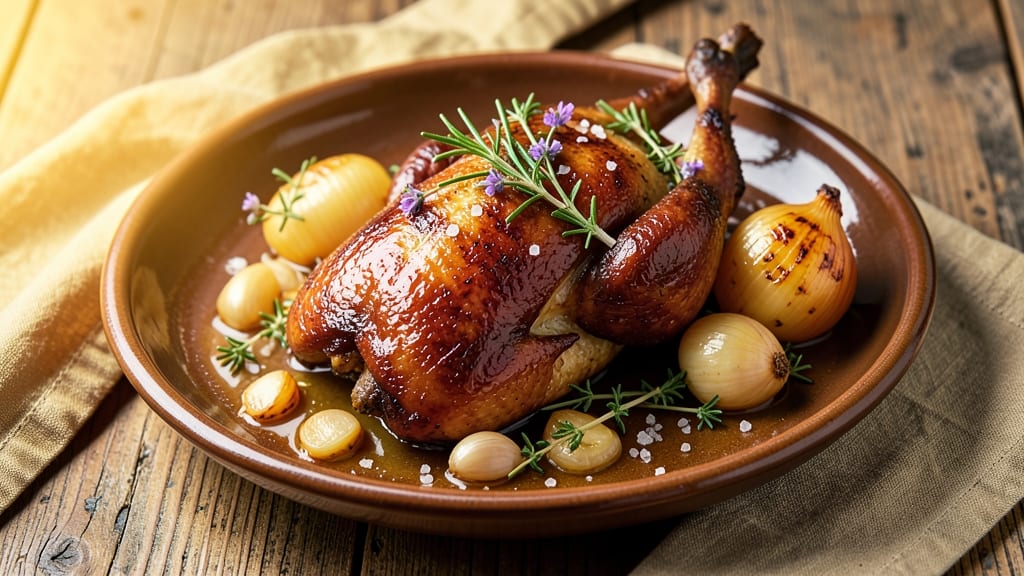
This potted duck recipe transforms a simple duck into a showstopping centerpiece with tender meat, crispy skin, and a rich, caramelized glaze that's worth every minute of slow braising.
The secret lies in the balance of time and temperature—low and slow for melt-in-your-mouth richness, then a high-heat finish to achieve that coveted crispy skin. I developed this method after years of experimenting with traditional techniques, refining it to deliver restaurant-quality results at home.
The process begins with a dry brine that keeps the meat juicy, followed by a slow braise in aromatic herbs and spices until the skin renders perfectly.
What sets this apart is the final crisping stage, where the duck is basted with its own rendered fat and glazed with a touch of honey and soy for depth. The result?
A duck so flavorful and tender that even the bones are succulent, served with a glossy, caramelized crust that cracks with every bite.
Pair this dish with roasted root vegetables or a simple green salad to let the duck shine as the star. The slow-cooked method means you can prepare it ahead, making it ideal for special occasions or when you want to impress without stressing.
By the time you serve it, your guests won’t believe it came from a single bird—just careful technique and patience.
This recipe isn’t just about the duck; it’s about the experience. The aroma filling your kitchen as it braises, the satisfying crack of crispy skin, and the rich, savory sauce pooling beneath—every detail is designed to elevate a weeknight dinner into something memorable.
Let’s get started on creating your perfect potted duck.
Ingredients for potted duck
Fourteen ingredients. One unforgettable duck. Crispy skin, melt-in-your-mouth meat—this is restaurant magic at home.
| Ingredient | Amount | Notes |
|---|---|---|
| Whole Duck (5-6 lbs) 🦆 | 5 ½ lbs | Fresh, skin-on preferred |
| Kosher Salt 🧂 | ½ cup | For dry brining |
| Fresh Thyme Sprigs 🌿 | 8 whole | Stems intact for braising |
| Fresh Rosemary Sprigs 🌿 | 4 whole | Woody stems trimmed |
| Garlic Cloves 🧄 | 8 cloves | Smash slightly for flavor |
| Onion (Yellow) 🧅 | 1 whole | Quartered, peel on |
| Carrots (Large) 🥕 | 4 whole | Whole, scrubbed clean |
| Celery Stalks 🌿 | 4 whole | Cut into 2-inch pieces |
| Duck Fat (or Olive Oil) 🫒 | ¼ cup | Rendered from duck skin |
| Honey 🍯 | 2 tbsp | Dark amber preferred |
| Soy Sauce 🍶 | 1 tbsp | Light or dark |
| Black Peppercorns 🌶️ | 1 tsp | Freshly cracked |
| Bay Leaves 🍃 | 2 whole | Dried, standard size |
| Red Wine (Dry) 🍷 | ½ cup | Bold like Cabernet |
| Fresh Parsley 🌿 | ¼ cup | Chopped, for garnish |
The duck is everything here. Whole, 5-6 lbs is ideal—smaller birds dry out, bigger ones take forever. D'Artagnan or local butcher are your best bets for quality. Look for bright skin, no yellowing, and firm flesh. Pat it dry before brining—moisture is the enemy of crispy skin. I always buy mine a day ahead to let it air out in the fridge. The herbs? Fresh is non-negotiable—Trader Joe's has great bundles, but even your grocery store's herb section works if they're vibrant. Smash those garlic cloves gently with your palm—just enough to bruise, not mash into paste.
No duck fat? Olive oil works in a pinch, but rendered duck fat is pure gold. Short on red wine? Beef broth with a splash of balsamic mimics the depth. Fresh thyme and rosemary? Dried at half the amount gets you close, but the flavor won't be the same. The carrots and celery can be baby versions if that's what you've got—just adjust the quantity to match. For the honey, avoid clover honey if you can; darker varieties like buckwheat add more complexity. And yes, you can skip the soy sauce if you're avoiding sodium, but it's worth the umami boost.
This dish tastes even better the next day—plan ahead. The braised veggies keep for 5 days in the fridge, but the duck? 3 days max unless you're freezing. Wrap the duck tightly in foil before storing, and keep the braising liquid separate—it's amazing over rice or mashed potatoes. For reheating, low oven (300°F) for 20 minutes keeps the skin crispy. The leftovers? Duck confit sandwiches are my go-to—crispy skin, creamy meat, and all the flavor concentrated in one bite.
Why You'll Love This Recipe
- One-Pan Magic: I swear by this—just salt, herbs, and garlic stuffed inside that duck. No chopping, no fuss, and the oven does all the work while I sip wine and pretend I’m a fancy chef.
- Herb-Crusted Perfection: That crispy skin? Chef’s kiss. The rosemary and thyme cling to the meat like a hug, while the garlic infuses every bite with a savory punch that’s hard to resist.
- Leftovers That Shine: Between us, the best part is the next day. Shred that duck into sandwiches, toss it into pasta, or serve it cold—it’s just as good, if not better, reheated.
- Budget-Friendly Feast: A whole duck feeds a crowd without breaking the bank. Honestly, it’s my go-to for gatherings, and the leftovers stretch into meals that’ll have everyone asking for the recipe.
Step-by-step instructions for potted duck recipe
Here's how to transform a simple duck into a showstopping centerpiece with irresistible crispy skin and velvety braised meat.
Dry Brine the Duck for Maximum Crisp
Pat the 5.5 lbs whole duck completely dry with paper towels—this is non-negotiable for crispy skin. Place it skin-side up on a wire rack set over a baking sheet. Sprinkle the 0.5 cup kosher salt evenly over the entire duck, including inside the cavity. I like to press the salt into the skin gently with my fingers so it adheres well.
Cover loosely with plastic wrap and refrigerate for 24 hours. This dry brine process draws out moisture from the skin while seasoning the meat deeply. When you remove it from the fridge, the skin should feel dry to the touch—this is your signal it's ready for the oven. Don't skip this step; it's what creates that legendary crispy skin we're after.
Render Duck Fat and Sear the Skin
Preheat your oven to 375°F. Remove the duck from the fridge and let it sit at room temperature for 30 minutes. Place the duck skin-side down in a large roasting pan and transfer to the preheated oven for 45 minutes. This slow roast allows the fat to render out gradually, creating a golden, crackling skin.
After 45 minutes, remove the duck and increase the oven temperature to 425°F. Using tongs, carefully transfer the duck to a wire rack set over a baking sheet. Let it rest for 5 minutes while you collect the rendered duck fat from the roasting pan—you should have about 0.25 cup. Strain out any solids and set aside. This fat is pure liquid gold for finishing your dish.
Prepare the Braising Vegetables and Aromatics
While the duck rests, prepare your vegetables by quartering the 1 whole yellow onion, leaving the peel on for color. Cut the 4 whole large carrots into 2-inch chunks and slice the 4 whole celery stalks into similar pieces. Smash the 8 garlic cloves lightly with the flat side of your knife to release their flavor without mincing them.
Heat the 0.25 cup duck fat (or olive oil) in a large Dutch oven over medium heat. Add the onions, carrots, and celery, cooking for 8-10 minutes until they begin to soften and caramelize. Add the smashed garlic cloves, 4 whole fresh rosemary sprigs, 8 whole fresh thyme sprigs, 2 whole bay leaves, and 1 tsp freshly cracked black peppercorns. Cook for another 2 minutes until fragrant.
Braise the Duck to Tender Perfection
Carefully place the duck skin-side up in the Dutch oven with the vegetables. Pour in the 0.5 cup dry red wine, scraping up any browned bits from the bottom of the pan. Add the 2 tbsp honey and 1 tbsp soy sauce, then bring everything to a simmer. Cover tightly with a lid and transfer to a 325°F oven.
Braise for 2 to 2.5 hours until the duck is fork-tender and the meat pulls away from the bone easily. You'll know it's done when the internal temperature reaches 165°F in the thickest part of the thigh. The skin should be deep golden brown and crispy, while the meat underneath should be moist and rich. If the liquid reduces too much, add a splash of water or broth to keep the duck submerged.
Finish with Crispy Skin and Garnish
Remove the duck from the braising liquid and place it skin-side up on a baking sheet. Increase the oven temperature to 450°F and broil for 3-5 minutes until the skin is deeply crispy and crackling. Watch it closely—broilers vary, and you want it golden, not burnt.
While the duck crisps, skim any fat from the braising liquid and strain it through a fine-mesh sieve into a saucepan. Simmer over medium heat until reduced by half, about 5-7 minutes. Stir in the chopped 0.25 cup fresh parsley just before serving. Carve the duck at the table for maximum drama, serving the crispy skin with the rich braising sauce spooned over the top.
Pro Tips For Making Potted Duck
- CRANK THE OVEN HIGH FIRST: Start your duck at 425°F for the first 20 minutes—this isn’t just browning, it’s building that crispy crust you’ll lose if you go slow. After that, drop to 325°F to finish cooking, but those first scorching minutes make all the difference for flavor and texture.
- SALT THE DUCK INSIDE: Don’t just salt the skin—score the duck’s breast and thighs in a crosshatch, then rub kosher salt into the flesh. I learned this the hard way: dry salt on the meat keeps the juices from pooling and turning the duck into a soggy mess.
- STUFF THE Cavity With Garlic: Pack 6-8 smashed garlic cloves, thyme, and rosemary into the duck’s cavity—yes, even if it looks ridiculous. The steam from the garlic infuses the meat as it roasts, giving you that aromatic depth without extra effort.
- LET IT REST—NO EXCUSES: Take the duck out of the oven and tent it with foil for a full 20 minutes before carving. I know, I know, you’re hungry, but cutting into it too soon sends all that rendered fat and juice running out—you’ll end up with dry meat and a greasy plate.
Wine and beer pairings for this recipe
Red Wine Classics
For this rich, braised duck, a bold Cabernet Sauvignon from Napa Valley is my go-to choice. The tannins and dark fruit notes cut through the duck's fat while complementing its caramelized crust.
I recommend a 2018 or newer vintage with 14-16% ABV—enough body to stand up to the dish's intensity. Chill slightly before serving to soften the tannins and enhance the wine's aromatic qualities. 🍷
Port Wine Pairing
Aged Ruby Port adds a luxurious touch that mirrors the duck's deep, caramelized flavors. The wine's sweetness balances the dish's richness, while its spice notes enhance the rosemary and thyme in the braising liquid.
Serve slightly chilled to let the wine's complexity shine alongside the duck's crispy skin. Look for a 10-year Tawny Port for the perfect balance of sweetness and acidity.
Beer Options
A malty Belgian Dubbel like Westmalle Dubbel provides a perfect contrast to the duck's richness. The beer's caramel and dark fruit notes complement the honey glaze, while its moderate alcohol content (6.5% ABV) cleanses the palate between bites.
For a lighter option, try a German Dunkel—its roasted malt flavors pair beautifully with the duck's caramelized crust.
Cocktail Pairings
For a festive touch, serve a Dry Manhattan made with rye whiskey, sweet vermouth, and a dash of Angostura bitters. The cocktail's herbal notes and slight sweetness enhance the duck's aromatic herbs and crispy skin.
Garnish with a lemon twist to brighten the palate. Alternatively, a Whiskey Sour with bourbon and lemon juice adds a refreshing contrast to the rich duck.
Non-Alcoholic Options
For non-drinkers, a sparkling pomegranate juice with a splash of ginger beer offers a refreshing contrast. The tartness of the pomegranate cuts through the duck's richness, while the ginger adds a subtle kick.
Chill thoroughly before serving to enhance its crispness. Another great option is hibiscus iced tea—its floral notes complement the duck's herbal braising aromatics.
Serving Temperature Tips
Serve red wine at 60-65°F to preserve its aromatic qualities, while beer should be chilled to 40-45°F for optimal refreshment. Let your Port or Dubbel sit at room temperature for 10-15 minutes before serving to enhance its depth.
For cocktails, serve them well-chilled (38-42°F) to maintain their crispness and highlight their flavors. 💡
Nutrition facts
Frequently asked questions
How long can I prepare potted duck ahead of time?
The beauty of this dish is that it tastes even better the next day! The duck itself keeps well for 3 days in the refrigerator when stored properly in an airtight container with its braising liquid. The braised vegetables can be made 5 days ahead, but the duck should be reheated separately to maintain crispiness. For freezing, wrap the cooked duck tightly in foil and freeze for up to 3 months—just thaw overnight in the fridge before reheating.
Can I substitute red wine in the braising liquid?
If you prefer not to use wine, substitute with 1 cup of beef or duck broth plus 1 tablespoon balsamic vinegar for depth. For a non-alcoholic version, use grape juice with a splash of red wine vinegar. The key is maintaining the balance of acidity and richness—just ensure whatever you use simmers until reduced by half to concentrate the flavors.
Why is my duck skin not crispy?
Crispy skin starts with proper drying and timing. First, ensure you pat the duck completely dry before brining and roasting—even a little moisture prevents crispiness. Second, don't skip the 24-hour dry brine or the initial 45-minute low-temperature roast at 375°F to render fat. Finally, the final broil at 450°F must be watched closely—overcooking burns it, while undercooking leaves it soft. If all else fails, try broiling for 2 minutes on each side after the braise.
What's the best way to carve potted duck?
Carving at the table adds drama! Start by removing the legs at the joint, then slice between the breast and thigh bones to separate them. For the breast, cut against the grain into ½-inch thick slices. Save any remaining meat from the carcass for stocks or confit. Pro tip: Use sharp carving shears or a long knife to make clean cuts—this preserves the crispy skin and keeps slices uniform.
Can I make this recipe in a slow cooker?
While not ideal for crispy skin, you can adapt this method! Sear the duck first in a skillet, then transfer it to the slow cooker with all braising ingredients. Cook on Low for 6-7 hours or High for 4-5 hours until tender. For crispiness, broil the duck for 3-5 minutes after removing it from the slow cooker. The skin won't be as perfect, but the meat will still be rich and flavorful.