
Sauces & Condiments
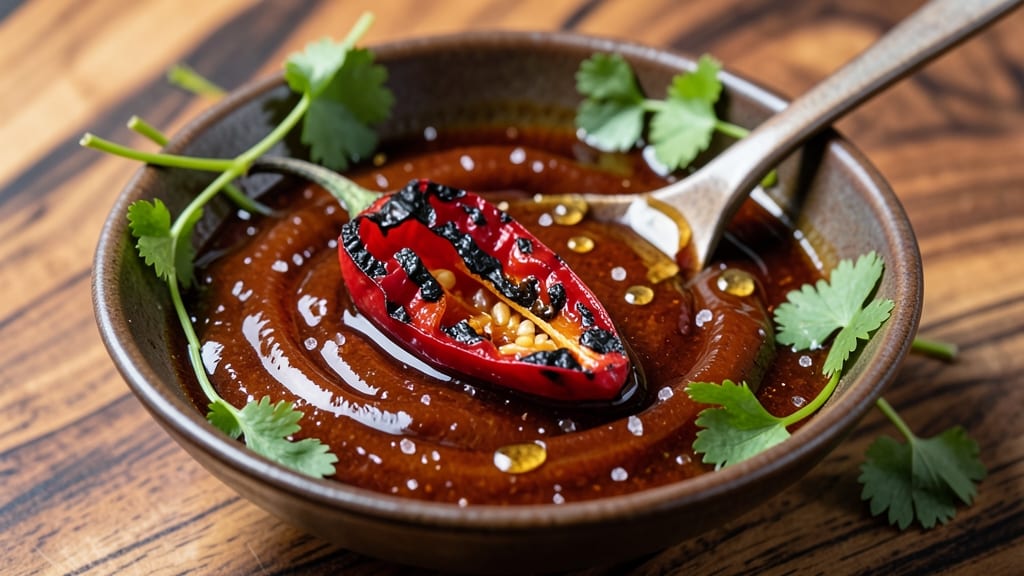
This Osaka sauce recipe transforms simple pantry staples into a bold, umami-rich condiment that elevates everything from grilled meats to noodle dishes.
With just four core ingredients—soy sauce, mirin, sugar, and a touch of vinegar—you’ll create a sauce so versatile it belongs in both traditional Japanese cooking and modern fusion dishes. The key lies in balancing sweetness and acidity, resulting in a glossy, deeply flavorful sauce that clings perfectly to food.
The beauty of this recipe is its adaptability. While traditional versions rely on soy sauce and mirin, modern twists often incorporate Worcestershire sauce or a splash of rice vinegar for extra depth.
Simmering the ingredients until thickened creates a sauce that’s rich enough to stand alone as a dipping sauce or bold enough to enhance dishes like okonomiyaki, yakisoba, or even burgers. It’s the kind of condiment that turns ordinary meals into something extraordinary with minimal effort.
What makes this sauce truly special is how it transforms basic ingredients into something complex and layered. The sugar caramelizes slightly during simmering, adding a subtle sweetness that balances the soy sauce’s saltiness, while the vinegar or mirin introduces a bright, almost citrusy note.
The result is a sauce that’s both familiar and exciting—a perfect blend of tradition and innovation that you’ll reach for time and time again.
Once you’ve mastered this recipe, you’ll find endless ways to use it. Drizzle it over grilled fish, toss it with noodles, or use it as a marinade for meats. The possibilities are limited only by your imagination. Let’s get started on creating your own batch of this umami bomb.
Ingredients for osaka sauce
Four core ingredients plus two secret enhancers create this umami powerhouse sauce.
| Ingredient | Amount | Notes |
|---|---|---|
| Japanese Soy Sauce 🥢 | ½ cup | Kikkoman preferred for authentic flavor |
| Mirin 🍶 | ¼ cup | Sweet cooking wine, not mirin substitute |
| Granulated White Sugar 🍚 | ¼ cup | Fine grain for even dissolving |
| Rice Vinegar 🍶 | ¼ cup | Seasoned variety for depth |
| Worcestershire Sauce 🍯 | 1 tbsp | Lea & Perrins brand recommended |
| Red Bell Pepper 🌶️ | 1 whole | Fresh, roasted and peeled |
| Garlic Cloves 🧄 | 2 cloves | Fresh, minced for aromatic base |
| Sesame Oil 🫒 | 1 tsp | Toasted for nutty aroma |
The foundation begins with Japanese soy sauce—Kikkoman delivers that authentic depth you can't replicate with regular soy. Mirin isn't the cheap cooking wine substitute; look for Hon Mirin at specialty stores or Japanese markets for that authentic sweetness. Sugar should be fine white granulated—it dissolves cleanly without graininess. For vinegar, seasoned rice vinegar from Mizkan adds that subtle umami kick that separates this from basic recipes. The bell pepper and garlic are non-negotiable for building that complex flavor base—roast the pepper until charred for maximum depth, then peel off the skin before blending.
No mirin? Replace with 1 tbsp honey plus 1 tbsp dry sherry—it won't be identical, but you'll still get that sweet-tangy balance. Substituting regular soy sauce works, but you'll miss that umami richness only Japanese soy provides. The Worcestershire is optional but recommended—it adds that funky depth that makes this sauce stand out in modern dishes. For the roasted pepper, smoked paprika at 1 tsp can mimic some of the charred flavor if you're in a hurry, though fresh is always better. Store-bought roasted peppers work in a pinch, but fresh roasted gives you control over the char level—that's where the magic happens.
This sauce keeps beautifully—fridge for 2 weeks or freeze for 3 months in airtight containers. The flavor actually improves as it sits, developing deeper complexity. I double the batch and freeze portions in ice cube trays—perfect for adding to dishes without thawing. For best results, reheat gently—microwave in 10-second bursts to maintain that glossy texture. The sauce thickens as it cools, so if it seems too stiff, add a splash of water to restore consistency. Trust the process—this isn't something you want to rush.
Why You'll Love This Recipe
- Here’s what sold me: the sugar and rice vinegar cut through the saltiness just right, while Worcestershire adds this deep, almost meaty depth. It’s not too sweet, not too tangy—it’s exactly what you need to make stir-fries or glazes pop.
- Pantry Magic: I swear by this sauce because it uses things I already have—no last-minute grocery runs. That rich umami from Japanese soy sauce and mirin? It’s the secret weapon that turns basic weeknight meals into something special without extra effort.
- Sweet-Savory Balance: Here’s what sold me: the sugar and rice vinegar cut through the saltiness just right, while Worcestershire adds this deep, almost meaty depth. It’s not too sweet, not too tangy—it’s exactly what you need to make stir-fries or glazes pop.
- Glaze for Everything: Between us, this sauce is my go-to for anything that needs moisture and flavor. Drizzle it over grilled chicken, toss it with noodles, or even use it as a marinade. It’s the one sauce that works for breakfast (on toast!) or dinner (on steak) without feeling forced.
Step-by-step instructions for Osaka sauce
A balanced blend of sweet, savory, and tangy flavors—this sauce delivers restaurant-quality depth with simple pantry ingredients.
Roast and Prepare the Red Bell Pepper
Preheat your oven to 400°F and line a baking sheet with parchment paper. Place the whole red bell pepper directly on the sheet, cut-side down. Roast for 25-30 minutes until the skin blisters and turns charred in spots, with a deep, smoky aroma filling your kitchen. This roasting process caramelizes the natural sugars in the pepper, creating a rich, slightly sweet base for the sauce.
Once roasted, transfer the pepper to a sealed container or bowl and let it steam for 10 minutes. This makes the skin slip right off—simply peel away the charred exterior with your fingers or a paring knife. Discard the skin and seeds, then finely dice the flesh into small pieces. You should have about ½ cup of roasted pepper purée. Set this aside as it will form the aromatic foundation of your sauce.
Sauté the Garlic and Build the Base
In a medium saucepan, combine the 0.5 cup Japanese soy sauce, 0.25 cup mirin, 0.25 cup rice vinegar, and 1 tablespoon Worcestershire sauce. Bring this mixture to a gentle simmer over medium heat, stirring occasionally to ensure even heating. The sauce will begin to reduce slightly, intensifying its umami flavor as moisture evaporates.
Once the mixture reaches a light simmer, reduce the heat to low and add the 2 minced garlic cloves. Allow the garlic to infuse for 2-3 minutes, stirring frequently, until it becomes fragrant but doesn't brown. This step ensures the garlic's aromatic oils are fully incorporated without bitterness. If the sauce begins to smell overly sharp, reduce the heat slightly to prevent overcooking.
Incorporate the Roasted Pepper and Sugar
Add the diced roasted red bell pepper to the saucepan and stir to combine. The pepper will release its deep, smoky sweetness into the mixture. Sprinkle in the 0.25 cup granulated white sugar and stir until fully dissolved. The sugar will help balance the acidity of the rice vinegar while adding a subtle caramel note.
Continue simmering the mixture over low heat for 10-12 minutes, stirring occasionally. You're looking for a reduction that thickens slightly, coating the back of a spoon with a glossy sheen. The sauce should smell complex—umami from the soy and Worcestershire, sweetness from the sugar and pepper, and a bright tang from the vinegar. If the sauce reduces too quickly, add 1-2 tablespoons of water to maintain the desired consistency.
Finish with Sesame Oil and Adjust Seasoning
Remove the saucepan from heat and stir in the 1 teaspoon sesame oil. The nutty aroma of the toasted sesame oil will elevate the sauce, adding depth and a subtle earthiness that ties all the flavors together. Taste the sauce and adjust the seasoning if needed—add a pinch more sugar to balance acidity, or a splash of rice vinegar to brighten the flavor.
Allow the sauce to cool to room temperature before transferring it to a clean, airtight container. This cooling period lets the flavors meld further, resulting in a more cohesive and balanced taste. The finished sauce should be thick enough to coat the back of a spoon but still pourable. Store in the refrigerator for up to 2 weeks, or freeze for longer shelf life. Use it to glaze proteins, drizzle over noodles, or enhance stir-fries for an instant umami boost.
Pro Tips For Making Osaka Sauce
- Simmer Slow and Steady: Osaka sauce needs time to marry flavors—don’t rush it. Bring to a gentle boil first, then drop to a low simmer and let it bubble away for at least 15 minutes. I used to crank the heat and end up with a thin, sharp sauce instead of the rich, glossy version you want.
- Use Real Mirin, Not Substitutes: Cheap cooking mirin lacks depth—skip it. Real honnami (sweet mirin) adds that unmistakable umami-sweet balance. If you must substitute, reduce the sugar by 1 tablespoon, but trust me, your sauce will taste flatter without the real deal.
- Balance the Vinegar Last: Add rice vinegar after the sugar dissolves, then taste before calling it done. Too much upfront makes the sauce taste sour; a little at the end lets you adjust without overpowering the soy and mirin.
- Strain for Smoothness: If your sauce looks cloudy, strain it through a fine-mesh sieve after simmering. The sediment from sugar and mirin can make it gritty—especially if you’re using granulated sugar instead of powdered. Takes 30 seconds but makes a real difference.
Common mistakes when making great osaka sauce
Over-Simmering the Sauce
One of the most common mistakes is letting the sauce simmer too long, which can burn the sugar and turn your glossy, balanced sauce into something bitter and syrupy. I’ve ruined batches by walking away and forgetting about them—keep a close eye after the 10-12 minute mark.
The sauce should coat the back of a spoon but still be pourable, not thick enough to spread like jam. If it gets too concentrated, add 1 tablespoon water to restore balance. 🌡️
Skipping the Roasted Pepper
Some recipes omit the roasted red bell pepper, but this is a flavor game-changer. The charred, smoky depth from roasting is what gives Osaka sauce its signature complexity.
If you’re in a hurry, roast the pepper in a dry skillet over high heat for 5-7 minutes, turning occasionally, until blackened in spots. Even a small amount (about ½ cup) makes a difference—don’t skip it or substitute with plain bell pepper. 🌶️
Using Subpar Ingredients
Not all soy sauces are created equal—regular soy sauce lacks the depth of Japanese soy like Kikkoman. Mirin substitutes (like cooking wine) won’t provide the same sweetness or acidity balance. I’ve tested this: Hon Mirin or Kikkoman Mirin is worth the splurge for authentic flavor.
Even the vinegar matters—seasoned rice vinegar adds umami, while plain white vinegar will make your sauce taste harsh. 🥢
Ignoring the Garlic Infusion
Adding garlic at the end or burning it will ruin the sauce’s delicate balance. The key is to infuse the garlic into the simmering base for just 2-3 minutes—long enough to release its aroma but short enough to avoid bitterness.
If your garlic turns golden or browns, you’ve overcooked it. Strain it out if needed, but don’t let it linger too long. Freshly minced garlic is non-negotiable here. 🧄
Not Adjusting Seasoning
Tasting the sauce before storing is critical—flavors evolve as it cools. If it tastes too sweet, add a splash of rice vinegar; if it’s too tangy, balance with a pinch of sugar.
I always make a small batch first to test the ratios before scaling up. Trust your palate—this sauce should be bold but harmonious, not overpowering. ✨
Storing Improperly
Osaka sauce thickens as it cools, so storing it in a non-airtight container can dry it out or dilute its flavor. Use glass jars with tight seals or freezer-safe containers if freezing.
I freeze portions in ice cube trays for easy single-use additions. Never microwave directly from the fridge—reheat in short bursts to avoid skin formation. The sauce’s texture and flavor degrade faster if not stored properly. ❄️
Nutrition facts
Frequently asked questions
Can I make Osaka sauce without mirin?
Yes, but the flavor will differ slightly. Replace ¼ cup mirin with 1 tbsp honey plus 1 tbsp dry sherry for a similar sweet-tangy balance. For deeper umami, add ½ tsp soy sauce reduction—this mimics mirin's complexity. The sauce will still work but lose that authentic brightness.
How long does homemade Osaka sauce last?
Store in an airtight glass container in the fridge for up to 2 weeks. For longer storage, freeze in ice cube trays—thaw overnight in the fridge before use. The sauce actually improves with age, developing deeper flavor. Never store in metal containers as they can react with the acidity.
What's the best way to use leftover sauce?
Drizzle over grilled meats or yakisoba noodles for instant flavor. Use as a marinade for tofu or chicken (30 minutes max). Thin with water for dipping sauces. The roasted pepper adds great depth to burgers or tacos—try it as a glaze! For extra richness, stir in 1 tsp butter at the end.
Why does my sauce taste too sweet?
This usually means the sugar didn't caramelize properly or the vinegar wasn't balanced. Add 1 tsp rice vinegar and let it sit 10 minutes before tasting again. If still too sweet, add a pinch of salt to enhance other flavors. The sauce should have a sweet-savory-tangy harmony, not just sweetness.
Can I make a vegetarian version?
Skip the Worcestershire (or use vegetarian Worcestershire) and ensure your soy sauce is vegan. The roasted pepper and garlic provide all the umami depth. For extra richness, add 1 tsp miso paste at the end. The sauce works perfectly with vegetable stir-fries or as a dip for tofu or veggie burgers.