
Sauces & Condiments
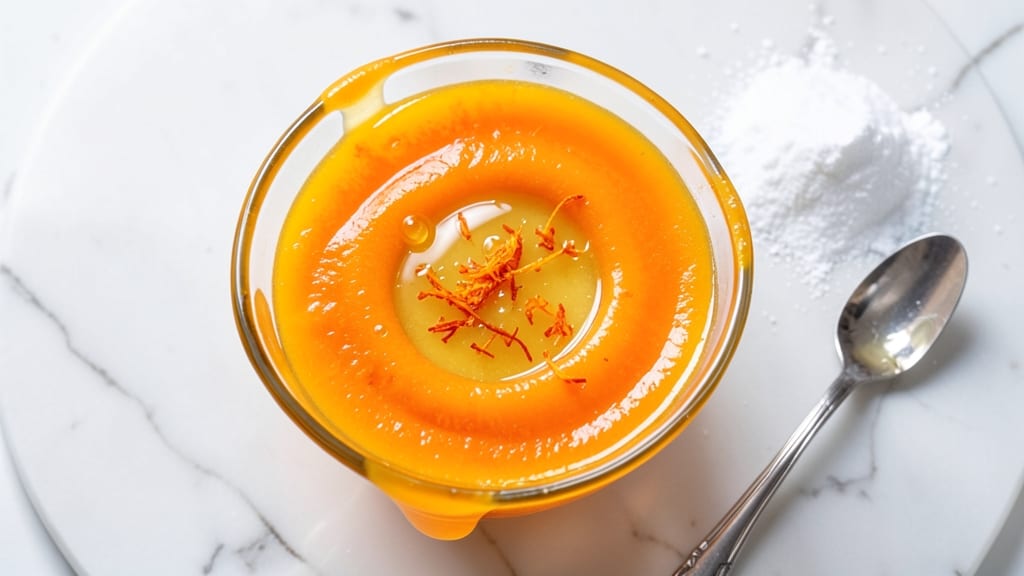
This orange glaze for angel food cake transforms a classic dessert into a vibrant, citrus-kissed masterpiece—bright, glossy, and perfectly balanced to complement the cake’s delicate crumb.
The secret lies in combining fresh orange zest and juice with powdered sugar and a touch of glycerin (or light corn syrup) to create a silky, drizzlable finish that doesn’t weigh down the cake’s airy texture.
I developed this recipe after struggling to find a glaze that stayed light yet added enough moisture to prevent dryness, and it’s now my go-to for any angel food cake occasion.
The beauty of this glaze is its simplicity: just four core ingredients—orange zest, freshly squeezed orange juice, powdered sugar, and glycerin—come together in minutes to create a finish that’s both elegant and foolproof.
Unlike heavy cream-based glazes, this version uses citrus and sugar to achieve shine and sweetness without altering the cake’s signature lightness. The glycerin (or corn syrup) ensures a smooth, professional drizzle that clings beautifully to each layer, making it ideal for both classic and vegan versions of the cake.
What sets this glaze apart is how it enhances the cake’s natural sweetness while introducing a zesty brightness that cuts through the richness.
The result is a cake that’s visually stunning—golden layers crowned with a glossy, sun-kissed drizzle—and tastes even better, with every bite offering a harmonious blend of citrus and vanilla.
Whether you’re serving it at a brunch spread or as a special dessert, this glaze elevates the cake to restaurant-quality levels with minimal effort.
For added versatility, you can adjust the sweetness by tweaking the sugar-to-juice ratio or infuse the glaze with a hint of vanilla or almond extract for deeper flavor complexity. The recipe scales effortlessly, so you can make extra to drizzle over cupcakes or even fruit tarts.
Here’s how to create it—step by step—for a finish that’s sure to impress.
Ingredients for orange glaze for angel food cake
Four core ingredients create this bright, citrus-kissed glaze that elevates angel food cake effortlessly.
| Ingredient | Amount | Notes |
|---|---|---|
| Fresh Orange Zest 🍊 | 2 tbsp | From 1 large organic orange |
| Freshly Squeezed Orange Juice 🍊 | ½ cup | Strain seeds and pulp |
| Powdered Sugar 🍚 | 1 ½ cups | Sifted for smooth texture |
| Glycerin 💧 | 1 tsp | Or light corn syrup substitute |
| Vanilla Extract 🌸 | ½ tsp | Optional for depth of flavor |
| Almond Extract 🌰 | ¼ tsp | Optional for nutty undertone |
The orange matters most here. Organic Navel or Valencia oranges from the grocery store’s produce section work best—their zest is vibrant and aromatic. I always grab three oranges just to have extra for garnish or backup. The juice should be freshly squeezed (no bottled stuff), and if you're using the whole orange, save the peels for zesting. For zest, use a fine grater or microplane—no pre-packaged zest, it loses flavor fast. If you're worried about bitterness, balance it with a pinch more powdered sugar. The glycerin is key for that professional sheen, but light corn syrup works in a pinch—just use the same amount.
No glycerin? Light corn syrup or honey will work, though the texture might be slightly thicker. Want more depth? Add a quarter teaspoon of vanilla or almond extract—both pair beautifully with citrus. The powdered sugar should be sifted for a silky finish, but if you're in a hurry, just shake it well in the container. For extra brightness, you can add a pinch of salt to balance the sweetness. If you're making this ahead, store the zest and juice separately until ready to combine—keeps the zest from turning bitter. And if you're scaling up, double everything but the extracts—just a teaspoon each will be plenty.
This glaze stays fresh for 3-4 days in the fridge, sealed tightly. For longer storage, freeze portions in ice cube trays—perfect for single layers. Reheat gently in the microwave (10-15 seconds) to restore drizzle consistency. If it thickens, thin with a splash of warm water or extra orange juice. The glaze clings best to slightly warm cake layers, so let the cake cool just until handleable before drizzling. Leftovers? Use them to top cupcakes, fruit tarts, or even pancakes—just a teaspoon per serving.
Why You'll Love This Recipe
- No-Zest Struggle: I grab a microplane and scrape the orange in seconds—no peeling, no fuss. The bright, fragrant zest dissolves into the glaze like magic, leaving me with that just-picked aroma that makes every bite feel special.
- Sunshine in a Bowl: That first tangy-sweet drizzle? It’s like summer in dessert form. The orange juice keeps it light, the powdered sugar balances the acid, and the glycerin gives it that silky, clingy finish—no one ever guesses it’s just five ingredients.
- Party Ready: Dress up a basic angel food cake for brunch or a holiday spread. The glaze sets fast (thanks to that glycerin trick), so I can slice and serve without the mess. Guests will ask for the recipe—then argue over who gets seconds.
- Glaze Over, No Waste: Make a double batch—it keeps for days in the fridge. Drizzle over pancakes, fold into frosting, or even toss with yogurt. Honestly, I’ve used the leftovers in everything from muffins to cocktails, and no one’s complained. (Yet.)
Step-by-step instructions for orange glaze for angel food cake
Here's how to make this vibrant citrus glaze that adds a professional touch to your cake.
Whisk Together the Wet Ingredients
In a medium bowl, combine the 0.5 cup freshly squeezed orange juice and 2 tablespoons fresh orange zest. I like to use a whisk for this step to ensure the zest dissolves completely into the juice. This creates a bright, aromatic base that will carry through your glaze. The zest should sink and disperse evenly—if you see any clumps, press them gently against the side of the bowl with the back of your spoon.
Next, add the 1 teaspoon glycerin and 0.5 teaspoon vanilla extract. The glycerin acts as a humectant, keeping your glaze moist and preventing it from drying out too quickly. Stir gently to incorporate all the wet ingredients. Here's the thing—this mixture should smell intensely citrusy with a hint of floral vanilla. If it doesn't smell vibrant, your orange juice might not be fresh enough, and the final glaze could taste flat.
Gradually Add the Powdered Sugar
With the mixer on low speed, slowly sprinkle in the 1.5 cups powdered sugar. I use a fine-mesh sieve to dust the sugar over the mixture to prevent clumping. As you add the sugar, the glaze will begin to thicken noticeably. You're aiming for a consistency that's pourable but still thick enough to cling to the cake without dripping.
After all the sugar is incorporated, add the 0.25 teaspoon almond extract and mix until fully combined. The almond extract adds subtle depth that complements the citrus. At this stage, your glaze should look smooth and glossy with no visible graininess. If you see any lumps, press them through a fine-mesh strainer to ensure a silky texture. This step is crucial—any lumps will make your glaze look amateurish when drizzled over the cake.
Adjust Consistency for Perfect Drizzling
Taste a small amount of the glaze to check the balance of sweetness and acidity. If it tastes too sweet, you can add a splash more of the orange juice—just a teaspoon at a time—until you reach the perfect balance. The glaze should be sweet enough to complement the cake but still allow the citrus flavor to shine through. If it's too tart, add a tiny bit more powdered sugar, but be careful not to overdo it.
For the ideal drizzling consistency, the glaze should flow like honey—thick enough to stay on the cake but thin enough to create elegant ribbons. If it's too thick, add 1 teaspoon orange juice at a time and mix well. If it's too thin, sprinkle in 1 tablespoon powdered sugar and whisk until dissolved. The perfect consistency is when you can drizzle it slowly from a spoon and see clean, even lines without it pooling or running off the sides of the cake.
Strain and Prepare for Use
Pour the glaze through a fine-mesh strainer into a clean bowl or pitcher. This final straining step ensures your glaze is completely smooth with no visible particles. I like to use a small sieve or even cheesecloth for this to catch any last bits of zest or sugar crystals. The result should be a perfectly smooth, vibrant orange glaze ready to elevate your cake.
Let the glaze sit at room temperature for 10-15 minutes before using. This resting time allows the flavors to meld together and the consistency to stabilize. The glaze will thicken slightly as it cools, which is perfect for creating those beautiful, glossy drizzles. When you're ready to use it, give it one final stir to ensure everything is evenly combined. Now you're ready to transform your angel food cake into a showstopping dessert!
Pro Tips For Making Orange Glaze For Angel Food Cake
- Strain the Juice Twice: Run your freshly squeezed orange juice through a fine-mesh sieve after straining out the pulp—this removes cloudiness and tiny fibers that can make your glaze look dull. I learned this the hard way when my first batch had a weird, gritty texture after drizzling.
- Whisk Powdered Sugar Slowly: Add powdered sugar to the juice gradually while whisking constantly—dumping it all in at once creates lumps that won’t dissolve, even with glycerin. Think of it like making meringue: patience keeps it silky.
- Skip the Boil: Heating the glaze ruins the bright orange flavor and turns it syrupy. Instead, mix the zest, juice, and vanilla first, then fold in the sugar and glycerin at room temperature. The glaze will thicken naturally without cooking.
- Measure Glycerin Precisely: Use a kitchen scale for glycerin (about 1 tsp per ½ cup juice)—eyeballing it can make the glaze too sticky or too thin. Too much? It’ll pool on the cake. Too little? It’ll dry out fast. This is the thing that matters most for that perfect drip.
Troubleshooting great orange glaze for angel food cake
Glaze Too Thin
If your glaze runs like water, it’s likely too much orange juice or not enough powdered sugar. Start by adding 1 tablespoon powdered sugar at a time, whisking vigorously until dissolved.
I’ve found that 1.5 cups powdered sugar is the sweet spot for 0.5 cup juice, but if you’re using a particularly tart orange, you may need up to 1.75 cups sugar for balance.
For a quicker fix, let the glaze sit uncovered at room temperature for 5-10 minutes—the moisture will evaporate slightly, thickening it naturally. If you’re in a rush, a 1-inch strip of parchment paper pressed against the glaze surface for 5 minutes can also help absorb excess liquid. 💧
Glaze Too Thick
A glaze that’s too stiff or clumpy usually means you’ve over-sifted the sugar or added too much zest. To fix this, gradually add 1 teaspoon orange juice at a time while whisking until smooth. If lumps persist, press the mixture through a fine-mesh strainer to break up any sugar crystals.
For extra shine, add ½ teaspoon glycerin or light corn syrup and whisk until fully incorporated. If the glaze still feels too thick after adjustments, warm it gently in the microwave for 5-10 seconds to loosen the texture—just be careful not to overheat, or it may lose its gloss. ✨
Glaze Not Sticking
Angel food cake’s light texture can make glazes slide right off if the cake isn’t warm enough or the glaze is too thin. First, ensure your cake layers are at room temperature but still slightly warm to the touch—this helps the glaze adhere.
If the glaze still won’t stick, try brushing the top of each layer with a thin layer of apricot jam or orange marmalade before drizzling. This creates a sticky base for the glaze to cling to.
For extra grip, chill the cake layers for 10 minutes in the freezer before glazing—the cooler temperature helps the glaze set faster. 🍊
Bitter or Harsh Taste
A bitter aftertaste usually means your orange zest or juice wasn’t fresh enough, or the glaze needs more sugar to balance the acidity. If the bitterness is subtle, add ½ teaspoon vanilla extract or almond extract to round out the flavors.
For a stronger fix, increase the powdered sugar by 1 tablespoon and whisk until fully dissolved. If the bitterness is overwhelming, start fresh with a new batch of juice and zest—old or bruised oranges can develop a harsh flavor that won’t improve.
Always use organic oranges when possible, as their zest is more aromatic and less likely to turn bitter. 💡
Glaze Crystallizing
Crystals on your glaze mean the sugar didn’t fully dissolve, often due to too much zest or insufficient mixing. To prevent this, ensure all powdered sugar is sifted and whisked thoroughly until smooth.
If crystals appear, gently reheat the glaze in a microwave-safe bowl for 10-15 seconds, stirring every 2 seconds to dissolve the sugar. For future batches, strain the glaze through a fine-mesh sieve or cheesecloth before drizzling to catch any undissolved particles.
If you’re short on time, a splash of warm water (½ teaspoon) can help break down the crystals—just whisk until fully integrated. 🔥
Glaze Separating
Separation happens when the glaze sits too long or is stored improperly, causing the zest or sugar to settle. To fix this, whisk the glaze vigorously until fully recombined. If it’s still grainy, strain it through a fine-mesh sieve to remove any separated zest or sugar.
To prevent separation in the future, store the glaze in an airtight container in the fridge for no more than 3-4 days. If you’re making it ahead, combine the zest and juice first, then add the sugar just before use—this keeps everything suspended.
For extra insurance, add ½ teaspoon unflavored gelatin dissolved in 1 teaspoon warm water to stabilize the mixture. 💫
Nutrition facts
Frequently asked questions
Can I make this orange glaze without glycerin?
Yes! Glycerin adds shine, but you can substitute it with 1 teaspoon light corn syrup or ½ teaspoon honey. For a vegan option, use ½ teaspoon agar-agar powder dissolved in 1 teaspoon warm water—it thickens beautifully while keeping the glaze plant-based. Just whisk until fully combined for a smooth finish.
Will this glaze work for a vegan angel food cake?
This recipe is naturally vegan—just skip the vanilla/almond extracts if they’re not plant-based. For extra stability, replace glycerin with ½ teaspoon agar-agar dissolved in 1 teaspoon water. The citrus flavors shine even without dairy, and the glaze will cling perfectly to vegan cake layers.
How do I fix a glaze that’s too thick or clumpy?
Gradually add 1 teaspoon orange juice at a time while whisking until smooth. If lumps persist, strain through a fine-mesh sieve or press with a fork. For extra shine, warm the glaze for 5-10 seconds in the microwave—just don’t overheat, or it’ll lose its gloss. A splash of warm water (½ teaspoon) can also help dissolve sugar crystals.
Can I make this glaze ahead of time?
Store the zest and juice separately in the fridge for up to 3 days. Combine with sugar just before use to prevent separation. For longer storage, freeze the zest and juice mixture in ice cube trays—thaw overnight in the fridge before making the glaze. Reheat gently to restore drizzling consistency.
What’s the best way to drizzle without mess?
Use a piping bag with a small round tip or a spoon for controlled drizzles. Let the cake layers sit at room temperature (not too warm) to help the glaze adhere. For extra grip, chill the cake for 10 minutes before glazing. Work quickly—this glaze sets fast!