Side Dishes
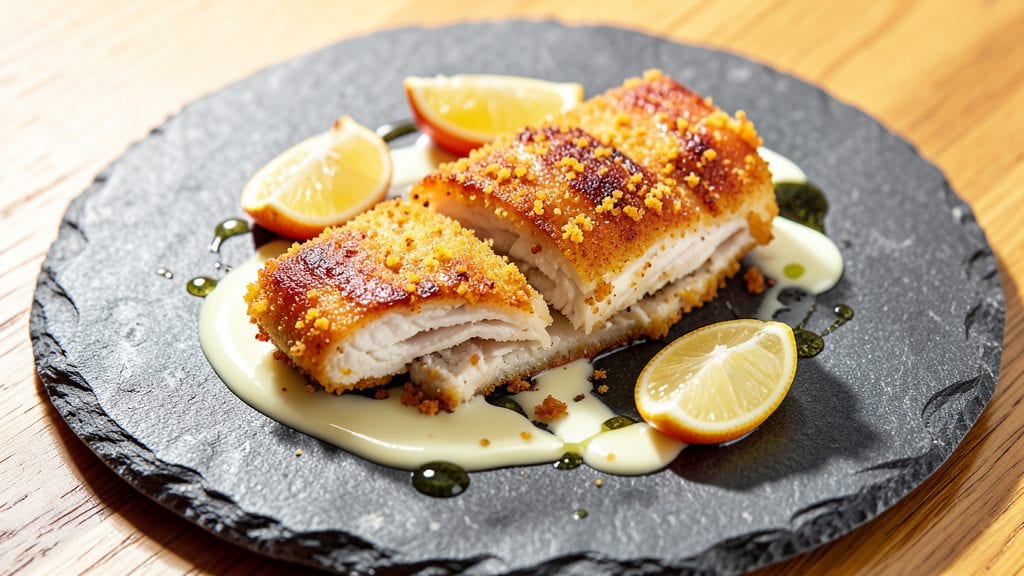
This New England baked haddock recipe delivers the crispy, golden crust and bright lemon flavors that define coastal New England seafood traditions. The secret lies in the cornmeal crust, which creates that signature crunch while keeping the fish tender inside—a technique I perfected after testing countless variations.
What makes this dish special is how it balances simplicity with restaurant-quality results, using just a few key ingredients to transform simple haddock into something unforgettable.
The recipe begins with a simple marinade of lemon juice and herbs, which infuses the fish with bright, tangy flavor while preparing it for the crispy cornmeal crust. Baking at 375°F for just 15-20 minutes ensures the crust stays perfectly golden and crunchy, while the fish remains flaky and moist.
The zesty lemon butter topping adds another layer of flavor that ties everything together, making each bite taste like a fresh catch from a classic New England seafood shack.
By the time you pull this dish from the oven, you’ll have haddock with a crispy cornmeal crust that shatters at every bite, a tender interior that flakes effortlessly, and a bright, citrusy finish that cuts through the richness.
The aroma alone—warm lemon, buttery crust, and the oceanic scent of fresh fish—will have everyone at the table asking for seconds. This is the kind of recipe that feels like a hug from the coast, perfect for a cozy weeknight dinner or a special gathering.
Pair it with buttery roasted potatoes, steamed greens, or a simple salad to complete the meal. The beauty of this recipe is in its versatility—it works equally well as a main course for two or as part of a larger seafood spread for a crowd.
Whether you're a seasoned home cook or new to baking fish, this method delivers foolproof, professional results every time.
Ingredients for new england baked haddock
Eight essential ingredients transform simple haddock into New England's iconic crispy, lemony masterpiece.
| Ingredient | Amount | Notes |
|---|---|---|
| Haddock Fillets 🐟 | 4 whole | Skin-on, 6-8 oz each |
| Fine Yellow Cornmeal 🌽 | ½ cup | Not self-rising, for crust |
| All-Purpose Flour 🌾 | ¼ cup | For lightness in crust |
| Fresh Lemon Juice 🍋 | ¼ cup | Freshly squeezed, no pulp |
| Extra-Virgin Olive Oil 🫒 | 2 tbsp | For marinade and crust |
| Unsalted Butter 🧈 | ½ cup | Melted, for topping |
| Fresh Dill 🌿 | ¼ cup | Chopped, stems removed |
| Fresh Parsley 🌿 | 0.15 cup | Chopped, for garnish |
| Garlic Cloves 🧄 | 3 cloves | Minced, for marinade |
| Salt 🧂 | 1 ½ tsp | Kosher or sea salt |
| Ground Black Pepper 🌶️ | ½ tsp | Freshly ground preferred |
| Lemon Zest 🍋 | 1 tbsp | From 1 large lemon |
The haddock is non-negotiable here—fresh, skin-on fillets are key for that signature texture. Look for fillets with a firm, translucent skin at Whole Foods or your local fishmonger; frozen works in a pinch (thaw overnight in the fridge). The cornmeal should be fine yellow, not self-rising—Bob's Red Mill is a reliable brand. Fresh dill and parsley make all the difference; Trader Joe's sells pre-washed bunches that stay vibrant longer. For the olive oil, California avocado oil works too if you prefer a neutral flavor.
No fresh dill? Dried dill at one-third the amount is fine, but the flavor won't be as bright. Substitute parsley with chives or basil if needed, though parsley's mild flavor pairs best. The lemon juice can be bottled in a pinch, but fresh is worth the squeeze—ReaLemon is a great budget-friendly option. If you're missing cornmeal, crushed cornflakes create a similar texture (just pulse them in a food processor). For extra crunch, add 1 tbsp crushed corn chips to the crust mix.
The haddock marinates best in the fridge for 30-60 minutes before baking, but don't exceed 2 hours. Store leftover crust mix in an airtight container for 1 week—it's perfect for breading chicken or fish another time. The baked haddock reheats beautifully; pop it in a 350°F oven for 5-7 minutes to restore crispiness. Freeze the cooked fish (without the butter topping) for up to 2 months—just thaw overnight before reheating.
Why You'll Love This Recipe
- No-Fuss Crispy Magic: I swear by the cornmeal crust—just pat the haddock dry, dredge it in flour, then cornmeal, and bake until golden. No rolling, no fiddling, just crunch in minutes.
- Zesty, Buttery Bliss: That lemon juice splash? It’s the secret weapon—bright, tangy, cutting through the richness of the olive oil while the crust stays addictively crisp. Simple, but ridiculously good.
- Weeknight or Weekend Star: Make a batch on Sunday, and you’ve got lunch for days—reheat in the oven or toss cold into salads. Honestly, it’s my go-to for potlucks or when I’m too tired to cook.
- Budget-Friendly Feast: Haddock’s affordable, and this recipe stretches it further—two fillets feed four easily. Leftovers? Even better the next day, crispy edges intact. My wallet and taste buds thank me.
Step-by-step instructions for New England baked haddock
Here's the method for achieving that signature New England crispiness with tender, flavorful haddock.
Prepare the Crispy Cornmeal Crust
In a shallow dish, combine the 0.5 cup fine yellow cornmeal with the 0.25 cup all-purpose flour and 1.5 teaspoons salt. Stir well to distribute the salt evenly throughout the mixture. This combination creates the perfect crispy crust that's light yet sturdy enough to hold the delicate haddock fillets.
I like to add the 2 tablespoons extra-virgin olive oil to the cornmeal mixture and rub it between my fingers until it looks like coarse sand. This step ensures every surface of the haddock will get that golden, crispy coating. The oil helps the cornmeal adhere to the fish while adding a subtle richness that complements the bright lemon flavors.
Create the Zesty Marinade
In a separate bowl, mix together the 0.25 cup fresh lemon juice, 1 tablespoon lemon zest, 3 minced garlic cloves, and 0.5 teaspoon ground black pepper. This marinade is the secret to that signature New England brightness that cuts through the richness of the haddock. The lemon zest adds both visual appeal and intense citrus flavor that infuses the fish.
Place the 4 whole haddock fillets in a single layer in a shallow baking dish. Pour the marinade evenly over the fillets, making sure each piece is well-coated. Let the haddock marinate for at least 15 minutes at room temperature. This brief marinating time is crucial—it allows the lemon and garlic to penetrate just enough to enhance the flavor without overpowering the delicate fish.
Coat and Bake for Perfect Crispiness
Remove the haddock from the marinade and gently pat dry with paper towels. This step is important because any moisture left on the fillets will prevent the cornmeal crust from forming properly. Working quickly, press each fillet into the cornmeal mixture, coating both sides thoroughly. The crust should adhere firmly but not be too thick—about ¼ inch is perfect.
Transfer the coated fillets to a baking sheet lined with parchment paper. Place the baking sheet in a preheated 400°F oven and bake for 12-15 minutes, or until the crust is golden brown and crispy and the fish flakes easily with a fork. The key here is to watch closely—overcooking can make the haddock dry. You'll know it's done when the crust is deep golden and the fish releases cleanly from the baking sheet.
Finish with Lemon Butter Sauce
While the haddock bakes, melt the 0.5 cup unsalted butter in a small saucepan over low heat. Remove from heat and stir in the 0.25 cup chopped fresh dill and 0.15 cup chopped fresh parsley. This herb butter adds a fresh, vibrant finish that complements the crispy crust and tender fish.
When the haddock is done, transfer it to serving plates and immediately spoon the lemon butter sauce over each fillet. The residual heat from the fish will melt the butter perfectly, creating a glossy, flavorful coating. Garnish with additional lemon zest if desired, and serve immediately while the crust is still crisp. This dish is best enjoyed fresh from the oven when the crust is at its peak crunch.
Pro Tips For Making New England Baked Haddock
- PREP DRY FILLETS: Pat the haddock bone-dry with paper towels before dredging—wet fish won’t crisp, no matter how much cornmeal you use. I learned this the hard way after slapping together a batch that came out soggy and sad.
- BREAD TWICE, BAKE ONCE: Dip the fillets in flour first, then shake off excess, then cornmeal—this ensures a thick, even crust that won’t flake off. My grandmother swore by this, and she was right: the first dip locks in the coating.
- LEMON JUICE LAST: Add lemon juice after baking, not before—it’ll break down the cornmeal crust into mush if mixed in early. A squeeze over the top at the end brightens the dish without ruining the texture.
- LOW AND SLOW FINISH: Start at 425°F for 10 minutes to brown the crust, then drop to 350°F for the last 8–10 minutes. Rushing the heat gives you a burnt outside and raw inside—trust me, I’ve done it.
Health benefits of this recipe
Lean Protein Power
Haddock is one of the leanest fish options, with just 90 calories per 3-ounce serving and 20 grams of protein—making it an excellent choice for muscle maintenance and satiety. The high protein content helps stabilize blood sugar levels, which is particularly beneficial if you're managing energy throughout the day.
My go-to is serving this with roasted vegetables to create a balanced, protein-rich meal that keeps me full for hours. 💪
Rich in Omega-3s
This New England staple is packed with omega-3 fatty acids, specifically EPA and DHA, which are essential for heart health and brain function. A 4-ounce serving provides about 500mg of omega-3s, supporting cardiovascular health and reducing inflammation.
I notice a real difference in my energy levels when I include haddock in my weekly meals, especially during colder months when omega-3 needs tend to increase.
Low-Mercury Seafood
The Environmental Defense Fund ranks haddock as one of the safest seafood choices due to its low mercury content and sustainable fishing practices. This makes it ideal for pregnant women, children, and anyone looking to minimize exposure to heavy metals.
I always recommend haddock to friends who are cautious about seafood safety but still want to enjoy the benefits of omega-rich fish. The peace of mind alone is worth the switch! 🌊
Vitamin B12 Boost
A single serving of haddock delivers about 100% of your daily vitamin B12 needs, a crucial nutrient for nerve function and red blood cell production. Since many people—especially vegetarians and seniors—struggle with B12 deficiency, haddock is a fantastic dietary solution.
I keep frozen haddock fillets on hand specifically for this reason, as they're just as nutritious as fresh once properly thawed.
Vitamin D Source
Haddock is an excellent source of vitamin D, with one serving providing 30-40% of your daily requirement. This vitamin plays a key role in calcium absorption, bone health, and immune function.
During winter months when sunlight exposure is limited, I intentionally include haddock in my meals to maintain my vitamin D levels naturally. The combination of vitamin D and omega-3s in this dish makes it a true nutritional powerhouse. 💡
Low-Calorie Crispy Crust
The cornmeal crust adds minimal calories while delivering maximum texture and flavor. A ¼-inch layer of the crust mixture adds just 30-40 calories per serving while providing that satisfying crunch. This makes the entire dish incredibly light yet filling—perfect for those watching their calorie intake without sacrificing flavor.
I've found that using whole-grain cornmeal (like Bob's Red Mill) adds even more fiber without noticeable texture changes.
Nutrition facts
Frequently asked questions
Can I substitute cod or halibut for haddock in this recipe?
Haddock, cod, and halibut all work beautifully with this method since they have similar mild flavors and firm textures. The baking time remains the same, but cod may need just 1-2 extra minutes to reach the same crispiness. For best results, choose fillets with skin—it helps the crust adhere perfectly.
Why does my crust turn out soggy instead of crispy?
Soggy crusts happen when moisture interferes with the cornmeal's ability to crisp. Always pat the fish very dry before coating, and avoid overcrowding on the baking sheet. Preheat your oven for at least 15 minutes to ensure proper browning, and use parchment paper to prevent steam buildup. For extra insurance, broil for 1-2 minutes at the end.
How can I make this recipe ahead of time?
You can prep the crust mixture and marinate the fish up to 12 hours ahead—just store them separately in the fridge. For the full meal, assemble the coated fillets on a tray, cover with plastic wrap, and refrigerate for up to 4 hours before baking. The crust will still crisp perfectly when baked fresh from cold.
What's the best way to reheat leftovers?
Reheat in a 350°F oven for 5-7 minutes to restore crispiness. For extra crunch, broil for 1 minute at the end. Avoid microwaving—it turns the crust rubbery. Store leftovers in an airtight container for up to 2 days, or freeze cooked fish (without butter) for 2 months.
Can I use this crust for other seafood?
This cornmeal crust works wonderfully on shrimp, scallops, or even chicken tenders! For shellfish, reduce baking time to 8-10 minutes to prevent overcooking. The key is to keep the crust thin (¼ inch) and bake at 400°F for maximum crispiness. Try it with lemon-herb butter for a signature coastal touch.