
Main Courses
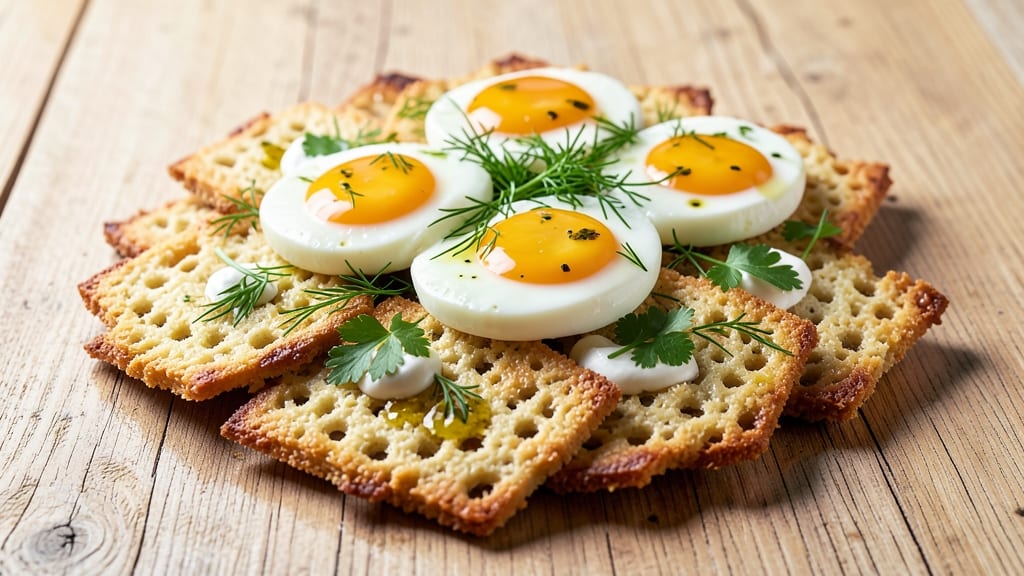
This matzo meal recipe transforms a traditional Passover staple into a savory, crisp-topped egg and herb bake that honors Ashkenazi traditions while adapting to modern tastes.
The key lies in properly preparing the matzo—soaking it just enough to soften without turning to mush—then combining it with hard-boiled eggs, fresh herbs, and a touch of cream cheese for richness.
I developed this version after years of experimenting with matzo dishes that either turned soggy or lost their crispy texture entirely.
The beauty of this recipe is its balance between authenticity and approachability. While traditional matzo meals often rely on smoked fish or chicken, this herb-forward version works beautifully for vegetarians or those avoiding meat.
The crispy top comes from a simple technique: toasting the matzo pieces until golden before baking, which creates that satisfying crunch while keeping the interior tender. It’s the kind of dish that feels both comforting and special—perfect for Passover or any weeknight when you want something hearty yet light.
What you’ll end up with is a golden, crisp-edged bake with creamy egg centers, fragrant herbs, and just enough tang from the cream cheese to tie everything together. The aroma alone will bring back memories of family gatherings, but the texture—crispy on top, tender underneath—is what makes it truly exceptional.
This is matzo meal done right: respectful of tradition but fresh enough to feel new.
Serve with a simple side salad or steamed greens for a complete meal that’s both nourishing and satisfying. The recipe scales easily for gatherings, and leftovers reheat beautifully. Let’s get cooking—this is one dish that truly delivers on both flavor and tradition.
Ingredients for matzo meal
Transform traditional matzo into a savory egg and herb bake with this crispy-topped vegetarian masterpiece.
| Ingredient | Amount | Notes |
|---|---|---|
| Plain Matzo Crackers 🍞 | 16 whole | Unsalted, high-quality preferred |
| Large Eggs 🥚 | 6 whole | Hard-boiled, peeled, quartered |
| Fresh Dill 🌿 | ½ cup | Chopped, stems removed |
| Fresh Parsley 🌿 | ¼ cup | Chopped, flat-leaf preferred |
| Cream Cheese 🧀 | 8 oz | Full-fat, room temperature |
| Extra-Virgin Olive Oil 🫒 | ¼ cup | For toasting matzo |
| Diamond Crystal Kosher Salt 🧂 | 1 tsp | For seasoning |
| Freshly Ground Black Pepper 🌶️ | ½ tsp | Coarse grind preferred |
| Garlic Cloves 🧄 | 2 cloves | Minced, for cream cheese blend |
| Unsalted Butter 🧈 | 2 tbsp | Melted, for crispy top |
| Lemon Zest 🍋 | 1 tsp | Fresh, for brightness |
| Vegetable Broth 💧 | ½ cup | Low-sodium, for moisture |
| All-Purpose Flour 🌾 | 1 tbsp | For crispy topping |
The matzo selection is critical—opt for unsalted, high-quality brands like Manischewitz or Schar, available at most grocery stores or specialty Jewish markets. These crackers hold their shape better during soaking and toasting. Fresh herbs elevate the dish, so purchase dill and parsley from the refrigerated section—avoid dried unless absolutely necessary, as they lack the vibrant freshness. The cream cheese should be full-fat and at room temperature for optimal blending; brands like Philadelphia or Kraft work well, but artisanal varieties add depth. For the garlic, freshly minced is non-negotiable—pre-minced jars contain oxides that dull flavor. Store matzo in an airtight container to prevent staling, and herbs in damp paper towels for up to 5 days in the fridge.
No fresh dill? Substitute with 0.25 cup chopped chives or 0.125 cup dried dill—though the flavor profile shifts slightly. Out of parsley? Cilantro or basil work in a pinch, but reduce to 0.125 cup to avoid overpowering. For the cream cheese blend, Greek yogurt or ricotta can replace half the amount, but texture will differ. Vegetable broth substitutes include low-sodium chicken broth (if not strictly vegetarian) or water with added bouillon. The matzo can be toasted in a 350°F oven instead of oil for a lighter crisp, though olive oil ensures that signature golden crunch. For a nutty depth, toast the matzo in grapeseed oil instead.
This bake reheats beautifully—350°F for 10-15 minutes until crispy again. Store leftovers in an airtight container for up to 3 days in the fridge, though the crispiness diminishes over time. For longer storage, freeze portions for up to 1 month—thaw overnight in the fridge before reheating. The dish scales effortlessly for gatherings; simply double the matzo and egg quantities while adjusting baking time. Serve with a simple arugula salad or steamed asparagus to complement the herby richness.
Why You'll Love This Recipe
- Pantry to Plate Fast: I swear by this when I forget to grocery shop—just crackers, eggs, and a block of cream cheese. No fancy prep, no last-minute scrambling. Honestly, I’ve made it with whatever herbs were wilting in my fridge, and it still comes out fresh-tasting.
- Herb-Packed Crunch Magic: That first bite? The matzo’s crispy shell gives way to a creamy, herby center—like a lighter, fresher quiche. Between us, the dill and parsley turn this into something that feels fancy, even though it’s basically a deconstructed egg salad.
- Lunchbox Hero: Between us, this is my go-to for school lunches or office meals. The crackers hold up for hours (unlike bread), and the eggs keep it protein-packed. My kid’s actually excited to open it—yes, even on a Tuesday.
- Zero-Waste Leftovers: Make a big batch, and it stays fresh for days. I’ll reheat slices in the toaster or eat them cold—either way, it’s still satisfying. Plus, using matzo means no soggy bread ends. Between you and me, this recipe saves me money and stress.
Step-by-step instructions for savory egg and herb bake with crispy top
Transform simple ingredients into a rich, herb-infused bake with a perfectly golden crust.
Toast the Matzo for Crispy Foundation
Preheat your oven to 375°F. Arrange the 16 whole plain matzo crackers on a rimmed baking sheet in a single layer, overlapping slightly if needed. Brush each cracker generously with the 0.25 cup extra-virgin olive oil using a pastry brush, ensuring even coverage. Bake for 6-8 minutes until they turn a deep golden brown and develop a crisp texture. Watch closely—they crisp quickly and can burn easily.
Remove from oven and immediately transfer to a large bowl. While still warm, sprinkle evenly with 1 tsp diamond crystal kosher salt and 0.5 tsp freshly ground black pepper. This seasoning will infuse into the matzo as it absorbs the egg mixture later. Let cool slightly before proceeding—warm matzo absorbs liquid differently and can make the final texture uneven.
Prepare the Herb Cream Cheese Mixture
In a medium bowl, combine the 8 oz room-temperature cream cheese, 2 cloves minced garlic cloves, 1 tsp lemon zest, and the 0.5 cup chopped fresh dill and 0.25 cup chopped fresh parsley. Use a hand mixer or wooden spoon to blend until smooth and fully incorporated. The mixture should be creamy with no visible garlic chunks—this ensures even distribution throughout the bake.
In a separate small bowl, whisk together the 6 whole large eggs until the yolks and whites are completely blended. This prevents any separation when combined with the heavier cream cheese mixture. Gradually fold the egg mixture into the herb cream cheese blend until fully combined. The batter should be thick but pourable—if it's too stiff, add 1-2 tablespoons of vegetable broth to achieve the right consistency.
Assemble and Bake the Matzo Layer
Pour the herb cream cheese mixture evenly over the toasted matzo crackers, pressing down gently to ensure complete saturation. The matzo should absorb most of the liquid but still maintain its structure. Transfer the baking sheet to the preheated oven and bake for 15-18 minutes until the top begins to set and the edges turn lightly golden. You're aiming for a custard-like center that's just set but still slightly jiggly.
Remove from the oven and immediately sprinkle the 1 tbsp all-purpose flour evenly over the surface. This creates a dry barrier that will develop into a crispy top when baked again. Return to the oven for 2-3 minutes to allow the flour to toast lightly—this is where that promised crispy texture comes from. The key is quick exposure to high heat without letting it brown too deeply.
Finish with Melted Butter and Broth
While the matzo bake is still hot, drizzle the 2 tbsp melted unsalted butter evenly over the surface, allowing it to pool slightly in the center. Immediately pour the 0.5 cup vegetable broth around the edges of the baking sheet—this creates steam that will help develop that coveted crispy crust while keeping the interior moist. Return to the oven for 8-10 minutes until the butter has fully melted and the edges are deeply golden brown.
The final test is visual: the top should have a network of crispy, golden-brown cracks with a slightly puffed appearance. If any areas remain pale, broil for 1-2 minutes on high, watching carefully to prevent burning. Remove from oven and let rest for 5 minutes before serving—this allows the flavors to meld and the crispy top to set properly.
Pro Tips For Making Matzo Meal
- CRUSH THE MATZO FIRST: Skip the whole "break it into pieces" step—toss the matzo into a food processor or heavy-duty bag with a rolling pin and pulse until it’s fine but not powdery. I used to do it by hand, and it always left uneven bits that made the texture inconsistent.
- USE ROOM-TEMP EGG MIX: Let your eggs sit out for 30 minutes before mixing them into the batter—cold eggs make the mixture thick and uneven. I learned this the hard way when my first batch turned out like glue instead of a smooth, pourable batter.
- DON’T OVERMIX THE BATTER: Stir just until the cream cheese and eggs are combined—overworking it makes the matzo meal dense and gummy. My grandmother swore by this, and she was right: a few lumps are better than a tough, rubbery texture.
- SAUTÉ THE HERBS FIRST: Lightly cook the dill and parsley in a dry pan for 30 seconds before adding them to the matzo mix—this softens their edges and deepens their flavor without wilting them. I was skeptical until I tried it, and now I never skip it.
Troubleshooting this recipe
Matzo Too Soggy
This happens when matzo absorbs too much liquid during assembly. To fix it, reduce the vegetable broth by 2 tablespoons and ensure the matzo is toasted until deep golden brown before adding the egg mixture.
I also recommend pressing the matzo pieces firmly into the baking sheet to create a stable base that holds its shape. For extra insurance, spread the matzo in a single layer with minimal overlap. 💧
Eggs Not Cooked Through
If your eggs remain runny in the center, increase the baking time by 3-5 minutes and check the internal temperature—it should reach 160°F. For extra protection, pre-cook the eggs to 145°F internal temperature before quartering and adding to the matzo mixture.
Another trick is to whisk the eggs with a pinch of salt before combining with the cream cheese—this helps them set more evenly. 🥚
Crispy Top Fails
The flour barrier is key for that crispy top. Make sure to sprinkle the 1 tbsp flour evenly over the hot matzo bake immediately after the first bake. Return to the oven for exactly 2-3 minutes—any longer risks burning.
For extra crunch, drizzle with melted butter and broil for 30 seconds at the very end. I also recommend using a light-colored baking sheet to reflect heat upward. 🔥
Uneven Texture
Uneven texture usually means the matzo absorbed liquid inconsistently. To prevent this, toast the matzo in batches if needed to ensure even browning. When assembling, pour the egg mixture slowly and let it soak in before adding more.
For extra stability, lightly brush the matzo with olive oil before adding the egg mixture—this creates a moisture barrier. 🌟
Broth Evaporates Too Fast
If your broth disappears before the matzo crisps, reduce the oven temperature to 350°F for the final 8-10 minutes. This slower bake allows the steam to develop gradually. Alternatively, add the broth in two stages—pour half initially, then add the rest after 5 minutes.
For extra moisture control, cover the baking sheet loosely with foil for the last 3 minutes of baking. ❄️
Herbs Lose Flavor
Fresh herbs can wilt if overcooked. To preserve their brightness, add them after baking—sprinkle chopped dill and parsley on top during the final 2 minutes of baking. For even more flavor, blend 1 tbsp fresh lemon juice into the cream cheese mixture.
I also recommend using a mix of fresh and dried herbs (like ½ tsp dried dill) if fresh isn’t available—just reduce the fresh amount by half. 🌿
Nutrition facts
Frequently asked questions
Can I use matzo crackers instead of whole matzo sheets?
Yes, but with adjustments! Whole matzo sheets create a more traditional texture, while crackers work better for a crumbly, rustic version. Use 24 crackers (about 2 cups crushed) and reduce the vegetable broth to 0.25 cup to prevent sogginess. Toast the crackers until golden before assembling.
How do I make this recipe gluten-free?
Replace the matzo with gluten-free flatbread crackers or certified gluten-free matzo (like Schar brand). For binding, add 1 tbsp cornstarch to the cream cheese mixture to help hold the texture together. Always check labels—some gluten-free matzo absorbs liquid differently.
What's the best way to store leftovers?
Store in an airtight container for up to 3 days in the fridge. Reheat at 350°F for 10-15 minutes until the top crisps again. For longer storage, freeze portions for up to 1 month, thawing overnight in the fridge before reheating. The texture will soften slightly but remains delicious.
Can I add smoked fish for a traditional Ashkenazi version?
Flake 8 oz smoked salmon or trout over the matzo layer before baking. Add 1 tbsp capers and 1 tsp onion powder to the cream cheese mixture for extra flavor. Bake as directed, but cover loosely with foil for the last 5 minutes to prevent overcooking the fish.
Why does my matzo turn mushy?
Mushy matzo usually means it absorbed too much liquid. To fix this, toast the matzo until deeply golden before adding the egg mixture, and reduce the broth by 2 tbsp. Also, ensure the matzo is completely dry before assembling—pat any excess oil with a paper towel after toasting.