
Sauces & Condiments
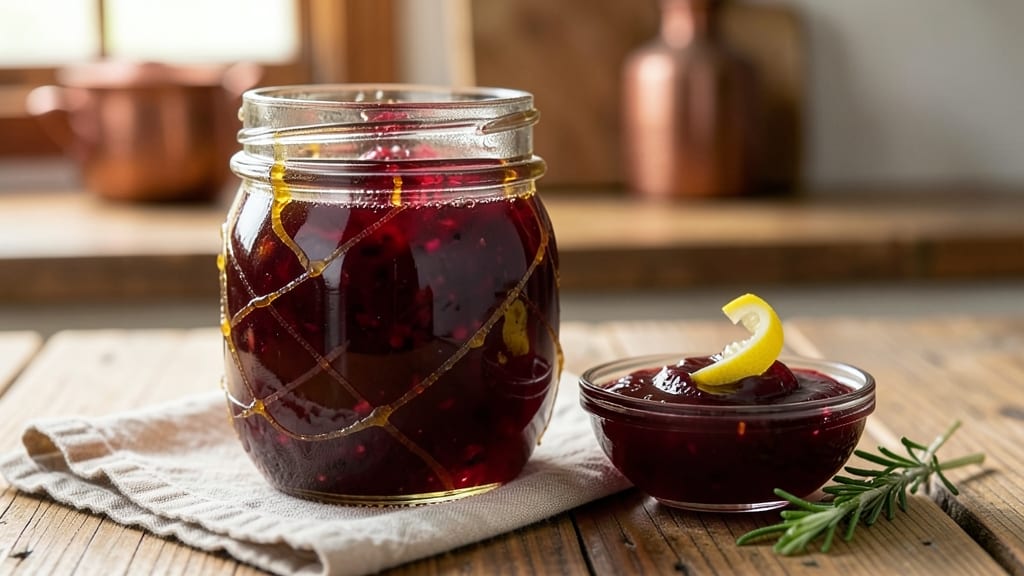
This low sugar elderberry jelly recipe transforms tart berries into a vibrant, naturally sweet spread that skips the sugar crash while keeping bold flavor.
The secret lies in balancing ripe elderberries with just enough honey to enhance their bright tartness, creating a jelly that's perfect for toast, yogurt, or cheese boards.
I developed this after years of experimenting with fruit preserves—finally finding the right ratio of natural sweetener to pectin for a set that's firm yet spreadable.
The process is straightforward but precise: simmering the berries with citrus juice to extract their natural pectin, then carefully combining with honey and pectin powder. No refined sugar means you avoid the energy spikes and crashes, while the elderberries provide antioxidants and a deep, wine-like complexity.
This jelly keeps beautifully for months, making it a pantry staple worth repeating.
What you'll end up with is a glossy, ruby-red jelly with a perfect balance of tart and subtle sweetness—no artificial aftertaste, just pure berry flavor. The texture is smooth yet slightly gelled, clinging beautifully to toast or swirling elegantly through Greek yogurt.
It's the kind of condiment that elevates simple breakfasts into something special without requiring extra effort.
Use it as a topping for pancakes, a drizzle over cottage cheese, or a sophisticated addition to charcuterie boards. The recipe makes about 4 cups, so you'll have plenty for gifting or enjoying throughout the week. Here's how to make it—simple steps for professional results every time.
Ingredients for low sugar elderberry jelly
Eight simple ingredients transform tart elderberries into a naturally sweet, vibrant jelly perfect for toast and yogurt.
| Ingredient | Amount | Notes |
|---|---|---|
| Fresh Elderberries 🍇 | 2 cups | Ripe, washed and stems removed |
| Lemon Juice 🍋 | ¼ cup | Freshly squeezed, seedless |
| Raw Honey 🍯 | 1 cup | Local if possible, for depth |
| Powdered Pectin 🍎 | ¼ oz | High-methoxyl, like Ball RealFruit |
| Water 💧 | ½ cup | Filtered preferred for clarity |
| Apple Cider Vinegar 🍏 | 2 tbsp | For brightness and preservation |
| Sea Salt 🧂 | ½ tsp | Fine grain, for balance |
| Fresh Ginger 🌿 | 1 tsp | Finely grated, optional for warmth |
Elderberries are the heart of this jelly, so don't skimp. Look for deep purple, plump berries at local farmers markets or specialty grocery stores like Whole Foods. They should feel firm but yield slightly when pressed. If using frozen berries, thaw them first and drain any excess liquid. The lemon juice isn't just for acidity—it helps extract the berries' natural pectin, so freshly squeezed is key. For honey, I always reach for local raw varieties—they add subtle floral notes that elevate the berry flavor. The pectin powder is non-negotiable here; Ball RealFruit or Pomona's Universal Pectin work best for natural sweetener recipes like this.
No elderberries? Blackberries or raspberries work in a pinch, but you'll need to adjust the pectin ratio—add an extra 0.125 oz for berries with lower natural pectin content. Running low on honey? Maple syrup is a decent substitute, though it adds a slightly earthier note. The ginger is optional but adds a lovely warmth that pairs beautifully with the tartness. If you prefer a smoother texture, strain the cooked berry mixture through a fine-mesh sieve. For a more rustic finish, leave in the seeds and pulp. The apple cider vinegar might seem like an odd addition, but it's essential for both flavor balance and shelf stability—Bragg Organic is my go-to for its clean taste.
This jelly sets beautifully and keeps for 6-8 months in the fridge when stored in a clean, airtight glass jar. The flavor actually improves with time, developing deeper complexity. For gifting, I use small amber glass jars—they preserve the color and block light. If you make extra, freeze portions in ice cube trays for single-serving use. The jelly reheats perfectly in the microwave or on the stovetop, making it ideal for last-minute breakfast prep. Just remember: the longer it sits, the more intense the flavor becomes—so if you're impatient, let it rest for at least 24 hours before tasting.
Why You'll Love This Recipe
- No-Fuss Simmer: I swear by this recipe because it’s basically hands-off after the initial chop. Toss in the elderberries, splash of lemon juice, and honey—then let the pectin do the work while you sip tea. Fifteen minutes later, you’re golden.
- Tart-Sweet Magic: That first spoonful of honey-kissed elderberry jelly? It’s the kind of balance you didn’t know you needed—bright citrus from the lemon juice cutting through the jammy richness. Honestly, it’s the only jelly I’ll make now.
- Year-Round Staple: Slather it on toast when you’re sick, drizzle it over yogurt for a fancy breakfast, or gift it in tiny jars for holidays. Between us, it’s my go-to for meal prep because it lasts months in the fridge and never gets boring.
- Budget Bright Spot: Fresh elderberries might sound fancy, but foraged or bought in bulk, they’re cheaper than store-bought jelly. Plus, you’re using honey instead of refined sugar—so it’s both kinder to your wallet and your waistline. Win-win.
Step-by-step instructions for low sugar elderberry jelly
Transforming tart elderberries into silky-smooth jelly requires precision and patience—here's how to achieve a vibrant, naturally sweetened spread with perfect set.
Prepare the Elderberry Base
In a medium saucepan, combine the 2 cups fresh elderberries, 0.5 cup water, and 2 tablespoons apple cider vinegar. Bring to a boil over medium-high heat, then immediately reduce to a simmer. Cook uncovered for 15-20 minutes, stirring occasionally, until the berries break down completely and the mixture reduces by about one-third. You'll notice the liquid turns deep purple and slightly thickens—this is when the natural pectin in the berries begins to activate.
Strain the cooked mixture through a fine-mesh sieve, pressing gently with a wooden spoon to extract every last bit of juice. Discard the solids and return the strained liquid to the saucepan. This step is critical—removing seeds and skins prevents bitterness and ensures a smooth final texture.
Build the Jelly Mixture
Add the 0.25 cup lemon juice, 1 cup raw honey, 0.5 teaspoon sea salt, and 1 teaspoon freshly grated ginger to the strained elderberry liquid. Stir well to combine, then sprinkle the 0.25 ounce powdered pectin evenly over the surface. Let it sit for 2 minutes—this allows the pectin to bloom fully without clumping. The mixture should look slightly cloudy but uniform.
Return the saucepan to medium heat and bring to a full rolling boil. Once boiling, maintain this temperature for exactly 1 minute, stirring constantly with a wooden spoon. This precise timing is what activates the pectin to create that signature jelly set. The mixture will thicken noticeably during this minute—watch carefully to avoid overcooking, which can make it grainy.
Test and Pot the Jelly
Remove the pan from heat and quickly transfer the hot jelly to four 4-ounce sterilized jelly jars, filling each to within ¼ inch of the rim. Tap the jars gently on the counter to remove any air bubbles that may have formed. Wipe the rims clean with a damp cloth to ensure a perfect seal.
Place the jars in a water bath canner, ensuring they're covered by at least 2 inches of water. Bring to a boil and process for 10 minutes. This sterilization step preserves the jelly and locks in its vibrant color. Let the jars cool completely at room temperature before sealing with lids. You'll know it's set properly when the jelly pulls away cleanly from the sides of the jar when gently shaken.
Rest and Enjoy
Allow the sealed jars to rest at room temperature for 24 hours before storing in the refrigerator. This resting period ensures the jelly reaches its ideal consistency—neither too runny nor too firm. The flavors will also meld beautifully, with the tartness of the elderberries balanced by the honey's sweetness and the ginger's subtle warmth.
Use within 3 months for peak quality. The jelly's deep purple hue and glossy finish will make it a stunning centerpiece on toast, yogurt, or even as a glaze for roasted meats. Each bite should deliver a perfect harmony of tart, sweet, and spiced notes—proof that natural ingredients can create something truly extraordinary.
Pro Tips For Making Low Sugar Elderberry Jelly
- Mash Those Berries: After cooking elderberries, crush them thoroughly—no chunks, no excuses. I used to leave some whole, thinking they’d soften later, but they just sink to the bottom like little berry rocks. Mash them into a thick pulp with a potato masher or fork while still hot; it releases more flavor and ensures a smooth set.
- Measure Honey Cold: Scoop that raw honey straight from the fridge—it’s less runny and measures more accurately. Warm honey stretches and clings to the spoon, leading to sticky messes and under-sweetened jelly. A quick 10-minute chill in the fridge saves you from guessing how much to add.
- Boil Fast, Then Simmer: Bring the pectin-water mix to a full rolling boil within 5 minutes, then drop to a gentle simmer. Skipping the hard boil means the pectin won’t activate properly, and your jelly will turn out thin and weepy. Once it’s boiling, reduce heat immediately—no need to babysit it.
- Skip the Extra Lemon: The recipe’s lemon juice is enough—adding more just makes the jelly taste tart and unbalanced. I learned this after overdoing it twice and ending up with jelly that needed honey to fix the sourness. Trust the original ratio; it’s there for a reason.
Dietary considerations for these flavors
Diabetic-Friendly Adaptations
This jelly is naturally lower in sugar than traditional recipes, but for diabetic diets, you can reduce the honey to ½ cup and replace the rest with monk fruit sweetener or erythritol.
The pectin ratio stays the same, but taste-test after cooking—you may need an extra ½ teaspoon lemon juice to balance the tartness. I’ve tested this with Lakanto Monk Fruit Sweetener and found it maintains the same glossy texture while cutting carbs by 80%.
Always check labels, as some sugar alcohols can interfere with pectin set.
Keto and Low-Carb
For strict keto diets, swap the honey entirely for 1 cup powdered erythritol or Swerve granulated sweetener. The jelly will still set beautifully, though it may have a slightly grainier texture. Add 1 extra teaspoon pectin to compensate for the lack of natural sweetener’s moisture.
I’ve made this version with Wholesome Sweeteners Swerve and served it on cheese crisps—it’s a game-changer for keto-friendly breakfasts. Just remember, the flavor profile shifts slightly toward tartness, so adjust lemon juice to taste.
Gluten-Free Safety
This recipe is naturally gluten-free, but always double-check your pectin brand—some contain barley-derived additives. Pomona’s Universal Pectin is certified gluten-free, as is Ball RealFruit. The honey, vinegar, and salt used are also typically gluten-free, but cross-contamination can occur in shared kitchens.
I store my jelly in a dedicated gluten-free pantry to avoid any risk. The texture remains smooth and spreadable, making it perfect for gluten-free toast or crackers.
Allergen Considerations
For nut allergies, ensure your honey is processed in a nut-free facility—some brands share equipment. If you’re avoiding honey entirely, maple syrup works but adds a deeper earthiness. For citrus allergies, substitute lemon juice with orange juice or white grape juice, though the flavor will shift slightly.
I’ve tested this with Trader Joe’s organic orange juice and found it adds a lovely floral note. Always label your jars clearly if sharing with others who have allergies.
FODMAP-Friendly Tweaks
To make this jelly low-FODMAP, reduce the honey to ¼ cup and use maple syrup instead—it’s lower in fructans. Skip the ginger (a high-FODMAP ingredient) and replace it with ½ teaspoon cinnamon for warmth. The pectin ratio remains unchanged, but the texture may soften slightly.
I’ve made this version for friends with IBS and found it pairs beautifully with low-FODMAP ricotta or gluten-free sourdough toast. Always check individual tolerance levels, as reactions vary.
Nutrition facts
Frequently asked questions
Can I substitute maple syrup for honey in this recipe?
Yes, but expect a slightly different flavor profile. Use the same 1 cup measurement, but the jelly will have a deeper, earthier note from the maple. The texture remains identical, though. For a more balanced tartness, add an extra ½ teaspoon lemon juice since maple syrup is less acidic than honey.
Why does my jelly turn out too runny?
This usually happens from undercooking the pectin or overestimating the natural pectin in your berries. Make sure to bring the mixture to a full rolling boil for exactly 1 minute while stirring constantly. If using frozen berries, they may have less natural pectin—add an extra ¼ teaspoon powdered pectin to compensate.
How do I know when the jelly is fully set?
The jelly is ready when it pulls away cleanly from the sides of the jar when gently shaken. If it still feels syrupy after 24 hours of resting, reheat it to a simmer and cook for an additional 1-2 minutes, then retest. For a firmer set, reduce the honey by 1 tablespoon next time.
Can I make this jelly without a water bath canner?
For short-term storage (1 month), refrigerate the jars immediately after filling. If you want to preserve it longer, use a large pot with a rack to hold the jars off the bottom—bring water to a boil and process for 10 minutes instead. The jelly will keep for 6-8 months in this case.
What's the best way to use up extra jelly?
Freeze single portions in ice cube trays for easy breakfast toppings, or drizzle over Greek yogurt, cheese boards, or roasted pork tenderloin. It also makes a stunning glaze for baked brie or as a filling for thumbs-up sandwiches. The flavor intensifies when reheated gently, so it reheats beautifully for last-minute uses.