
Sauces & Condiments
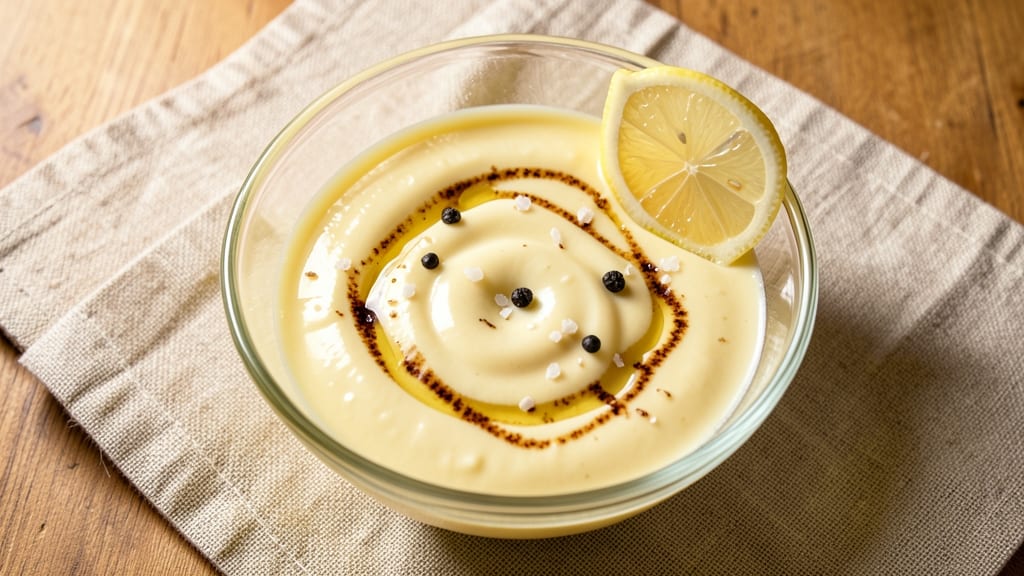
This lemonaise recipe transforms ordinary meals into vibrant, restaurant-quality dishes with just five ingredients and 10 minutes of work. I developed it after years of testing mayonnaise-based sauces, searching for that perfect balance of tangy lemon and creamy richness that never separates.
The secret lies in precise emulsification—no blender required—using a whisk and patience to create a sauce that clings beautifully to everything from grilled fish to crisp salads.
The beauty of this sauce is its versatility—it works as a sandwich spread, seafood companion, or even a tangy dressing for vegetables. What makes it special is how it elevates simple ingredients without overpowering them.
A splash of fresh lemon juice brightens the emulsion, while a touch of Dijon mustard adds depth that store-bought versions miss. The result? A sauce that’s foolproof, restaurant-quality, and ready in under 15 minutes—no fancy equipment needed.
By the time you’re done, you’ll have a creamy, tangy emulsion that stays stable for days in the fridge, perfect for meal prep. The texture is velvety yet light, with a zesty kick that cuts through rich dishes.
This isn’t just another mayonnaise-lemon mix—it’s a game-changer for anyone tired of bland sauces. Whether you’re serving grilled shrimp or a simple salad, this sauce will make your dishes shine.
For extra flair, try infusing it with fresh herbs like dill or tarragon, or add a pinch of cayenne for heat. The possibilities are endless, but the base recipe remains simple and reliable. Let’s get started—your taste buds will thank you.
Ingredients for lemonaise
Five simple ingredients transform into bright, restaurant-quality sauce in minutes.
| Ingredient | Amount | Notes |
|---|---|---|
| Dijon Mustard 🍯 | 1 tbsp | High-quality for best flavor |
| Extra-Virgin Olive Oil 🫒 | ¾ cup | Light, fruity variety preferred |
| Fresh Lemon Juice 🍋 | ½ cup | From 2-3 medium lemons |
| Large Egg Yolks 🥚 | 2 whole | Fresh, room temperature |
| Sea Salt 🧂 | ½ tsp | Fine grain preferred |
| Black Pepper 🌶️ | ¼ tsp | Freshly ground preferred |
| Water 💧 | 1 tbsp | For adjusting consistency |
| Fresh Dill 🌿 | ¼ cup | Optional, chopped for garnish |
The Dijon mustard is non-negotiable—it adds that signature depth. Maille or Grey Poupon are my go-tos, but any good-quality Dijon works. Fresh lemon juice is where the magic happens, so use freshly squeezed—bottled juice lacks the punch. For the olive oil, Trader Joe's or Whole Foods carry great fruity varieties under $10. Egg yolks should be room temperature for perfect emulsification. I always buy extra yolks just for this recipe—they're worth it. The salt and pepper are simple but crucial; Diamond Crystal kosher salt dissolves perfectly, and freshly ground pepper makes all the difference.
No Dijon? Whole-grain mustard at half the amount works in a pinch. Short on lemon juice? Lime juice at the same amount gives a different but still bright flavor. Olive oil substitutes? Avocado oil has a neutral taste, but it won't have that fruity depth. Egg yolks too expensive? Vegan mayo works, though texture will differ slightly. The dill is completely optional but adds a fresh herbal note—frozen works if you don't have fresh. For extra zing, add a pinch of cayenne pepper or a splash of white wine vinegar to the lemon juice. This sauce is incredibly forgiving, so don't stress over perfect measurements.
This sauce keeps beautifully—5-7 days in the fridge if you cover it tightly with plastic wrap pressed right on the surface. For longer storage, freeze in ice cube trays for single-use portions. The texture might thicken slightly when refrigerated, so add a splash of water or lemon juice when ready to use. I make double batches because it disappears fast—great for meal prep. If it ever separates, just whisk in another yolk or a teaspoon of mustard to bring it back together. Trust me, it happens to everyone.
Why You'll Love This Recipe
- Here’s what sold me: I make a big batch, store it in the fridge, and it stays fresh for days. No weird textures, no sad leftovers—just that same bright, creamy goodness whenever I need it. (Yes, even on a Tuesday night.)
- Five-Ingredient Magic: I swear, this is the kind of sauce that makes you feel like a chef with zero effort. Just whisk those yolks, mustard, and lemon—no fancy gadgets, no stress—just pure, bright flavor that comes together in minutes.
- Tangy, Rich, Unforgettable: The Dijon mustard gives it that deep, savory kick, while the lemon cuts through like sunshine. Honestly, the first time I tasted it, I nearly dropped my fork—it’s that good on everything from grilled fish to crusty bread.
- Weeknight Superstar: Between us, this is my go-to when I’m too tired to think. Drizzle it over roasted veggies, toss it with pasta, or slather it on a sandwich—it’s the kind of sauce that turns boring meals into something special without extra work.
Step-by-step instructions for lemon sauce
Here's how to make this zesty, versatile sauce that brings vibrant flavor to everything from seafood to salads.
Whisk Together the Base Ingredients
In a medium bowl, whisk together the 1 tablespoon Dijon mustard, 0.75 cup extra-virgin olive oil, and 0.5 cup fresh lemon juice until completely combined. The Dijon mustard helps emulsify the sauce while adding depth, so don't skip this step. You'll notice the mixture immediately lightens in color as the oil incorporates into the citrus and mustard.
This is where the magic begins. The lemon juice should be freshly squeezed—bottled juice lacks the bright, complex flavor that makes this sauce truly special. I like to strain it through a fine-mesh sieve to remove any pulp that could make the sauce grainy later. The olive oil should be light and fruity, not strong or peppery, so it complements rather than overpowers the citrus notes.
Add Egg Yolks and Seasonings Gradually
With the bowl resting over a bowl of ice (this prevents the yolks from cooking), slowly whisk in the 2 whole large egg yolks, one at a time. After each addition, whisk vigorously until fully incorporated before adding the next. This gradual process ensures the yolks blend smoothly and creates that signature creamy texture.
Next, add the 0.5 teaspoon sea salt and 0.25 teaspoon black pepper to the mixture. The salt enhances all the flavors, while the pepper adds a subtle warmth that balances the acidity. Whisk everything together until the mixture looks smooth and homogeneous. At this point, it should have a thick, mayonnaise-like consistency—this is your base before we refine it further.
Adjust Consistency with Water
If the mixture feels too thick, gradually add the 1 tablespoon water, one teaspoon at a time, while whisking continuously. The goal is to reach a smooth, pourable consistency that clings beautifully to proteins and vegetables. You'll know it's just right when it flows like light cream but still coats the back of a spoon.
Here's the thing—this sauce should be bright and vibrant, not heavy. If you add too much water, the flavor will dilute, so work slowly. The fresh dill we'll add next will bring herbal freshness, but it can't compensate for a watered-down base. Taste as you go; the lemon should pop immediately, and the mustard should add a subtle tang.
Fold in Fresh Dill for Herbal Brightness
Chop the 0.25 cup fresh dill into small pieces and gently fold it into the sauce using a rubber spatula. The dill should be finely chopped but not minced—this ensures it distributes evenly without making the sauce grainy. The fresh herb adds a bright, almost anise-like note that complements the lemon perfectly.
At this stage, give the sauce one final taste and adjust the seasoning if needed. It should be tangy, slightly creamy, and herbaceous with a clean finish. The dill should be noticeable but not overpowering—think of it as the finishing touch that elevates the sauce from good to extraordinary. If you're using this for seafood, the dill's freshness will cut through the richness beautifully.
Chill and Serve
Transfer the sauce to an airtight container and refrigerate for at least 30 minutes before serving. Chilling allows the flavors to meld and the texture to set slightly, making it easier to drizzle or spoon without it separating. This step is especially important if you're planning to use the sauce on warm dishes like grilled fish or roasted vegetables.
The sauce will keep in the refrigerator for up to 5 days, though I find it's best used within the first 2-3 days for maximum brightness. When ready to serve, give it a quick whisk to ensure everything is evenly distributed. Drizzle over your favorite dishes—it's amazing on grilled shrimp, tossed with pasta, or even as a dip for crusty bread. The possibilities are endless!
Pro Tips For Making Lemonaise
- Whisk Over Heat: Place your mixing bowl over a pot of barely simmering water while whisking the yolks, mustard, and lemon juice—just until the yolks thicken slightly. This doubles as a gentle tempering step and keeps the emulsion from breaking when you add the oil. (Yes, even if you’re impatient like me, resist the urge to rush this.)
- Strain the Lemon Juice: Run fresh lemon juice through a fine-mesh strainer before using it to remove pulp and seeds, which can make your lemonaise grainy or separate later. I learned this the hard way after ending up with a sauce that looked like it had tiny sand particles.
- Slowly Add the Oil: Drizzle the olive oil into the yolk mixture drop by drop at first, then in a thin, steady stream—never a pour. The emulsion needs time to form properly, and pouring oil too fast is how you end up with a broken, oily mess. (Your future self will thank you.)
- Use Room-Temp Eggs: Cold egg yolks can cause the sauce to split, so take them out of the fridge at least 30 minutes before making the lemonaise. If you’re in a hurry, place the eggs in warm water for 10 minutes—just enough to loosen the yolks without cooking them. (Does it look weird? Yes. Does it work? Every single time.)
Storing and reheating this lemonaise
Refrigerator Storage
This sauce keeps beautifully in the fridge for up to 5 days if stored properly. I always use a glass airtight container with a tight-sealing lid—I love the Pyrex Simply Store containers from my local grocery store.
Press plastic wrap directly onto the surface to prevent a skin from forming, which can happen with emulsified sauces. The flavors actually deepen overnight, making it perfect for next-day meals like grilled fish or sandwiches. 💡
Freezing for Later
For longer storage, freeze the sauce in 1-tablespoon portions using ice cube trays. Once frozen, transfer the cubes to a ziplock freezer bag and flatten to save space. The texture may separate slightly after thawing, but a quick whisk with 1 teaspoon lemon juice brings it back together.
I find this works best for single-use portions like drizzling over seafood or tossing with veggies. Thaw overnight in the fridge for best results.
Reheating Techniques
When reheating, I always warm the sauce gently over low heat in a small saucepan with 1 tablespoon water to prevent curdling. Stir constantly until just heated through—about 2-3 minutes. Never microwave it, as the heat can break the emulsion.
For cold applications, like salads, just whisk it vigorously to restore that silky texture. The key is patience; rushing will ruin that perfect balance of creaminess and tang.
Adjusting Consistency
After refrigeration, the sauce might thicken slightly. Thin it with 1 teaspoon lemon juice or water at a time while whisking continuously. If it separates completely, whisk in ½ teaspoon Dijon mustard or another egg yolk to re-emulsify.
I've had this happen more than once, but it's always fixable. The secret is to work slowly—adding too much liquid at once will dilute the flavor. Trust the process, and your sauce will come back together beautifully. ✨
Meal Prep Tips
Double the recipe and store half for later—this sauce disappears fast! Label your container with the date and store it in the coldest part of your fridge. For meal prep, I like to keep it in a small mason jar with a tight lid.
When ready to use, simply pour out what you need and reseal. The sauce keeps its vibrant flavor best when used within 3 days, so plan accordingly. It's perfect for prepping sauces for the week ahead. 📅
Nutrition facts
Frequently asked questions
Can I make this sauce without eggs?
Yes! For a vegan version, replace the egg yolks with 2 tablespoons vegan mayo plus 1 teaspoon Dijon mustard. Whisk everything together slowly to achieve that same creamy texture. The sauce will be slightly thinner but still delicious—perfect for drizzling over salads or grilled vegetables.
Why did my sauce break/separate?
This usually happens when ingredients aren't added gradually or the bowl isn't kept cool while whisking. To fix it, whisk in ½ teaspoon Dijon mustard or another egg yolk while slowly drizzling in 1 teaspoon water. If that doesn't work, start fresh—this sauce is incredibly forgiving when made carefully the second time!
What's the best way to use leftover sauce?
This sauce is incredibly versatile! Use it as a marinade for chicken or fish, a sandwich spread, or a tangy dressing for roasted vegetables. It also makes an amazing dip for crusty bread or crackers. For extra flavor, stir in 1 teaspoon honey or maple syrup to balance the acidity.
Can I substitute lemon juice with something else?
You can use lime juice at the same amount for a slightly different citrus profile, or orange juice for a sweeter twist. For a more complex flavor, try ½ cup lemon juice + ¼ cup white wine vinegar. Just remember—fresh is always best, and bottled juices won't give you that same bright, restaurant-quality taste.
How do I make this sauce extra creamy?
For a richer texture, replace ¼ cup of the olive oil with ¼ cup neutral oil like avocado or grapeseed oil. You can also whisk in 1 teaspoon sour cream or Greek yogurt at the end for extra creaminess. The key is to work slowly and keep everything chilled while whisking.