
Main Courses
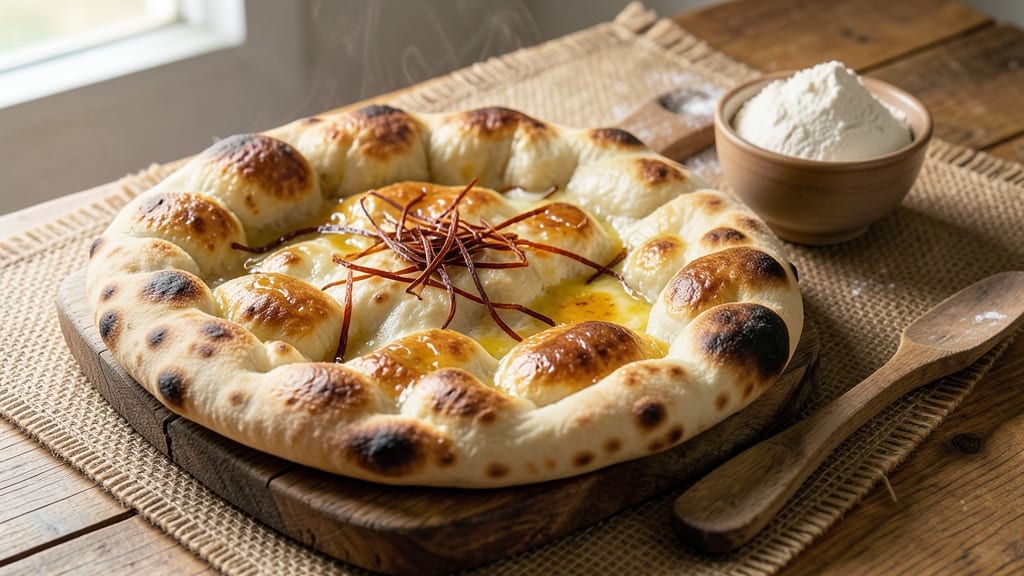
This Kashmiri naan recipe transforms ordinary flour and yogurt into golden, pillowy perfection with just a whisper of saffron and charred edges that sing with flavor. After years of perfecting my grandmother’s Sunday roast chicken, I finally cracked the code for authentic naan that rivals any restaurant version—no tandoor required.
The secret lies in a precise balance of yeast, ghee, and traditional spices that create that signature softness with just enough resistance to hold up to your favorite curry.
The dough comes together with simple ingredients but requires patience—kneading until silky smooth, resting until elastic, and rolling with precision for that signature thickness.
What sets this recipe apart is the saffron-infused ghee that infuses the dough with aromatic depth, while cardamom and fennel add warmth that lingers with every bite. The charred spots?
That’s where the magic happens—whether you use a cast-iron skillet or a hot grill, those flecks of blackened dough add an irresistible contrast to the tender interior.
By the time you pull the last piece from the heat, you’ll have naan that’s impossibly soft yet sturdy enough to hold up to rich curries, spiced meats, or even just butter and honey.
The aroma alone will have everyone gathering around the table, and the texture—light, airy, and just slightly chewy—is worth every minute of preparation. This is the kind of naan that makes homemade cooking feel like a celebration.
Perfect for serving with any Indian meal or as a showstopping side for dinner guests, this recipe delivers restaurant-quality results in your own kitchen. The best part? Once you master the technique, you’ll never buy store-bought naan again. Let’s get started on creating naan that tastes like home.
Ingredients for kashmiri naan
Simple pantry staples meet aromatic spices for naan that rivals restaurant versions.
| Ingredient | Amount | Notes |
|---|---|---|
| All-Purpose Flour 🌾 | 4 cups | High-protein for chewier naan |
| Plain Yogurt 🥛 | 1 ½ cups | Full-fat Greek yogurt preferred |
| Instant Yeast 🍞 | ¼ tsp | Active dry works too |
| Granulated Sugar 🍚 | 1 tbsp | Feeds the yeast |
| Salt 🧂 | 1 tsp | Fine sea salt preferred |
| Ghee 🧈 | ½ cup | Unsalted, for saffron infusion |
| Saffron Threads 🌼 | ¼ tsp | High-quality, soaked in 1 tbsp warm water |
| Ground Cardamom 🌿 | ½ tsp | Freshly ground preferred |
| Fennel Seeds 🌾 | ½ tsp | Lightly toasted |
| Garlic Cloves 🧄 | 4 cloves | Minced, for dough flavor |
| Vegetable Oil 🫒 | 2 tbsp | For dough elasticity |
| Water 💧 | ½ cup | Warm, not hot |
The flour is your foundation—King Arthur or Gold Medal work best for that perfect chew. Yogurt matters too: Fage full-fat gives the best texture, but plain Greek works in a pinch. Saffron? Buy it from Indian markets—the threads are often fresher and more potent than grocery store versions. Toast your fennel seeds in a dry pan for 30 seconds first—they’ll release their aroma and make the dough taste like home. For the ghee, Gujarat brand is my go-to, but any high-quality unsalted ghee will do.
No saffron? Turmeric at half the amount adds color, but skip the flavor boost. Cardamom hard to find? Cinnamon at one-quarter the amount works in a bind. Running low on yogurt? Plain Greek yogurt or even sour cream (yes, really) can substitute—just add a splash of water to thin it. The dough should be soft but not sticky; if it’s too dry, add water 1 tbsp at a time. Too wet? Sprinkle more flour. And trust me, don’t skip the resting time—patience is key for that pillowy texture.
This dough keeps beautifully for 2 days in the fridge, wrapped tightly in plastic. For longer storage, freeze portions for up to 3 months—thaw overnight in the fridge before rolling. The charred spots? That’s where the magic happens—use a cast-iron skillet or grill for those signature blackened edges. Once cooked, store naan in an airtight container at room temp for 2 days, or freeze for 1 month. Reheat in a dry pan for 30 seconds per side—no microwave needed.
Why You'll Love This Recipe
- Pantry-Friendly Staples: I swear by this recipe because it only needs five things you already have. No exotic spices, no last-minute grocery runs—just flour, yogurt, yeast, sugar, and salt. That’s it. My lazy Sundays are saved.
- Tangy-Sweet Magic: The yogurt keeps it tender, the sugar feeds the yeast for that perfect rise, and the salt? It’s the unsung hero balancing everything. Honestly, the first bite makes me forget about store-bought—it’s got this addictive chewiness with a subtle sweetness that’s ridiculously satisfying.
- Weeknight to Party Hero: Slap this on the table for curry night or a casual dinner with friends—no one will guess it took less than an hour. I’ve even reheated leftovers in a skillet and served them with butter and jam for breakfast. (Yes, even on a Tuesday night.)
- Zero-Waste, Budget Win: A single batch stretches to four meals if you freeze the dough between uses. I make a double batch on Sundays, store it, and pull it out whenever I’m craving something homemade without breaking the bank. Not the prettiest, but the taste makes up for it every time.
Step-by-step instructions for saffron-infused Kashmiri naan
Here's how to craft restaurant-quality Kashmiri naan with a fragrant saffron aroma and perfectly charred spots.
Infuse the Ghee with Saffron and Spices
In a small saucepan, gently warm the 0.5 cup ghee over low heat until it just begins to melt but doesn't bubble. Remove from heat and add the 0.25 tsp saffron threads soaked in 1 tbsp warm water (from the ingredients list). Let it steep for 5 minutes—you'll see the liquid turn a beautiful golden hue. Then stir in the 0.5 tsp ground cardamom and 0.5 tsp fennel seeds until fragrant. This infusion gives the naan its signature floral aroma and rich depth of flavor.
While the ghee cools slightly, lightly toast the 4 cloves garlic in a dry skillet over medium heat until fragrant (about 1 minute), then minced them finely. Set aside—they'll add a subtle sweetness to the dough. Keep the infused ghee warm for the next step.
Mix the Dough for Maximum Elasticity
In a large mixing bowl, combine the 4 cups all-purpose flour and 1 tsp salt. Create a well in the center and add the 1.5 cups plain yogurt, 0.25 tsp instant yeast, 1 tbsp granulated sugar, and the toasted garlic. Mix with a wooden spoon until a shaggy dough forms.
Gradually add the 2 tbsp vegetable oil and 0.5 cup warm water (not hot) while kneading by hand for 8-10 minutes until the dough becomes smooth and elastic. You'll know it's ready when it springs back when pressed gently. If it's too sticky, add 1-2 tablespoons more flour; if too dry, add 1 teaspoon water. This kneading develops gluten, which gives the naan its signature pillowy texture.
First Rise for Light, Airy Texture
Lightly grease a large bowl with some of the infused ghee, then place the dough inside. Cover with a damp kitchen towel and let it rise in a warm place for 1 to 1.5 hours, or until it has nearly doubled in size. The dough should feel light and spongy—this rise is crucial for achieving that signature Kashmiri naan softness.
I like to place the bowl near a slightly warmed oven (with the light on) for even warmth. Avoid cold drafts, which can slow fermentation. When the dough has puffed noticeably, it's ready for shaping. Poke it gently—if it springs back slowly, it's perfect.
Shape and Second Rise for Perfect Char
Divide the dough into 6 equal balls (about 6 ounces each). On a lightly floured surface, gently press each ball into a 6-inch circle, keeping the edges slightly thicker than the center. This creates the classic naan shape with a slightly puffed middle. Place the shaped naans on a parchment-lined baking sheet, cover with a damp towel, and let them rise for 20-30 minutes while you preheat your oven.
For that signature char, I recommend using a cast-iron skillet or pizza stone preheated to 500°F for 15 minutes. The high heat creates those beautiful blackened spots while keeping the interior soft and fluffy. If you don't have a skillet, a broiler set to high works too—just watch closely to prevent burning.
Cook to Golden Perfection with Ghee Brush
Place one naan on the preheated skillet and cook for 1-2 minutes until the edges start to puff and small charred spots appear. Brush the top generously with the remaining saffron-infused ghee while it's still hot—this gives that luxurious sheen and rich flavor. Flip carefully and cook for another 30 seconds until lightly browned on the bottom.
Repeat with the remaining naans, keeping them warm in a 200°F oven while you finish cooking. The naans should be soft and pillowy inside with just a hint of char on the edges. Serve immediately with your favorite curries or as a side with butter and honey for dipping. The aroma alone will make your kitchen smell like a Kashmiri restaurant!
Pro Tips For Making Kashmiri Naan
- Use Warm Yogurt: Kashmiri naan relies on yogurt’s acidity to tenderize the dough, but cold yogurt slows yeast activity. Warm it to body temperature—dip a spoon in, let it sit for 30 seconds—before mixing. I learned this the hard way when my dough took three hours to rise instead of one.
- Knead Until Silky: This isn’t about strength—it’s about elasticity. Work the dough until it’s smooth and slightly sticky, not dry or crumbly. If it tears when you poke it, knead another 2–3 minutes. Skimp here, and your naan will crack like a brittle biscuit instead of stretching like a pro.
- Proof at Room Temp: Skip the fridge—yeast needs warmth to activate properly. Place the dough in a lightly oiled bowl, cover it with a damp towel, and let it rise in a spot where your hand feels slightly warm (not hot). I used to rush it in the oven, but room temp (about 75°F/24°C) gives you perfectly puffed naan without overproofing.
- Preheat Tawa Properly: A cold tawa = soggy naan. Heat it for 5 minutes on medium-high until it’s visibly smoking, then turn it down to medium. The first batch will tell you if it’s ready—if it browns too fast, lower the heat. Sounds weird, but it works: your naan will blister beautifully instead of sticking like glue.
Regional styles of this recipe
Kashmiri Valley Tradition
In the high-altitude valleys of Kashmir, naan isn't just bread—it's a centerpiece of every meal, especially with rogon josh or yakhni. The region's cold climate inspired a dough that stays soft despite freezing temperatures, using whole milk yogurt (instead of our standard plain yogurt) for extra richness.
I've adapted this by using full-fat Greek yogurt for that same creamy texture we can easily find. The saffron isn't just decoration—it's a symbol of celebration, traditionally used for special occasions and weddings. 🌼
Punjabi Tandoor Style
While Kashmiri naan focuses on softness, Punjabi versions embrace the tandoor's dramatic char. The dough gets a longer rise (sometimes overnight) and is stretched thinner for maximum puff when cooked at 900°F in clay ovens.
For home cooks, I recommend using a cast-iron skillet preheated to 500°F—it's the closest we can get to tandoor results. The key difference? Punjabi naan often includes garlic paste mixed into the dough itself, while Kashmiri versions keep garlic separate for subtle flavor.
Try adding 1 tbsp minced garlic to your dough for a fusion twist.
Hyderabadi Butter Naan
Hyderabadi chefs take naan to another level by incorporating ghee into the dough itself, not just brushing it on top. This creates a marbled texture with pockets of melted fat that make each bite decadent.
For a hybrid version, mix 2 tbsp of your saffron-infused ghee directly into the dough when kneading. The result? A naan that's richer and more tender than traditional versions. Serve with mirchi ka salan (Andhra-style chili curry) for the ultimate South Indian-Kashmiri mashup. 🔥
Modern Fusion Adaptations
Today's home cooks are putting their own spin on Kashmiri naan. I've tested several variations that work beautifully: Add 1 tbsp of chopped cilantro to the dough for a fresh twist, or swap half the flour for whole wheat for a heartier texture.
For a cheesy version, sprinkle shredded mozzarella on top before the final cook—it melts perfectly with the ghee. Another favorite? Stuffed naan—roll out the dough, add a filling of spiced paneer or minced lamb, then seal and cook as usual. The possibilities are endless!
High-Altitude Adjustments
Living at elevations above 5,000 feet? The reduced air pressure affects yeast activity. For every 1,000 feet above sea level, reduce your yeast by 0.01 tsp (so at 8,000 feet, use just 0.20 tsp total). Also increase your first rise time by 30-45 minutes—patience is key.
I've tested this at 7,200 feet in Colorado, and the naan still turns out perfectly soft. For extra insurance, try adding 1 tsp honey to the dough—it helps feed the yeast in thin air. The texture remains light and airy, just like at sea level. ⚡
Nutrition facts
Frequently asked questions
Why does Kashmiri naan need saffron?
Saffron isn't just for color—it adds a delicate floral aroma that's central to Kashmiri cuisine. The threads infuse the ghee with golden hues and subtle sweetness that pairs perfectly with rich curries. While turmeric can mimic the color, nothing replaces saffron's complex flavor profile. For best results, use high-quality threads from Indian markets where they're often fresher.
Can I make Kashmiri naan without a tandoor?
A cast-iron skillet or pizza stone preheated to 500°F works beautifully for that signature char. For even easier cooking, use a broiler set to high—just watch closely to prevent burning. The key is getting the surface extremely hot before adding the naan. If you don't have any of these, a clean grill grate over medium-high heat will create those coveted blackened spots.
What if my dough doesn't rise properly?
Cold kitchens or old yeast are the most common culprits. First, make sure your yeast is fresh (test it in warm water with sugar—it should bubble within 5 minutes). For better rising, place your dough bowl in a slightly warmed oven (with light on) or near a sunny window. If using active dry yeast, dissolve it in warm water first. Never use hot water—it kills the yeast instantly. Patience is key: let it rise until it's nearly doubled in size.
How do I store leftover Kashmiri naan?
Freshness is key—store naan in an airtight container at room temperature for up to 2 days. For longer storage, wrap individual pieces in plastic wrap and freeze for up to 1 month. To reheat, warm in a dry skillet over medium heat for 30 seconds per side until crispy again. Avoid microwaving—it makes naan soggy. The charred spots will darken slightly when reheated, adding extra flavor.
Can I make this dough ahead of time?
Yes! The dough keeps beautifully in the fridge for 2 days wrapped tightly in plastic. For longer storage, freeze portions for up to 3 months. Thaw overnight in the fridge before shaping. The flavor actually improves after resting—this is why many Kashmiri cooks prepare dough the night before. Just let it come to room temperature before the second rise. The extra resting time develops deeper flavors in the spices.