
Sauces & Condiments
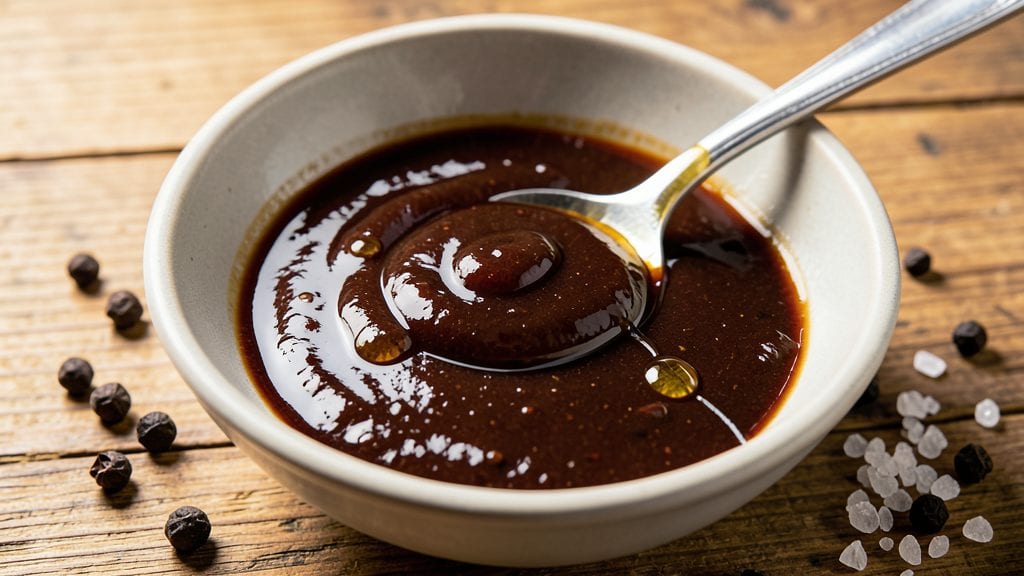
Creating an authentic James River BBQ sauce recipe means balancing smoky Virginia heat with sweet and tangy depth—something you won’t find in most store-bought versions. This sauce transforms ribs, chicken, or pulled pork into restaurant-quality masterpieces with just a few simple ingredients and a slow simmer.
The key lies in the molasses and vinegar, which build that signature sweet-tart profile while spices add complexity.
What sets this recipe apart is its versatility and professional results, achieved without shortcuts. You’ll simmer tomato paste, vinegar, and spices until the flavors meld into a glossy, balanced sauce with just the right amount of heat.
The molasses adds depth, while a touch of brown sugar ensures it’s sweet enough to complement smoky meats without overpowering them.
By the time you’re done, you’ll have a James River-style BBQ sauce that’s rich, tangy, and packed with smoky flavor—perfect for slathering on ribs, basting chicken, or drizzling over pulled pork.
The best part? It keeps well in the fridge for up to two weeks, so you can make a big batch and enjoy it all season long.
This sauce works equally well for slow-cooked meats or quick grilling, making it a staple for any BBQ enthusiast. Let’s get started on a recipe that delivers professional results every time.
Ingredients for james river bbq sauce
Pantry staples with a Virginia twist—just 10 ingredients for sauce that rivals restaurant quality.
| Ingredient | Amount | Notes |
|---|---|---|
| Tomato Paste 🍅 | ½ cup | High-quality, no sugar added |
| Apple Cider Vinegar 🍎 | ½ cup | Bragg preferred for depth |
| Molasses 🍯 | ¼ cup | Unsulphured for authentic flavor |
| Brown Sugar 🍚 | ¼ cup | Light or dark, packed |
| Black Peppercorns 🌶️ | 1 tbsp | Freshly cracked for texture |
| Ground Black Pepper 🌶️ | 1 tsp | Freshly ground for heat |
| Smoked Paprika 🌶️ | 1 tbsp | Kalamata brand for authentic smoke |
| Garlic Powder 🧄 | 1 tbsp | Freshly ground preferred |
| Salt 🧂 | 1 tsp | Diamond Crystal kosher |
| Water 💧 | ½ cup | Filtered preferred for clarity |
The tomato paste is your flavor base, so no sugar added is non-negotiable—it keeps the sauce from tasting overly sweet. Bragg apple cider vinegar adds that signature tang, but any good-quality vinegar works. Molasses is where the magic happens—unsulphured gives you that deep, rich flavor without artificial aftertaste. For smoked paprika, Kalamata brand is my go-to, but any smoked variety will work. The spices? Freshly ground black pepper and garlic powder make all the difference—pre-ground loses punch fast. Grab these at Whole Foods or the bulk section of your local grocery store for the best quality.
No molasses? Maple syrup at half the amount gets you close, but it’ll taste different. Short on vinegar? Red wine vinegar or lemon juice works in a pinch, though the flavor shifts slightly. The brown sugar can be swapped for honey or agave, but it’ll change the sauce’s texture. If you can’t find unsulphured molasses, regular molasses with a pinch of baking soda removes most of the sulphur. For smoked paprika, liquid smoke at a quarter teaspoon adds depth if you’re really stuck, but it’s not the same. The key is balancing sweet, tangy, and smoky—adjust to taste as you go.
This sauce thickens as it cools, so thin with water or vinegar if needed. Keeps in the fridge for 2 weeks in a sealed jar, or 6 months frozen in ice cube trays for single-use portions. The flavor actually improves after a few days as everything melds together. Double the batch—you’ll want it for everything from ribs to grilled chicken.
Why You'll Love This Recipe
- Pantry Magic: Honestly, I keep every single ingredient here already—no extra shopping trips. Just open the tomato paste, grab the molasses, and you’re halfway there. That molasses gives it this deep, almost caramel-like richness that’s chef’s kiss without any fancy ingredients.
- Sweet-Savory Balance: Here’s what sold me—the way the brown sugar and apple cider vinegar play off each other. It’s tangy enough to cut through fatty meats but sweet enough to make you lick the bowl. The black peppercorns add a subtle kick that wakes up every bite.
- Weeknight Workhorse: Between us, this sauce is my go-to for pulled pork, grilled chicken, or even drizzled over roasted veggies. I’ve used it for tailgates, lazy Sundays, and even as a marinade. It’s the kind of sauce that makes you feel like you’re feeding a crowd without the stress.
- No Waste, All Win: Make a double batch—it keeps for weeks in the fridge. I’ve had it last through three grocery runs, and it only gets better as the flavors meld. Plus, the cost? A fraction of store-bought, and way more flavorful. That’s my kind of budget hack.
Step-by-step instructions for James River BBQ sauce
This Virginia-style sauce delivers bold smokiness with perfect sweet-tangy balance—just like the original.
Toast the Spices for Maximum Flavor
In a heavy-bottomed saucepan over medium heat, add the 1 tablespoon black peppercorns and toast them for 2-3 minutes until they begin to sizzle and release their aroma. This step is crucial—it deepens the pepper's complexity and prevents a harsh bite in the finished sauce.
Next, whisk in the 1 tablespoon smoked paprika and 1 tablespoon garlic powder, toasting them for another 30 seconds until fragrant. You'll notice the kitchen fill with that unmistakable smoky aroma—this is where the authentic Virginia character begins to develop. Keep the heat at medium-low to prevent burning these delicate spices.
Build the Base with Tomato and Vinegar
Add the 0.5 cup tomato paste and stir continuously for 1-2 minutes until it begins to darken slightly and lose its raw, floury texture. This step transforms the paste from a thick paste into a rich, flavorful base. Then pour in the 0.5 cup apple cider vinegar and 0.5 cup water, bringing everything to a gentle simmer.
Simmer this mixture for 5 minutes, stirring occasionally, until it thickens slightly and the raw acidity mellows into a balanced tang. This is where the sauce begins to come together—you'll see the colors meld into a deep, rich red. If the mixture looks too thick at this stage, add 1 tablespoon water to maintain proper consistency.
Sweeten and Balance the Flavors
Reduce the heat to low and gradually whisk in the 0.25 cup molasses and 0.25 cup brown sugar, allowing them to dissolve completely into the simmering mixture. This is where the sauce gets its signature sweet depth—be patient and let the sugars melt in fully before proceeding.
Continue simmering for 10-12 minutes, stirring frequently, until the sauce thickens to a glossy, syrupy consistency. You're looking for a texture that coats the back of a spoon but still flows smoothly. Taste as you go—this is where you'll adjust the balance between sweet, smoky, and tangy notes. If it needs more depth, add another ½ teaspoon molasses; if it's too sweet, a splash of apple cider vinegar will bring it back into balance.
Season and Reduce to Perfection
Stir in the 1 teaspoon ground black pepper and 1 teaspoon salt, mixing until fully dissolved. The ground pepper adds a subtle heat that complements the cracked peppercorns you toasted earlier. Let the sauce simmer uncovered for an additional 8-10 minutes, stirring occasionally, until it reduces to a thick, glossy consistency.
You'll know it's ready when it coats the back of a spoon smoothly and has a deep, concentrated flavor. The sauce should be thick enough to cling to ribs or pulled pork but still pourable. If it's too thick, whisk in 1 tablespoon water to reach your desired consistency. Let it cool slightly before tasting—flavors develop further as it rests.
Rest and Store for Maximum Flavor
Transfer the sauce to a clean jar and let it cool completely to room temperature. This resting period allows the flavors to meld and deepen—don't skip it! The sauce will continue to thicken as it cools, so you may need to thin it slightly with 1-2 tablespoons water before using.
Store in the refrigerator for up to 2 weeks or freeze for 3 months. The flavors actually improve over time, developing a richer complexity. When ready to use, reheat gently on the stove until warmed through—never boil, as this can alter the delicate balance of flavors you've worked so hard to achieve.
Pro Tips For Making James River Bbq Sauce
- Simmer Slow and Steady: This sauce isn’t a race—keep it at a gentle boil for at least 30 minutes, maybe longer if you’re impatient like I used to be. The longer it simmers, the deeper the flavors meld, especially that molasses and vinegar harmony. (Yes, I’ve tasted the rushed version. Don’t.)
- Toast the Peppercorns: Skip the whole peppercorns? No way. Dry them in a separate pan over medium heat for 1-2 minutes until fragrant—this unlocks their aroma way better than just tossing them in raw. Grind them fresh after topping the sauce; pre-ground pepper loses its punch.
- Deglaze with Vinegar First: After browning your tomato paste (if you’re doing that step), hit the pan with a splash of apple cider vinegar before adding water or other liquids. It cuts through the stuck-on bits and jumpstarts the tangy base of the sauce. (This is how I stopped scrubbing pans at 2 AM.)
- Balance the Sweetness: Taste as you go—molasses and brown sugar are sneaky. If the sauce tastes cloying, add a splash more vinegar or a pinch of salt to cut through. I learned this after making a batch so sweet my neighbors complained. (They weren’t wrong.)
Troubleshooting great james river bbq sauce
Sauce Too Thin?
If your sauce isn’t thickening enough during simmering, reduce the heat to low and let it cook uncovered for an extra 10-15 minutes. Stir frequently to prevent sticking.
For a quicker fix, mix 1 tablespoon cornstarch with 2 tablespoons cold water, then whisk it into the sauce until it reaches your desired consistency. This works especially well if you’re short on time. 🌡️
Sauce Too Thick?
Thick sauce happens when you over-reduce or use too much molasses. Thin it gradually with 1 tablespoon water or apple cider vinegar at a time, whisking constantly. Avoid adding too much liquid at once—this can dilute the flavor.
If the sauce is still too thick after reheating, simmer it uncovered for another 5 minutes to let excess moisture evaporate naturally.
Flavor Too Sweet?
An overly sweet sauce usually means too much molasses or brown sugar. Balance it by adding 1 tablespoon apple cider vinegar or lemon juice, then simmer for 2-3 minutes to let the acidity mellow.
For a smokier profile, add ½ teaspoon smoked paprika or a dash of liquid smoke. Taste as you go—you can always adjust further.
Flavor Too Tangy?
If the vinegar flavor dominates, reduce it by adding 1 tablespoon molasses or brown sugar to mellow the acidity. Simmer for 5 minutes to let the flavors blend. For a deeper base, stir in 1 tablespoon tomato paste and cook for another 3 minutes.
Avoid adding too much sugar at once—this can throw off the balance entirely.
Sauce Separated?
Separation happens when fats or sugars separate from the liquid. To fix it, whisk vigorously over low heat for 2-3 minutes until smooth. If that doesn’t work, blend the sauce briefly with an immersion blender to re-emulsify it.
For prevention, avoid boiling the sauce—simmer gently instead. A splash of water or vinegar can also help restore consistency.
Mold or Off Odors?
If your stored sauce develops mold or smells sour, discard it immediately—this is a sign of bacterial growth. Always store sauce in a clean, airtight jar in the fridge (40°F or below) for up to 2 weeks.
For longer storage, freeze in ice cube trays for single-use portions. When reheating, bring to a gentle simmer (160°F) to kill any potential bacteria. 💡
Nutrition facts
Frequently asked questions
Can I make this James River BBQ sauce without molasses?
Yes! Substitute ½ cup maple syrup for the molasses, but expect a slightly different flavor profile. The sauce will still be sweet and tangy, though the depth of flavor won't be identical. For a closer match, use ¼ cup honey plus ¼ cup maple syrup to mimic the molasses' complexity.
How spicy is this Virginia-style BBQ sauce?
The recipe delivers a subtle heat from black pepper and smoked paprika, but it's not fiery like Carolina-style sauces. For extra kick, add ½ teaspoon cayenne pepper or a pinch of red pepper flakes. Taste before serving—you can always adjust the heat level to your preference.
Can I use this sauce on vegetables or tofu?
This sauce works beautifully on grilled vegetables (like eggplant or bell peppers) or marinated tofu. The sweet-tangy balance complements plant-based dishes perfectly. Just reduce the simmering time slightly to prevent overcooking delicate ingredients.
Why does my sauce look too thin after simmering?
Sauces naturally thicken as they cool, but if it's still too thin after resting, simmer uncovered for 5-10 more minutes to reduce excess liquid. For immediate results, mix 1 tablespoon cornstarch with 2 tablespoons water and whisk it in. Avoid adding too much thickener at once—it can make the sauce grainy.
What's the best way to store leftover sauce?
Transfer the sauce to a clean, airtight jar and refrigerate for up to 2 weeks. For longer storage, freeze in ice cube trays for single-use portions. Thaw overnight in the fridge before reheating gently on low heat—never microwave directly, as this can alter the texture.