
Main Courses
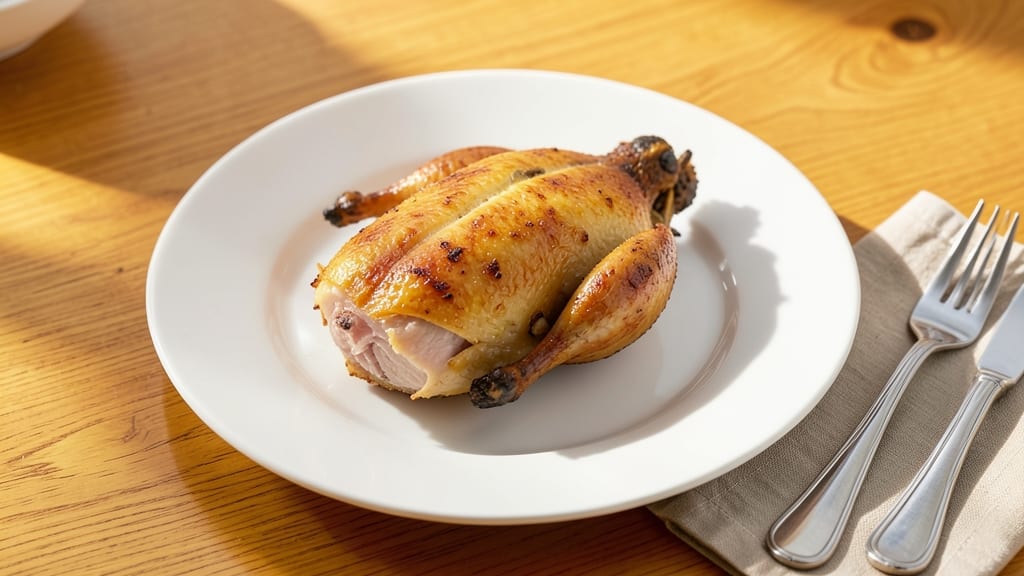
This Italian quail recipe transforms delicate game birds into a restaurant-worthy centerpiece with crispy skin that shatters at every bite. 🔥 Growing up in a Boston triple-decker, I watched Nonna prepare similar dishes—her secret was a simple herb crust that locked in moisture while creating that coveted crunch.
The technique is straightforward but yields results that impress even the most skeptical dinner guests.
The foundation begins with a marinade of olive oil, garlic, rosemary, and lemon zest—just enough time to infuse flavor without overpowering the quail's natural taste.
After coating the birds in a mixture of breadcrumbs, Parmesan, and fresh herbs, we roast them at high heat until the skin turns golden and crisp. This isn't just about technique; it's about balancing tenderness inside with that satisfying crunch outside.
What you'll end up with is quail that looks and tastes like it belongs on an Italian trattoria menu—juicy, aromatic, and perfectly portioned for two. The crispy skin gives way to tender meat infused with herbal notes, while the lemon brightens every bite.
This is a dish that elevates ordinary weeknights into special occasions without requiring hours in the kitchen.
Pair with roasted potatoes or a simple arugula salad to complete the meal. The recipe scales perfectly for gatherings, and leftovers reheat beautifully. Let's bring that Italian trattoria experience to your table with this foolproof method.
Ingredients for italian quail
Twelve quality ingredients transform delicate quail into an Italian trattoria centerpiece with restaurant-worthy crispy skin.
| Ingredient | Amount | Notes |
|---|---|---|
| Fresh Quail 🦆 | 4 whole | About 4 oz each, patted dry |
| Extra-Virgin Olive Oil 🫒 | ¼ cup | High-quality, fruity variety |
| Garlic Cloves 🧄 | 4 cloves | Minced, fresh preferred |
| Fresh Rosemary 🌿 | ¼ cup | Finely chopped, stems removed |
| Lemon Zest 🍋 | 1 tbsp | From 1 organic lemon |
| Parmesan Cheese 🧀 | ½ cup | Freshly grated, fine grade |
| Italian Breadcrumbs 🍞 | ¾ cup | Panko alternative for extra crunch |
| Fresh Thyme Leaves 🌿 | ¼ cup | Chopped, stems removed |
| Diamond Crystal Kosher Salt 🧂 | 1 tsp | For seasoning and crust |
| Freshly Ground Black Pepper 🌶️ | ½ tsp | Cracked peppercorns preferred |
| All-Purpose Flour 🌾 | 2 tbsp | For dredging before crust |
| Unsalted Butter 🧈 | 2 tbsp | Cold, cut into small pieces |
The quail's quality is non-negotiable—farm-fresh from a specialty butcher ensures optimal tenderness. Look for birds with plump, firm bodies and vibrant skin. Costco or Whole Foods often carry them, but call ahead. The olive oil should be cold-pressed and extra-virgin—California Olive Ranch or Colavita are excellent choices. Fresh rosemary and thyme should be bright green with no wilting, preferably from a trusted farmers' market. For the Parmesan, Parmigiano-Reggiano from a wedge is essential—pre-grated lacks the necessary texture and flavor. The butter should be cold and unsalted to prevent over-salting the crust.
No fresh rosemary? Dried rosemary at one-third the amount works, but fresh is ideal. Substitute pecorino Romano for Parmesan if needed—it melts beautifully. Running low on breadcrumbs? Crush high-quality croutons or toasted bread for a similar texture. The garlic can be roasted for a sweeter profile, but fresh minced gives the brightest flavor. For the lemon zest, organic lemons are preferred—their thicker skins yield more zest. If you must use bottled lemon juice, add a pinch of citric acid to mimic freshness. The flour should be all-purpose with a medium protein content—cake flour creates a gummy crust.
Quail can be prepped 1 day ahead—marinate and coat, then refrigerate uncovered on a wire rack. The crust mixture keeps 2 days in the fridge, sealed in an airtight container. For storage, reheat at 325°F for 10-12 minutes until the skin is crispy again. The crust loses crispness when reheated, so re-crisp under a broiler for 2-3 minutes if needed. Portion the butter into small containers for up to 2 weeks in the freezer. Fresh herbs can be blanched and frozen in ice cube trays for up to 3 months.
Why You'll Love This Recipe
- One-Pan Magic: I swear by this—just quail, olive oil, garlic, and rosemary on a sheet pan for 20 minutes. No fancy gadgets, no mess, just golden-brown perfection with zero cleanup.
- Herb-Packed Punch: That lemon zest and rosemary combo? It’s like a bright, garlicky hug for your taste buds. The quail stays juicy while the skin gets crispy—crunchy enough to satisfy, tender enough to melt.
- Weeknight or Dinner Party: Honestly, it’s my go-to for both. Serve with crusty bread for a laid-back night in, or plate it elegantly for guests. The small size means no one feels overwhelmed, but the flavor? Always a hit.
- Leftovers That Don’t Suck: Unlike bigger birds, quail reheats beautifully—whether tossed in pasta or sliced over toast. And because they’re small, you’re not stuck with a mountain of food. Budget-friendly, too, since a few quail feed more than a single chicken.
Step-by-step instructions for herb-crusted roast quail
Master this technique and you'll achieve restaurant-quality crispy skin every time.
🍳 Step 1: Prepare the Herb Crust Mixture
In a mixing bowl, combine the 0.75 cup Italian breadcrumbs, 0.25 cup fresh rosemary, 0.25 cup fresh thyme leaves, 1 tbsp lemon zest, 0.5 cup parmesan cheese, 1 tsp diamond crystal kosher salt, and 0.5 tsp freshly ground black pepper. Mix thoroughly until the herbs are evenly distributed throughout the breadcrumbs.
This herb blend forms the foundation of our crispy crust. The lemon zest adds brightness that cuts through the richness of the quail, while the parmesan provides umami depth. I like to use freshly chopped herbs here—their aroma is far superior to dried. If you're using panko-style breadcrumbs, they'll create an extra-crispy texture that's perfect for this preparation.
👨🍳 Step 2: Dredge and Crisp the Quail
Pat the 4 whole fresh quail completely dry with paper towels—this is absolutely critical for crispy skin. Season the cavity of each quail with a pinch of diamond crystal kosher salt and freshly ground black pepper, then stuff with 2 tbsp unsalted butter cut into small pieces.
Next, dredge each quail in the 2 tbsp all-purpose flour, shaking off any excess. This creates a thin barrier that helps the crust adhere perfectly. Place the floured quail on a plate and chill in the refrigerator for 15 minutes while you prepare the oven.
🔥 Step 3: Roast for Crispy Perfection
Preheat your oven to 425°F with a rack positioned in the middle position. Arrange the chilled quail on a baking sheet lined with parchment paper, then press the herb crust mixture firmly onto each bird, covering them completely. Drizzle with 0.25 cup extra-virgin olive oil and spread evenly over the crust.
Roast for 20-25 minutes until the skin is deep golden brown and crispy, and the internal temperature reaches 165°F when measured in the thickest part of the thigh. The crust should be golden enough to shatter slightly when pressed—this indicates perfect crispiness. Real talk: don't open the oven door during cooking or you'll lose that precious heat and steam the skin instead of crisping it.
⏰ Step 4: Rest and Serve
Transfer the quail to a cutting board and let rest for 5 minutes before serving. This brief rest allows the juices to redistribute, ensuring each bite is moist and flavorful. The crust will remain crispy during this time, maintaining its perfect texture.
Slice each quail in half lengthwise and serve immediately. The contrast of crispy herb crust with tender, juicy meat creates an unforgettable dining experience. For extra presentation, arrange the halves on a platter with a drizzle of reduced olive oil from the baking sheet and fresh thyme sprigs.
Pro Tips For Making Italian Quail
- SEAR THE SKIN FIRST: Hit the quail skin with a screaming-hot pan—no oil yet—until it’s deep golden in 30 seconds. After it releases from the pan, add your olive oil; this locks in juices and gives you that restaurant-worthy crisp. (Yes, even if you’re impatient like me, resist the urge to rush this.)
- PUNCH GARLIC HARD: Smash those garlic cloves flat with the side of your knife before adding them—this prevents burning and lets the flavor seep into the quail. I learned this the hard way when my first batch tasted like charred garlic instead of Italian comfort.
- DON’T OVERCROWD THE PAN: Cook quail in batches if needed—too many in one pan steams them instead of sears. You’ll end up with sad, gray meat instead of crispy, caramelized edges. (Your future self will thank you for this small annoyance now.)
- ZEST WHEN COLD: Reserve the lemon zest until the very end, tossing it over the quail after it’s off the heat. Warm zest turns bitter, and you want that bright pop of citrus to shine. (Sounds weird, but it works—trust me.)
Regional styles of this recipe
Roman Style
In Rome, quail is often prepared with a white wine and lemon marinade before roasting, creating a bright, citrus-forward flavor profile.
I like to add 1 tbsp capers and 2 anchovy fillets to the marinade for a classic Roman touch—these ingredients add a briny depth that pairs beautifully with the quail's delicate taste.
Serve with creamy polenta and roasted cherry tomatoes for a dish that feels like a taste of Trastevere. 🍷
Tuscan Herb Version
The Tuscans favor a garlic and sage crust with a splash of dry white wine in the marinade. After roasting, I drizzle the quail with a sage-infused olive oil and serve it with fresh focaccia to soak up any remaining juices.
This rustic approach highlights the natural flavors of the quail without overpowering them. The dish is simple but deeply satisfying—just like a meal from a countryside trattoria. 🌿
Venetian Citrus Twist
Venetian cuisine brings zest and acidity to the table, so I incorporate blood orange segments into the marinade along with fresh tarragon. After roasting, I finish the quail with a blood orange glaze made by reducing 2 tbsp orange juice with 1 tsp honey.
This vibrant version pairs wonderfully with creamy risotto and asparagus spears. The citrus cuts through the richness, leaving a refreshing finish. 🍊
Sicilian Spice Blend
For a bold Sicilian take, I swap the rosemary for fresh oregano and add crushed red pepper flakes to the crust. A splash of dry Marsala wine in the marinade adds depth, while sun-dried tomatoes stuffed into the quail cavity bring a sweet, tangy contrast.
Serve with almond-crusted potatoes and a arugula salad dressed with lemon vinaigrette. This version is bold and aromatic, perfect for a festive dinner. 🌶️
Northern Italian Alpine
In the alpine regions, quail is often prepared with pine nuts and fresh thyme in the crust, giving it a nutty, earthy profile. I also add a pinch of ground nutmeg to the marinade for warmth.
Serve with creamy polenta and wild mushrooms sautéed in butter. This hearty version is ideal for cooler weather and feels like a cozy mountain meal. ❄️
Modern Fusion Twist
For a contemporary take, I blend Italian traditions with a smoked paprika and honey crust, then finish the quail with a balsamic reduction. The sweetness of the honey balances the smokiness, while the balsamic adds a tangy depth.
Pair with roasted beets and goat cheese polenta for a dish that feels both classic and innovative. This version is perfect for foodies who love to experiment. 💡
Nutrition facts
Frequently asked questions
How do I find fresh quail if my local stores don't carry them?
Check specialty butchers, high-end grocery stores like Whole Foods, or order online from suppliers like Crowd Cow or Vital Farms. Look for birds with firm bodies and vibrant skin—this indicates freshness. If you can't find them fresh, frozen quail works too, just thaw overnight in the fridge before cooking.
Can I make this recipe with frozen quail?
Yes, but thaw them properly first! Place frozen quail in a sealed bag and refrigerate for 24 hours before cooking. Never thaw at room temperature—this can promote bacterial growth. Pat them completely dry after thawing to ensure crispy skin. The texture will be just as good as fresh if handled correctly.
What's the best way to reheat leftover herb-crusted quail?
Reheat gently to preserve the crust's crispiness. Place quail halves on a baking sheet and warm at 325°F for 10-12 minutes. For extra crunch, broil for 2-3 minutes at the end. Avoid microwaving—it makes the crust soggy. Store leftovers in an airtight container for up to 3 days.
Can I substitute chicken for quail in this recipe?
While possible, quail's delicate flavor and tender texture make it ideal for this method. If substituting, use small chicken thighs (about 6 oz each) and reduce cooking time to 18-20 minutes. The crust will work, but you'll lose the quail's unique richness. For best results, stick with quail—they're worth seeking out!
Why did my quail skin turn rubbery instead of crispy?
This usually happens from one of three issues: moisture on the skin (don't skip patting dry!), opening the oven door during cooking (disrupts heat), or overcrowding on the baking sheet. For crispy perfection, ensure quail are completely dry, roast at 425°F without interruption, and leave 1-inch space between birds.